

History & Wars
Conflicts, revolutions and the historical events behind today's world.
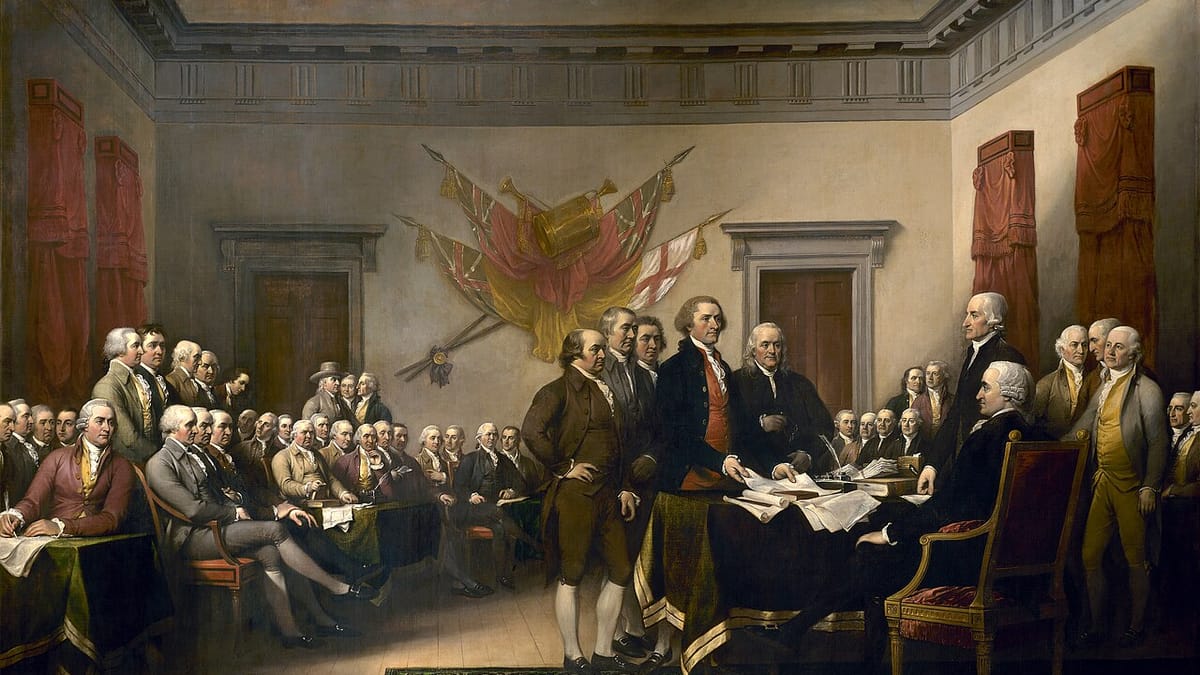
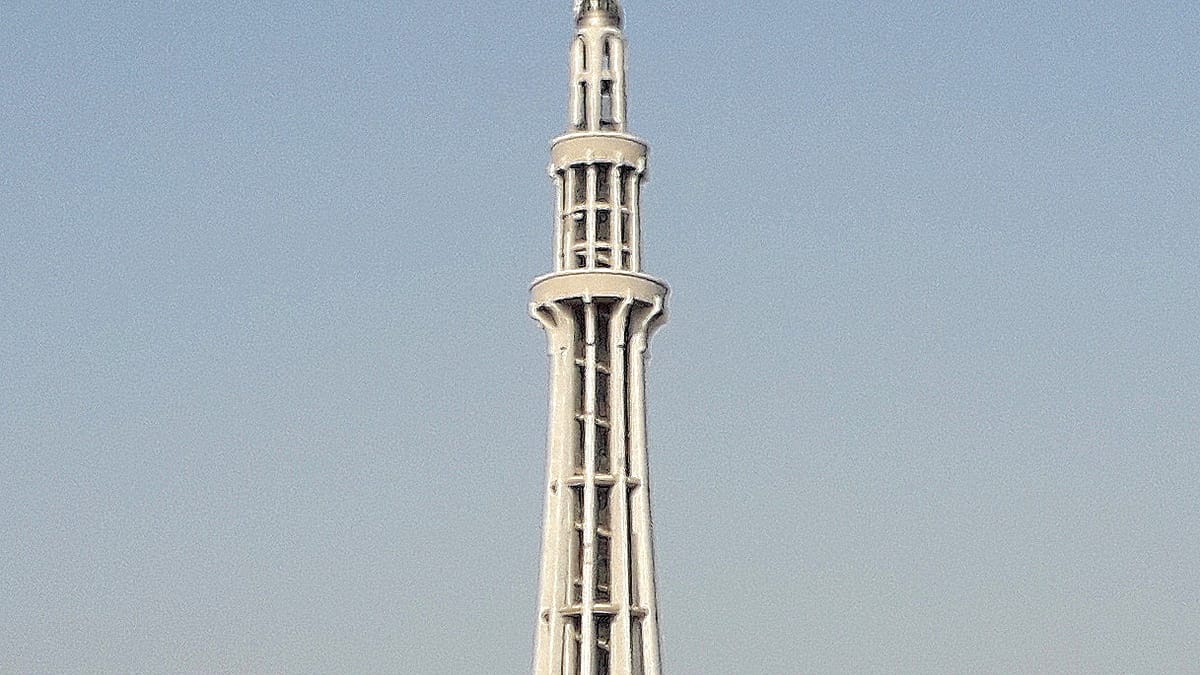
The Lahore Resolution of 1940: The Day the Idea of Pakistan Became a Demand
On 23 March 1940 the All-India Muslim League called for independent states in the Muslim-majority regions of British India. Seven years later, Pakistan was born.
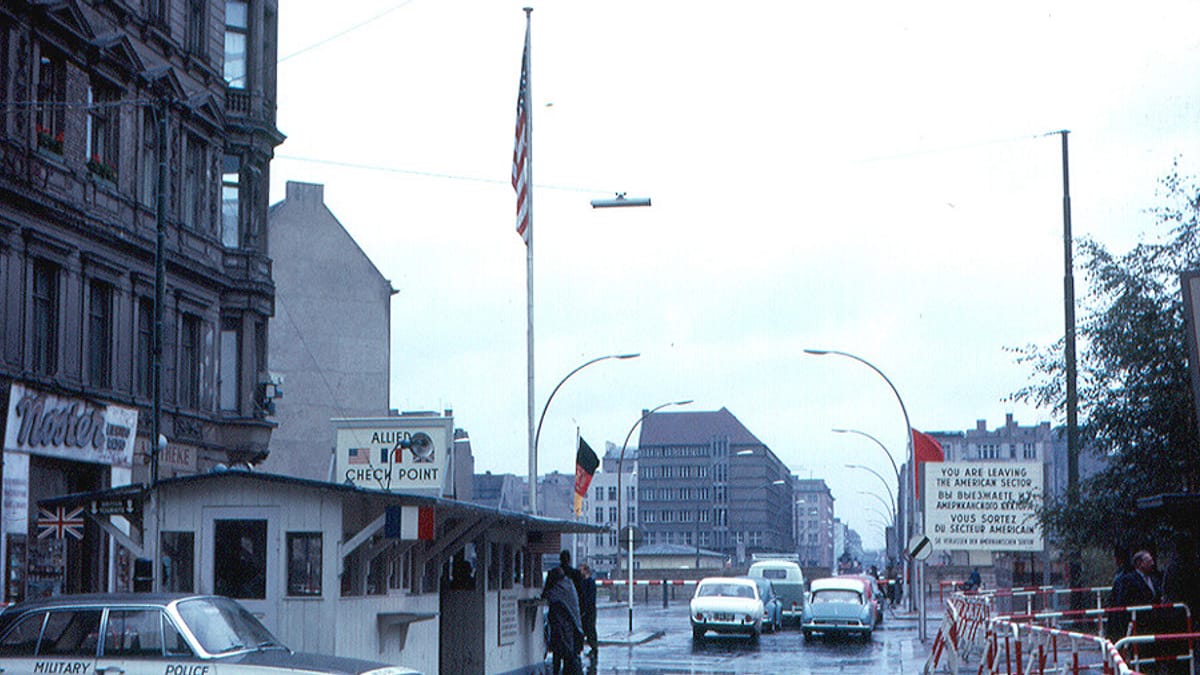
The Cold War Explained: A Timeline from 1945 to 1991
The key events of the Cold War, from Yalta and the Berlin Airlift to the Cuban Missile Crisis, Afghanistan and the collapse of the Soviet Union.
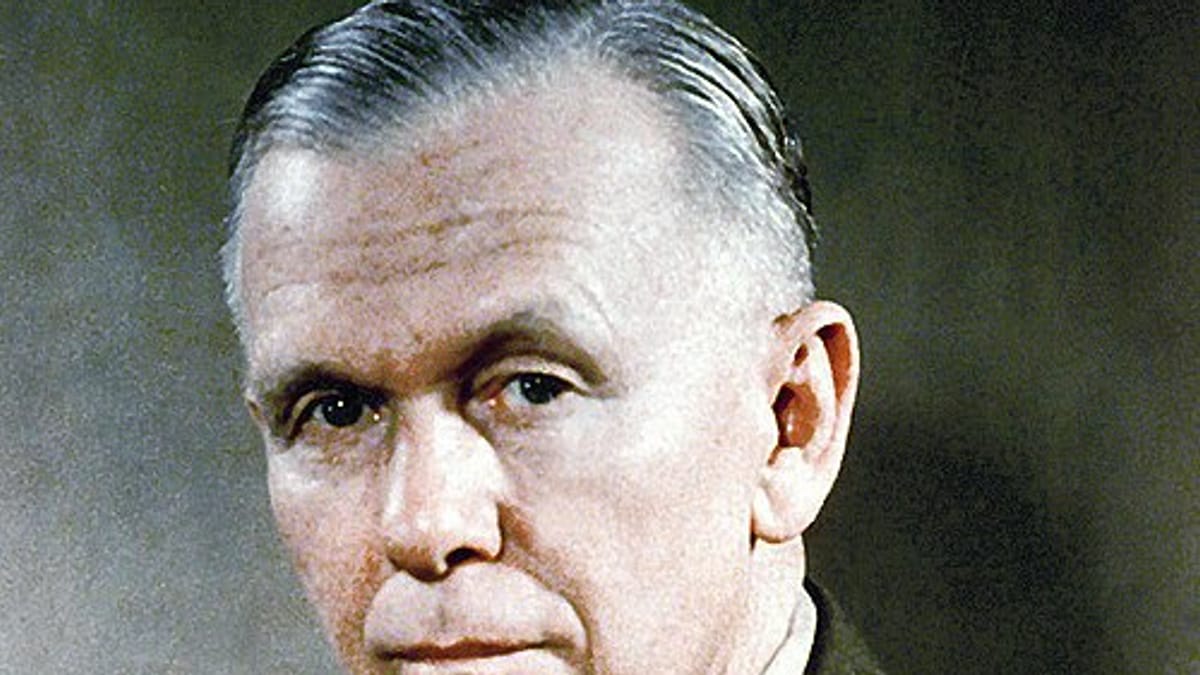
The Marshall Plan Explained: How America Helped Rebuild Europe
Between 1948 and 1952 the United States gave about 13 billion dollars to help rebuild Western Europe after the Second World War.
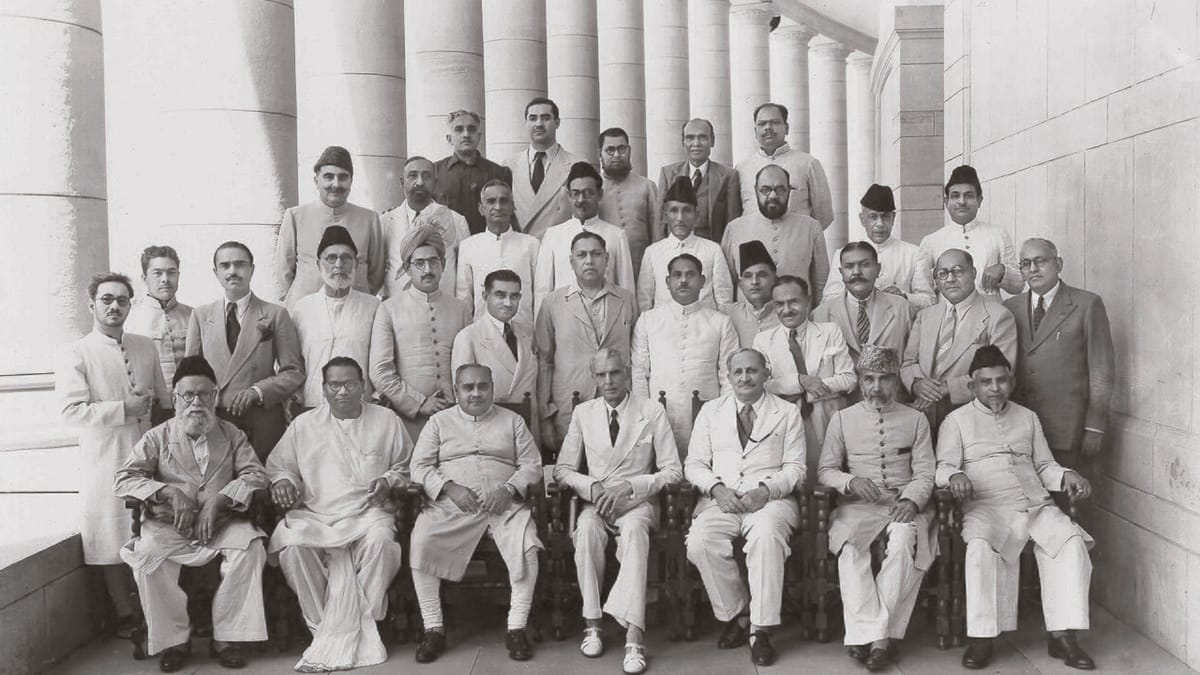
Jinnah's Fourteen Points of 1929 Explained
In March 1929 Muhammad Ali Jinnah listed fourteen safeguards he said Muslims needed in any future constitution for India.
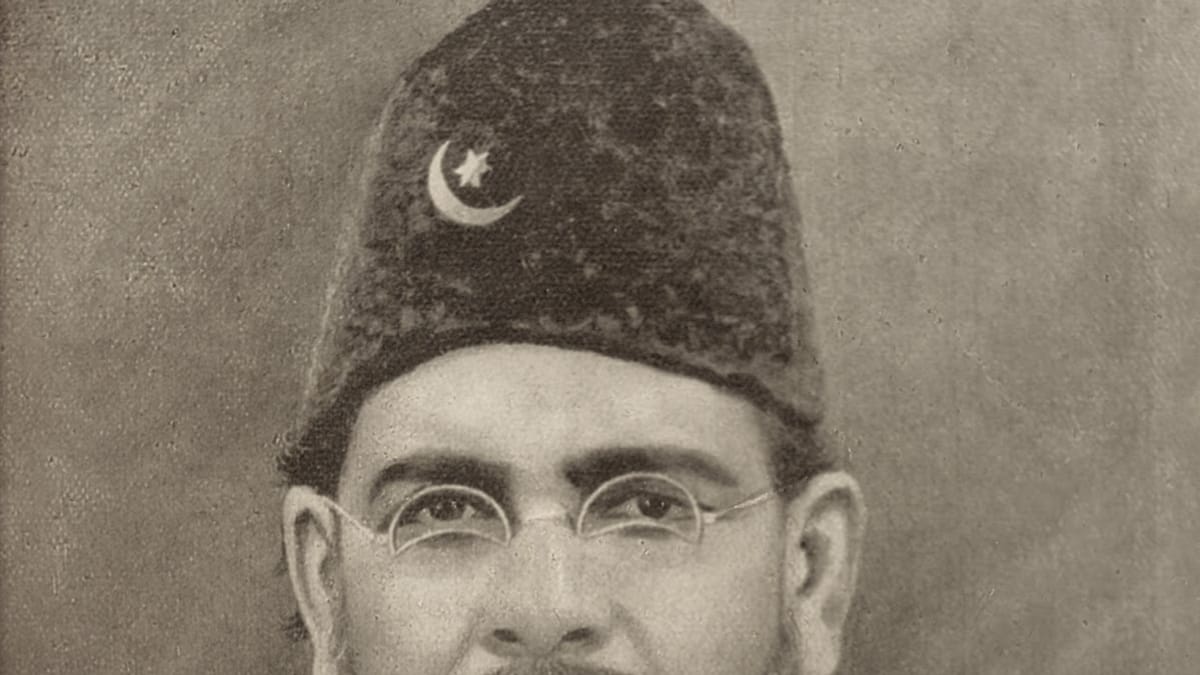
The Khilafat Movement Explained: When Indian Muslims Rallied for the Ottoman Caliph
The Khilafat Movement united Indian Muslims, and for a time Hindus, against British policy toward the defeated Ottoman Empire.
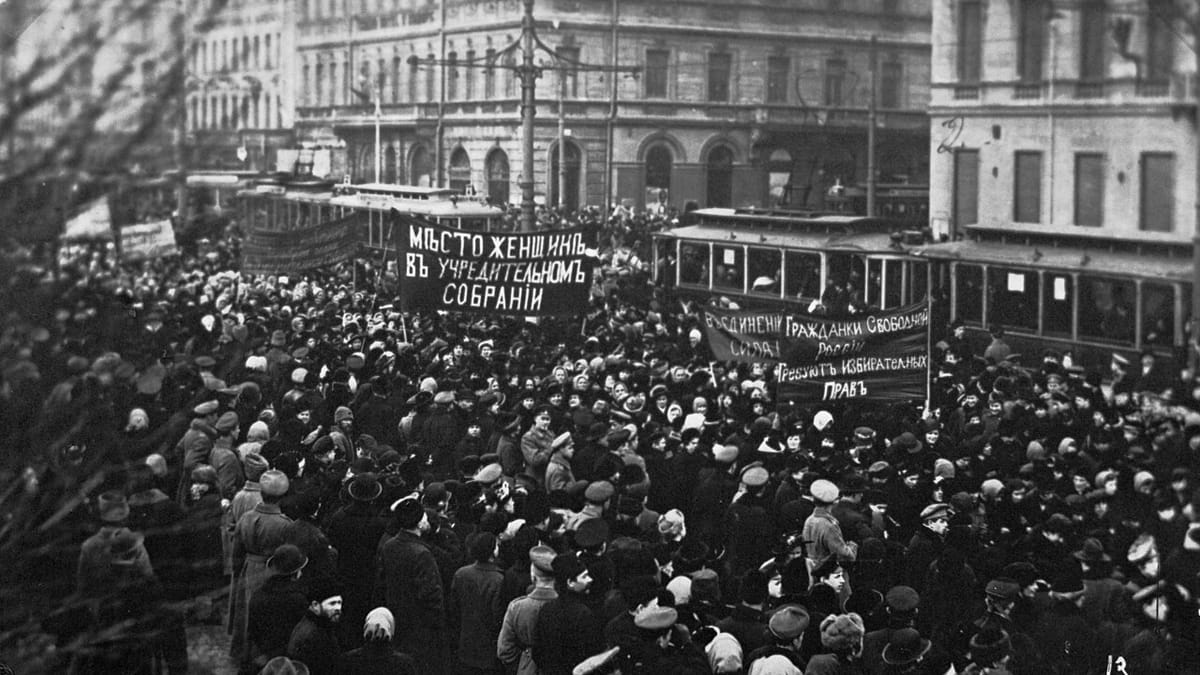
The Russian Revolution of 1917 Explained
In 1917 two revolutions ended three centuries of Romanov rule and brought the world's first communist state into being.
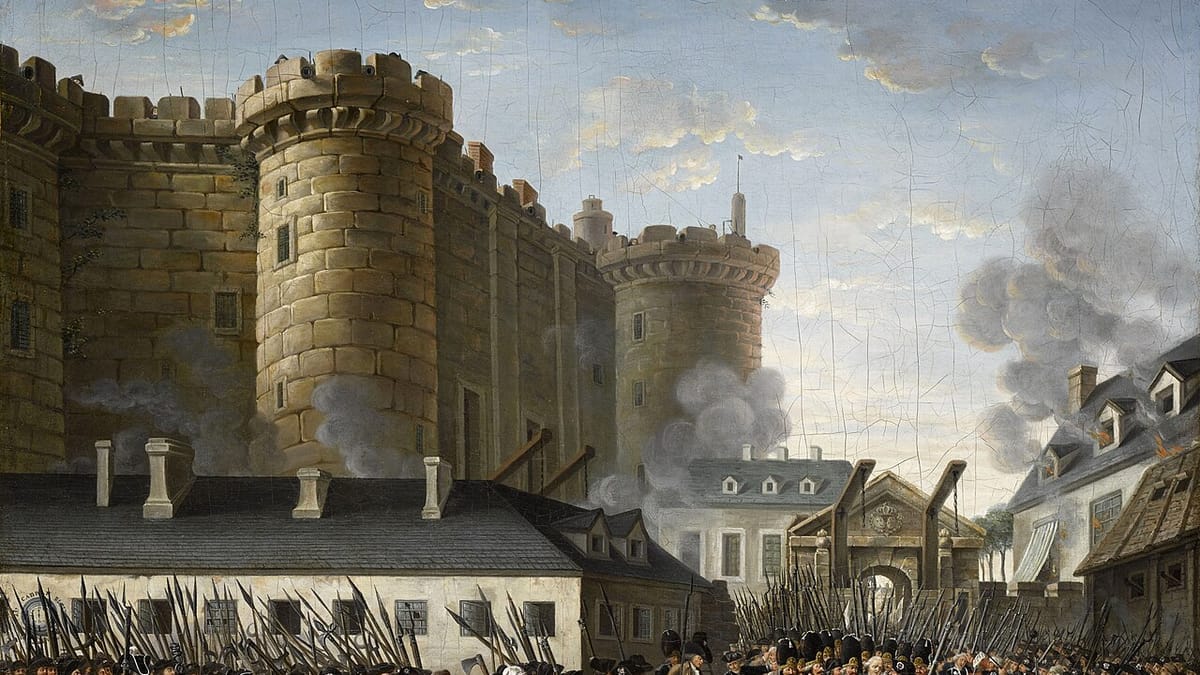
The French Revolution Explained: Causes, Key Events and Legacy
Between 1789 and 1799 France overthrew its monarchy, declared the rights of man and went through terror and war before Napoleon took power.
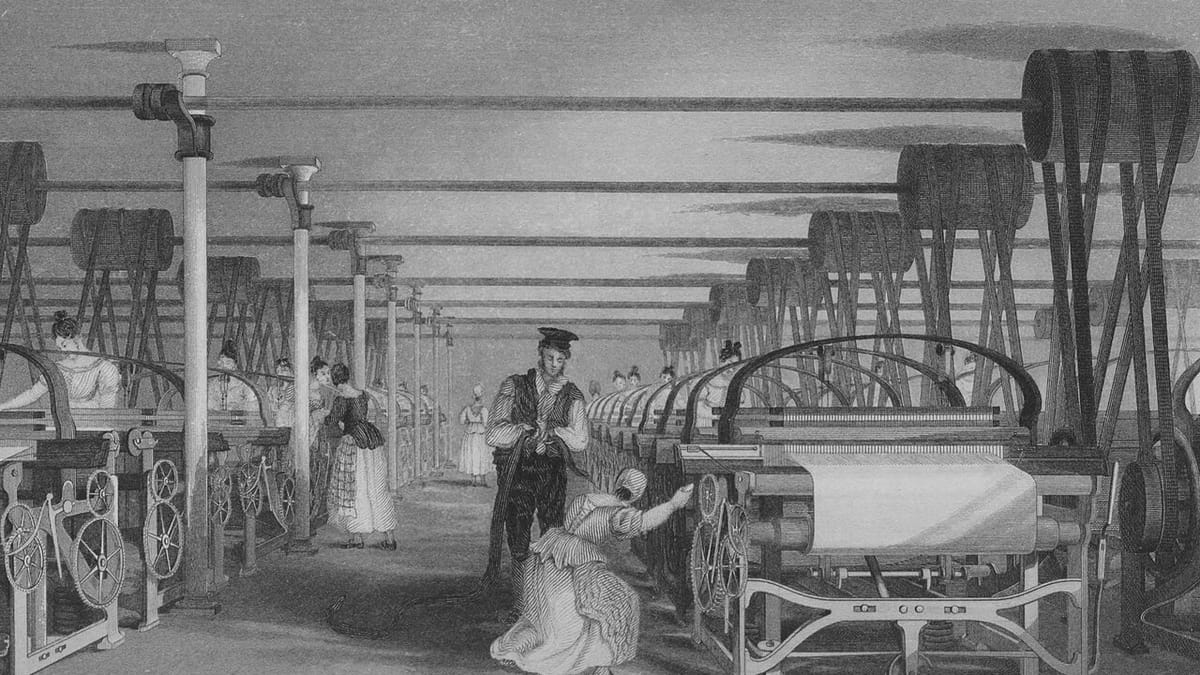
The Industrial Revolution Explained: How Machines Remade the World
Beginning in Britain around 1760, the Industrial Revolution replaced hand production with machines and created the modern economy.
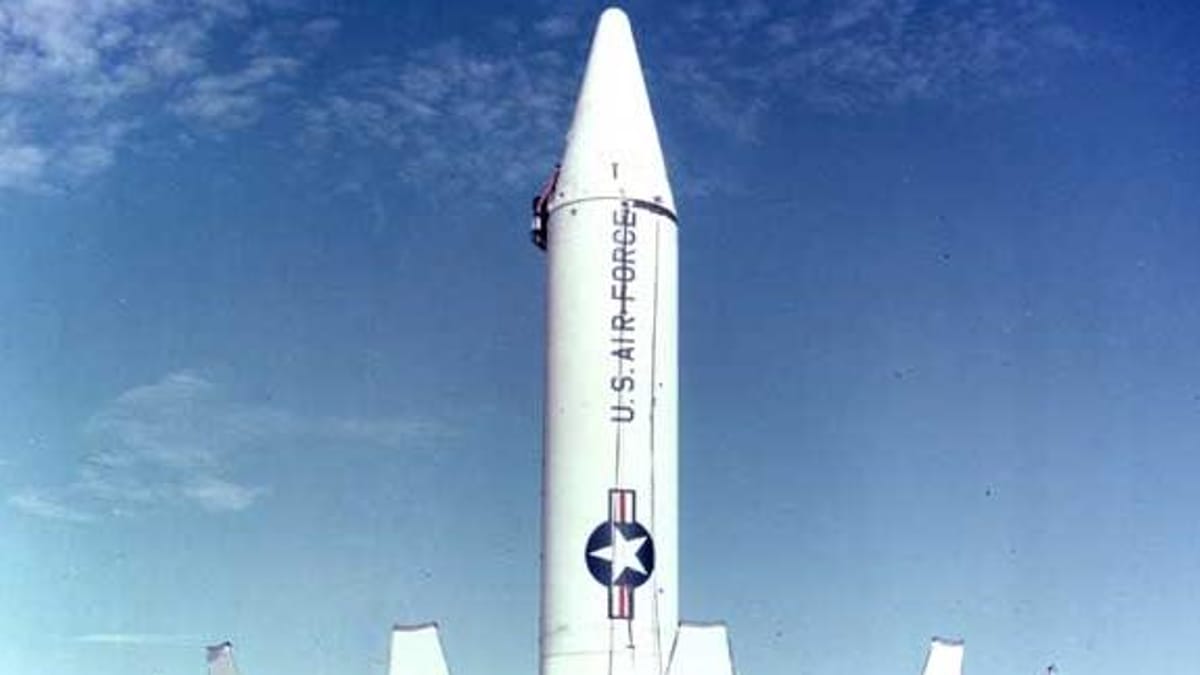
The Cuban Missile Crisis Explained: Thirteen Days That Nearly Ended the World
In October 1962 the discovery of Soviet nuclear missiles in Cuba led to the closest the Cold War came to nuclear conflict.
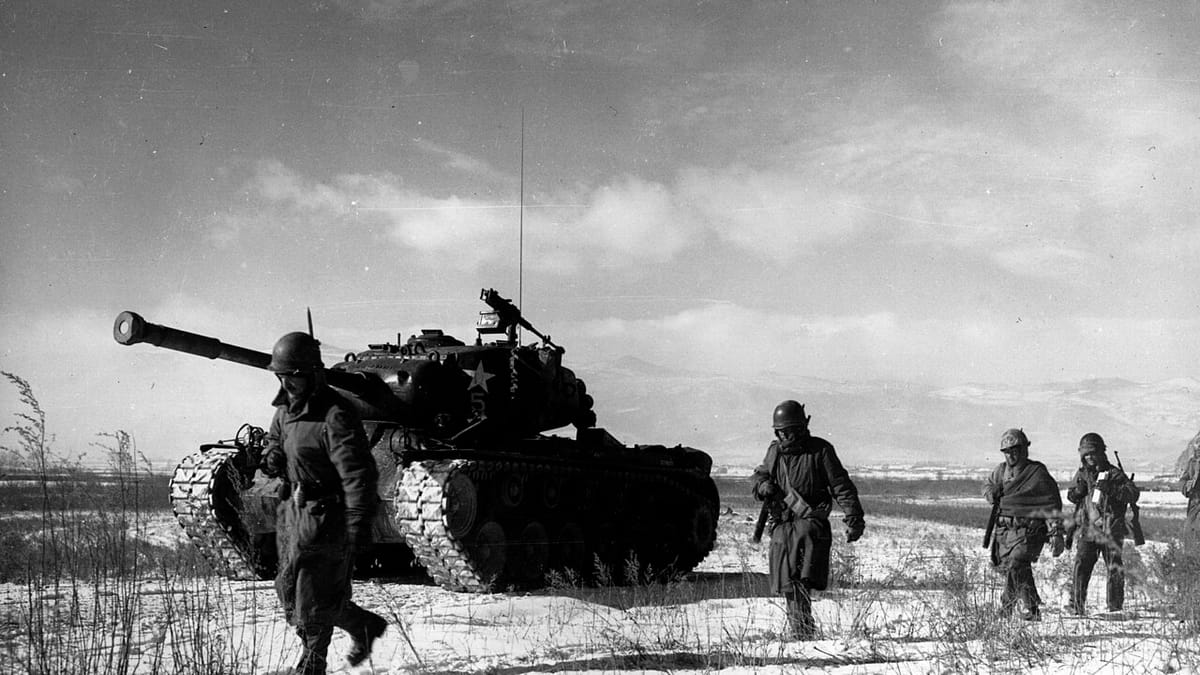
The Korean War Explained: The Conflict That Never Officially Ended
The Korean War began when North Korea invaded the South in June 1950 and ended in an armistice, not a peace treaty, in July 1953.
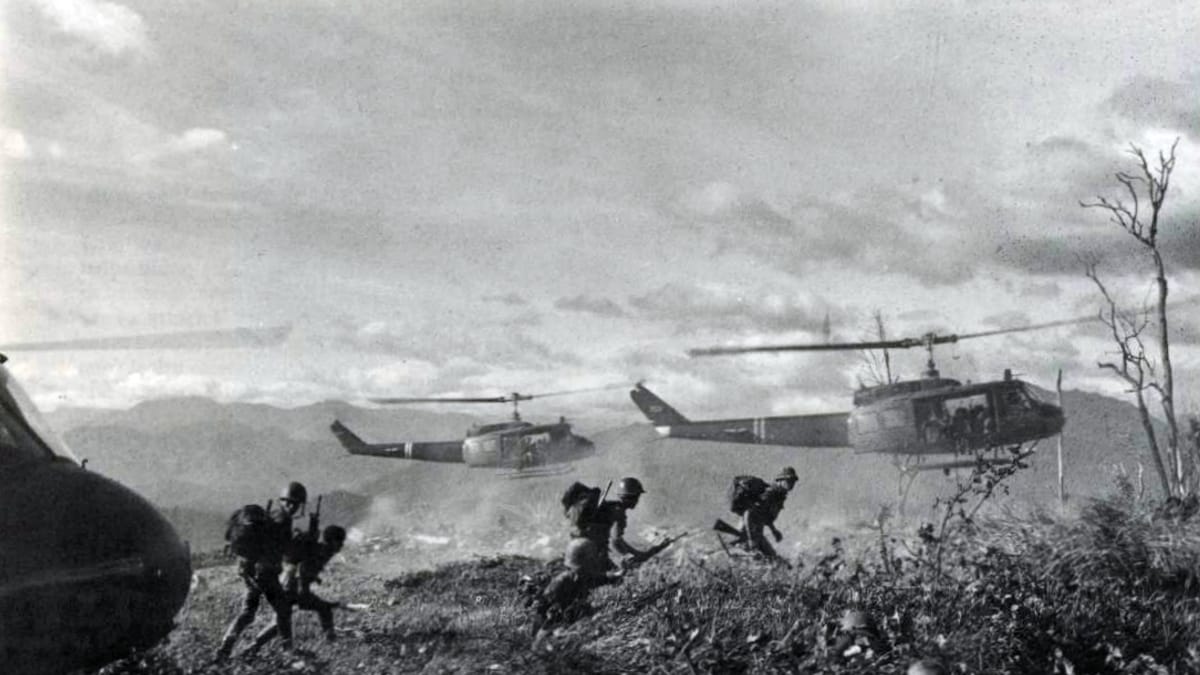
The Vietnam War Explained: Causes, Key Events and Consequences
The Vietnam War ended with the fall of Saigon in 1975 and the reunification of Vietnam under communist rule.
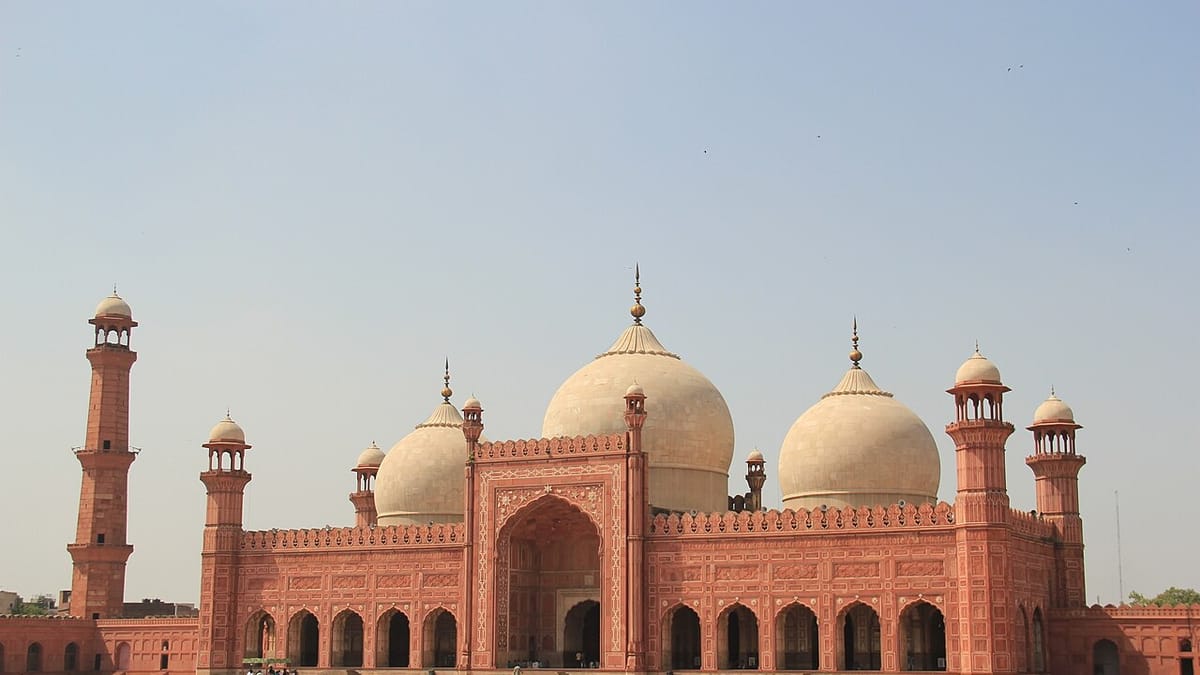
The Mughal Empire: A History from Babur to Bahadur Shah Zafar
Founded by Babur in 1526, the Mughal Empire became one of the richest states in the world before declining and ending in 1857.
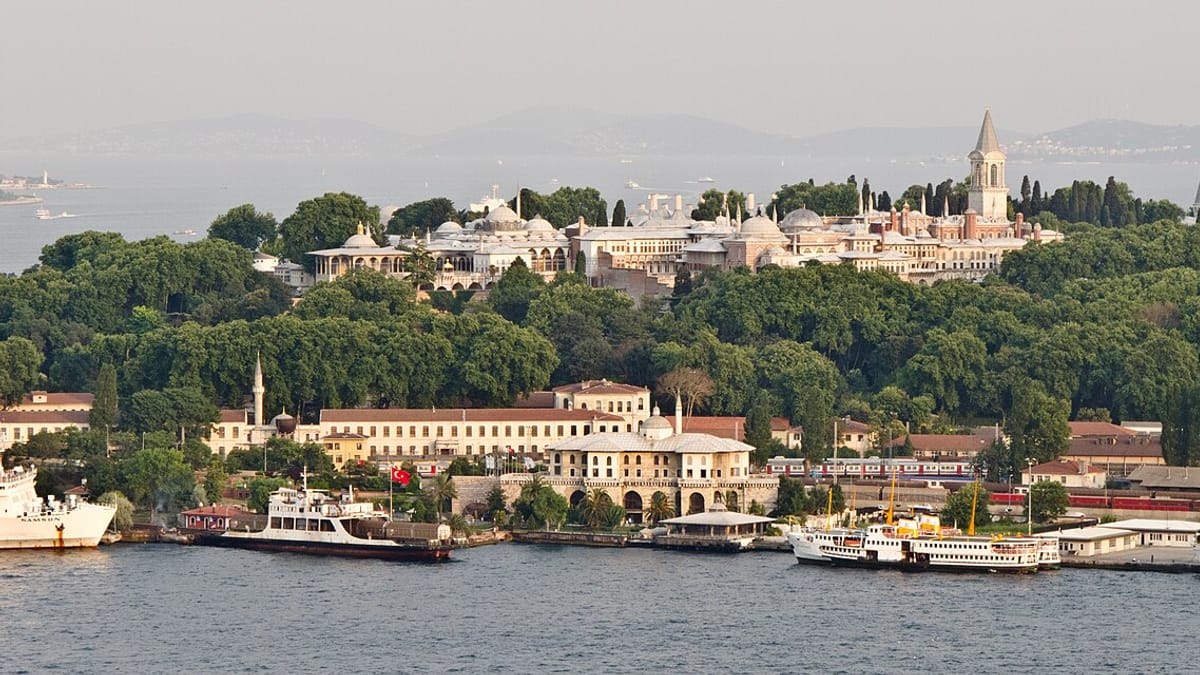
The Ottoman Empire: Six Centuries of History Explained
The Ottoman Empire lasted from around 1299 to 1922 and at its height ruled south-eastern Europe, the Middle East and North Africa.
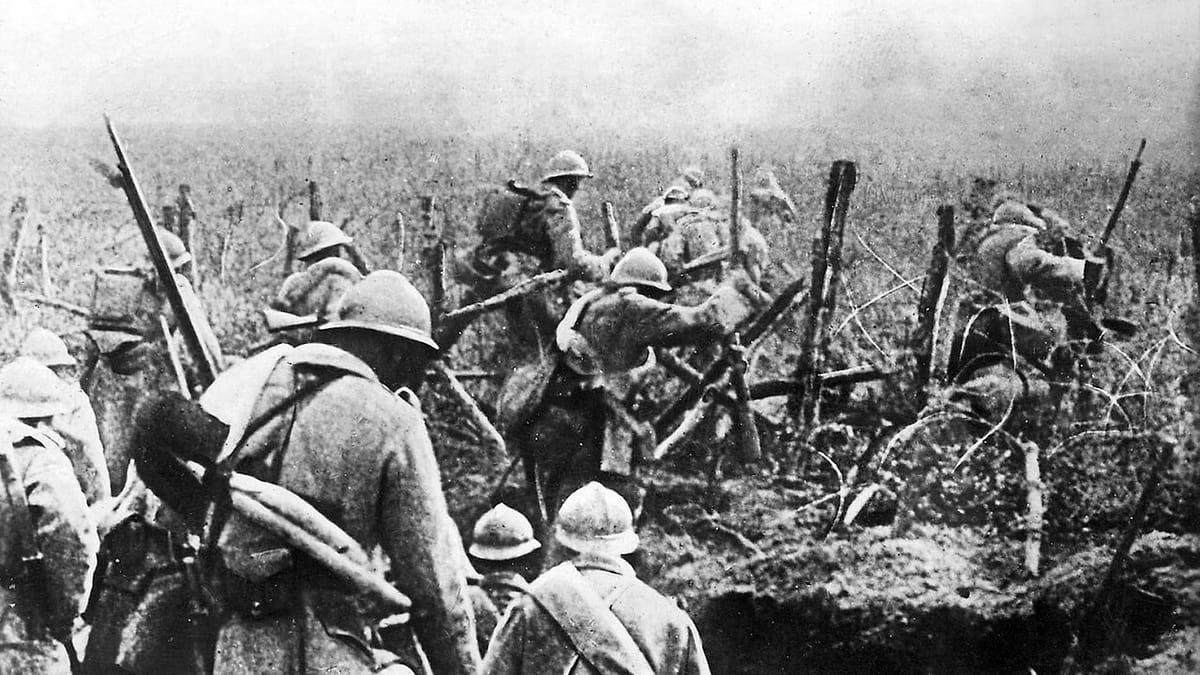
World War I Explained: Causes, Course and Consequences
The First World War (1914 to 1918) killed millions, destroyed four empires and redrew the map of Europe and the Middle East.
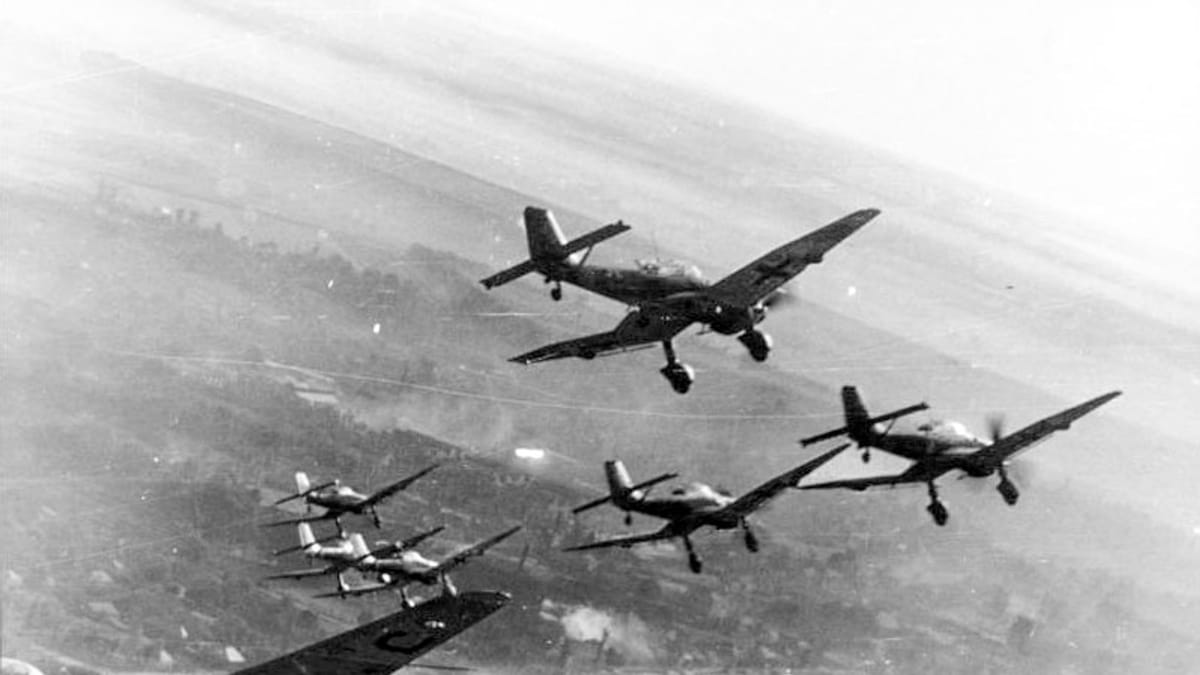
World War II Explained: The Deadliest Conflict in Human History
World War II (1939 to 1945) killed an estimated 70 to 85 million people and led to the founding of the United Nations.
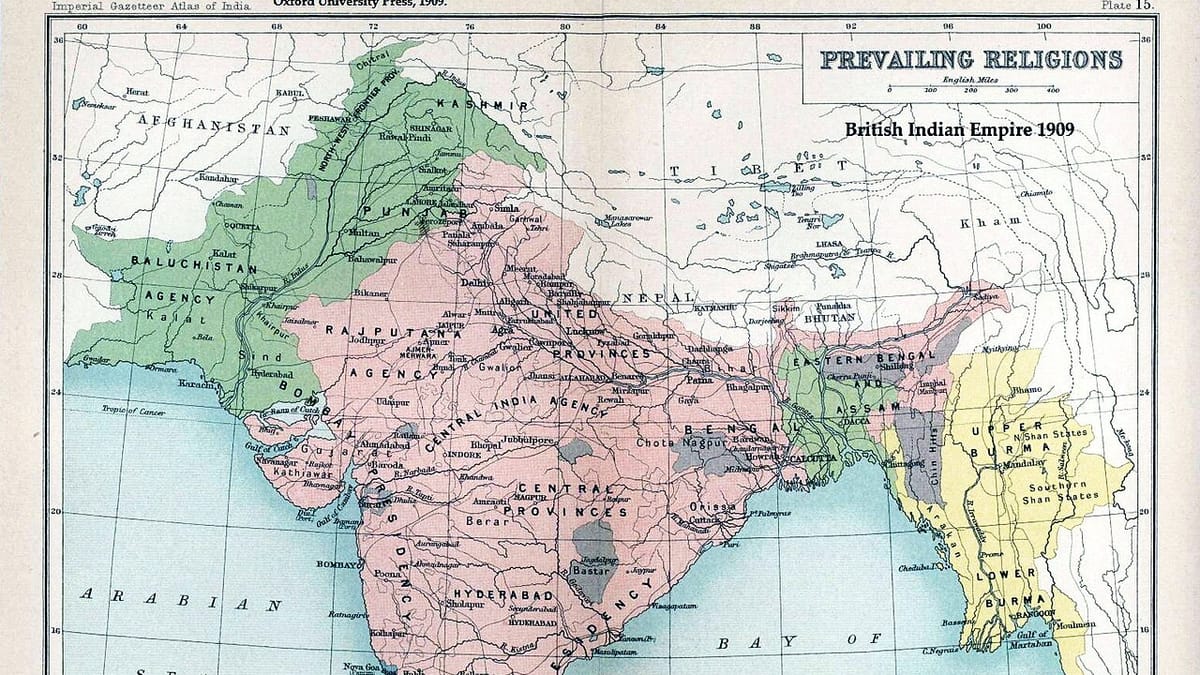
The Partition of India, 1947: How Two Nations Were Born in Bloodshed
The Partition of 1947 divided British India into India and Pakistan, displacing up to 15 million people and killing hundreds of thousands.
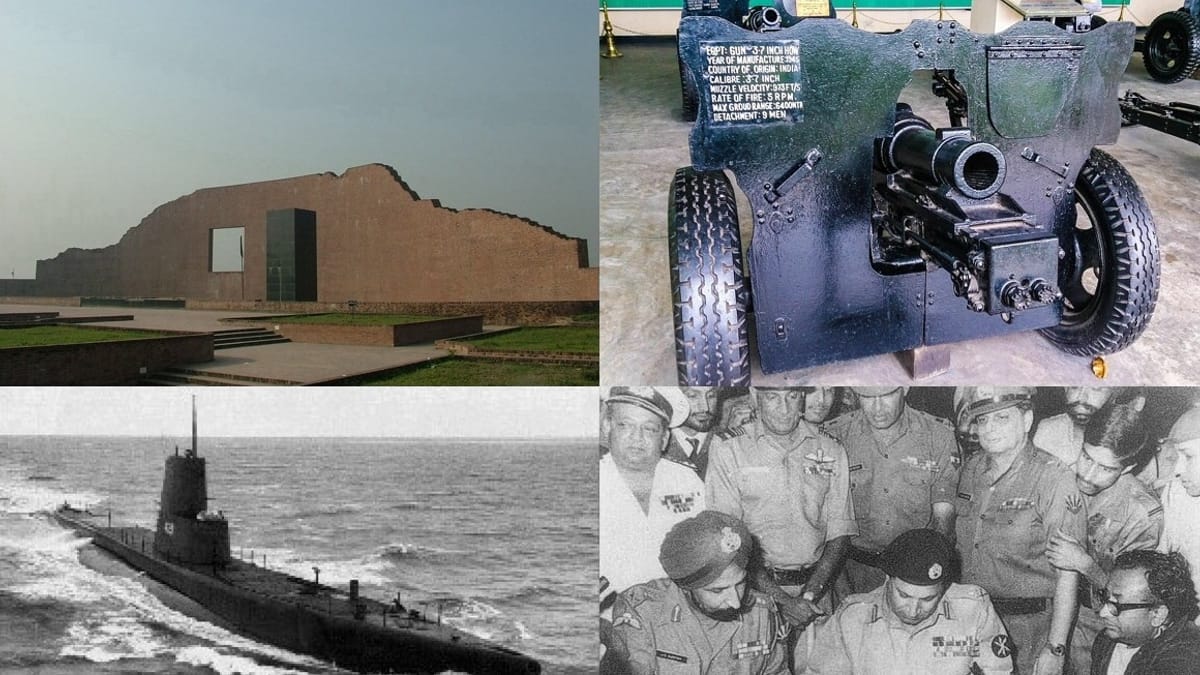
The 1971 War and the Birth of Bangladesh
In 1971 East Pakistan became Bangladesh after a military crackdown, a liberation war and Indian intervention.
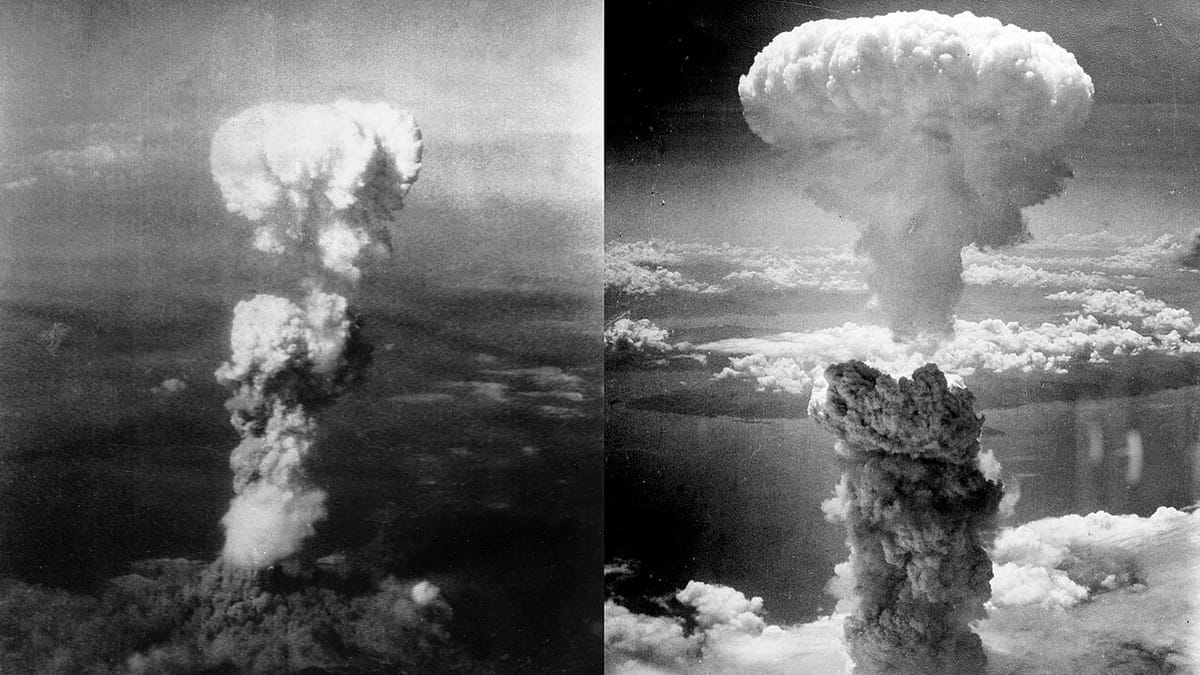
Hiroshima and Nagasaki: The Only Use of Nuclear Weapons in War
The United States dropped atomic bombs on Hiroshima on 6 August and Nagasaki on 9 August 1945. Japan announced its surrender days later.
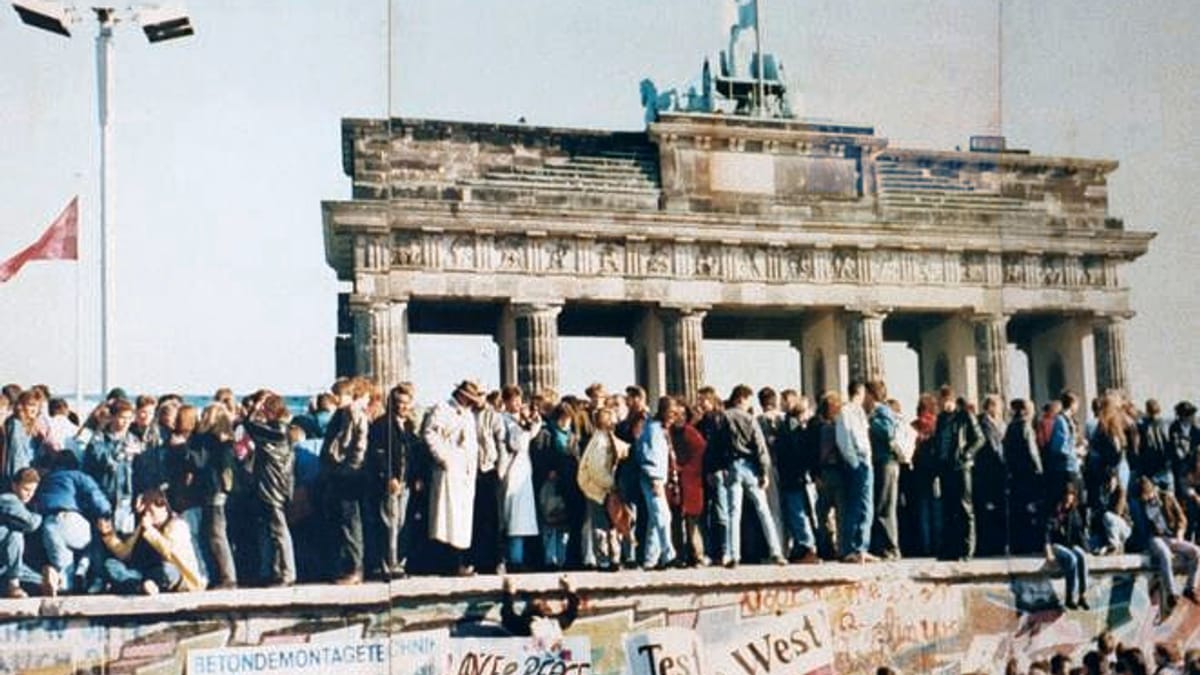
The Fall of the Berlin Wall: The Night the Cold War Cracked Open
The Berlin Wall, built in 1961 to stop East Germans fleeing west, was opened on 9 November 1989, leading to German reunification in 1990.
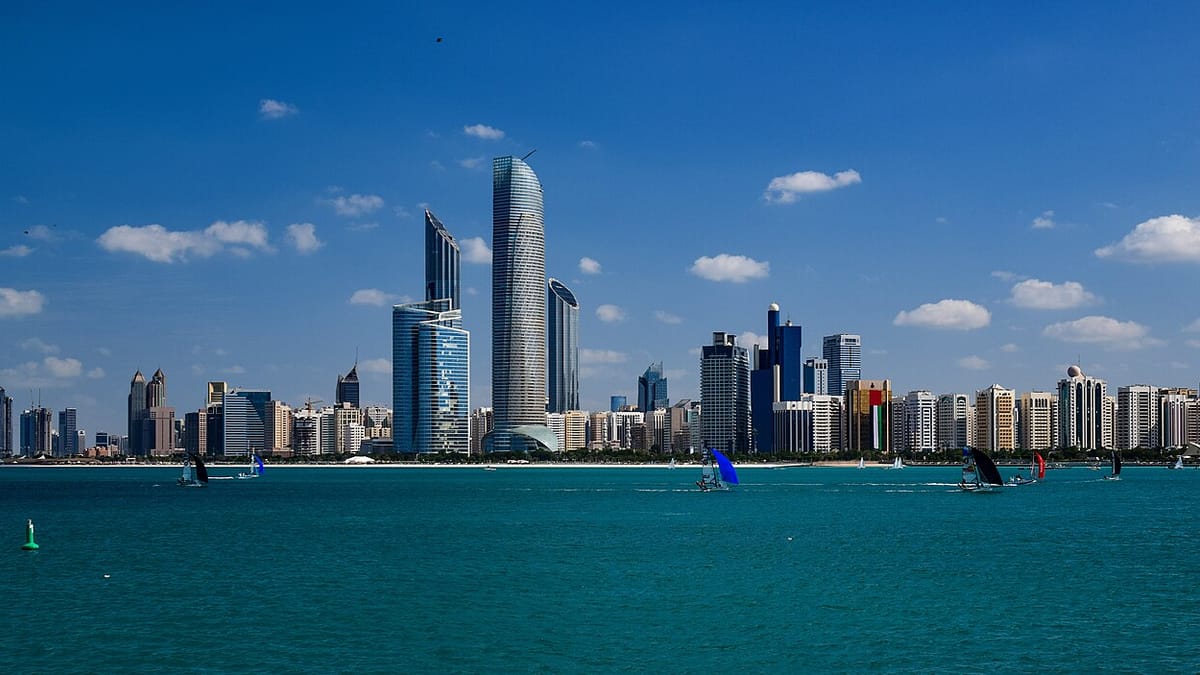
Russia, Ukraine and the US Sit Down in Abu Dhabi for First Talks in Nine Months
The first trilateral round since the Iran war stalled diplomacy opened in the UAE capital with security guarantees on the table and deep divisions over territory.
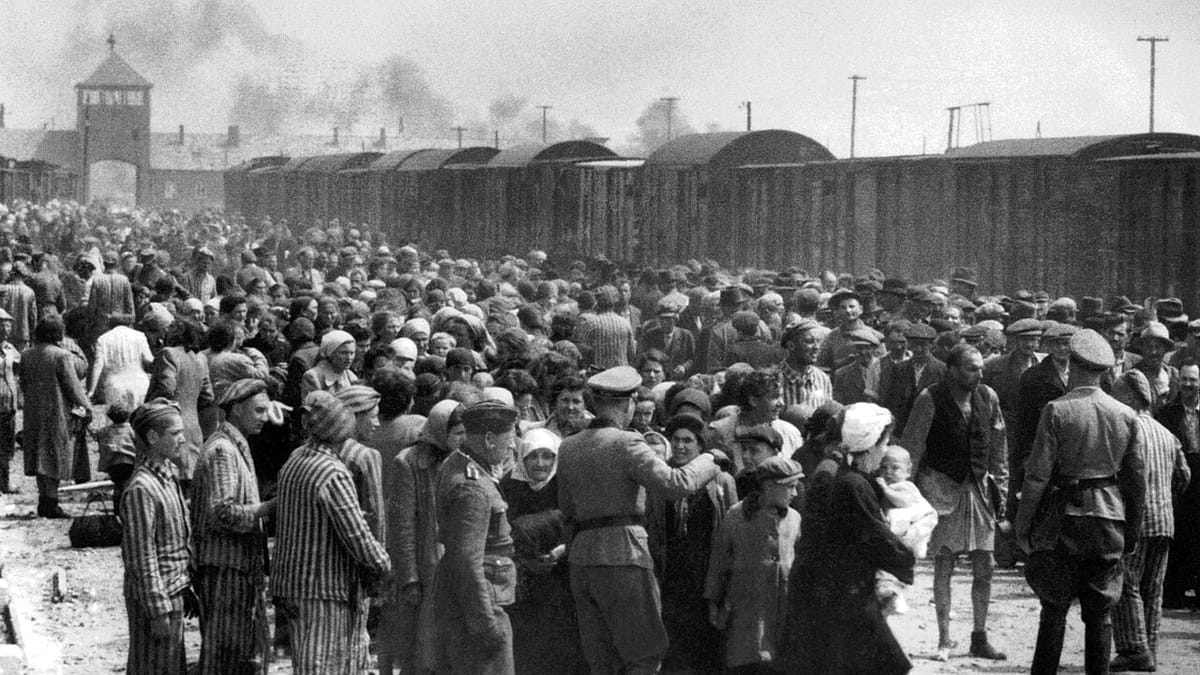
The Holocaust: Understanding the Genocide of European Jews
The Holocaust was the systematic, state-sponsored murder of six million Jews by Nazi Germany and its collaborators between 1941 and 1945.
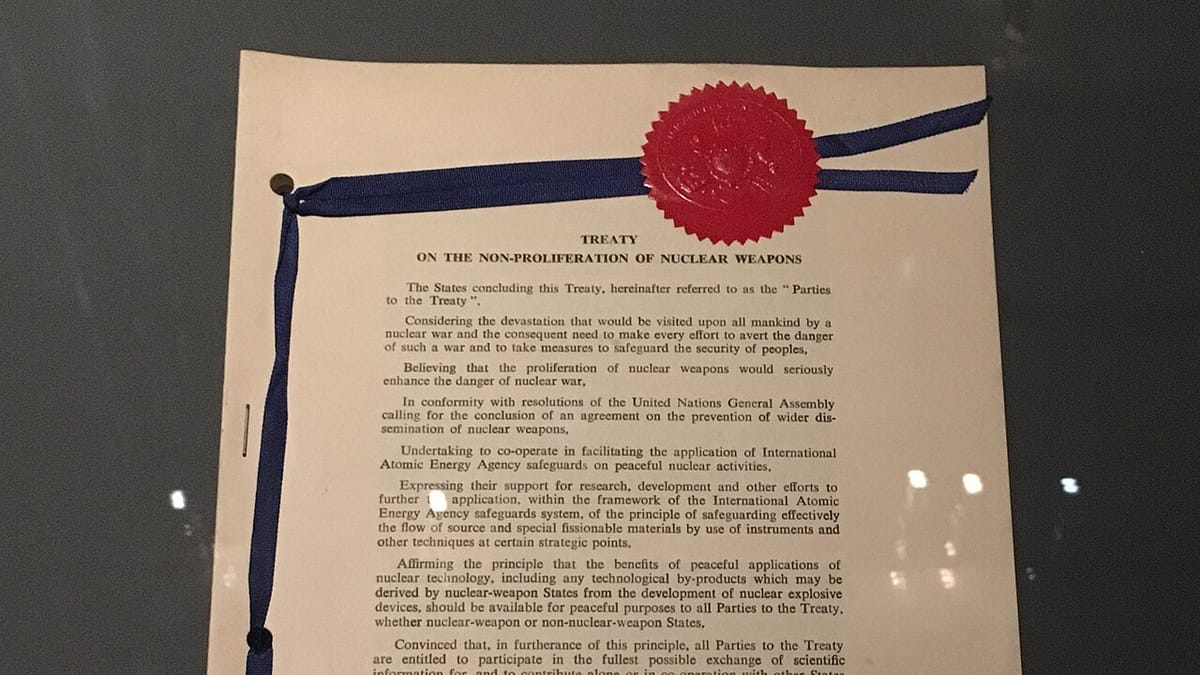
The Nuclear Non-Proliferation Treaty Explained
The NPT, in force since 1970, aims to stop the spread of nuclear weapons, promote disarmament and allow peaceful nuclear energy.
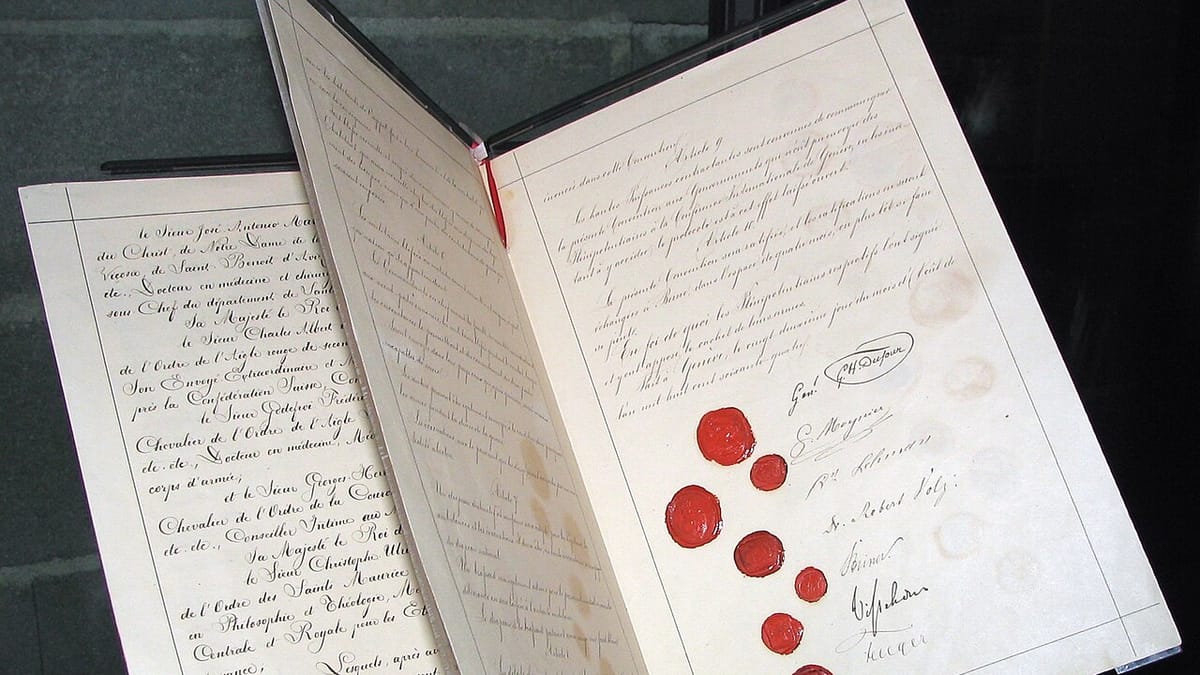
The Geneva Conventions Explained: The Rules of War
The four Geneva Conventions of 1949 and their protocols protect wounded soldiers, prisoners of war and civilians during armed conflict.
The Decolonisation of Africa: How a Continent Won Its Independence
Between the 1950s and 1970s most African countries won independence from European colonial rule, peacefully or through armed struggle.