

Human Rights & Justice
Rights, freedoms, accountability and the institutions meant to protect them.
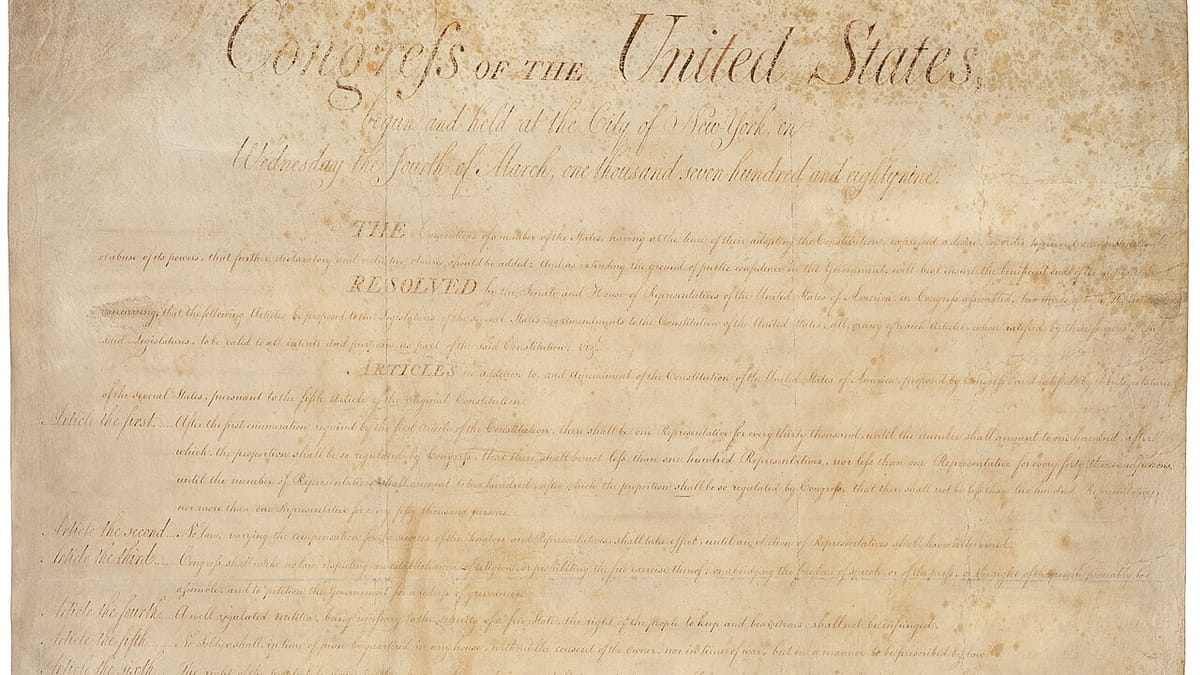
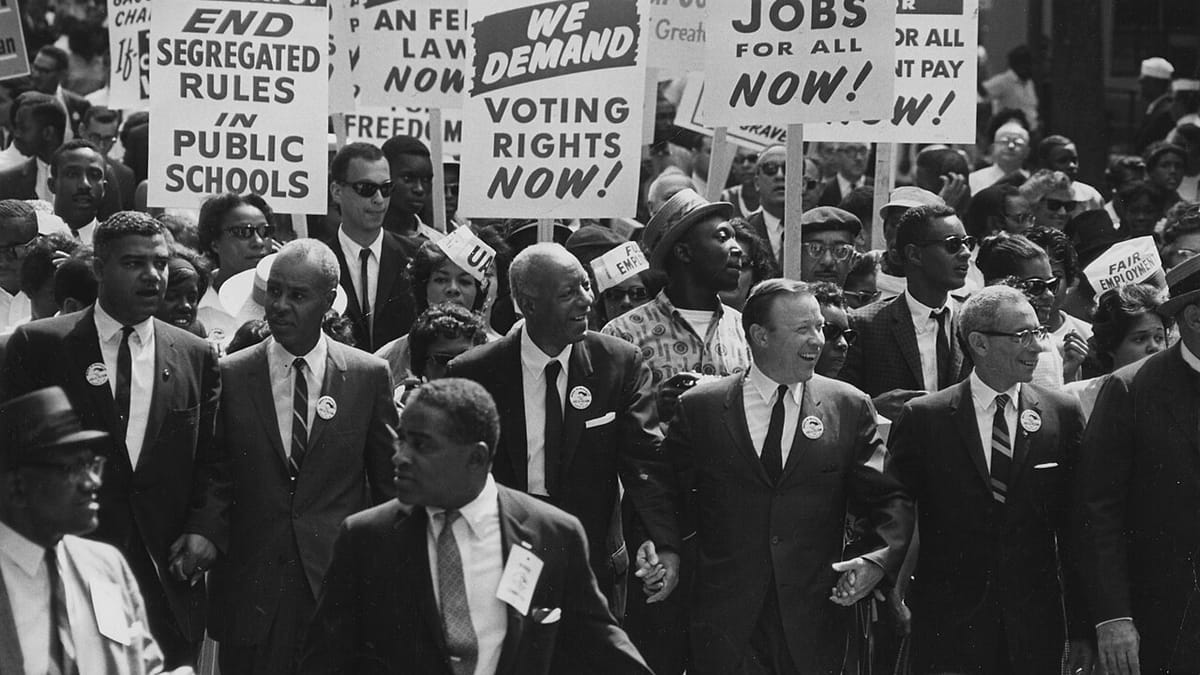
The American Civil Rights Movement Explained: From Brown to the Voting Rights Act
The civil rights movement used boycotts, marches and court cases to end legal segregation and secure voting rights for Black Americans.
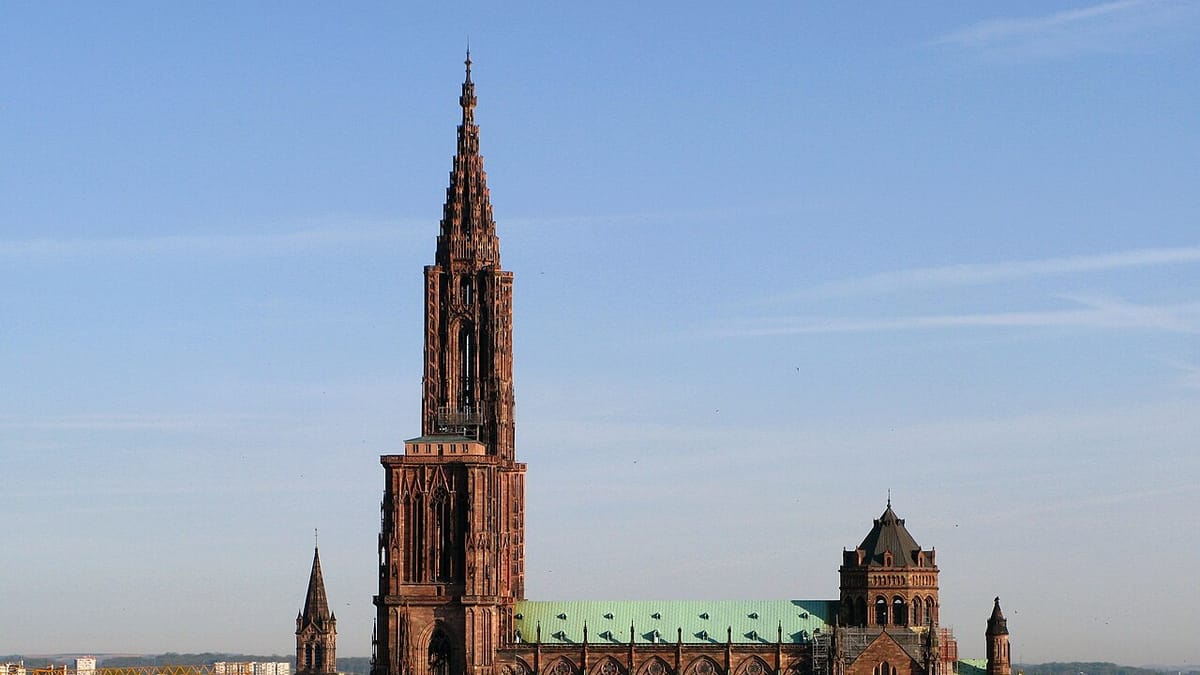
The European Convention and Court of Human Rights Explained
The European Court of Human Rights in Strasbourg enforces the European Convention on Human Rights for the 46 member states of the Council of Europe.
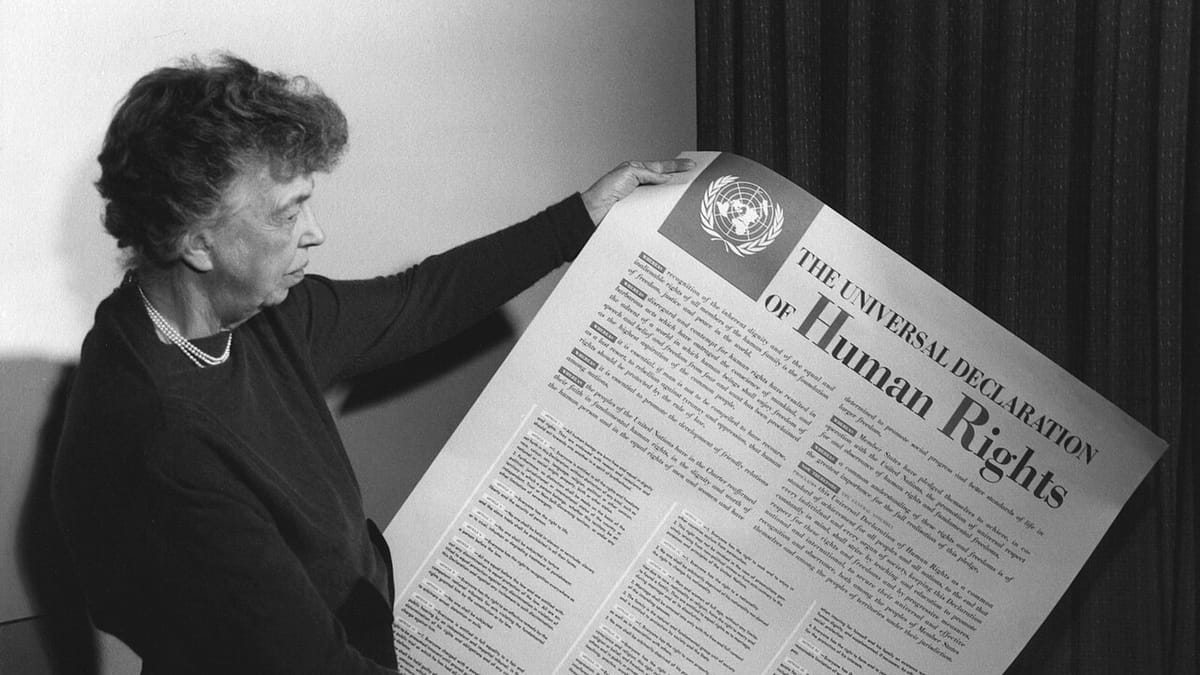
What Is the Universal Declaration of Human Rights? The Women and Men Who Wrote It
An explainer on the Universal Declaration of Human Rights: how it was written, what its 30 articles say, its legal status, and the women who shaped it.
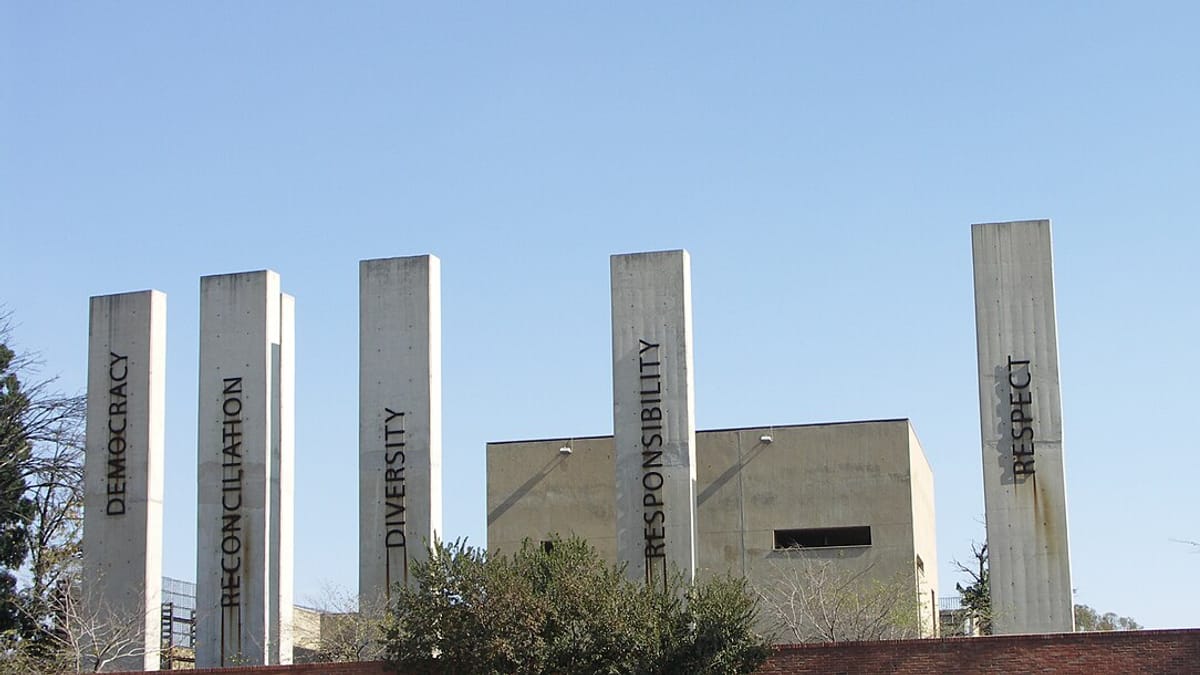
Apartheid in South Africa Explained
Apartheid was a system of institutionalised racial segregation in South Africa from 1948 until the early 1990s.
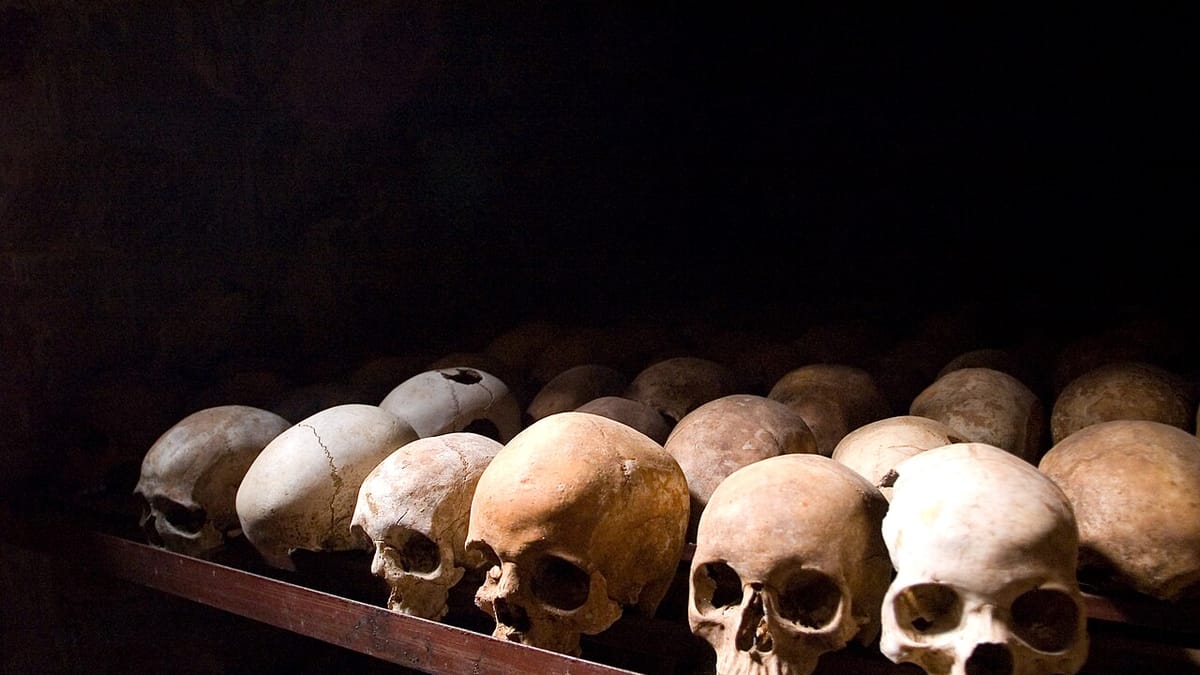
The Rwandan Genocide: One Hundred Days in 1994
Between April and July 1994, extremist Hutu forces killed an estimated 500,000 to 800,000 people, mostly Tutsi, in Rwanda.
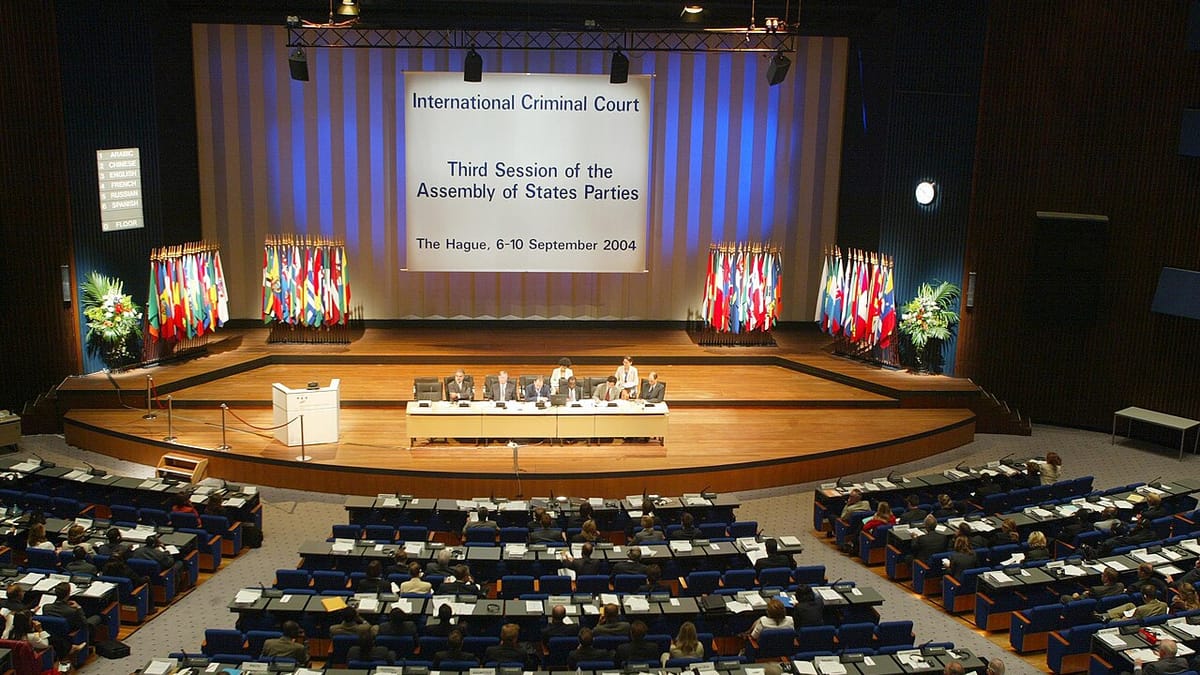
What Is the International Criminal Court?
The International Criminal Court in The Hague prosecutes individuals for genocide, war crimes, crimes against humanity and aggression.
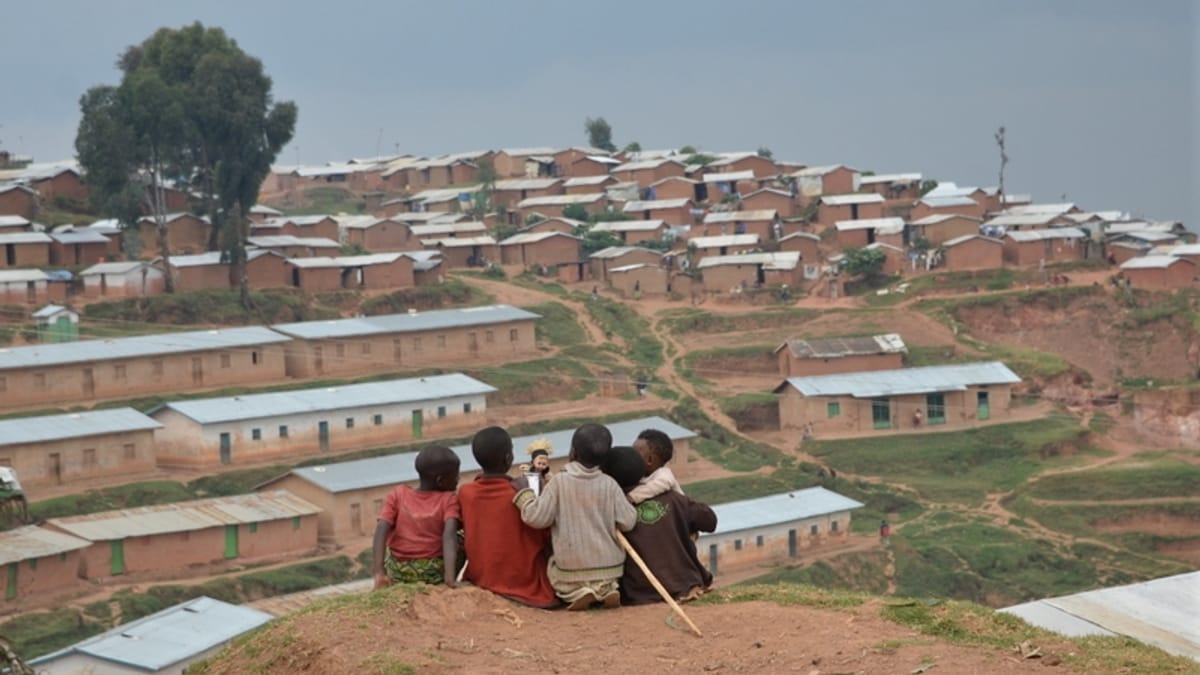
Who Is a Refugee? The 1951 Refugee Convention Explained
The 1951 Refugee Convention defines who is a refugee and forbids returning them to places where they face serious threats.
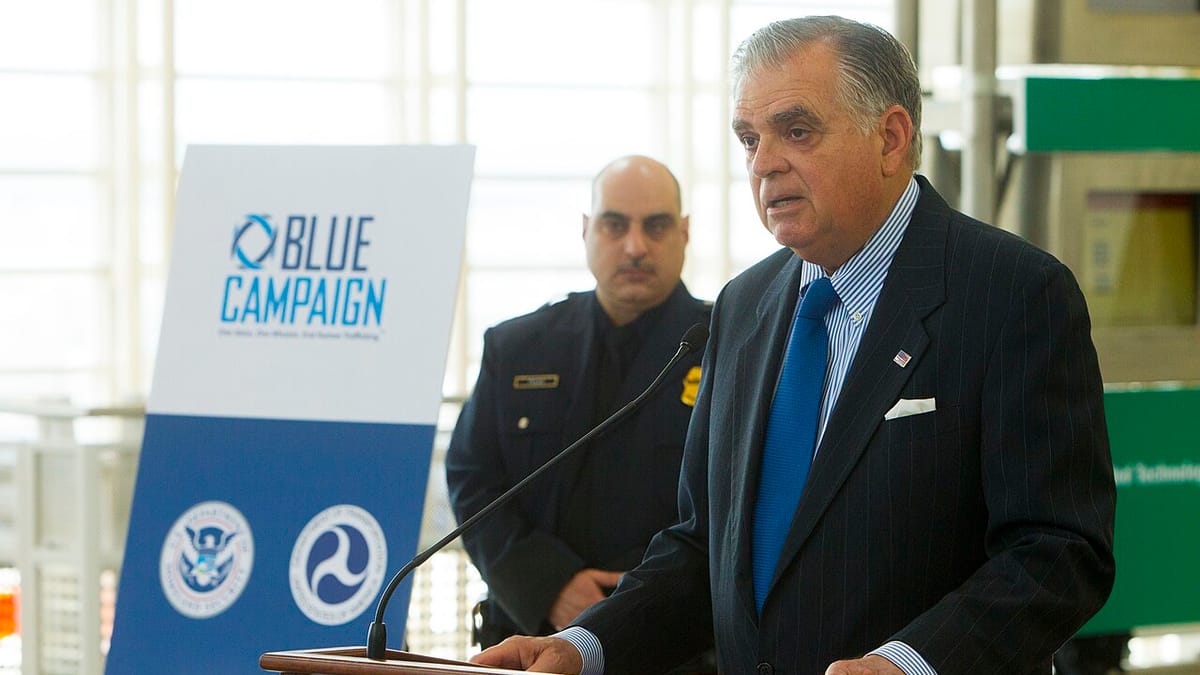
Human Trafficking Explained: Modern Slavery in the Twenty-First Century
Human trafficking is the exploitation of people through force, fraud or coercion, for labour, sex or other purposes.
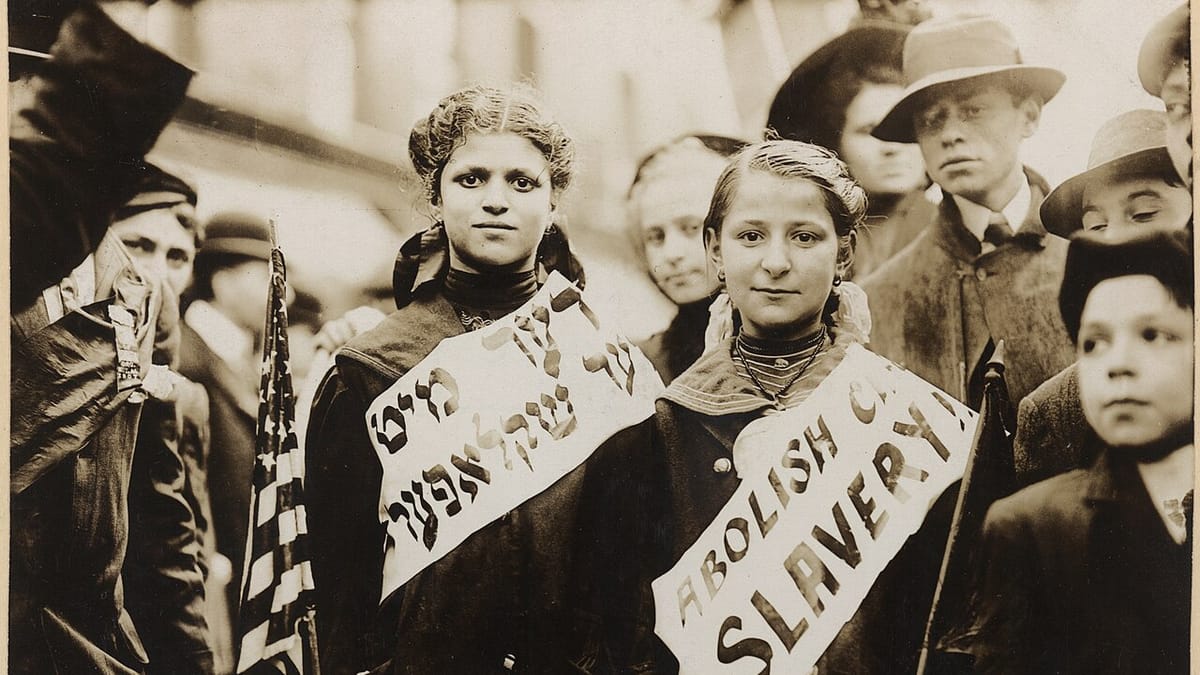
Child Labour Explained: What Counts, Why It Persists and What the Law Says
Child labour is work that harms children or keeps them from school. ILO conventions set minimum ages and ban its worst forms.
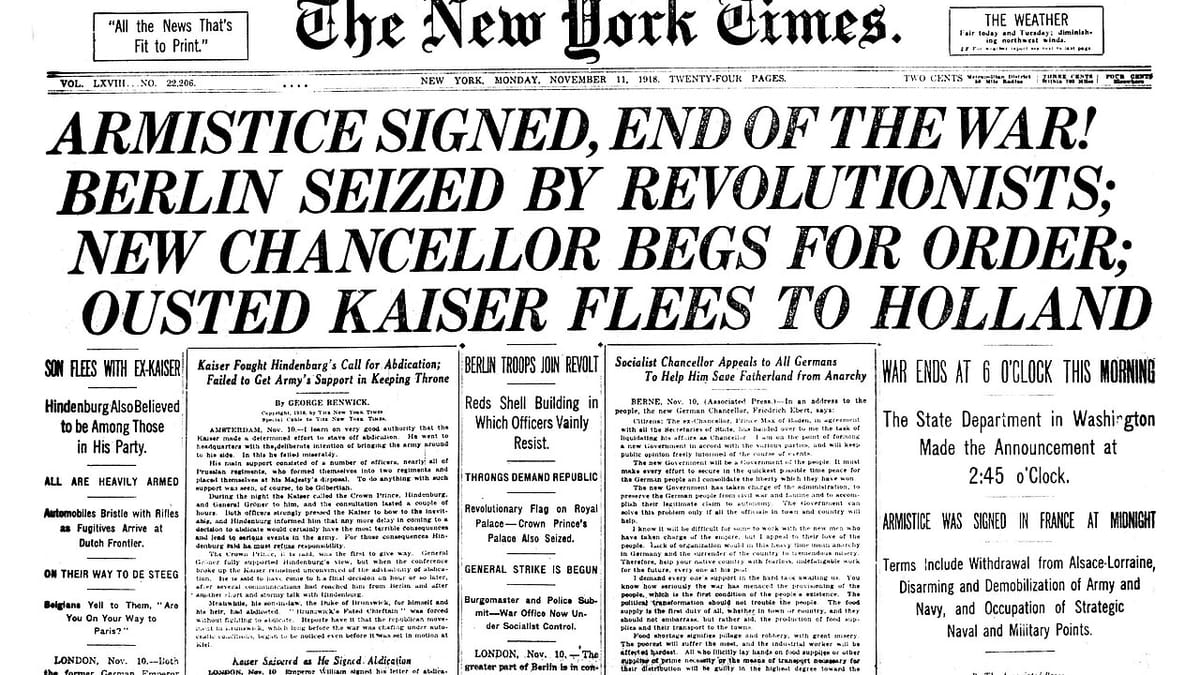
What Is Press Freedom and Why Does It Matter?
Press freedom protects journalists' ability to report without censorship, harassment or violence. It is essential to democracy and accountability.
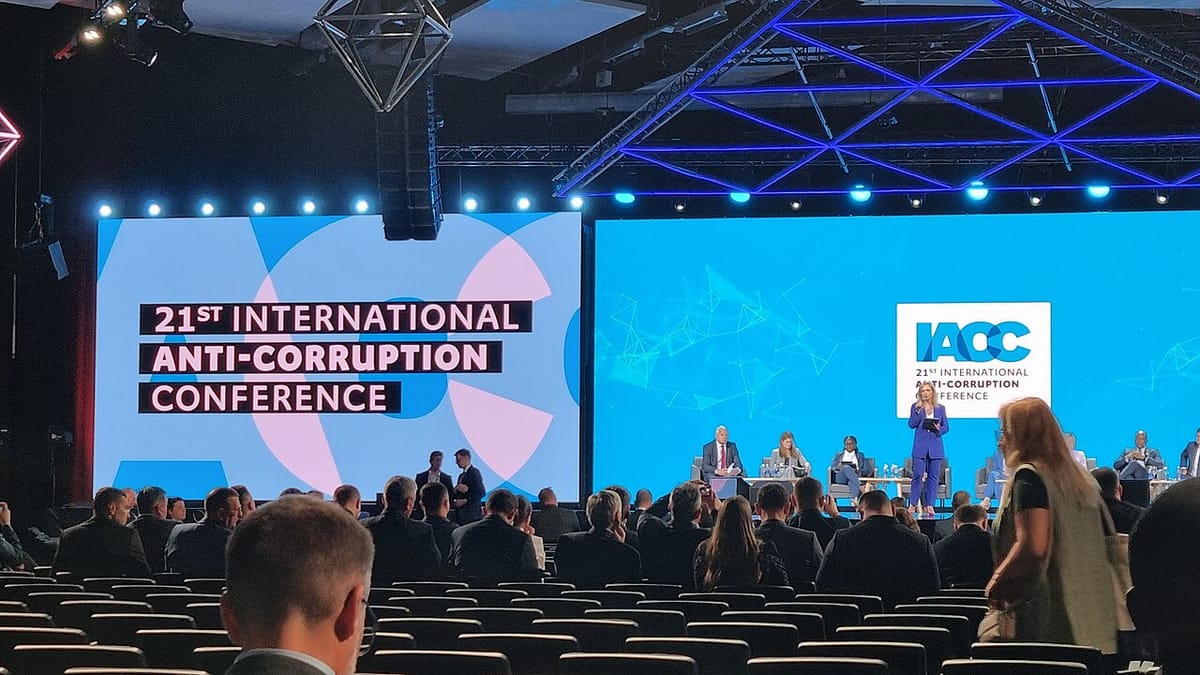
What Is Corruption and How Is It Measured?
Corruption is the abuse of entrusted power for private gain. Indexes such as Transparency International's CPI measure how corrupt public sectors are perceived to be.