The Vietnam War Explained: Causes, Key Events and Consequences
How a struggle against colonial rule became a Cold War battleground and the longest war in American history at the time.
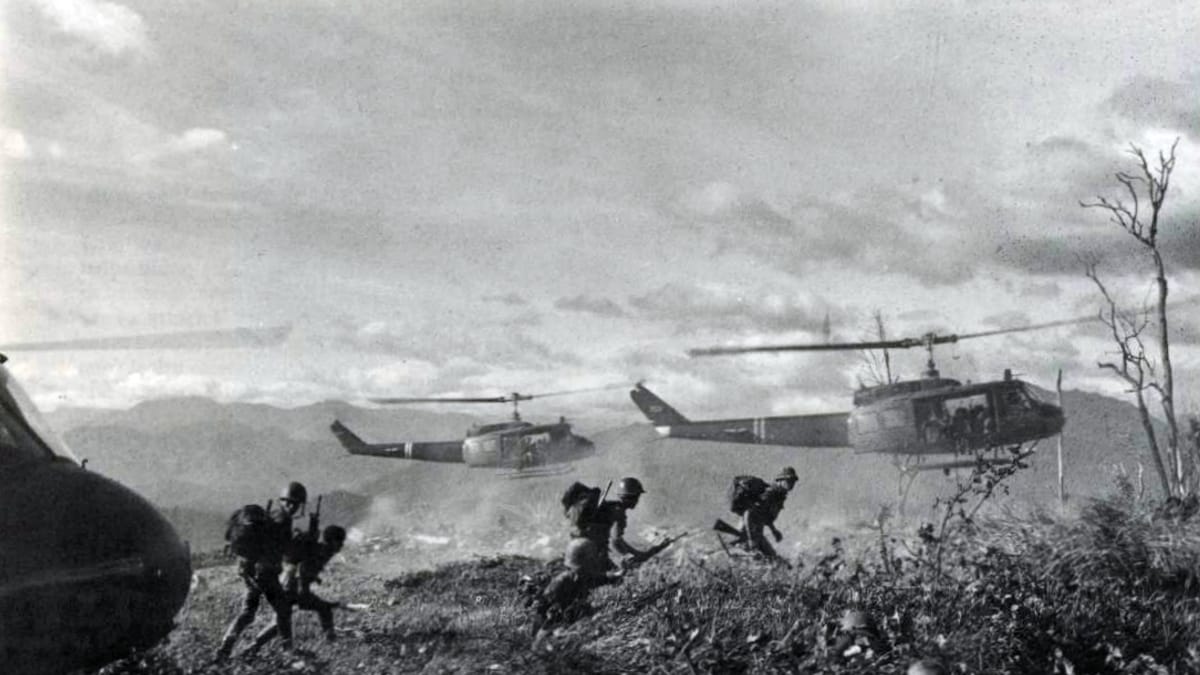
In brief: The Vietnam War was a conflict in Vietnam, Laos and Cambodia between communist North Vietnam and its southern allies, the Viet Cong, on one side, and South Vietnam and the United States on the other. American involvement grew through the 1950s and early 1960s and escalated sharply from 1965. The war ended when North Vietnamese forces captured Saigon on 30 April 1975. Vietnam was reunified in 1976.
From colonial war to Cold War
Vietnam was part of French Indochina. After the Second World War, Ho Chi Minh's Viet Minh fought for independence against France, winning a decisive victory at Dien Bien Phu in 1954. The Geneva Accords that year temporarily divided Vietnam at the 17th parallel, with elections planned for 1956. The elections never took place. The United States, fearing that communism would spread across Asia like falling dominoes, backed the anti-communist government in the South.
American escalation
After reported clashes between North Vietnamese boats and US destroyers in the Gulf of Tonkin in August 1964, Congress passed a resolution giving President Lyndon Johnson broad authority to use force. Bombing of the North began in 1965 and the first US combat troops landed that year. By 1969 more than 500,000 American troops were in Vietnam.
The Tet Offensive
In January 1968 the North Vietnamese and Viet Cong launched coordinated attacks on cities across the South during the Tet lunar new year holiday. Militarily the offensive was repelled at great cost, but it shocked the American public, which had been told the war was being won. Opposition grew, and Johnson decided not to seek re-election.
Withdrawal and defeat
President Richard Nixon pursued "Vietnamisation", withdrawing US troops while expanding bombing, including in Cambodia and Laos. The Paris Peace Accords of January 1973 ended direct US military involvement. Fighting continued, and in 1975 a North Vietnamese offensive overran the South. Saigon fell on 30 April 1975 and was renamed Ho Chi Minh City.
The cost
About 58,000 American service members died. Vietnamese deaths, civilian and military, are estimated at well over one million, with some estimates far higher. Cambodia and Laos were also devastated. The defoliant Agent Orange caused long-term health problems, and unexploded bombs still kill and injure people in the region.
Legacy
The war deeply divided American society, fuelled a global anti-war movement and made US leaders cautious about foreign interventions for years, a reluctance often called the "Vietnam syndrome". Photography and television brought the war into homes as never before, changing how wars are reported. Vietnam and the United States restored diplomatic relations in 1995.
Frequently Asked Questions
When did the Vietnam War end?
On 30 April 1975, when North Vietnamese forces captured Saigon.
Why did the United States fight in Vietnam?
US leaders believed that if South Vietnam fell to communism, other countries in South East Asia would follow, a fear known as the domino theory.