The Ottoman Empire: Six Centuries of History Explained
From a small frontier state to a world power spanning three continents, and its end after the First World War.
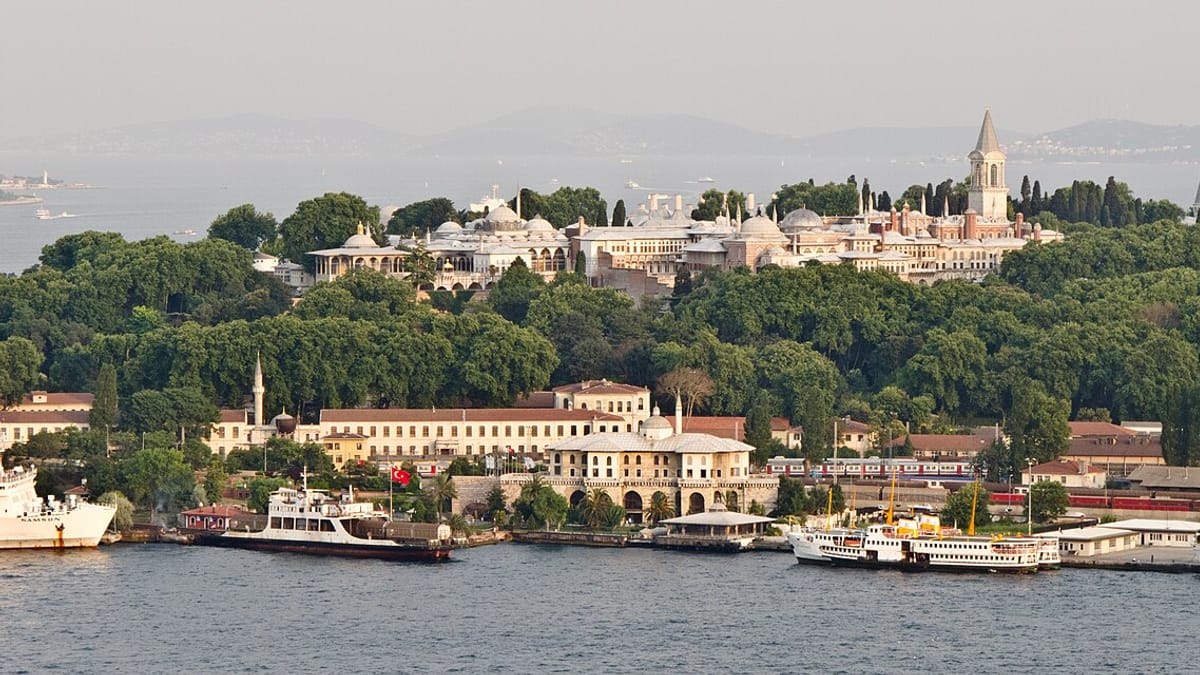
In brief: The Ottoman Empire was founded around 1299 by Osman I in north-western Anatolia and lasted until 1922. After conquering Constantinople in 1453, it became one of the most powerful states in the world, ruling large parts of south-eastern Europe, Western Asia and North Africa. Defeated in the First World War, it was dissolved, and the Republic of Turkey was founded in 1923.
Rise
The Ottomans began as one of several Turkish principalities on the frontier of the declining Byzantine Empire. They expanded into the Balkans in the fourteenth century. On 29 May 1453 Sultan Mehmed II captured Constantinople, ending the Byzantine Empire, and made the city, later known as Istanbul, his capital.
The height of power
Selim I conquered Syria, Egypt and the holy cities of Mecca and Medina in 1516 and 1517, after which Ottoman sultans increasingly claimed the title of caliph. His son Suleiman the Magnificent, who reigned from 1520 to 1566, expanded the empire into Hungary and laid siege to Vienna in 1529. In the Ottoman world he is known as Suleiman the Lawgiver for his legal reforms. His architect Mimar Sinan built hundreds of buildings, including the Süleymaniye Mosque in Istanbul.
How the empire was run
The empire was ruled by a sultan from the House of Osman, with a grand vizier heading the government. Religious communities, known as millets, had considerable autonomy over their own affairs. The elite Janissary infantry corps was recruited through the devshirme system, which took boys from Christian families. Women of the imperial household, such as Hürrem Sultan, wife of Suleiman, could wield significant political influence.
Decline and reform
The failed second siege of Vienna in 1683 marked the end of Ottoman expansion in Europe. Over the eighteenth and nineteenth centuries the empire lost territory to Russia, Austria and independence movements in the Balkans, and European powers took control of North African provinces. Reformers tried to modernise the state, notably during the Tanzimat period from 1839 to 1876, and the first Ottoman constitution was introduced in 1876.
The end
The empire entered the First World War on the side of Germany in 1914. During the war, the Ottoman government carried out the deportation and mass killing of Armenians, recognised by many historians and governments as genocide. After defeat, the Allies occupied Istanbul and planned to partition Anatolia. Turkish nationalists led by Mustafa Kemal fought a war of independence, the sultanate was abolished on 1 November 1922, the Republic of Turkey was proclaimed on 29 October 1923, and the caliphate was abolished on 3 March 1924.
The South Asian connection
The fate of the Ottoman caliphate moved Muslims in British India so strongly that it inspired the Khilafat Movement of 1919 to 1924, one of the largest political mobilisations of the colonial period.
Frequently Asked Questions
When did the Ottoman Empire end?
The sultanate was abolished on 1 November 1922, and the Republic of Turkey was proclaimed in October 1923.
When did the Ottomans conquer Constantinople?
On 29 May 1453, under Sultan Mehmed II.