The Cold War Explained: A Timeline from 1945 to 1991
How a wartime alliance became a forty-five-year standoff between two superpowers, and what it meant for the rest of the world, including Pakistan.
In brief: The Cold War was the rivalry between the United States and its allies and the Soviet Union and its allies from the end of the Second World War in 1945 until the Soviet Union dissolved in 1991. The two superpowers never fought each other directly, but competed through an arms race, ideological struggle, the space race and wars fought by proxy across Asia, Africa and Latin America.
Why it began
The United States and the Soviet Union were allies against Nazi Germany, but they had opposing political and economic systems: liberal capitalist democracy on one side and one-party communism on the other. As the war ended, disagreements over the future of Germany and Eastern Europe hardened into distrust. Soviet forces remained in the countries they had liberated, and communist governments were installed across Eastern Europe. In 1946 Winston Churchill described an "iron curtain" descending across the continent.
Timeline of key events
1945 to 1953: Lines are drawn
- 1945: The Yalta and Potsdam conferences decide the post-war order. The United States uses atomic bombs on Hiroshima and Nagasaki.
- 1947: The Truman Doctrine pledges US support to countries resisting communism. The Marshall Plan funds European recovery.
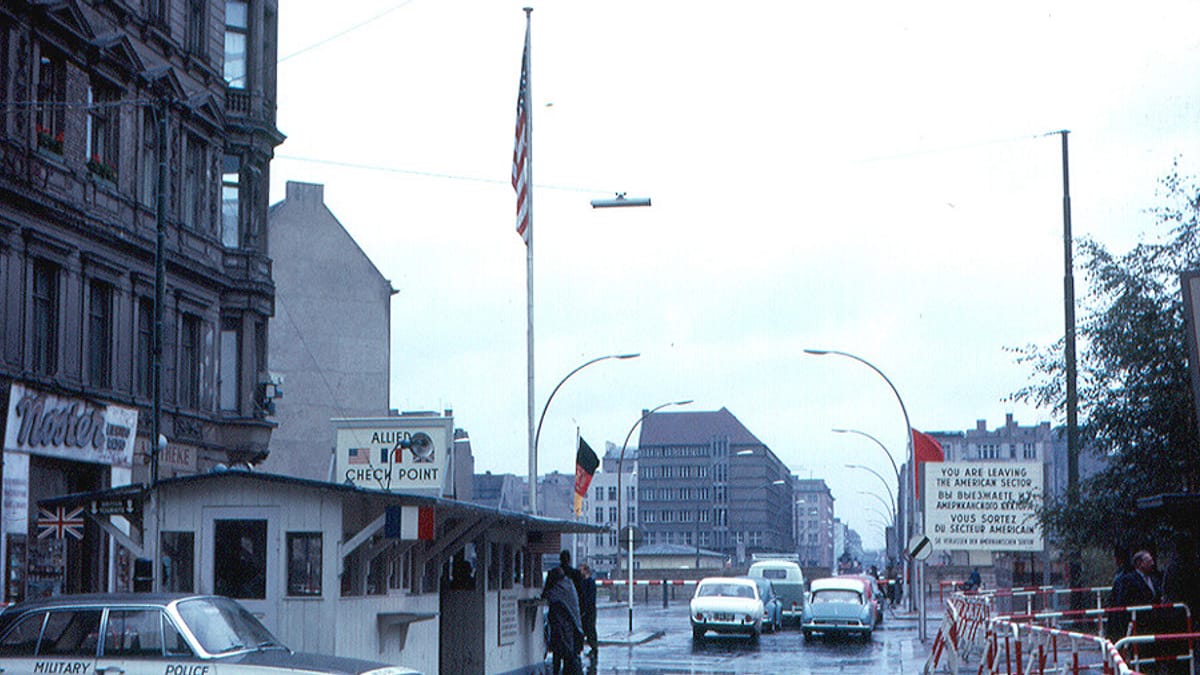
- 1948 to 1949: The Soviet Union blockades West Berlin; the Western allies supply the city by air for nearly a year in the Berlin Airlift.
- 1949: NATO is founded. The Soviet Union tests its first atomic bomb. Communists win China's civil war.
- 1950 to 1953: The Korean War, the first major armed conflict of the Cold War, ends in an armistice that still divides the peninsula.
1954 to 1969: Crisis and competition
- 1954 to 1955: Pakistan joins the US-led SEATO and Baghdad Pact (later CENTO) alliances. The Soviet Union and its allies form the Warsaw Pact.
- 1957: The Soviet Union launches Sputnik, the first artificial satellite, opening the space race.
- 1960: A US U-2 spy plane that took off from Pakistan is shot down over the Soviet Union.
- 1961: The Berlin Wall is built.
- 1962: The Cuban Missile Crisis brings the world closer to nuclear war than at any other time, before the Soviet Union agrees to withdraw missiles from Cuba.
- 1963: The Partial Test Ban Treaty ends nuclear tests in the atmosphere.
- 1965 to 1973: Large-scale US involvement in the Vietnam War.
- 1968: The Nuclear Non-Proliferation Treaty is signed. Soviet tanks crush the Prague Spring.
- 1969: US astronauts land on the Moon.
1970 to 1984: Détente and its collapse
- 1971 to 1972: Pakistan helps arrange secret US contacts with China, leading to President Nixon's visit to Beijing. The SALT I arms limitation agreement is signed.
- 1975: The Helsinki Final Act commits signatories, including the Soviet Union, to respect human rights.
- 1979: The Soviet Union invades Afghanistan. Pakistan becomes the main channel for US and Saudi support to the Afghan mujahideen and hosts millions of Afghan refugees.
1985 to 1991: The end
- 1985: Mikhail Gorbachev becomes Soviet leader and begins reforms known as glasnost (openness) and perestroika (restructuring).
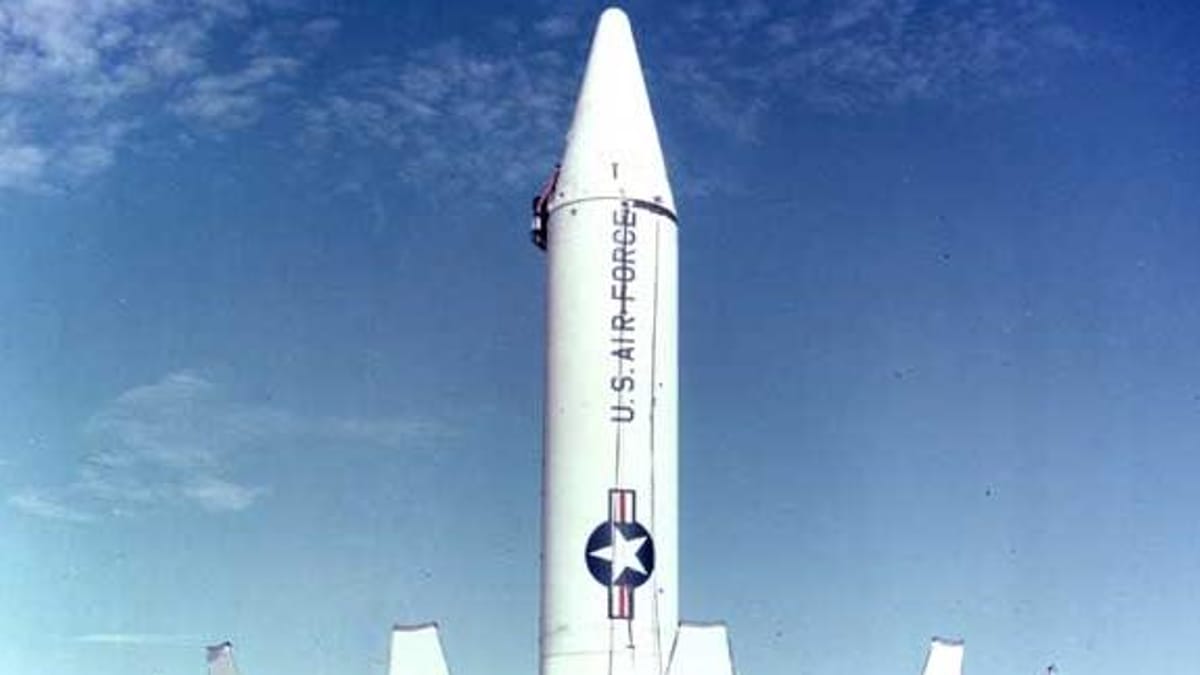
- 1987: The INF Treaty eliminates a whole class of nuclear missiles.
- 1988 to 1989: Soviet troops withdraw from Afghanistan.
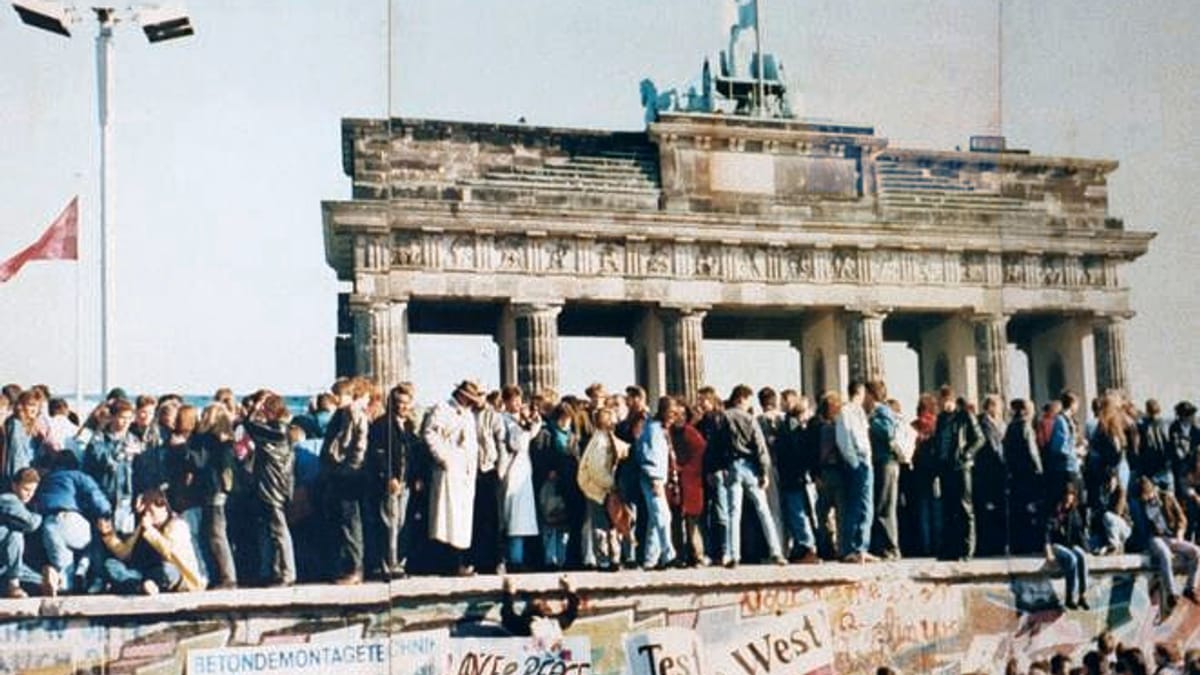
- 9 November 1989: The Berlin Wall falls. Communist governments across Eastern Europe collapse within months.
- 1990: Germany is reunified.
- 26 December 1991: The Soviet Union is formally dissolved.
The Cold War beyond Europe
For much of the world, the Cold War was not cold. Wars in Korea, Vietnam, Angola, Afghanistan and Central America killed millions, and both superpowers supported authoritarian governments when it suited them. Many newly independent countries tried to avoid choosing sides through the Non-Aligned Movement, founded in 1961.
Pakistan was deeply shaped by the era. Its alliances with the United States brought military and economic aid, while its role in the Afghan war of the 1980s left lasting consequences, including weapons proliferation, militancy and a long-term refugee population.
Why it still matters
NATO, nuclear arsenals, divided Korea and many of today's regional conflicts are legacies of the Cold War. Historians still debate its causes and who bears most responsibility, and those debates shape how countries understand rivalries today.
Frequently Asked Questions
When did the Cold War start and end?
It is generally dated from the end of the Second World War in 1945 to the dissolution of the Soviet Union on 26 December 1991.
Why was it called the Cold War?
Because the United States and the Soviet Union never fought each other directly. They competed through an arms race, alliances and proxy wars instead.
What was Pakistan's role in the Cold War?
Pakistan allied with the United States through SEATO and CENTO, helped open US contacts with China in 1971, and was the main channel for support to Afghan fighters after the 1979 Soviet invasion.
Sources and References
- The Cuban Missile Crisis, October 1962, Office of the Historian, US Department of State
- Cold War, Wikipedia (overview and further reading)