The Marshall Plan Explained: How America Helped Rebuild Europe
The 1948 aid program that revived Western Europe's economies and shaped the Cold War.
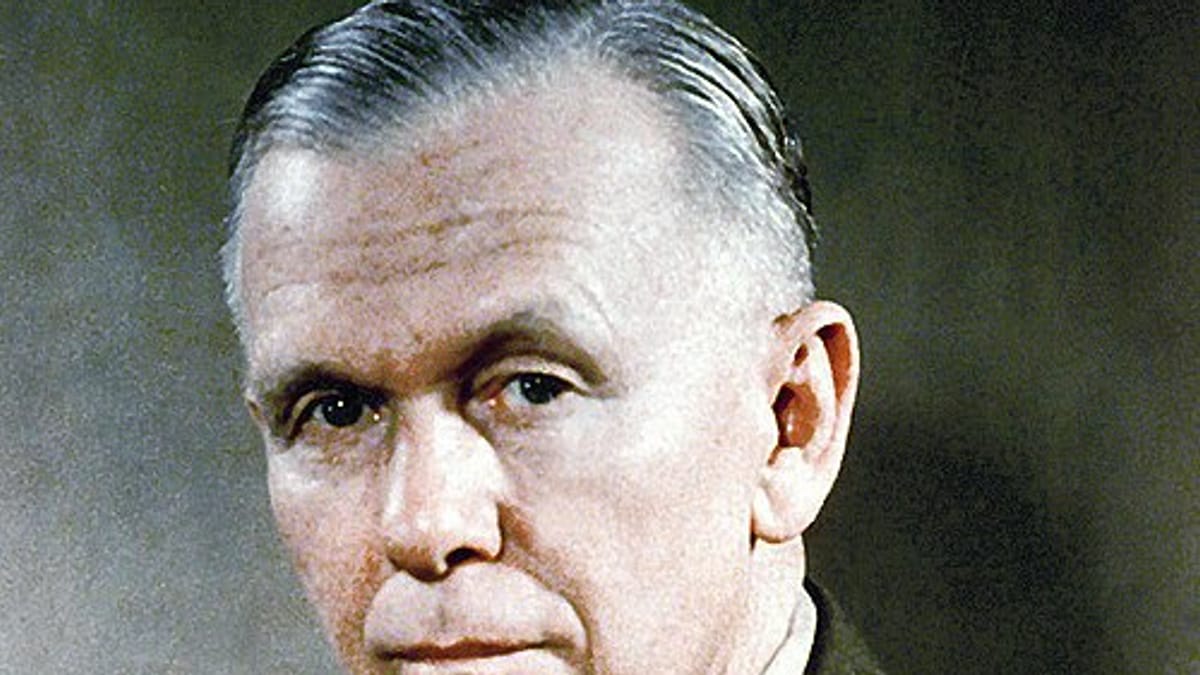
In brief: The Marshall Plan, officially the European Recovery Program, was an American initiative that provided about 13 billion US dollars, equivalent to well over 150 billion dollars today, to help rebuild Western European economies after the Second World War. Proposed by Secretary of State George C. Marshall in 1947 and running from 1948 to 1952, it boosted recovery, encouraged European economic cooperation and helped draw the battle lines of the Cold War.
Europe in 1947
Two years after the war ended, much of Europe was still in ruins. Cities, factories, railways and bridges had been destroyed, and the harsh winter of 1946 to 1947 brought food and fuel shortages. Economies were struggling, and American officials feared that poverty and despair would strengthen communist parties, particularly in France and Italy, and open the door to Soviet influence.
The Harvard speech
On June 5, 1947, in a commencement address at Harvard University, Marshall proposed that the United States help Europe recover, saying American policy was directed "not against any country or doctrine but against hunger, poverty, desperation and chaos." He asked European countries to draw up a joint plan. Congress approved the program in the Economic Cooperation Act, signed by President Harry Truman in April 1948.
How it worked
Sixteen countries, later joined by West Germany, received aid. The largest recipients were the United Kingdom, France, West Germany and Italy. Much of the aid came as grants to buy American goods such as food, fuel, machinery and raw materials. The local currency that European governments received when they sold these goods to businesses, known as counterpart funds, was used for investment in infrastructure and industry. The Organisation for European Economic Co-operation (OEEC) was set up to coordinate the program; in 1961 it became the Organisation for Economic Co-operation and Development (OECD).
The Soviet response
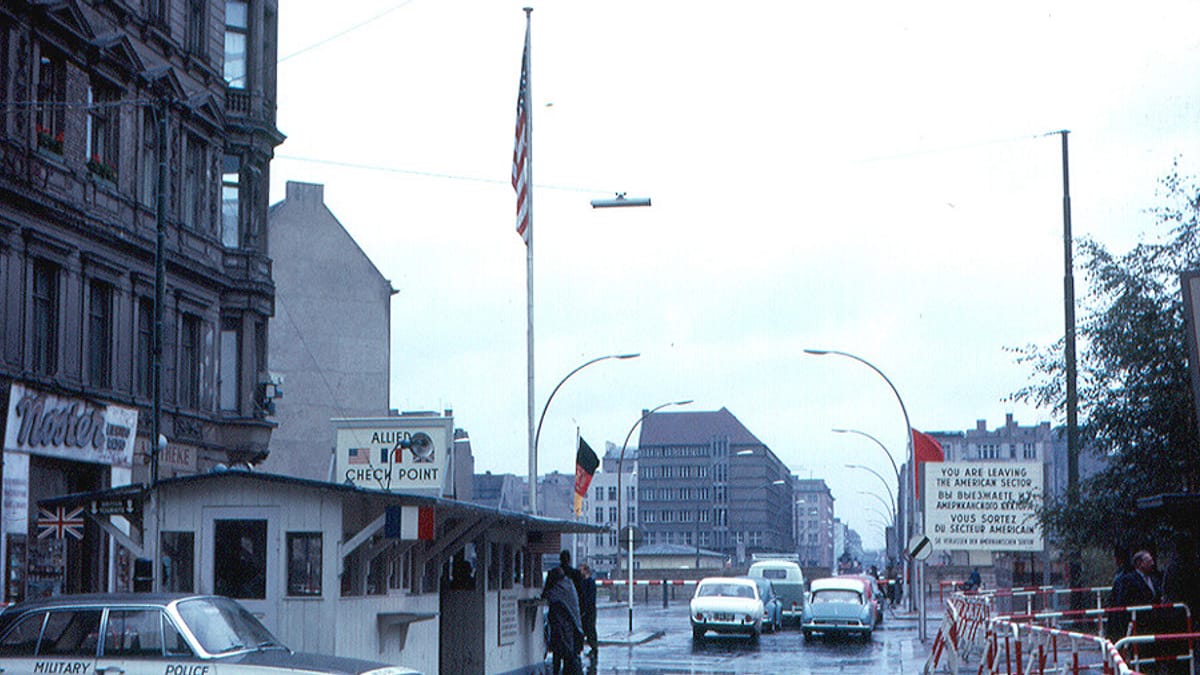
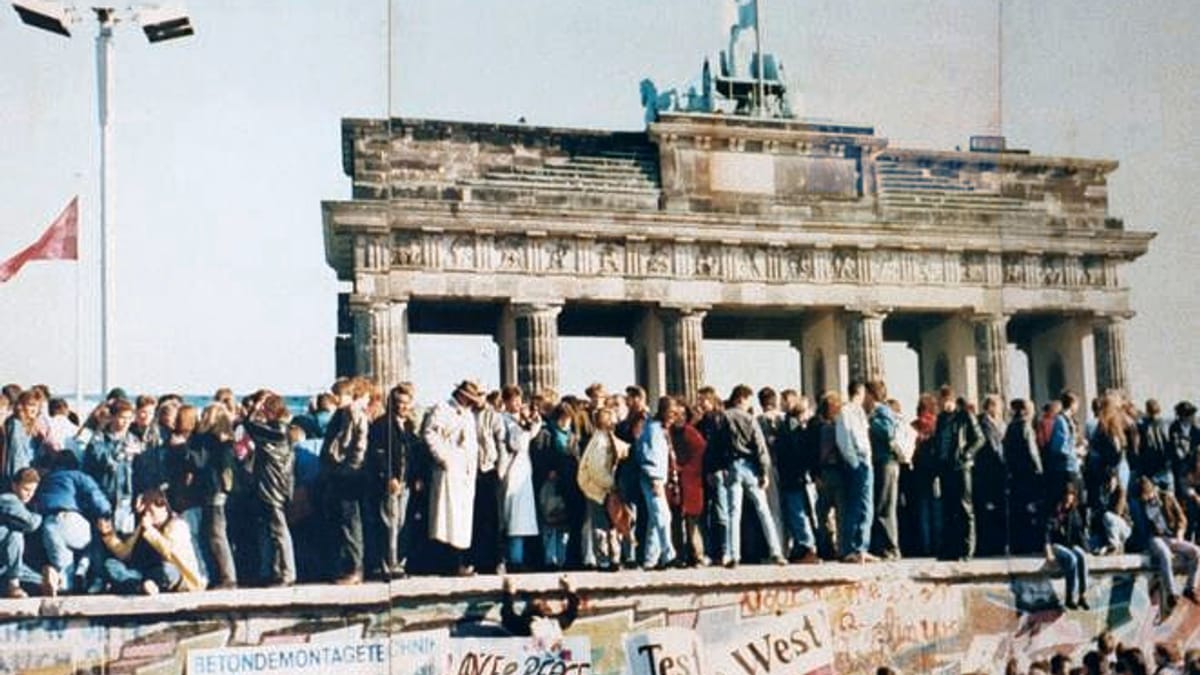
The aid was also offered to the Soviet Union and Eastern Europe, but Stalin rejected it and pressured countries such as Czechoslovakia and Poland, which had shown interest, to refuse. The Soviet Union created its own economic bloc, Comecon, in 1949. The plan thus deepened the division of Europe into East and West.
Results
Western European industrial production rose substantially above prewar levels by the early 1950s. Historians debate how much of this was due to the Marshall Plan itself, since recovery was already under way in some countries and the aid was a small share of their total economies. Most agree that it eased critical shortages, restored confidence, supported political stability and encouraged the cooperation that led to the European Coal and Steel Community in 1951 and eventually the European Union.
Legacy
Marshall was awarded the Nobel Peace Prize in 1953, the first professional soldier to receive it. The phrase "a Marshall Plan for..." is still used for proposals for large-scale reconstruction, most recently in discussions about rebuilding Ukraine.
Frequently Asked Questions
How much money was the Marshall Plan?
About 13 billion US dollars between 1948 and 1952, worth well over 150 billion dollars today.
Why did the Soviet Union reject the Marshall Plan?
Stalin saw it as a tool of American influence and pressured Eastern European countries to refuse it.