Hiroshima and Nagasaki: The Only Use of Nuclear Weapons in War
In August 1945 two bombs killed more than 100,000 people and changed the world.
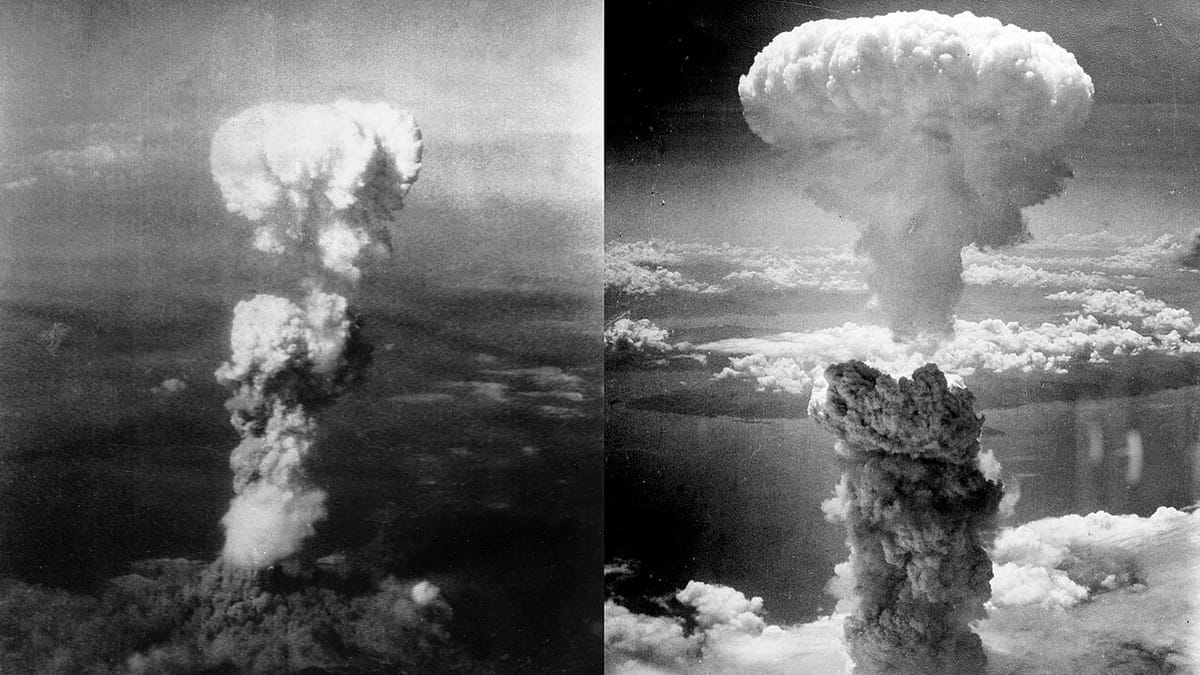
In brief: On 6 August 1945 the United States dropped an atomic bomb on the Japanese city of Hiroshima, and on 9 August a second on Nagasaki. Between roughly 110,000 and 210,000 people died by the end of that year, most of them civilians. Japan announced its surrender on 15 August. They remain the only nuclear weapons ever used in war.
The Manhattan Project
Fearing that Nazi Germany might build an atomic bomb, the United States, with Britain and Canada, launched the Manhattan Project. Scientists led by J. Robert Oppenheimer at Los Alamos tested the first nuclear weapon in the New Mexico desert on 16 July 1945.
The bombings
The bomb dropped on Hiroshima by the B-29 bomber Enola Gay, nicknamed "Little Boy", used uranium. The Nagasaki bomb, "Fat Man", used plutonium. The blasts and firestorms destroyed most of both cities. Many more people died in the following weeks and years from burns, injuries and radiation sickness.
The debate
Supporters of the decision argue that the bombings ended the war quickly and avoided an invasion of Japan that would have cost many more lives. Critics argue that Japan was close to surrender, that the Soviet Union's entry into the war on 8 August was decisive, and that deliberately targeting cities full of civilians was morally wrong. Historians continue to debate these questions.
Legacy
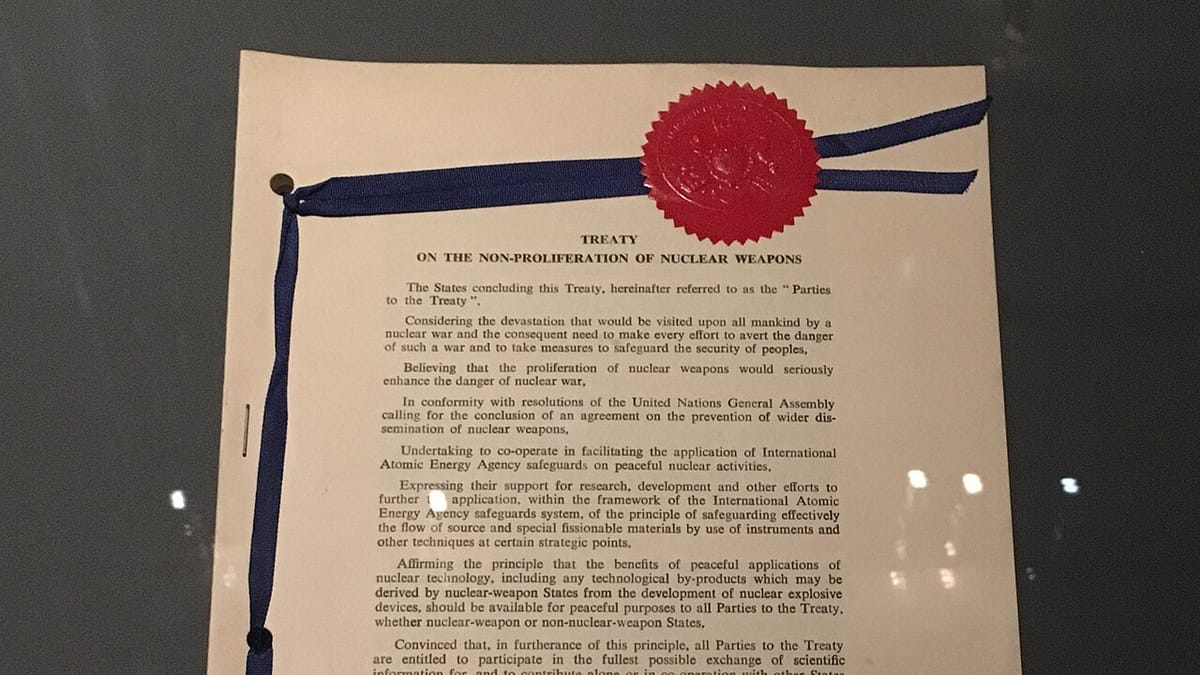
The bombings began the nuclear age and the arms race of the Cold War. Survivors, known as hibakusha, have campaigned for decades for nuclear disarmament. See our explainer on the Nuclear Non-Proliferation Treaty.
Frequently Asked Questions
How many people died at Hiroshima and Nagasaki?
Estimates are that between about 110,000 and 210,000 people died by the end of 1945, most of them civilians.
Who are hibakusha?
Survivors of the atomic bombings. In 2024 the hibakusha organisation Nihon Hidankyo received the Nobel Peace Prize.