

World & Politics
Global news, elections, governments and the forces shaping international affairs.
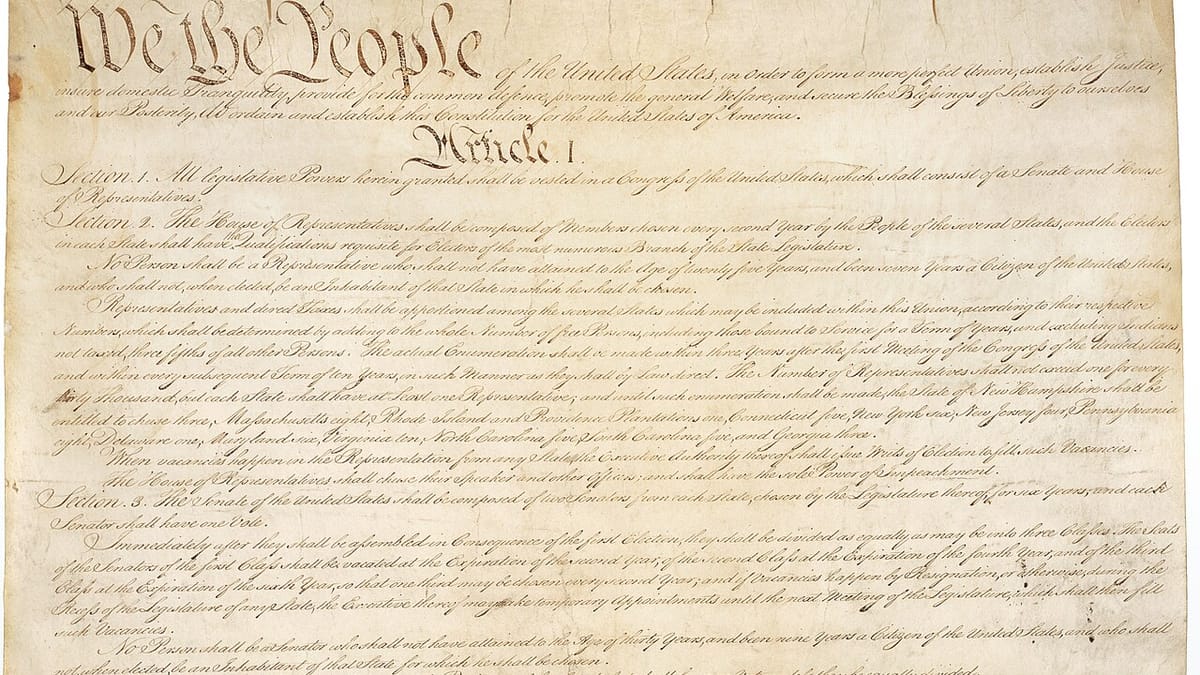
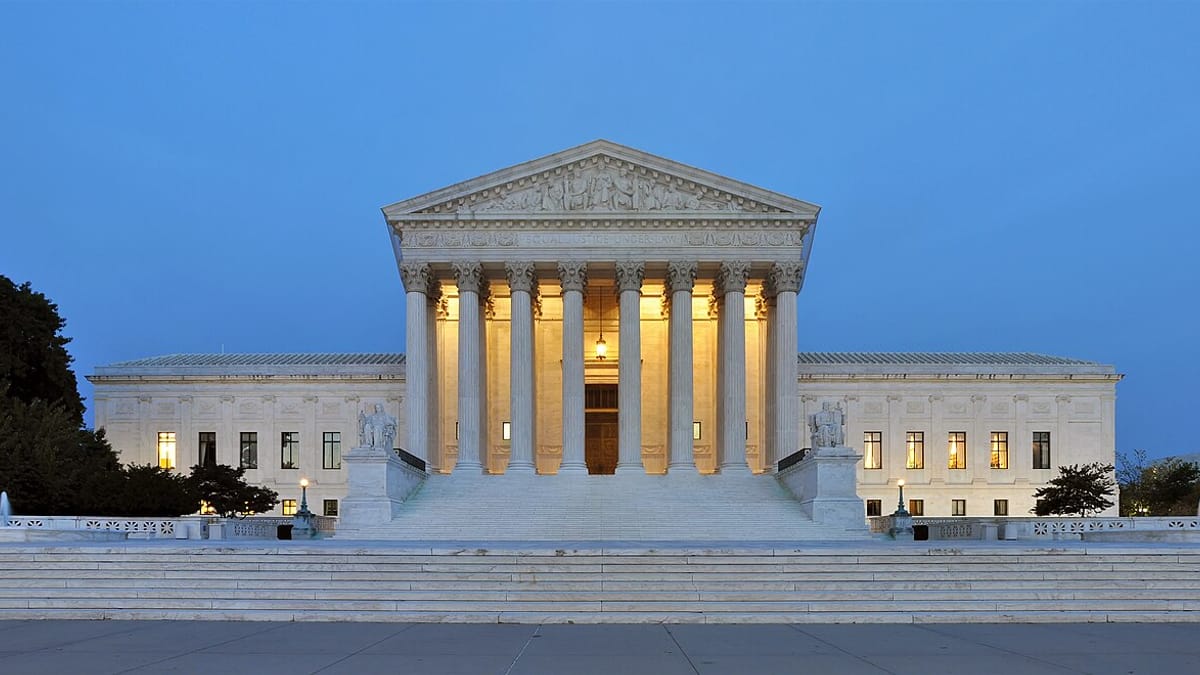
How the US Supreme Court Works: Justices, Cases and Landmark Rulings
The Supreme Court is the highest court in the United States. It hears around 60 cases a year and can strike down laws that violate the Constitution.
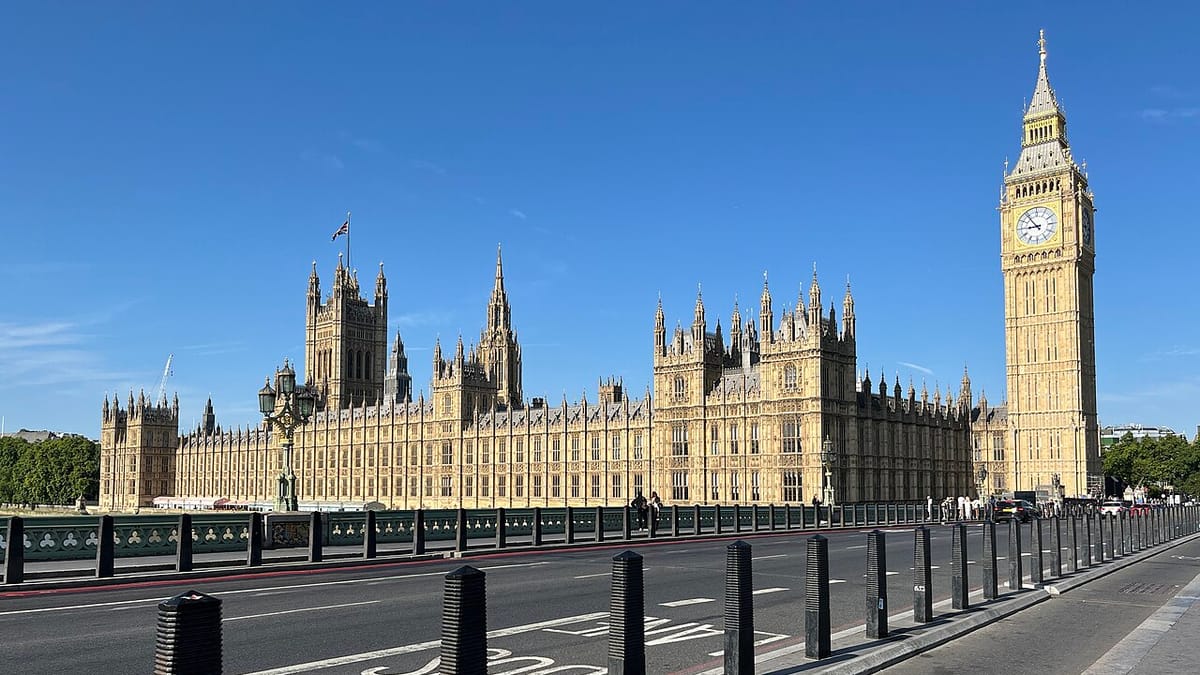
Brexit Explained: Why Britain Left the European Union and What Happened Next
The United Kingdom voted to leave the EU in June 2016 by 51.9 percent to 48.1 percent and formally left on January 31, 2020.
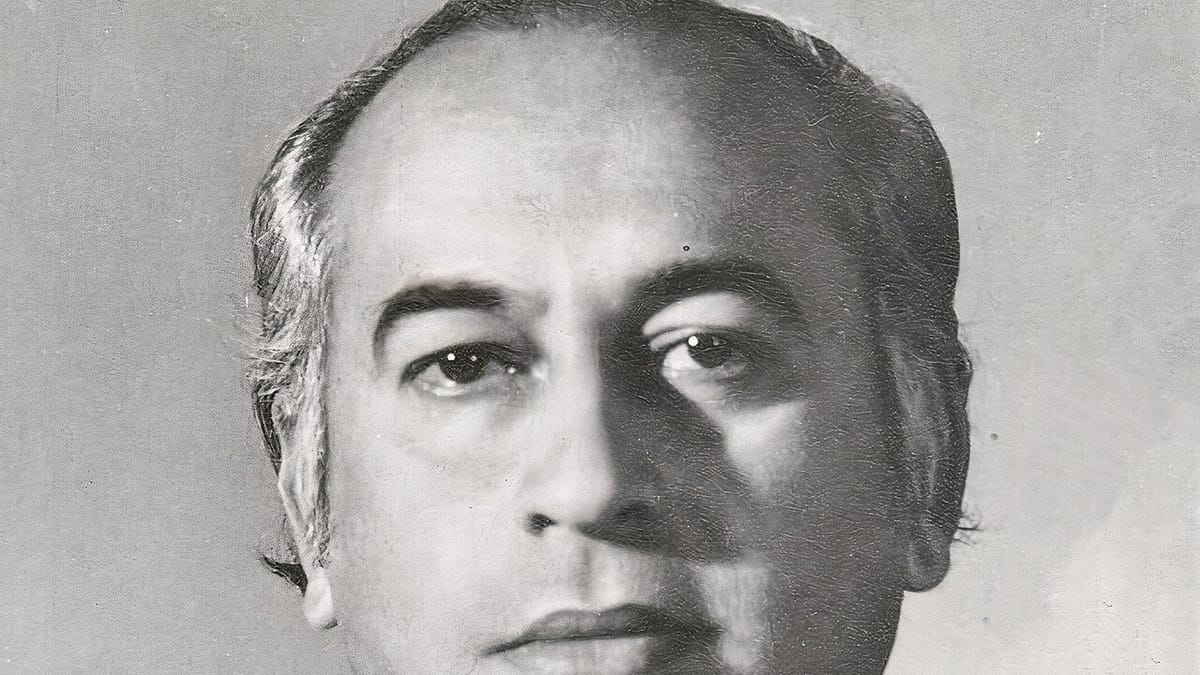
The 1973 Constitution of Pakistan Explained: Structure, Rights and Key Amendments
Pakistan's 1973 Constitution created a federal parliamentary republic. Its 18th Amendment in 2010 transferred major powers to the provinces.
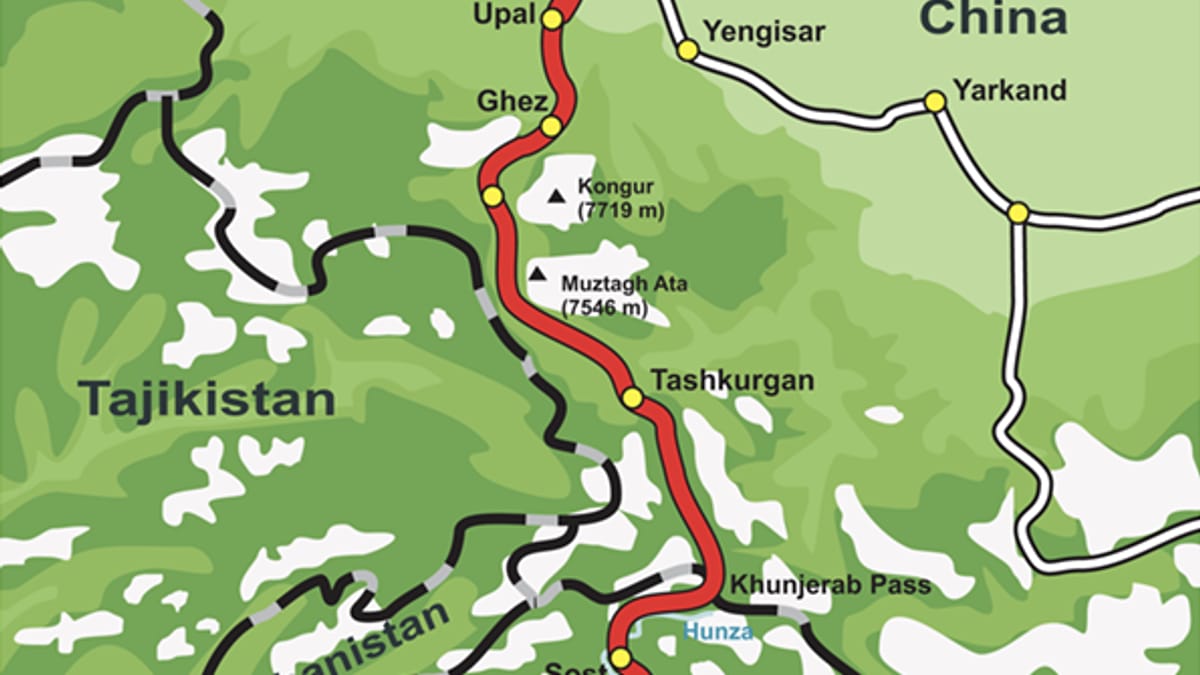
CPEC Explained: What the China Pakistan Economic Corridor Is and Why It Matters
Launched in 2015, CPEC links western China to the Arabian Sea through Pakistan and has funded energy and transport projects worth tens of billions of dollars.
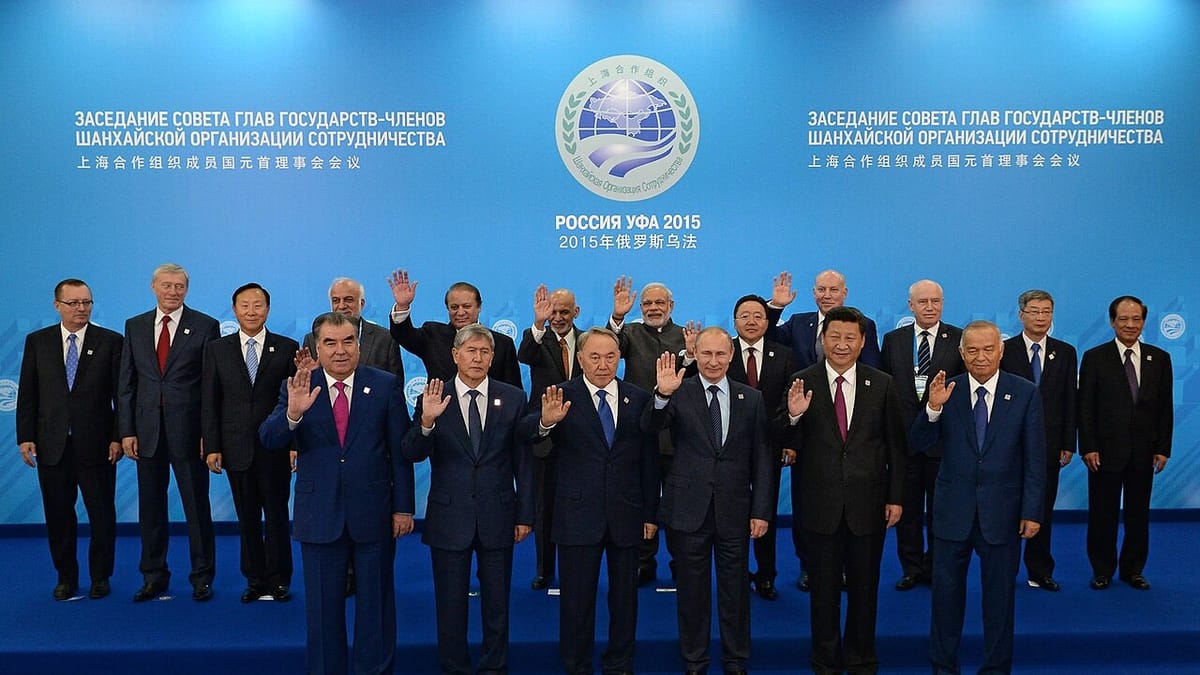
What Is the Shanghai Cooperation Organisation? The SCO Explained
Founded in 2001, the SCO is the world's largest regional organisation by population and geography.
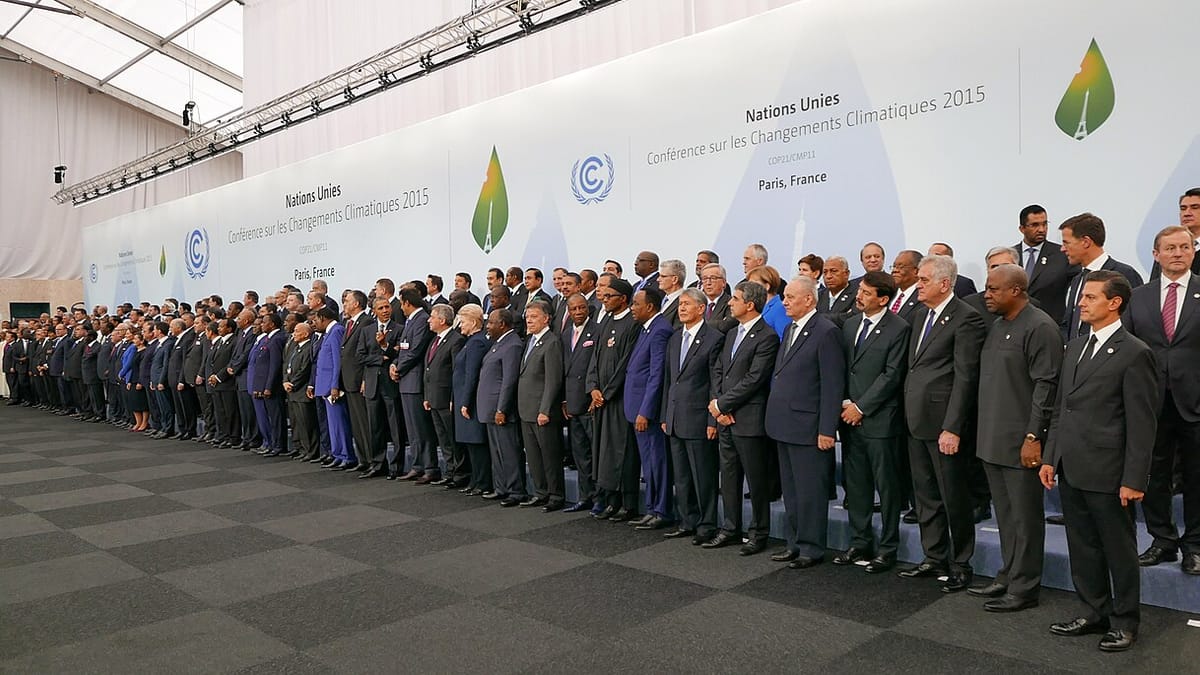
The Paris Agreement Explained: The Global Deal to Limit Climate Change
The Paris Agreement commits nearly every country to keep global warming well below 2°C and to pursue efforts to limit it to 1.5°C.
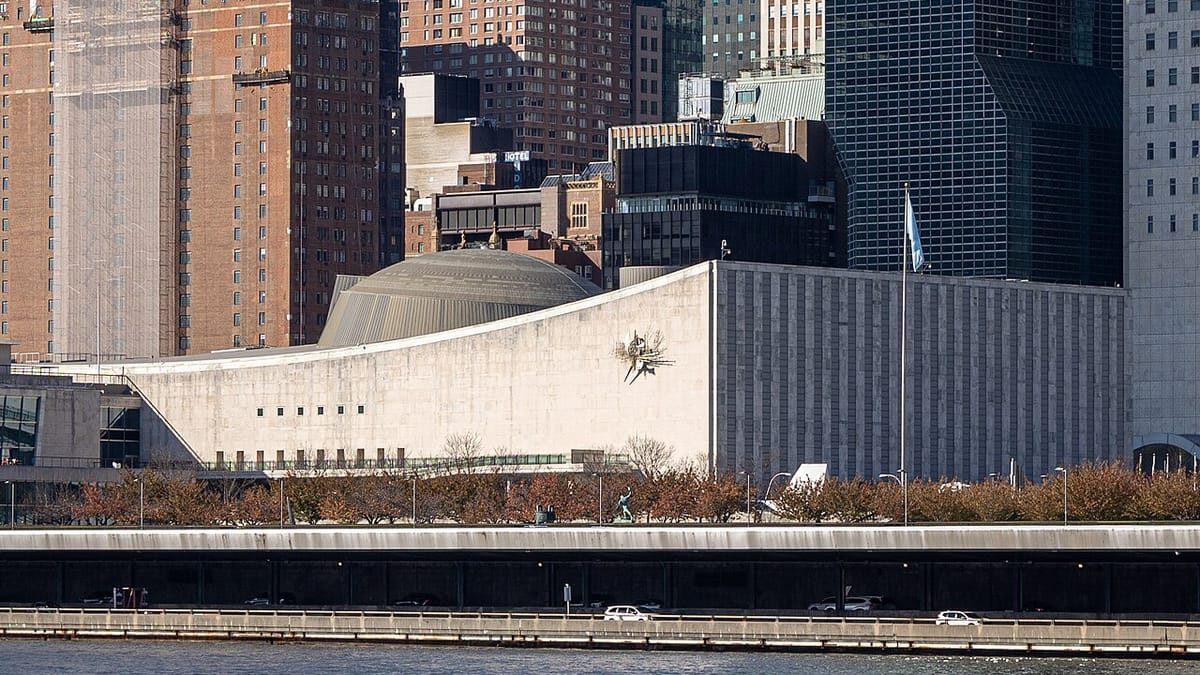
The Sustainable Development Goals Explained: All 17 SDGs in Plain Language
Adopted by all UN member states in 2015, the 17 Sustainable Development Goals set targets for people, the planet and prosperity by 2030.
Killing of TV Anchor Rabia Ahsan Puts Violence Against Women Back in Pakistan's Spotlight
First Lady Aseefa Bhutto Zardari called for an impartial investigation and greater attention to violence against women.
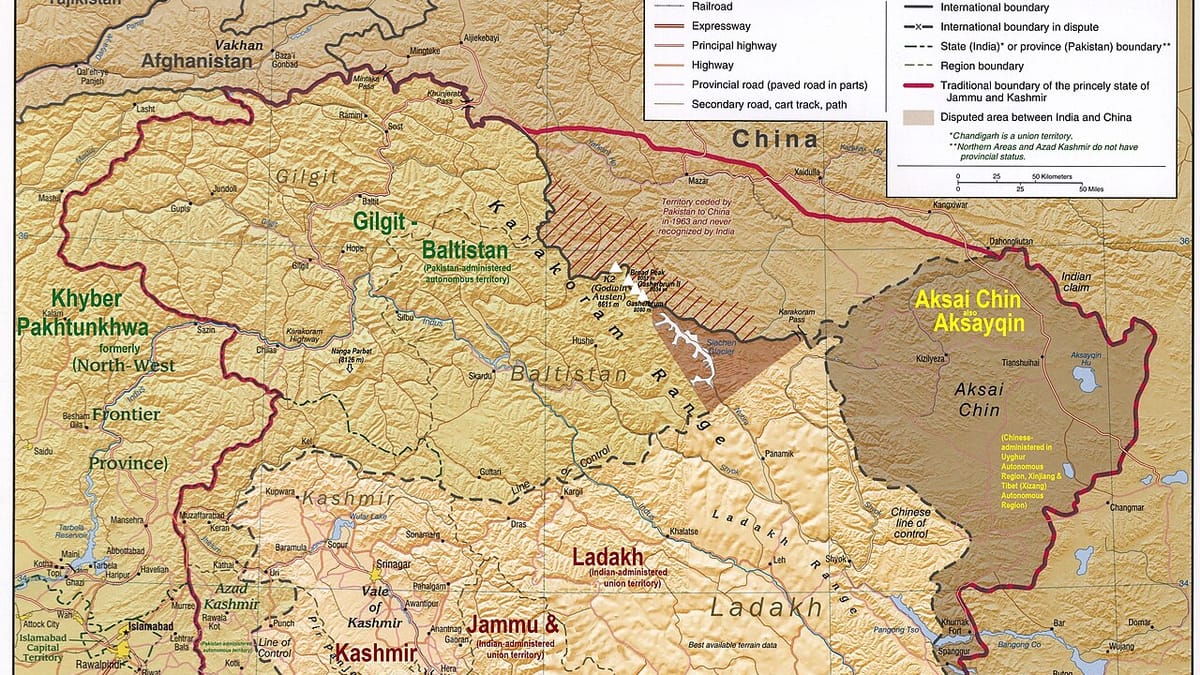
The Kashmir Dispute Explained
Kashmir has been disputed between India and Pakistan since 1947, leading to wars, an insurgency and continuing tension.
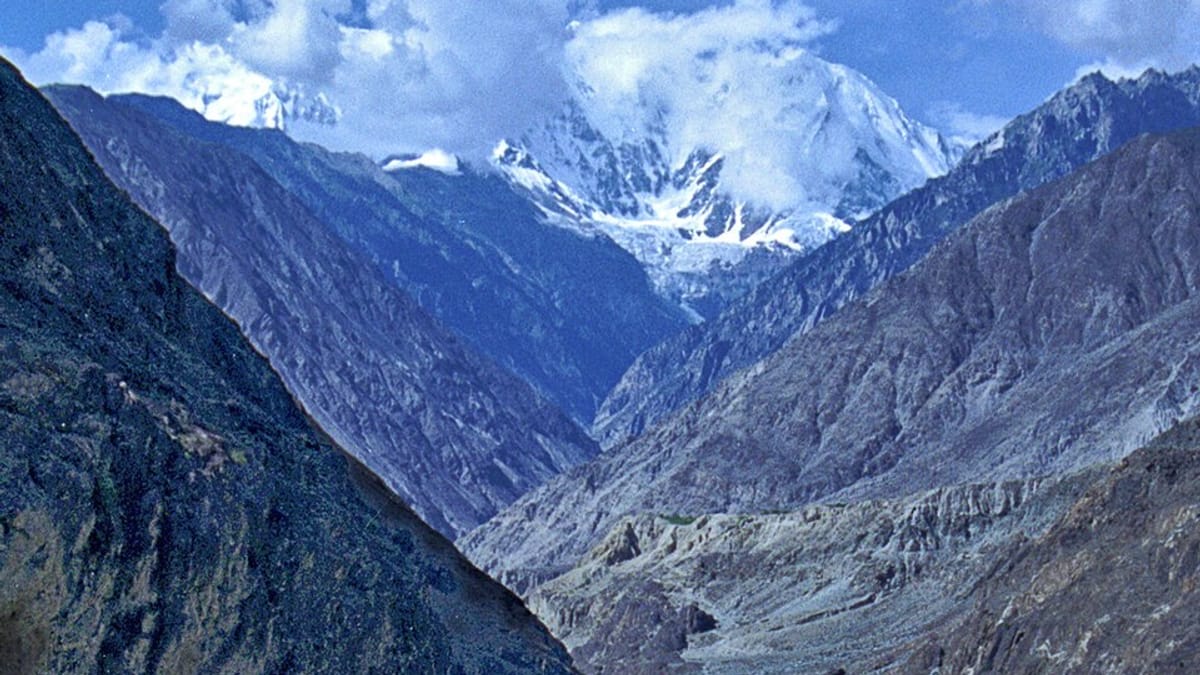
The Indus Waters Treaty Explained
Signed in 1960 with World Bank mediation, the Indus Waters Treaty divides the rivers of the Indus system between India and Pakistan.
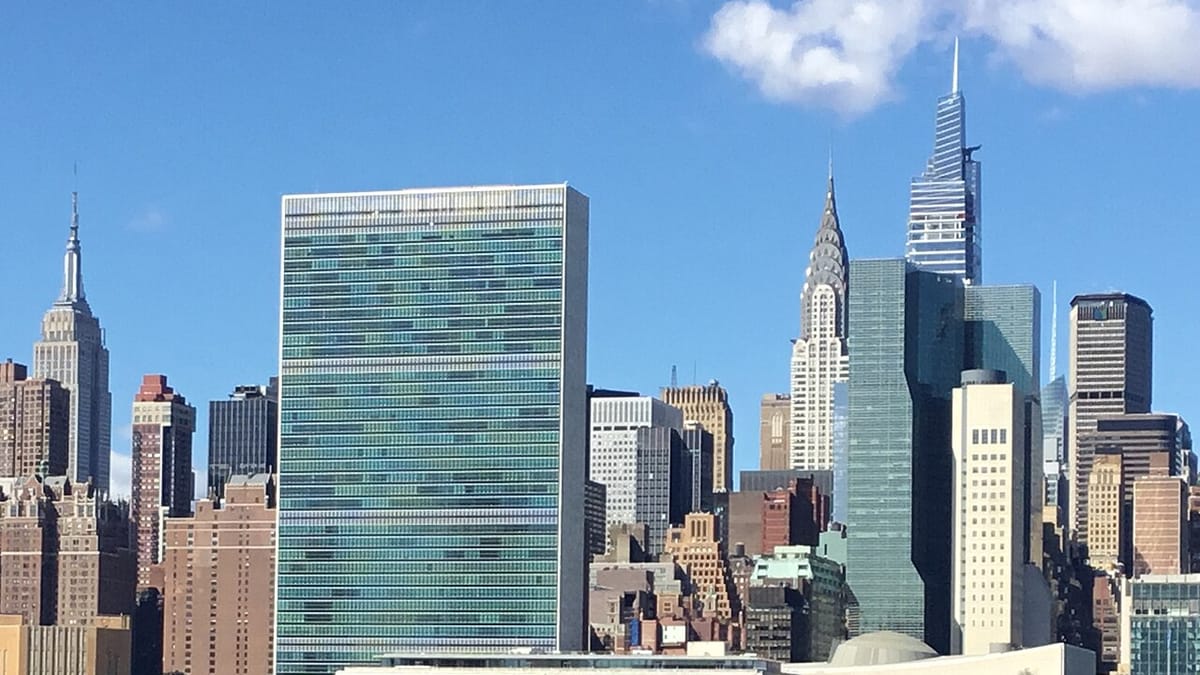
How the United Nations Works
The United Nations, founded in 1945, has 193 member states and six main organs, from the General Assembly to the International Court of Justice.
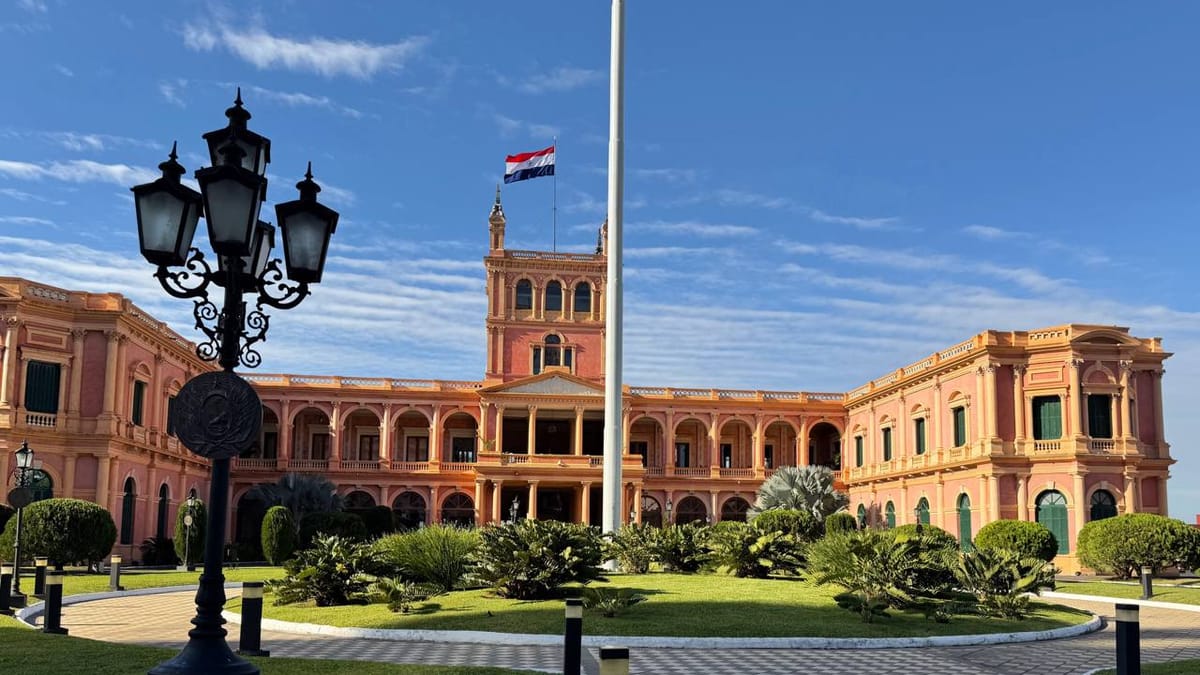
Paraguay's Senate Removes President Santiago Peña Over Bank Collapse
Vice President Pedro Alliana was sworn in the same night and will serve the rest of the term, which runs to August 2028.
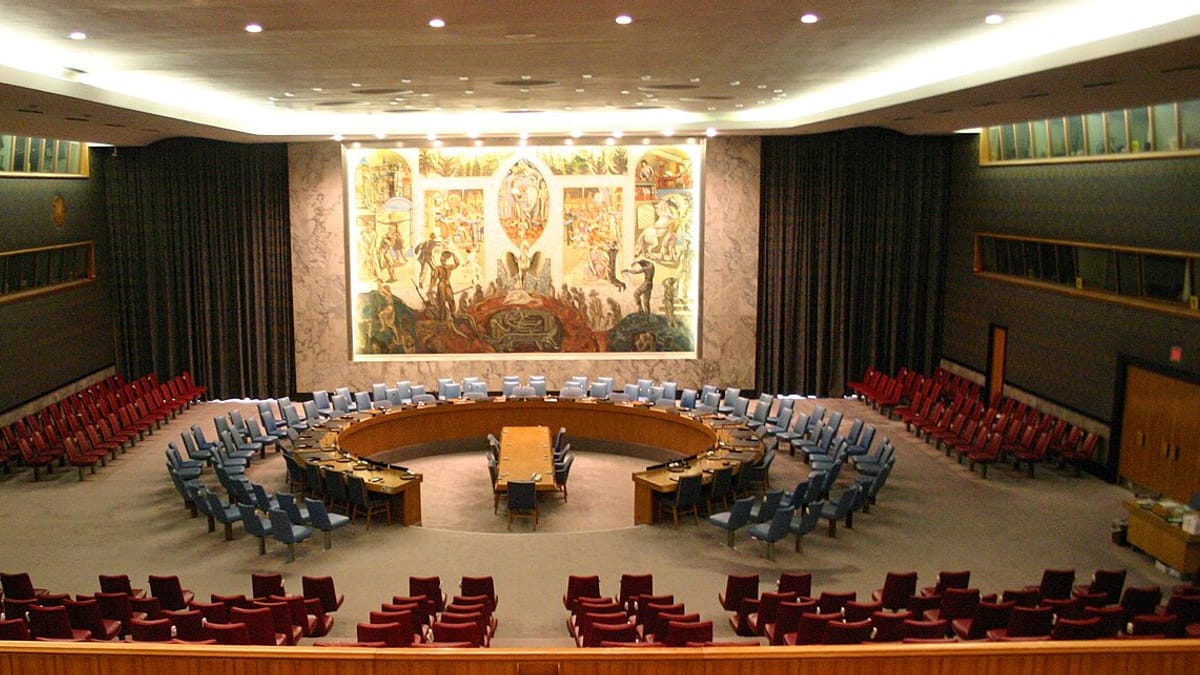
The UN Security Council and the Veto Explained
The Security Council has five permanent members with veto power and ten elected members. Its decisions bind all UN member states.
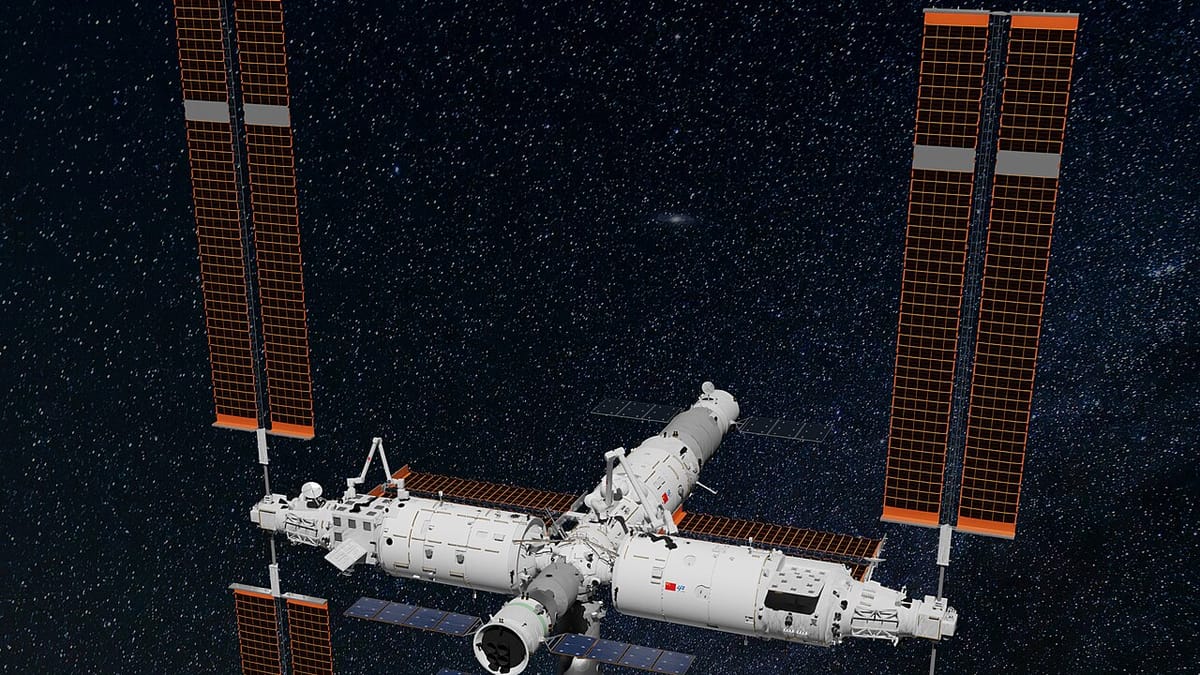
A Pakistani Astronaut Will Be the First Foreigner Aboard China's Space Station
Two Pakistani pilots, Muhammad Zeeshan Ali and Khurram Daud, have trained in Beijing. One will fly as a payload specialist.
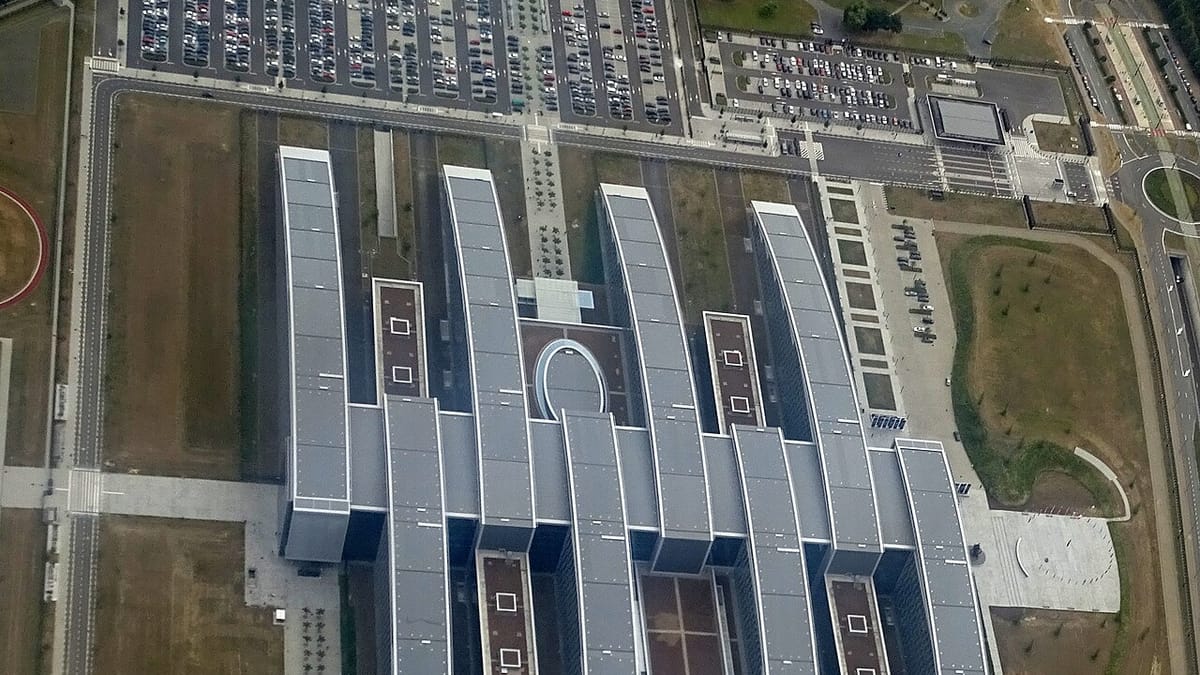
What Is NATO? The Western Military Alliance Explained
NATO is a military alliance founded in 1949 in which members pledge to defend one another under Article 5.
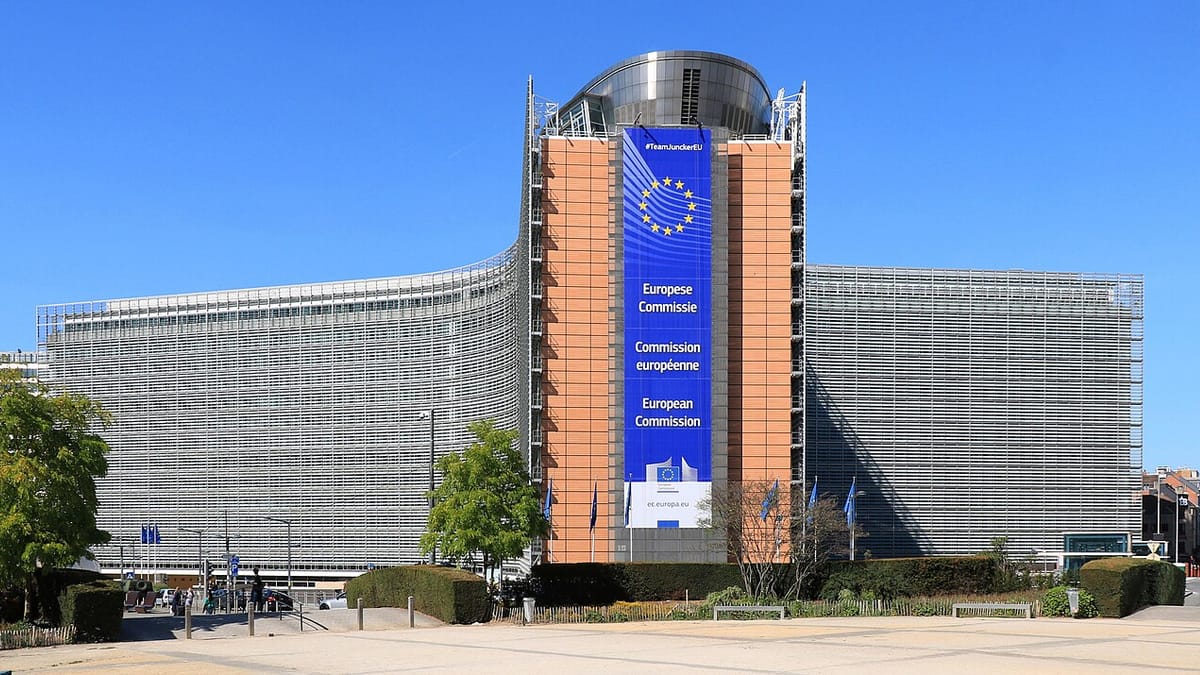
How the European Union Works
The European Union is a political and economic union of 27 countries with shared institutions, a single market and, for 20 members, a common currency.
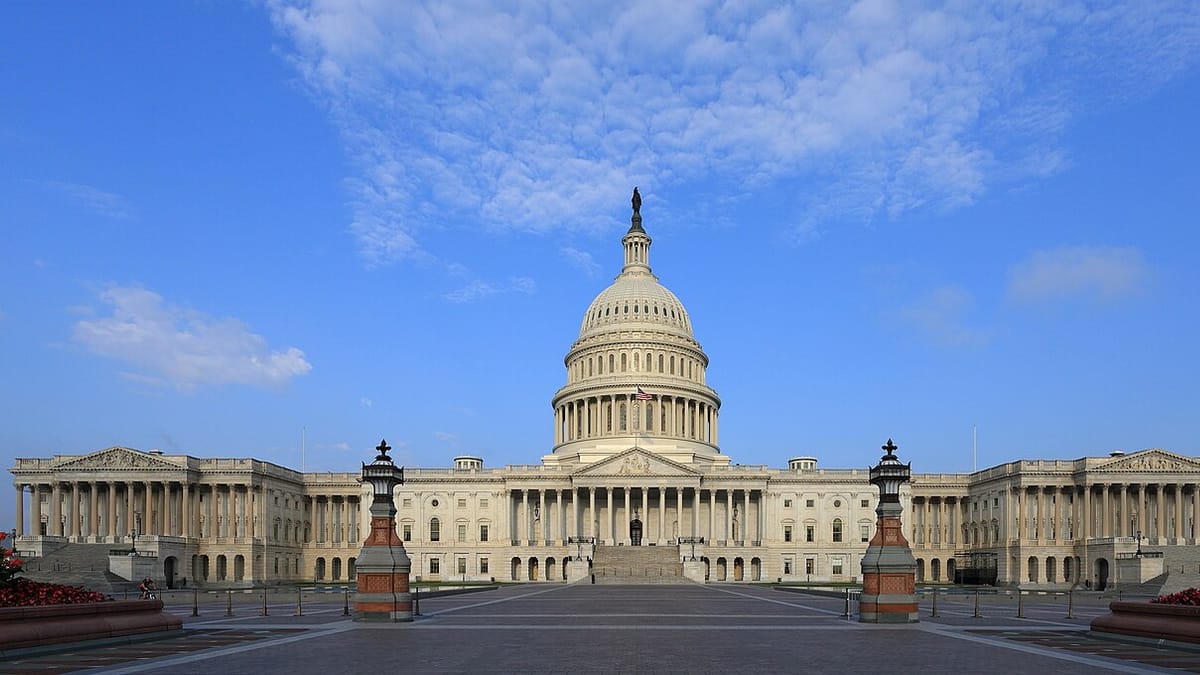
How the US Electoral College Works
US presidents are elected by 538 electors allocated to states, not directly by the national popular vote. A candidate needs 270 to win.
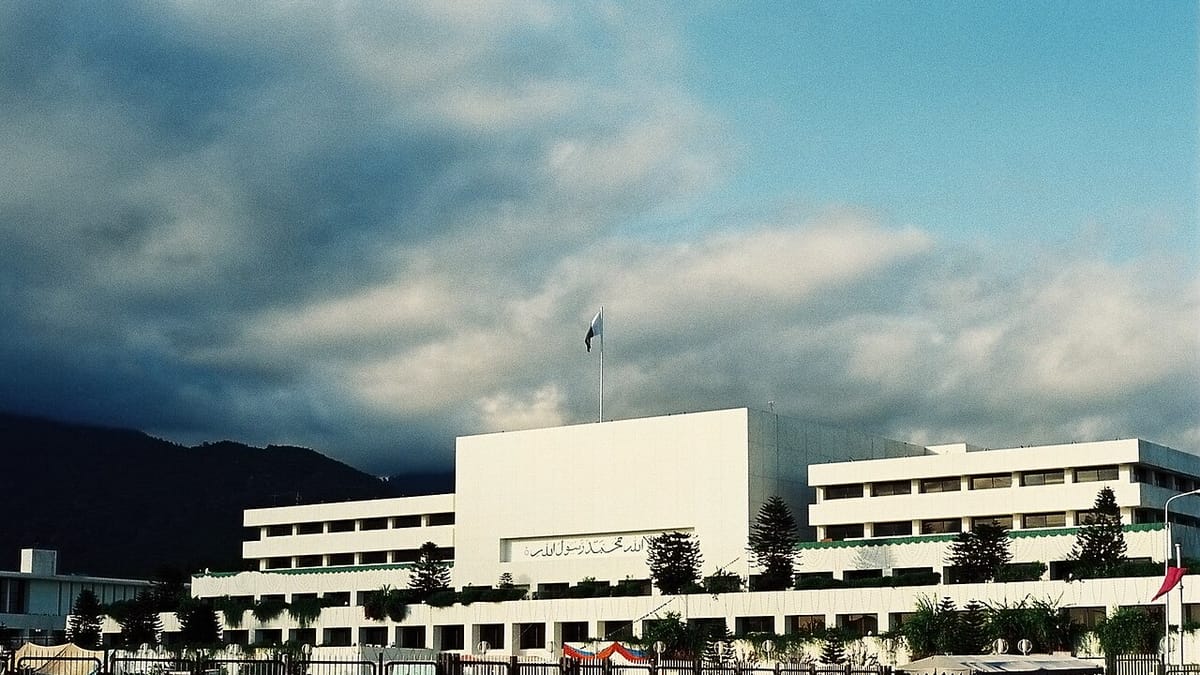
How Pakistan's Parliament Works
Pakistan's parliament, the Majlis-e-Shoora, has two houses: the directly elected National Assembly and the Senate, which represents the provinces.
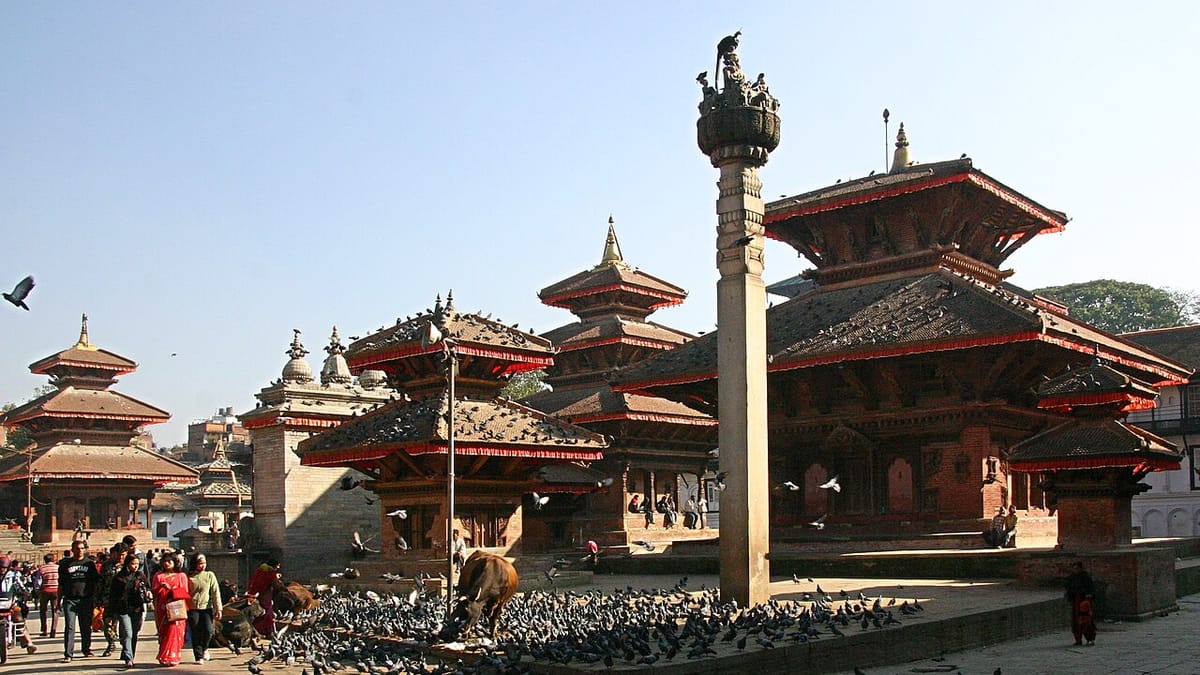
What Is SAARC? South Asia's Stalled Regional Organisation
SAARC, founded in 1985, brings together eight South Asian countries but has been largely paralysed by India Pakistan tensions.
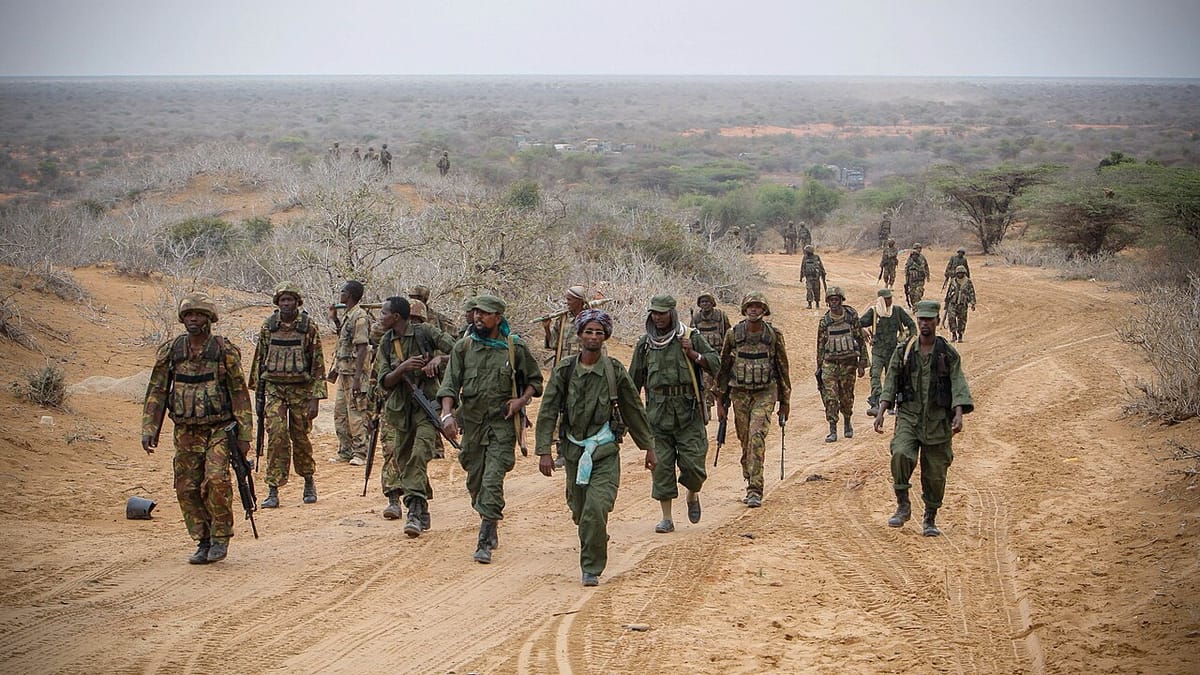
What Is the African Union?
The African Union, launched in 2002, includes all 55 African states and promotes integration, peace and development across the continent.
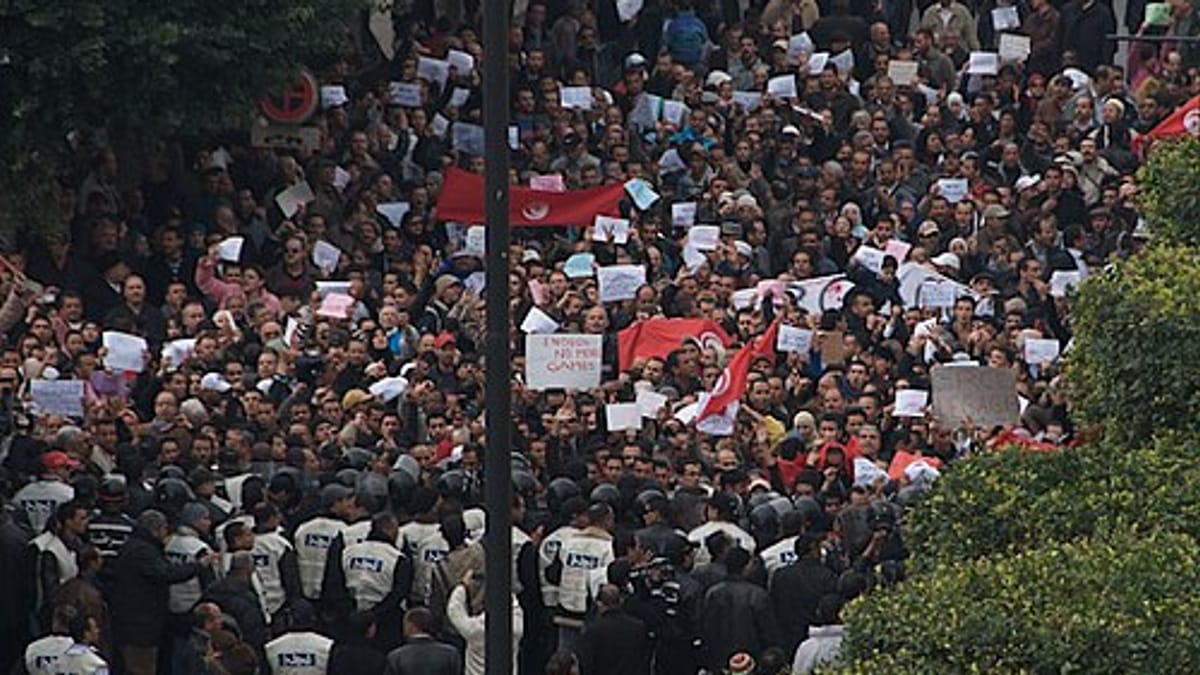
The Arab Spring Explained: Hope, Revolution and Its Aftermath
The Arab Spring was a wave of protests and uprisings across the Arab world from late 2010 that toppled several leaders and led to civil wars.
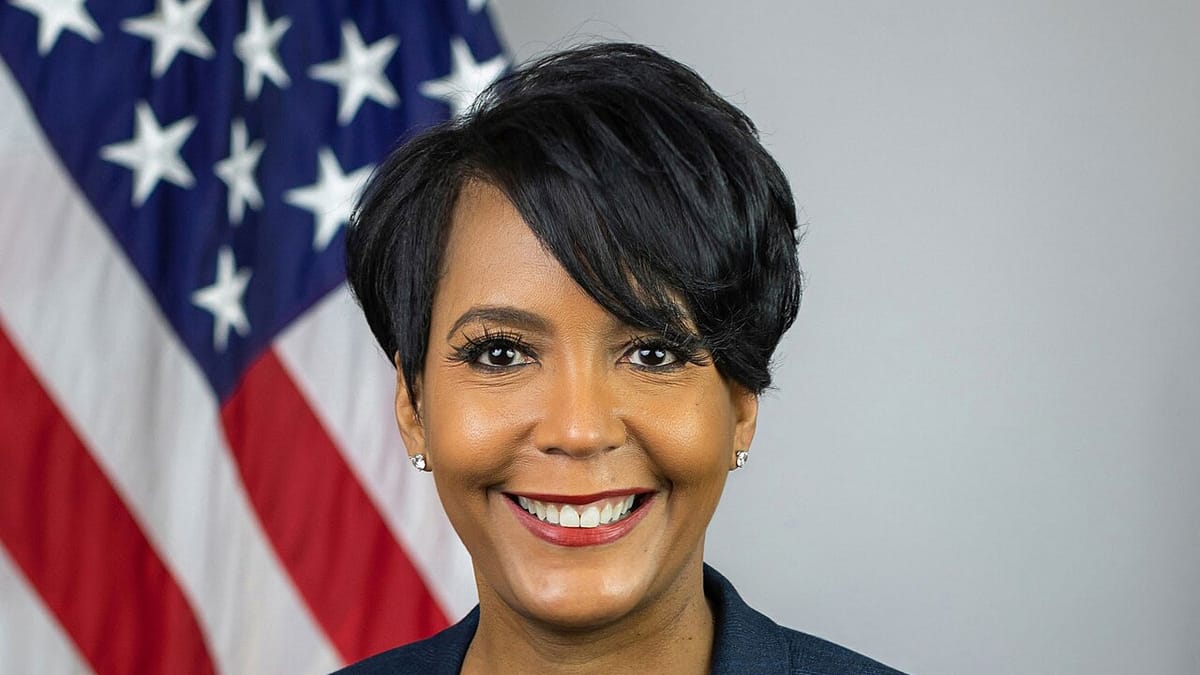
Keisha Lance Bottoms Becomes the First Black Woman Elected Governor in US History
She is also set to become Georgia's first woman governor and the state's first Democratic governor in more than two decades.