The French Revolution Explained: Causes, Key Events and Legacy
From the storming of the Bastille to Napoleon, the decade that gave the world the language of rights and nations.
In brief: The French Revolution was a period of radical political and social change in France that began in 1789 and ended with Napoleon Bonaparte's seizure of power in 1799. It abolished the absolute monarchy and feudal privileges, proclaimed the Declaration of the Rights of Man and of the Citizen and executed King Louis XVI. Its ideals of liberty, equality and fraternity shaped modern politics across the world.
The causes
- Debt: wars, including French support for the American Revolution, had left the monarchy close to bankruptcy.
- Inequality: society was divided into three estates. The clergy and nobility enjoyed privileges and paid little tax, while the Third Estate, the vast majority, bore the burden.
- Hunger: poor harvests in 1788 drove up bread prices.
- Ideas: Enlightenment thinkers such as Rousseau, Voltaire and Montesquieu had questioned absolute monarchy and the privileges of church and nobility.
1789: the revolution begins
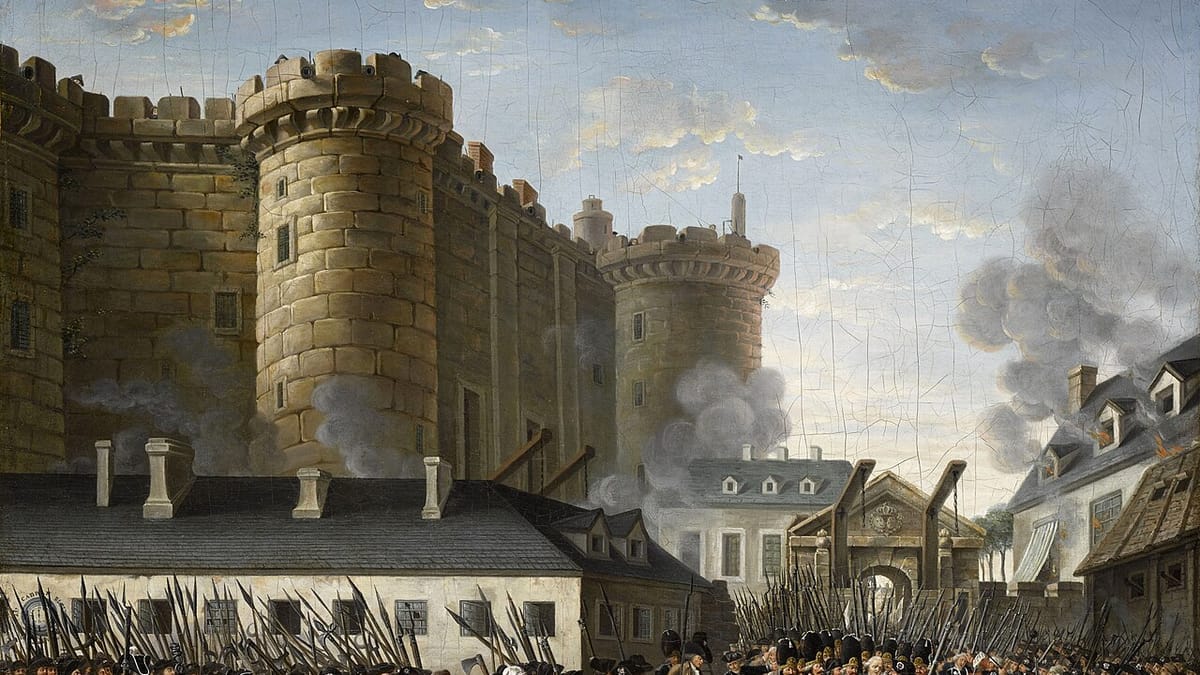
Louis XVI summoned the Estates-General in May 1789 for the first time since 1614. The Third Estate declared itself the National Assembly and, locked out of its meeting hall, swore the Tennis Court Oath on 20 June not to disband until France had a constitution. On 14 July crowds in Paris stormed the Bastille, a royal fortress and prison, a day still celebrated as France's national holiday. In August the assembly abolished feudal privileges and adopted the Declaration of the Rights of Man and of the Citizen.
Women in the revolution
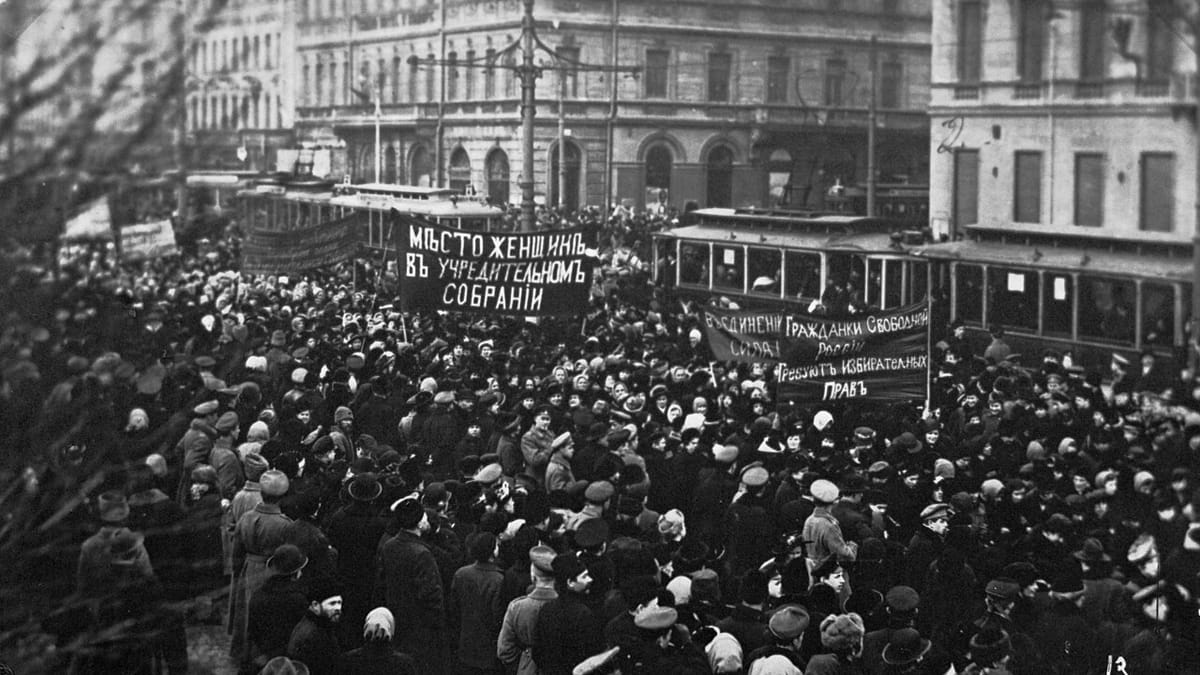
In October 1789 thousands of women marched from Paris to Versailles over the price of bread and forced the royal family to move to Paris. In 1791 the playwright Olympe de Gouges published the Declaration of the Rights of Woman and of the Female Citizen, arguing that the new rights must apply to women too. She was executed in 1793, and women did not win the vote in France until 1944.
Republic, war and terror
France went to war with Austria and Prussia in 1792. The monarchy was abolished in September 1792, and Louis XVI was tried and guillotined in January 1793, followed by Queen Marie Antoinette in October. Under the Committee of Public Safety, dominated by Maximilien Robespierre, the Reign of Terror of 1793 and 1794 saw tens of thousands of people executed or killed. Robespierre himself was guillotined in July 1794.
Napoleon
A more conservative government, the Directory, ruled from 1795 but was weak and divided. In November 1799 General Napoleon Bonaparte seized power in a coup and later crowned himself emperor in 1804. His legal code, the Napoleonic Code, spread revolutionary principles such as equality before the law across Europe, while also restricting women's rights.
Legacy
The revolution introduced ideas that are now central to modern politics: popular sovereignty, citizenship, equality before the law and universal human rights. Even the terms "left" and "right" come from where members sat in the revolutionary assemblies. Its history of terror also became a warning about how revolutions can turn violent.
Frequently Asked Questions
When did the French Revolution start?
It is usually dated to 1789, with the meeting of the Estates-General in May and the storming of the Bastille on 14 July.
What was the Reign of Terror?
A period in 1793 and 1794 when the revolutionary government executed tens of thousands of people it considered enemies of the revolution.
Who was Olympe de Gouges?
A French writer who in 1791 published the Declaration of the Rights of Woman and of the Female Citizen. She was executed in 1793.