The Khilafat Movement Explained: When Indian Muslims Rallied for the Ottoman Caliph
Between 1919 and 1924 a campaign to protect the caliphate became one of the largest mass movements in British India.
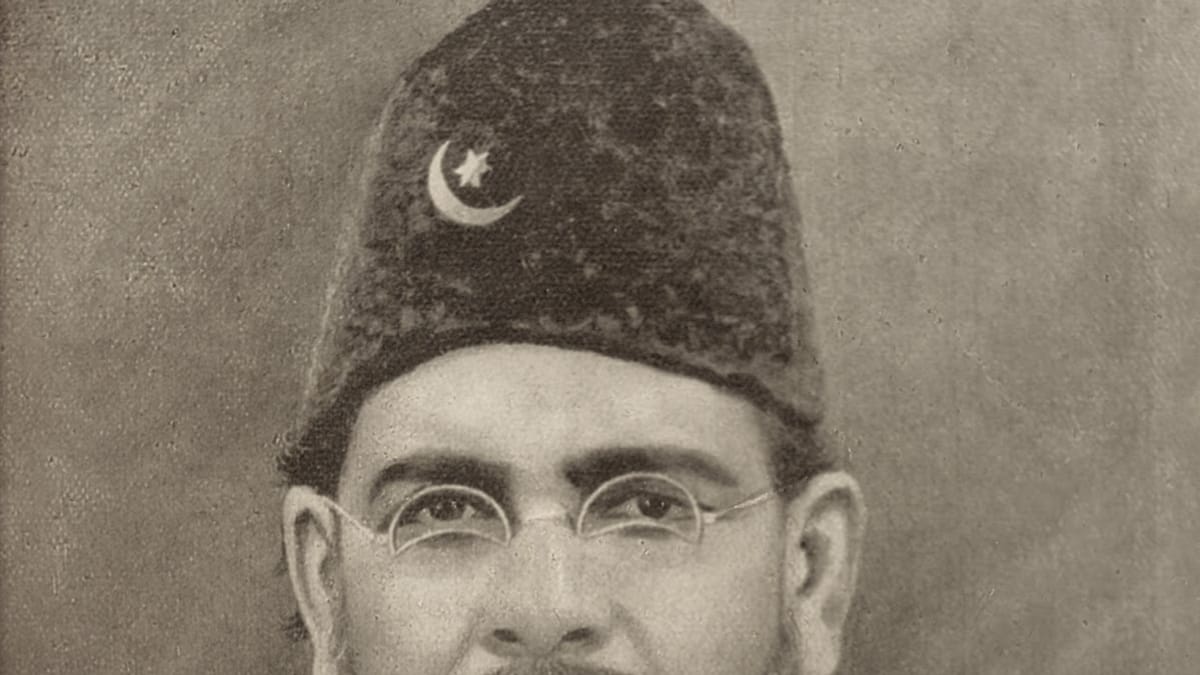
In brief: The Khilafat Movement (1919 to 1924) was a political campaign by Muslims in British India to pressure Britain to preserve the authority of the Ottoman sultan as caliph, the symbolic leader of Sunni Muslims, after the Ottoman defeat in the First World War. Led by the Ali brothers and allied with Mahatma Gandhi, it became one of the first truly mass political movements in India. It ended when Turkey itself abolished the caliphate in 1924.
Why it began
The Ottoman Empire fought on the losing side in the First World War. As the Allies prepared to divide its territory, many Indian Muslims feared that the caliphate, and with it control of the holy places of Islam, would be destroyed. Indian soldiers, many of them Muslim, had fought for Britain during the war, and promises made at the time seemed to be broken by the peace terms, later set out in the Treaty of Sèvres of 1920.
The leaders
The movement was led by the brothers Maulana Mohammad Ali Jauhar and Maulana Shaukat Ali, together with Maulana Abul Kalam Azad, Hakim Ajmal Khan and others. The All India Khilafat Committee was formed in 1919. Bi Amma, the mother of the Ali brothers, travelled widely to speak at rallies, one of the first prominent Muslim women to address public political meetings in India.
Alliance with Gandhi
Gandhi saw the Khilafat cause as a chance to unite Hindus and Muslims against British rule. In 1920 the Indian National Congress adopted his Non-cooperation Movement, and the two campaigns merged. Indians were asked to return British titles, boycott foreign cloth, schools, courts and elections. For two years the joint campaign brought Hindus and Muslims together on a scale not seen before.
Setbacks
In 1920 thousands of Muslims took part in the Hijrat Movement, migrating to Afghanistan in the belief that India under British rule was no longer a land where they could live freely. Many suffered great hardship and returned. In February 1922, after a crowd killed policemen at Chauri Chaura in the United Provinces, Gandhi called off non-cooperation, leaving many Khilafat leaders feeling abandoned.
The end of the caliphate
The decisive blow came from Turkey. Under Mustafa Kemal, later known as Atatürk, the Grand National Assembly abolished the sultanate in 1922 and the caliphate on 3 March 1924. With no caliph left to defend, the movement lost its purpose.
Its legacy
The Khilafat Movement trained a generation of Muslim political organisers and journalists and showed that religious symbols could mobilise millions. It also left a mixed legacy for Hindu Muslim relations, as the period after its collapse saw rising communal tension. Muhammad Ali Jinnah had opposed mixing religion with the national movement in this way, a stance that briefly isolated him at the time.
Frequently Asked Questions
What was the main goal of the Khilafat Movement?
To pressure the British government to protect the Ottoman caliphate and the holy places of Islam after the First World War.
Why did the Khilafat Movement end?
Turkey abolished the caliphate on 3 March 1924, removing the movement's central cause.