

Biographies
The lives of influential, historic and inspiring people from every region.
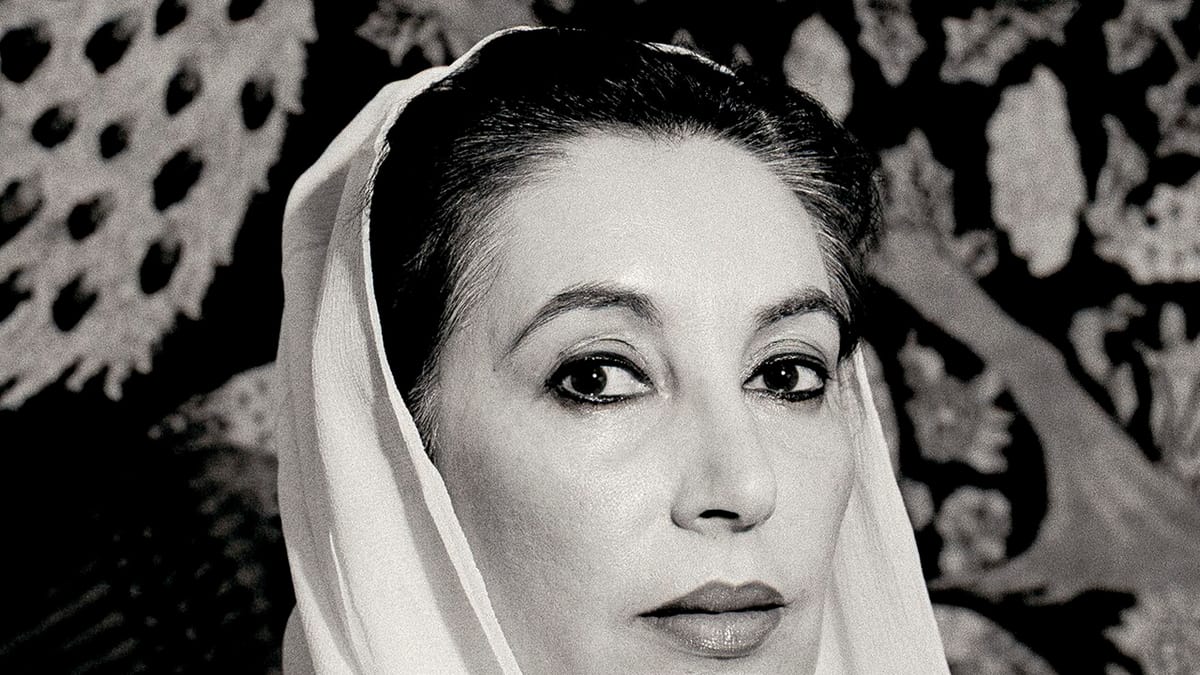
Benazir Bhutto: The Life of the First Woman to Lead a Muslim-Majority Nation
Benazir Bhutto led Pakistan twice, in 1988 and 1993, and was killed in Rawalpindi in 2007. Her life tells the story of Pakistani democracy itself.
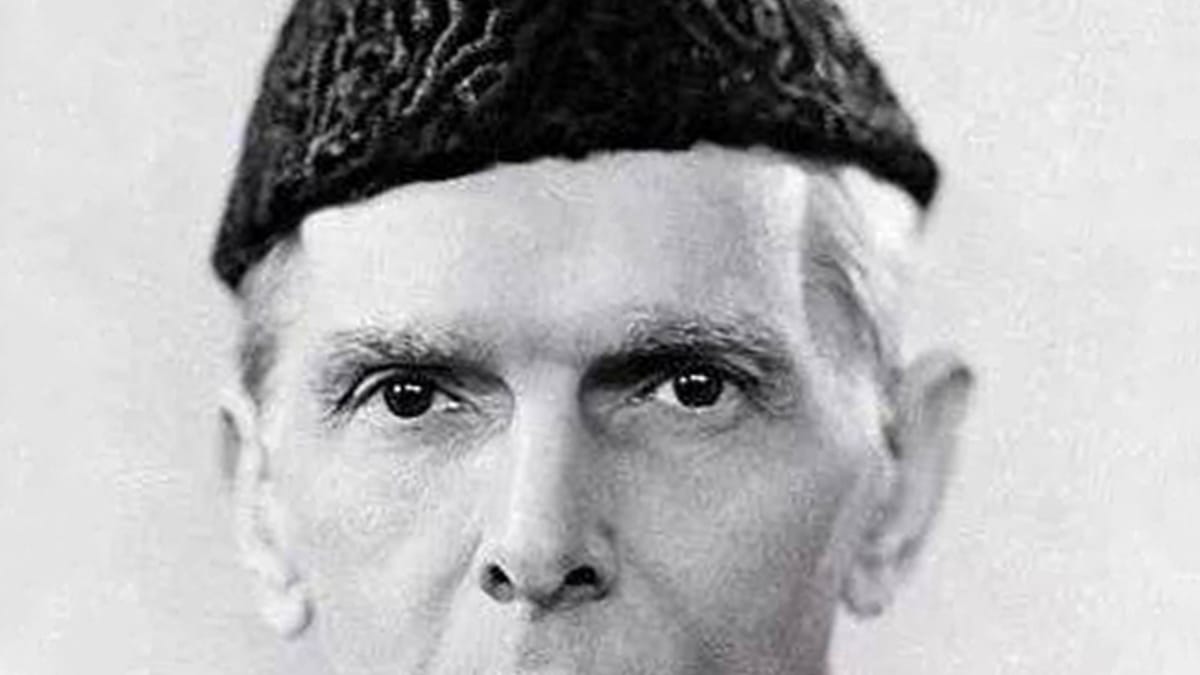
Muhammad Ali Jinnah: The Lawyer Who Founded Pakistan
Muhammad Ali Jinnah led the All-India Muslim League to the creation of Pakistan in 1947 and died just over a year later.
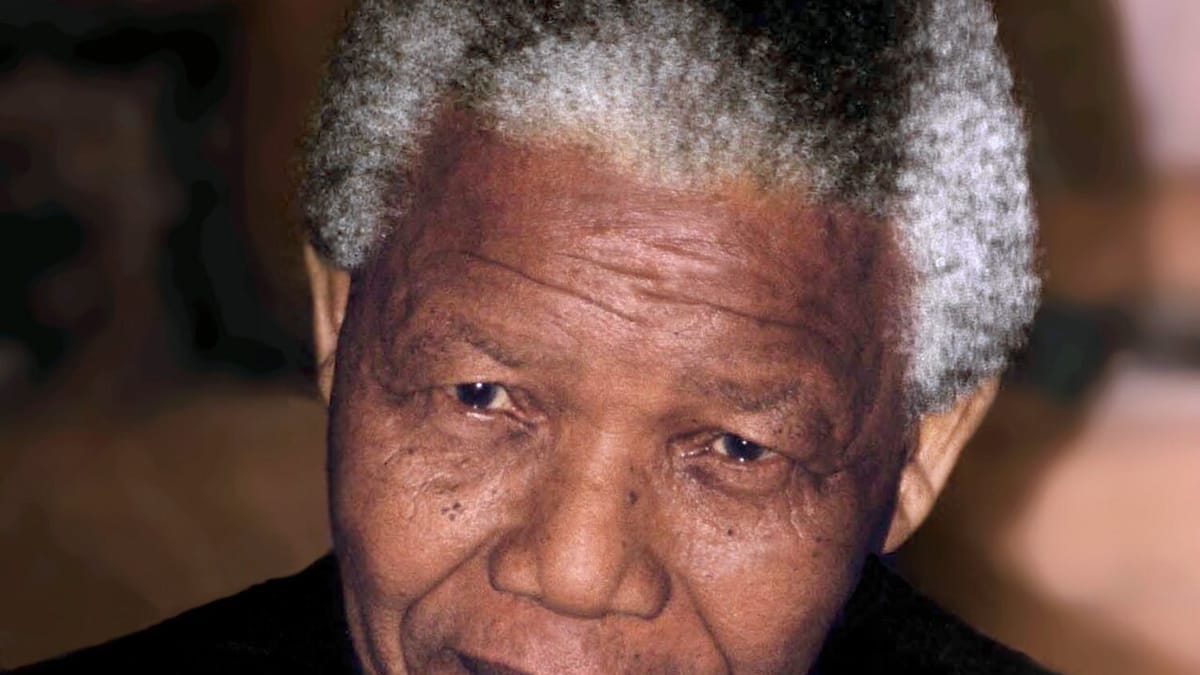
Nelson Mandela: From Prisoner to President
Nelson Mandela fought apartheid, spent 27 years in prison and became South Africa's first democratically elected president in 1994.
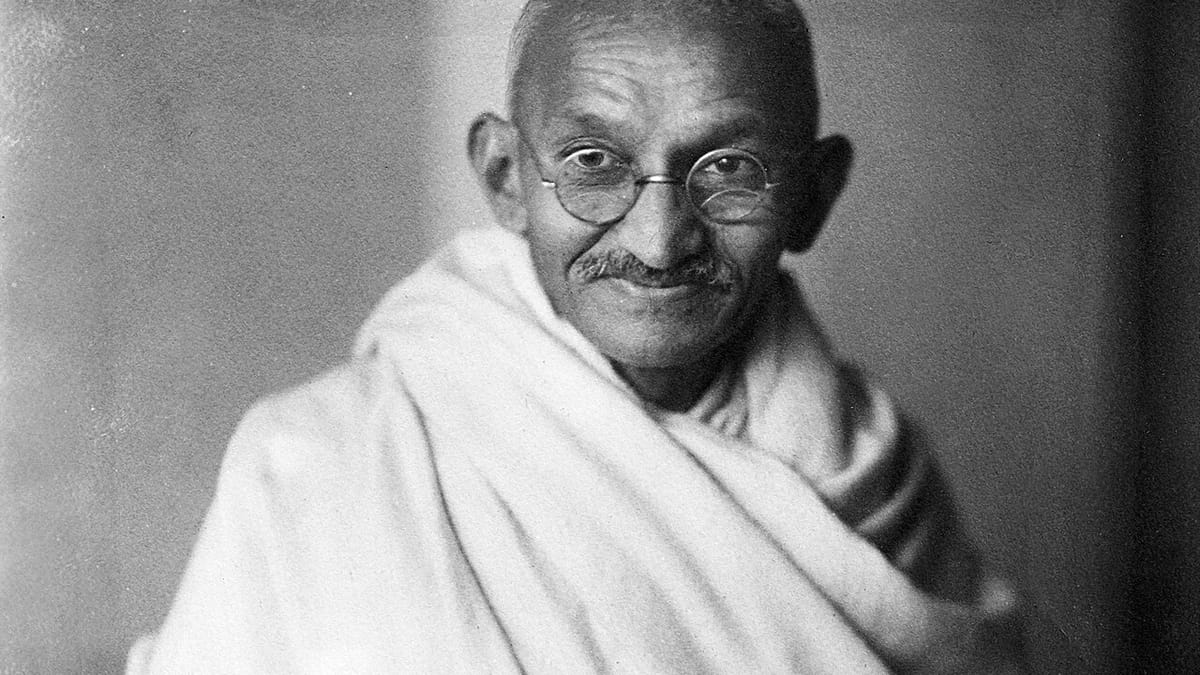
Mahatma Gandhi: The Power of Nonviolent Resistance
Mohandas Karamchand Gandhi led India's independence movement through nonviolent mass resistance and inspired civil rights movements worldwide.
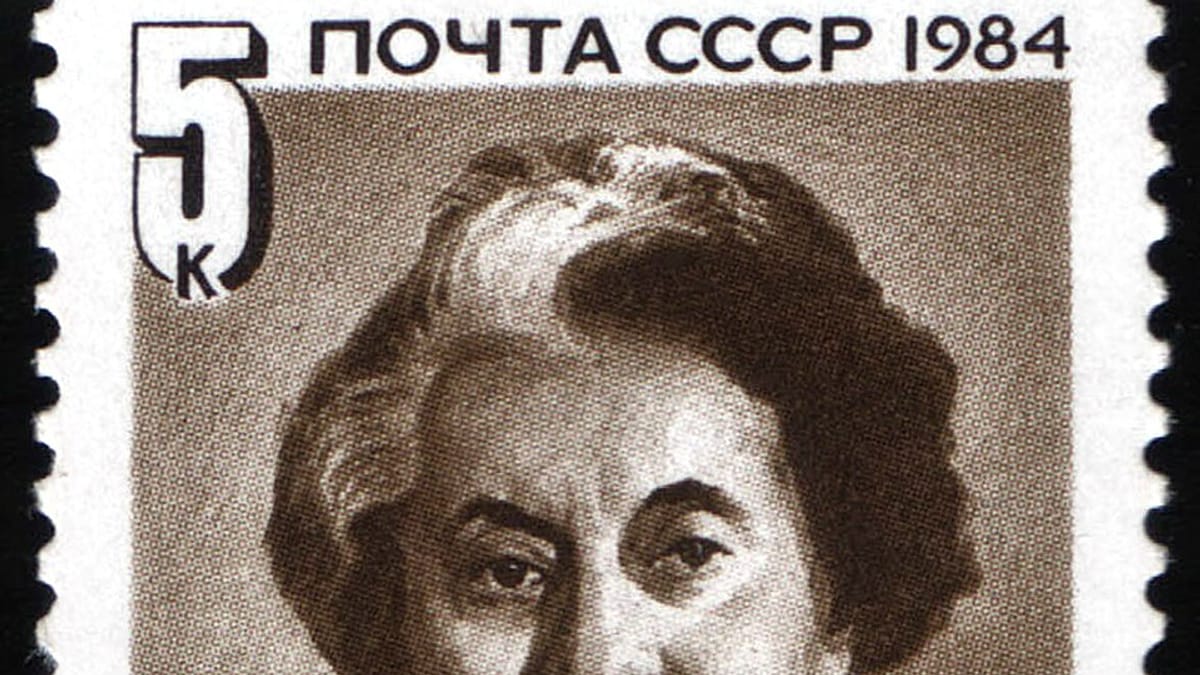
Indira Gandhi: India's First Woman Prime Minister
Indira Gandhi led India for a total of about 15 years, declared a state of emergency in 1975 and was assassinated in 1984.
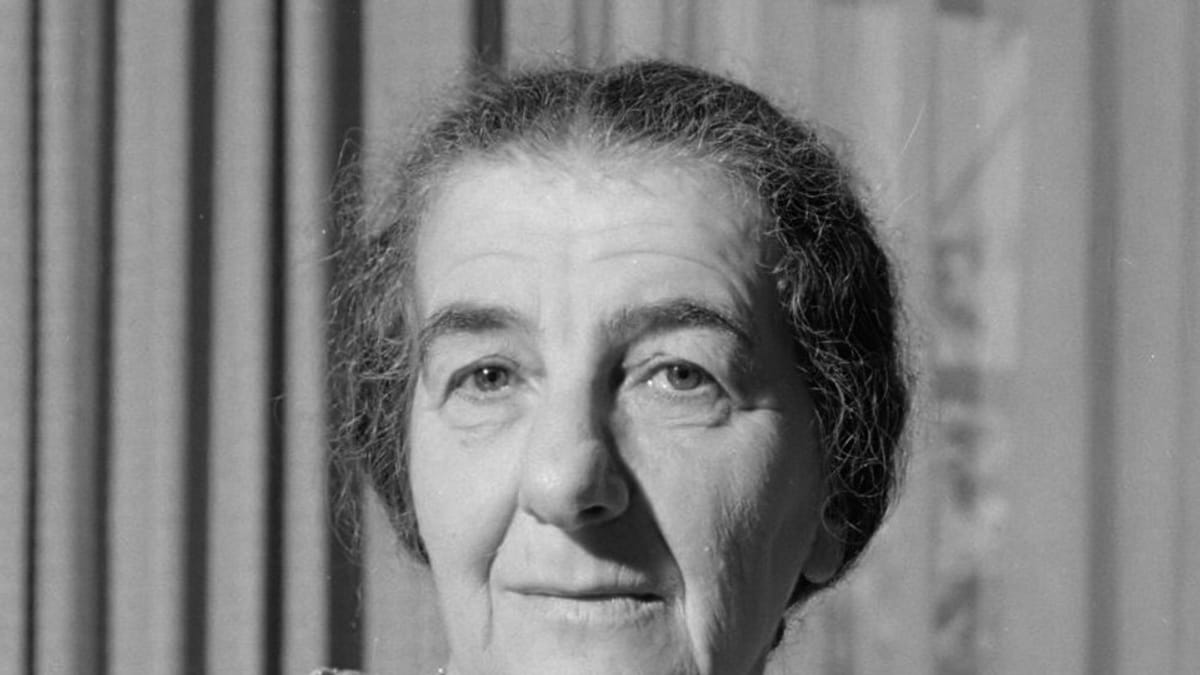
Golda Meir: Israel's First Woman Prime Minister
Golda Meir was one of the founders of Israel and served as prime minister from 1969 to 1974.
Margaret Thatcher: Britain's First Woman Prime Minister
Margaret Thatcher led the United Kingdom from 1979 to 1990, the longest continuous premiership of the twentieth century.
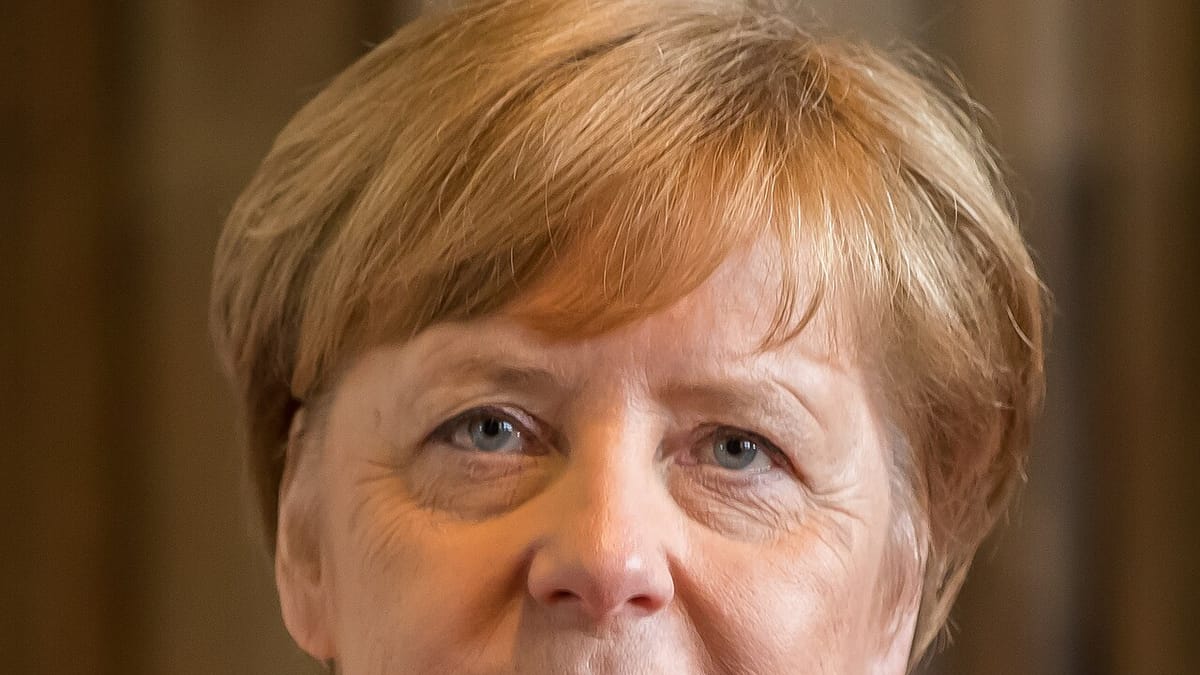
Angela Merkel: The Scientist Who Led Germany Through 16 Years of Crises
Angela Merkel was Germany's first woman chancellor, serving from 2005 to 2021 through the financial, euro, refugee and Covid crises.
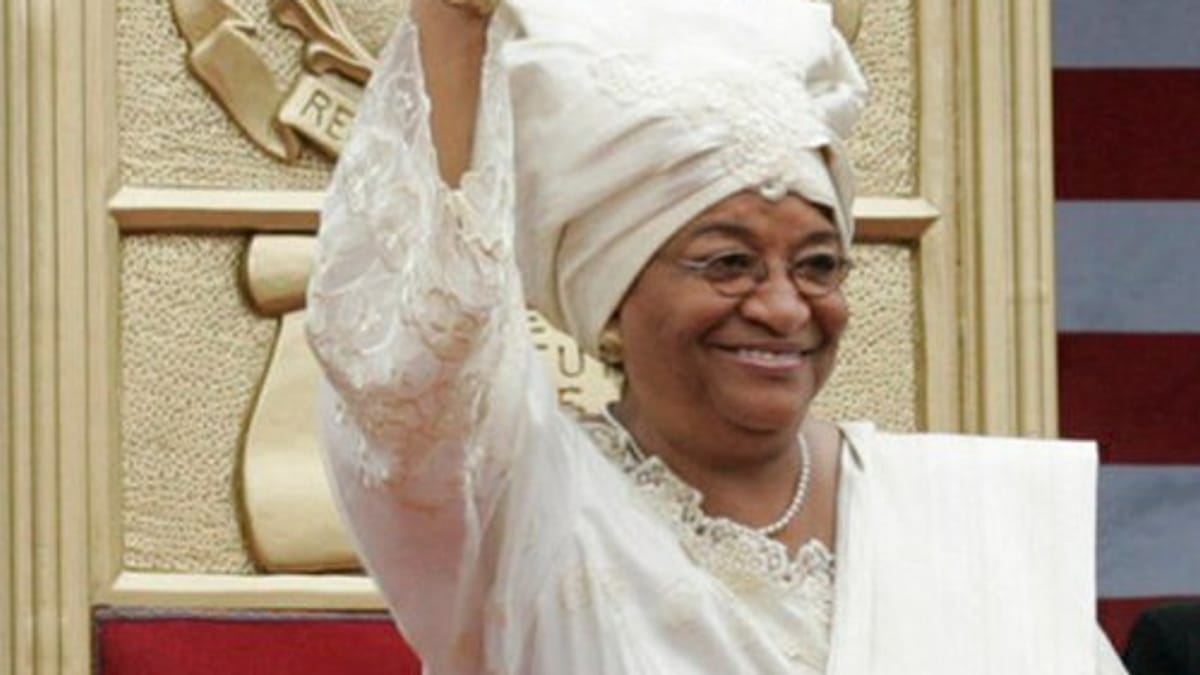
Ellen Johnson Sirleaf: Africa's First Elected Woman President
Ellen Johnson Sirleaf served as President of Liberia from 2006 to 2018 and won the Nobel Peace Prize in 2011.
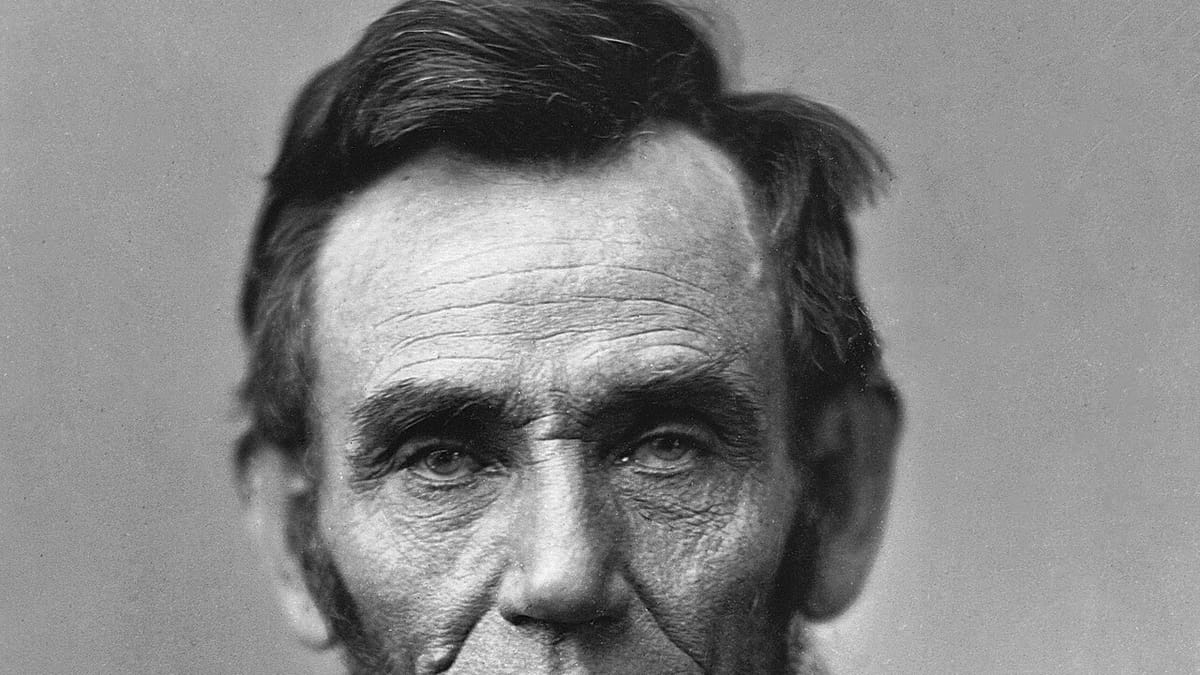
Abraham Lincoln: The President Who Ended Slavery in America
Abraham Lincoln led the Union through the American Civil War, issued the Emancipation Proclamation and was assassinated in 1865.
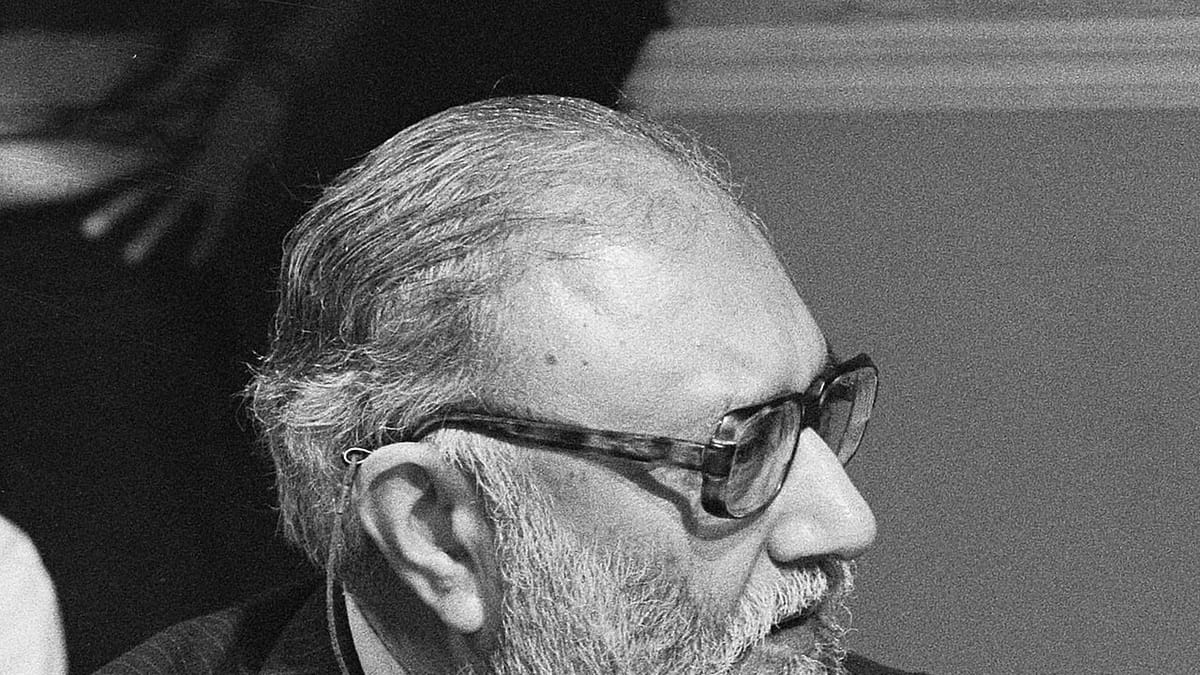
Abdus Salam: Pakistan's First Nobel Laureate in Science
Abdus Salam shared the 1979 Nobel Prize in Physics for electroweak unification and founded the International Centre for Theoretical Physics in Trieste.
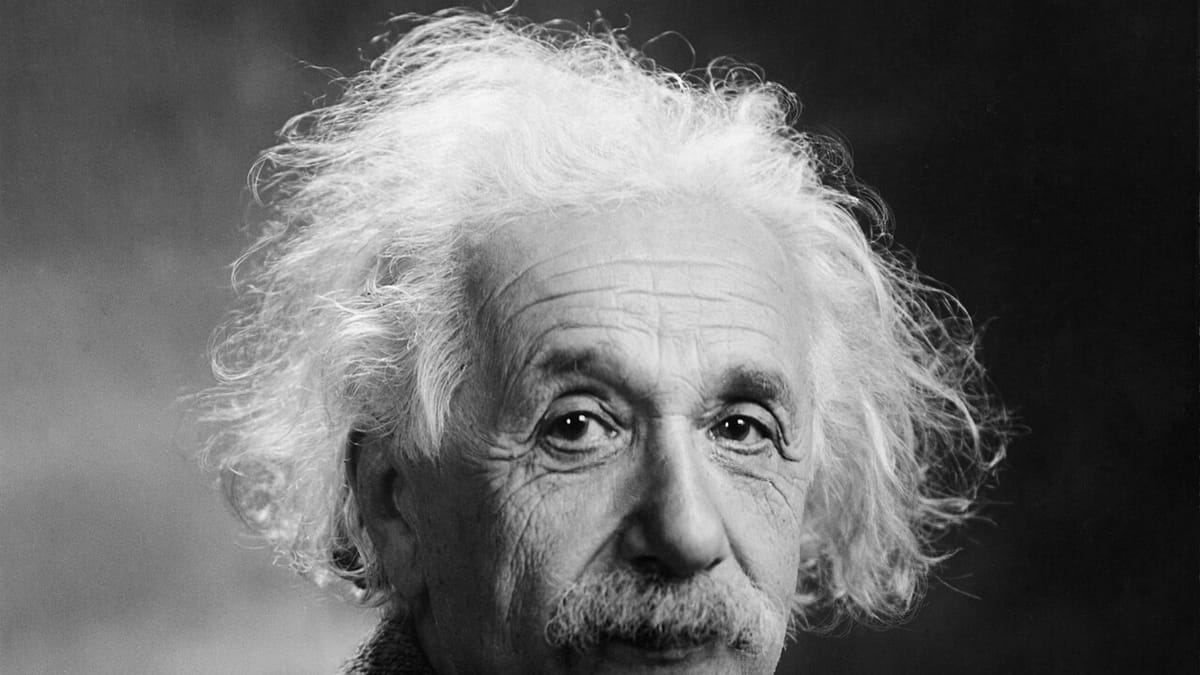
Albert Einstein: The Physicist Who Reimagined Space and Time
Albert Einstein developed the theories of special and general relativity and won the 1921 Nobel Prize in Physics for explaining the photoelectric effect.
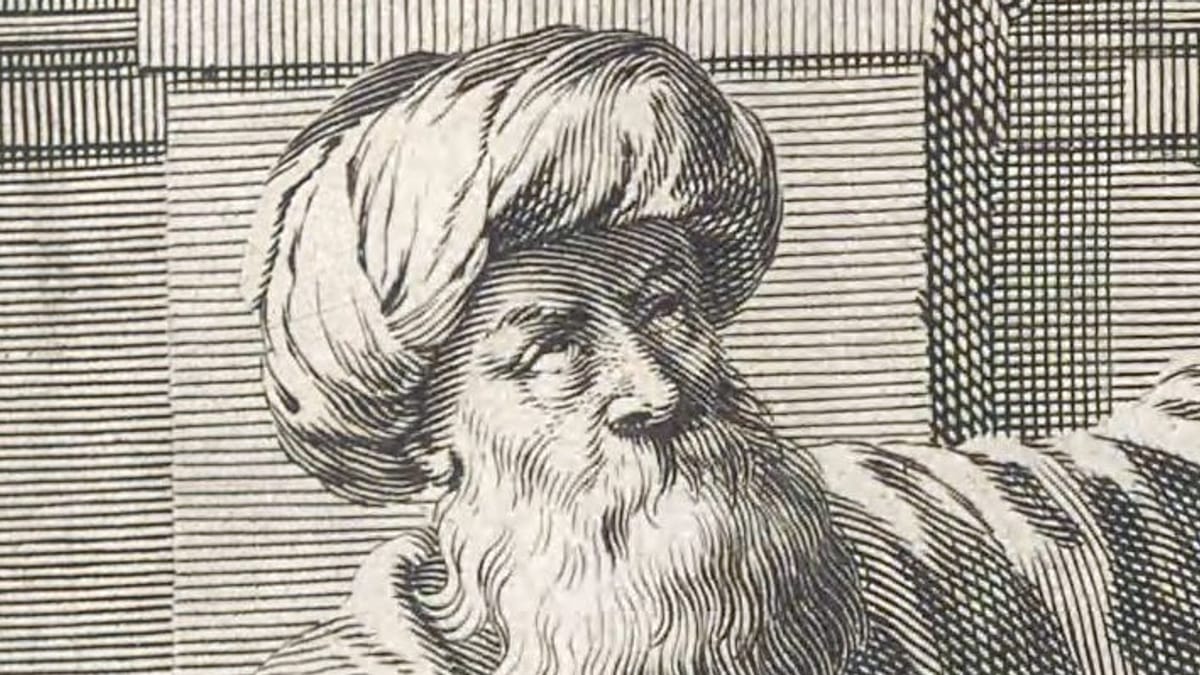
Ibn al-Haytham: The Father of Modern Optics
Ibn al-Haytham's Book of Optics explained vision correctly and set out an experimental approach centuries before the European scientific revolution.
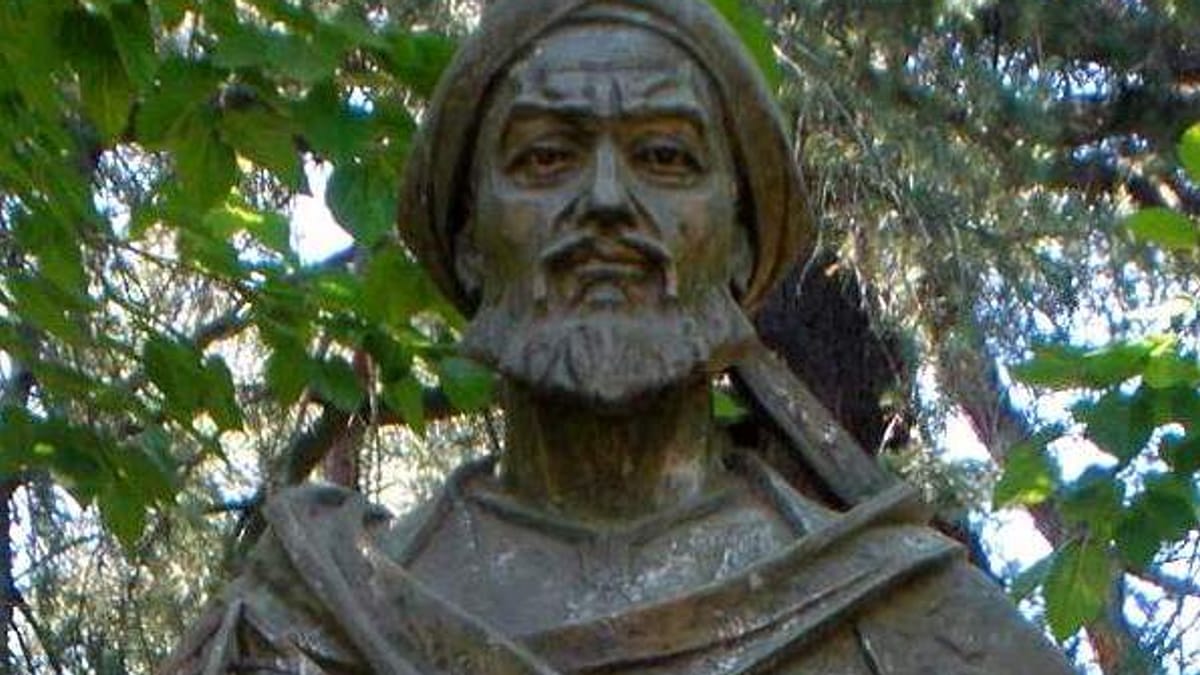
Al-Khwarizmi: The Mathematician Who Gave Us Algebra and Algorithms
Al-Khwarizmi's ninth-century books introduced algebra and Hindu-Arabic numerals to the wider world; the word 'algorithm' comes from his name.
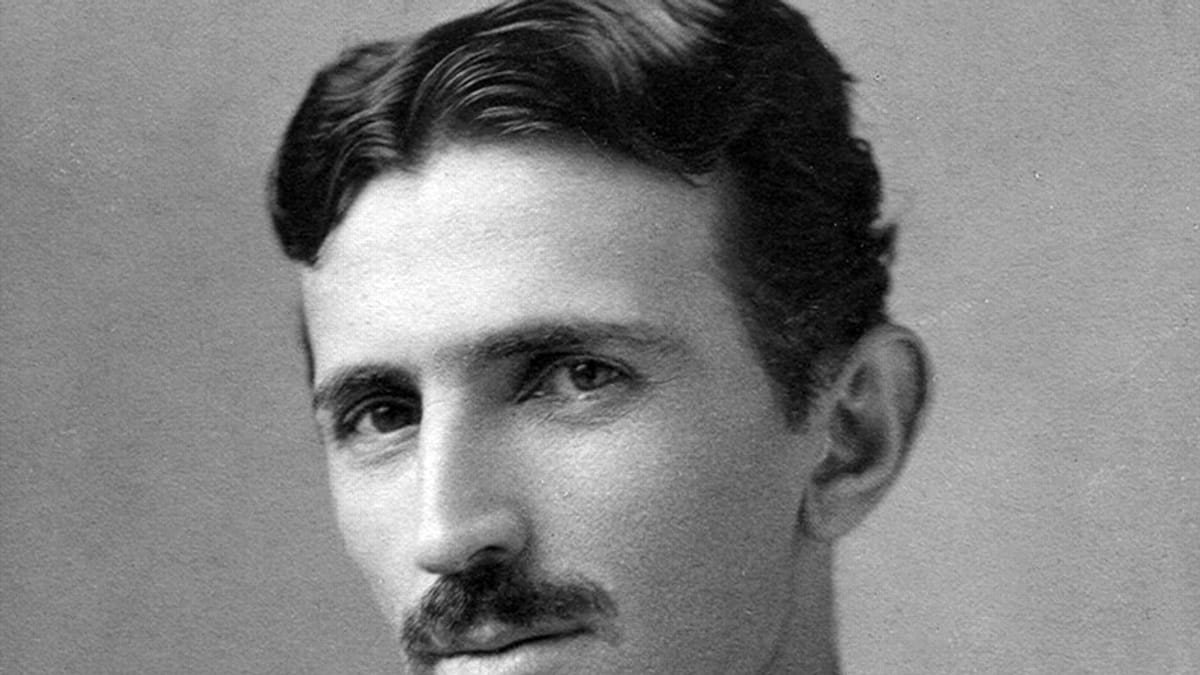
Nikola Tesla: The Inventor Behind Alternating Current
Nikola Tesla developed the alternating current induction motor and polyphase systems that underpin today's electricity grids.
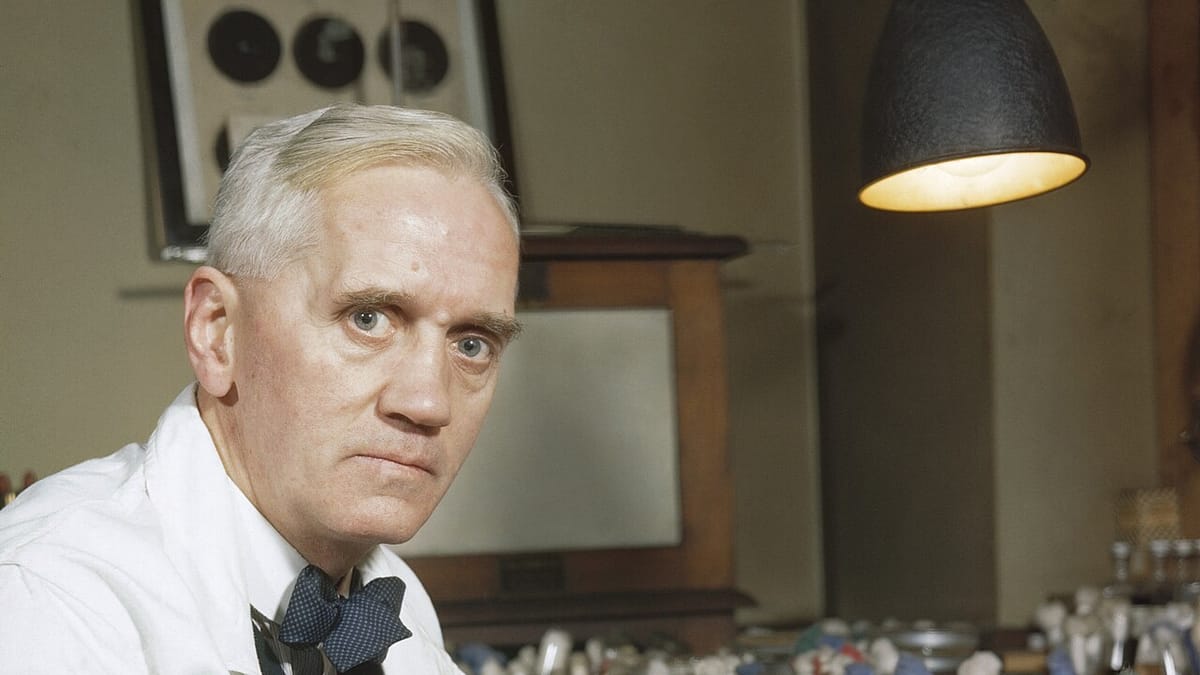
Alexander Fleming and the Accidental Discovery of Penicillin
Alexander Fleming discovered penicillin in 1928; Howard Florey and Ernst Chain turned it into a life-saving medicine during the Second World War.
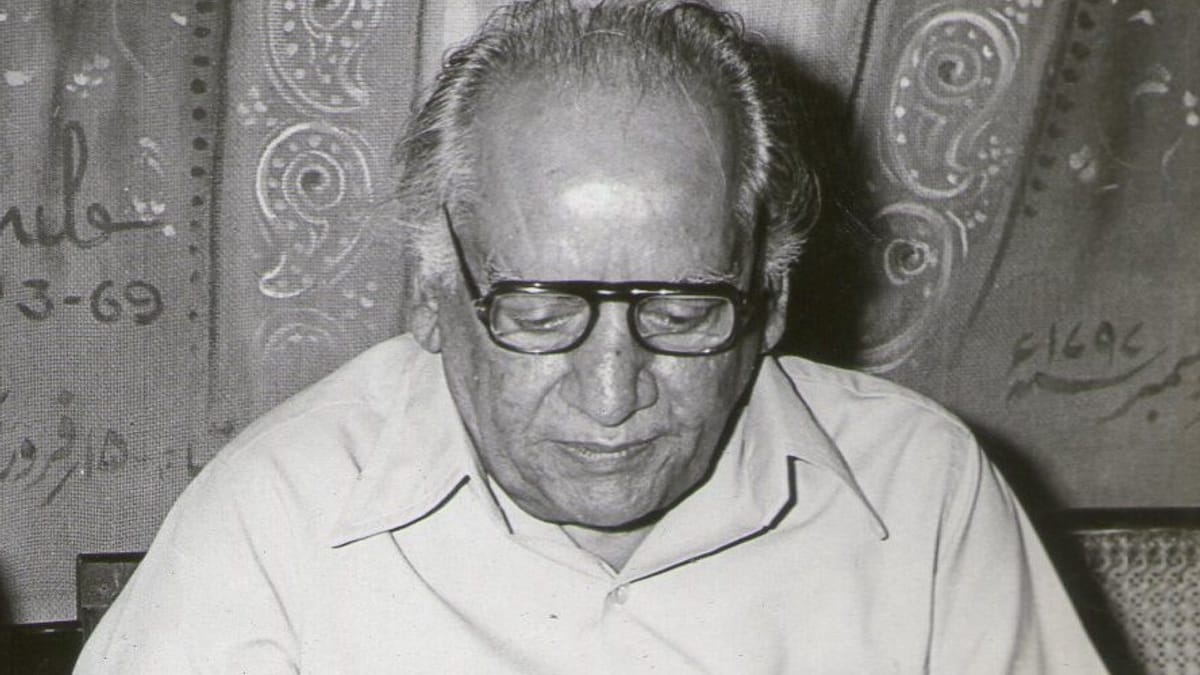
Faiz Ahmed Faiz: The Poet of Love and Revolution
Faiz Ahmed Faiz blended romantic and revolutionary themes in Urdu poetry and remains one of South Asia's most celebrated poets.
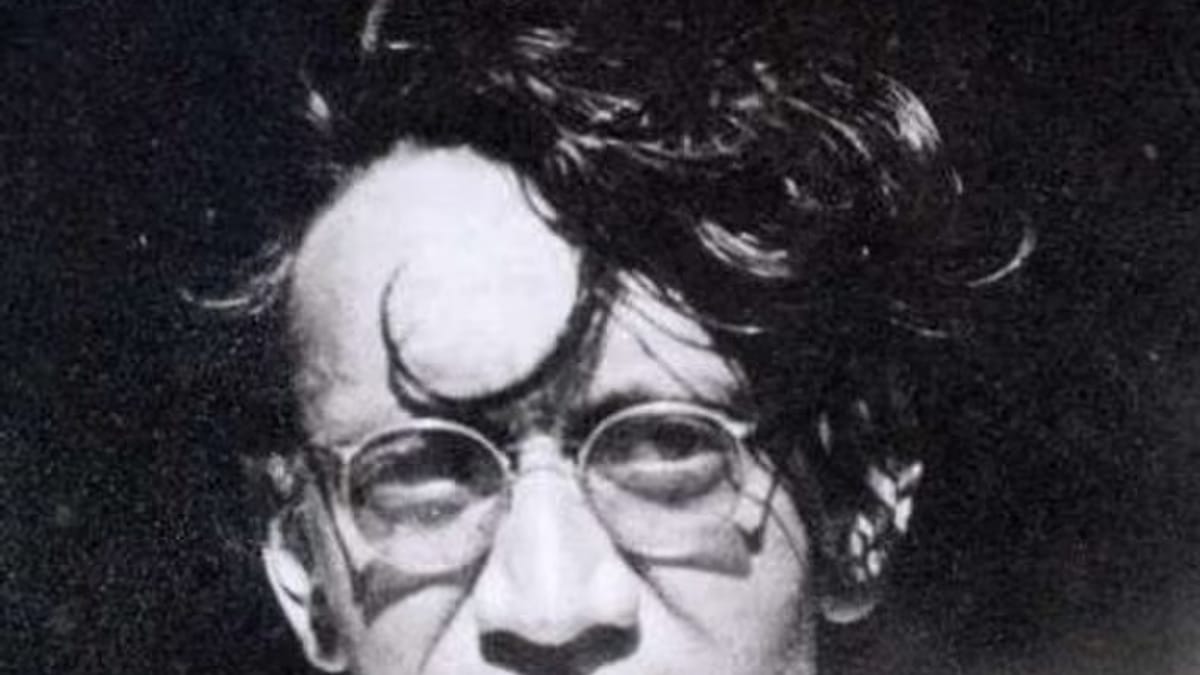
Saadat Hasan Manto: The Writer Who Told the Truth About Partition
Saadat Hasan Manto's short stories, including 'Toba Tek Singh', captured the madness of Partition and are now classics of Urdu literature.
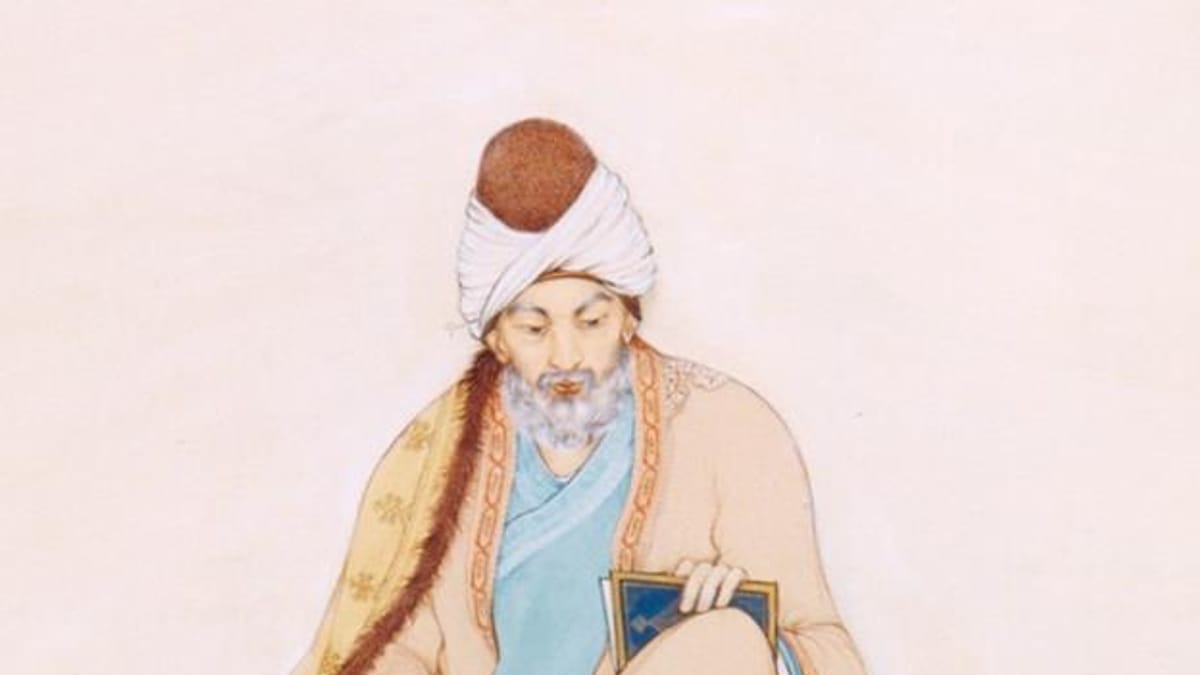
Rumi: The Thirteenth-Century Mystic Who Still Speaks to the World
Jalaluddin Rumi was a Persian poet and Sufi mystic whose Masnavi is one of the great works of world literature.
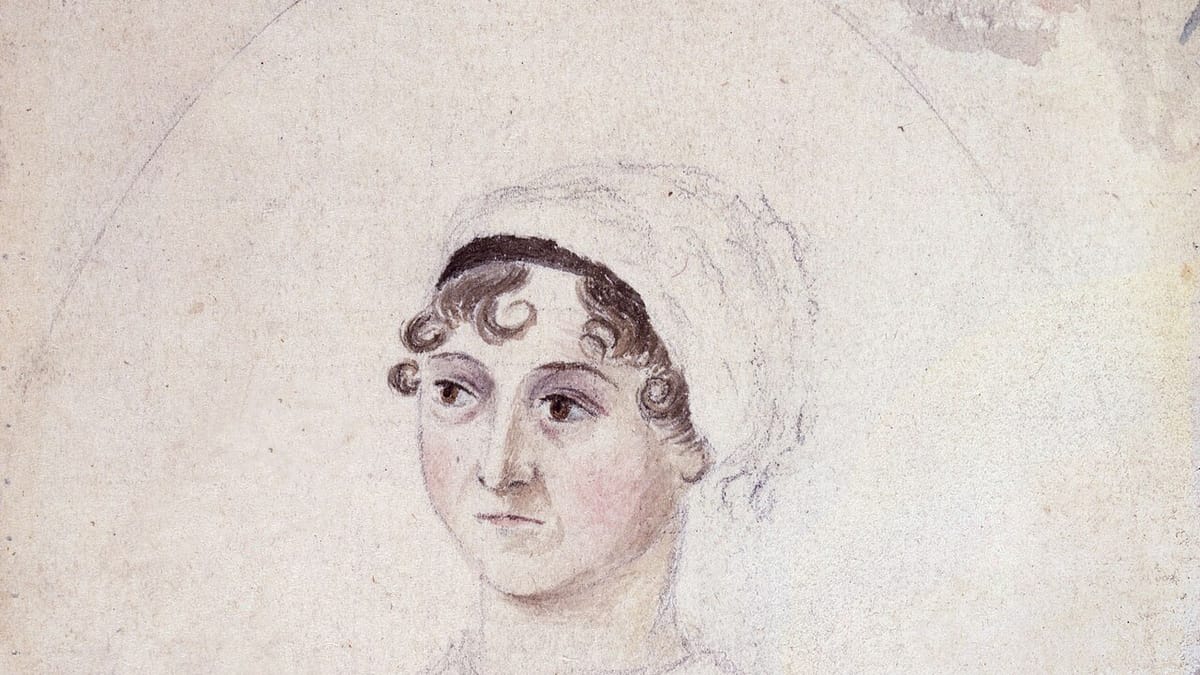
Jane Austen: The Novelist Who Turned Everyday Life into Art
Jane Austen's novels, including Pride and Prejudice, combine romance with sharp social observation about women's limited choices.
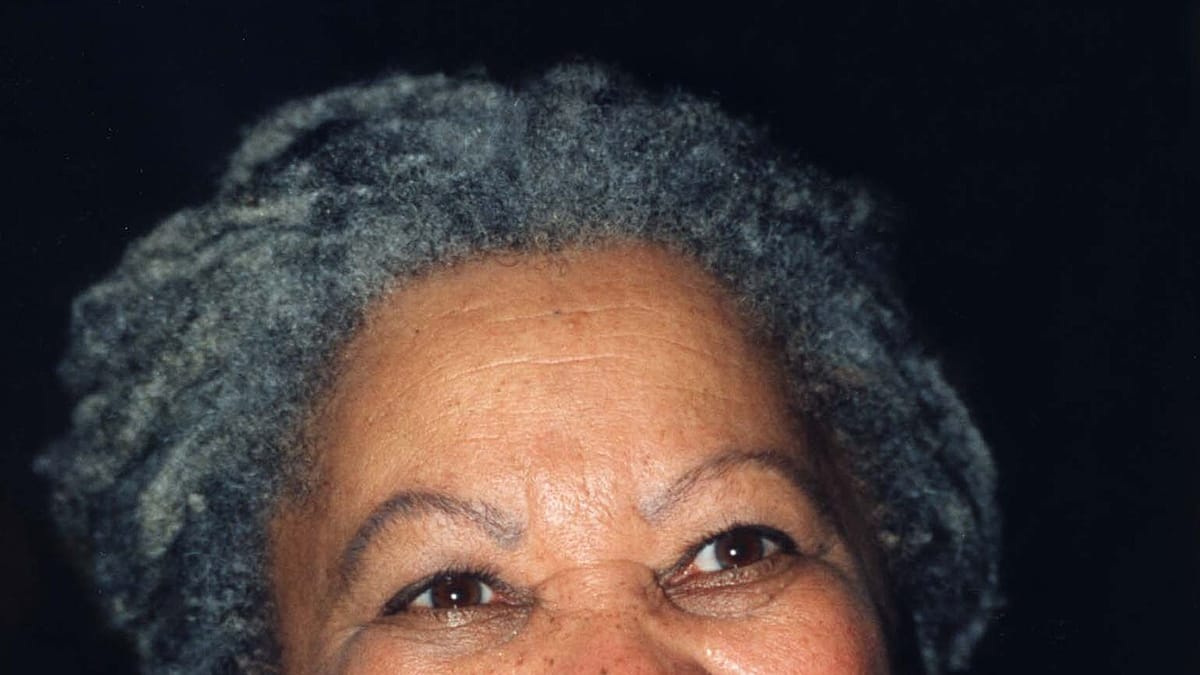
Toni Morrison: The Nobel Laureate Who Wrote Black American Life into Literature
Toni Morrison won the Nobel Prize in Literature in 1993 for novels including Beloved and Song of Solomon.
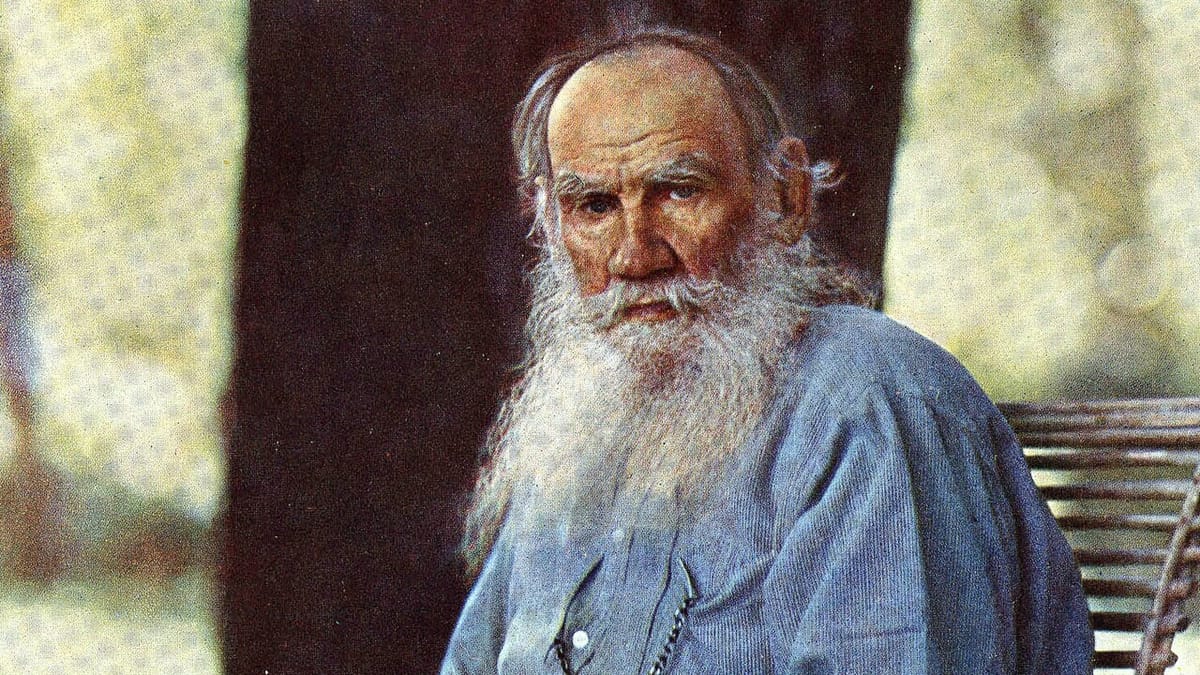
Leo Tolstoy: The Aristocrat Who Wrote War and Peace and Preached Nonviolence
Leo Tolstoy wrote War and Peace and Anna Karenina, then turned to a radical Christian philosophy of nonviolence and simple living.
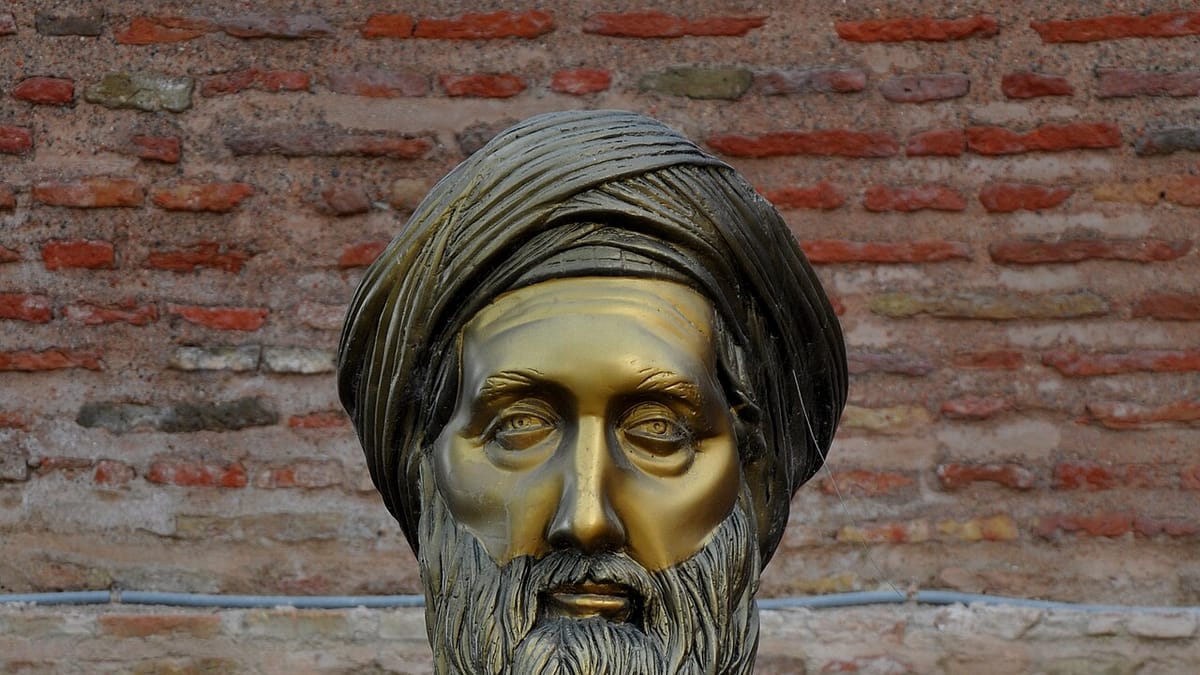
Ibn Khaldun: The Fourteenth-Century Scholar Who Invented the Study of Society
Ibn Khaldun's Muqaddimah introduced the concept of asabiyyah, or group solidarity, and is considered a founding work of sociology and historiography.
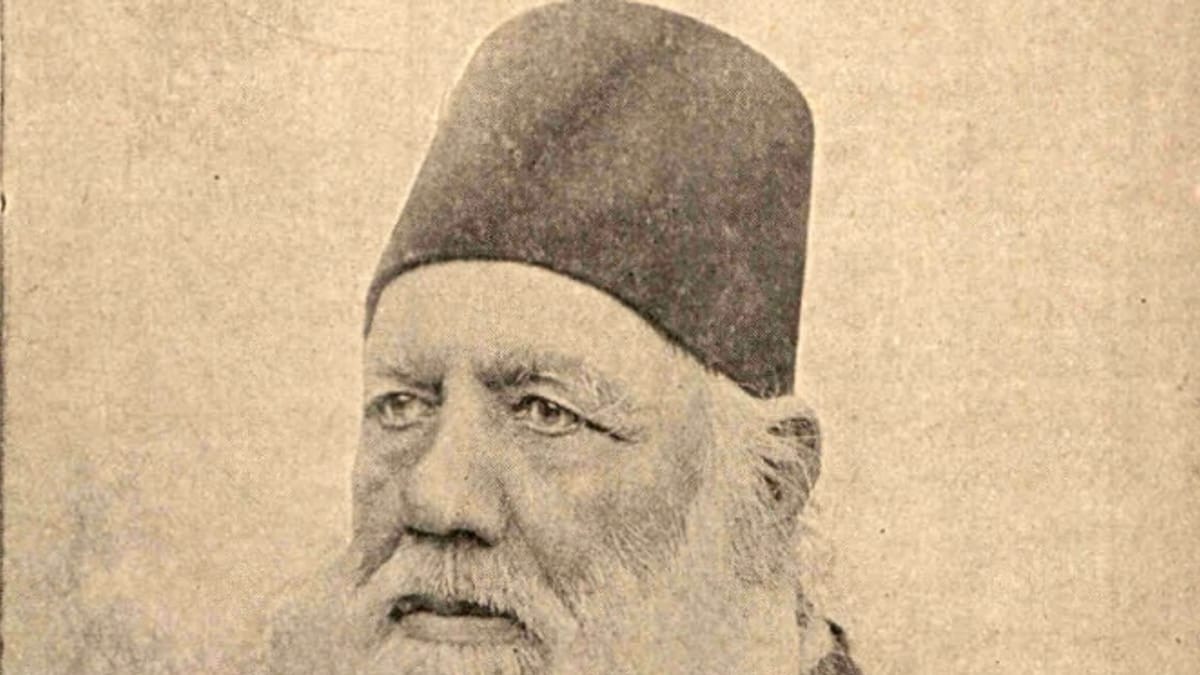
Sir Syed Ahmad Khan: The Reformer Who Founded Aligarh
Sir Syed Ahmad Khan founded the Muhammadan Anglo-Oriental College at Aligarh in 1875, which became Aligarh Muslim University.
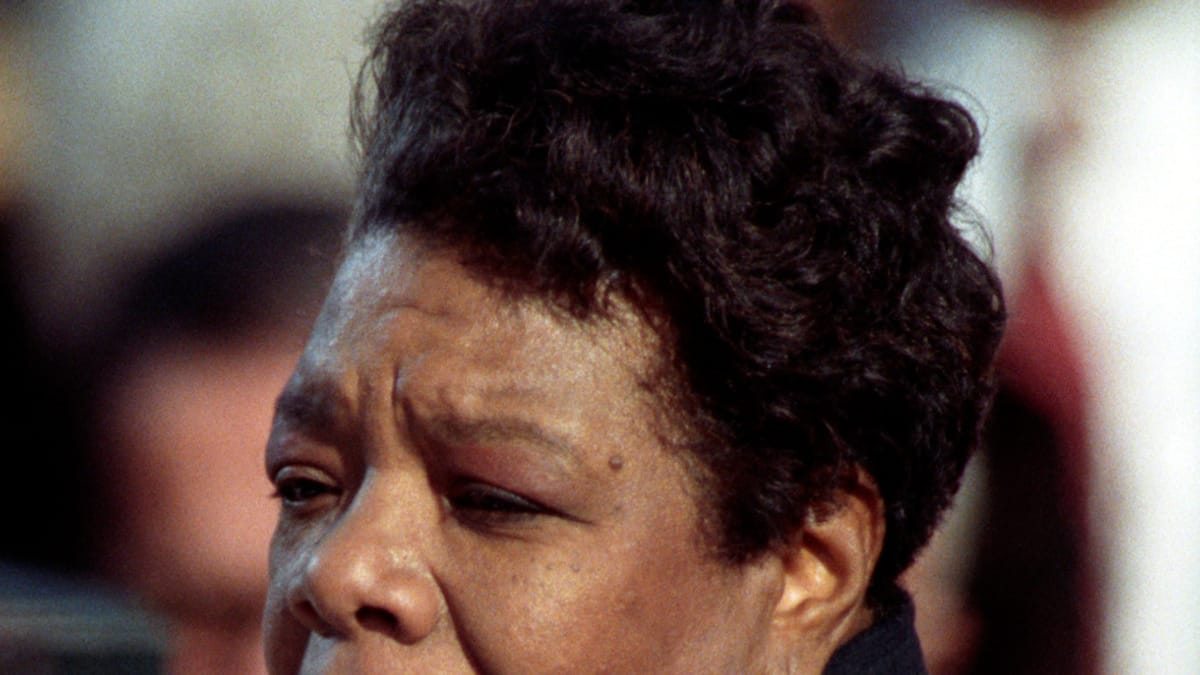
Maya Angelou: Poet, Memoirist and Voice of Resilience
Maya Angelou's memoirs and poetry, including 'Still I Rise', explored race, identity and survival.
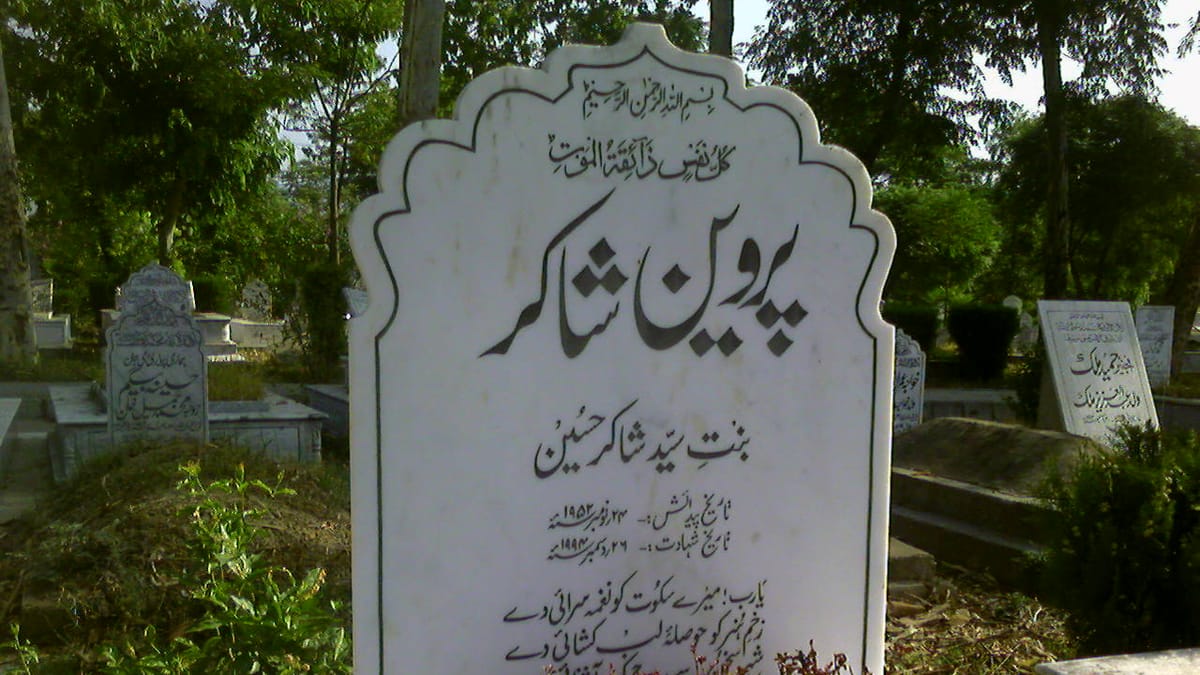
Parveen Shakir: The Poet Who Gave Urdu Poetry a Woman's Voice
Parveen Shakir wrote about love, longing and womanhood with a frankness that transformed modern Urdu poetry.
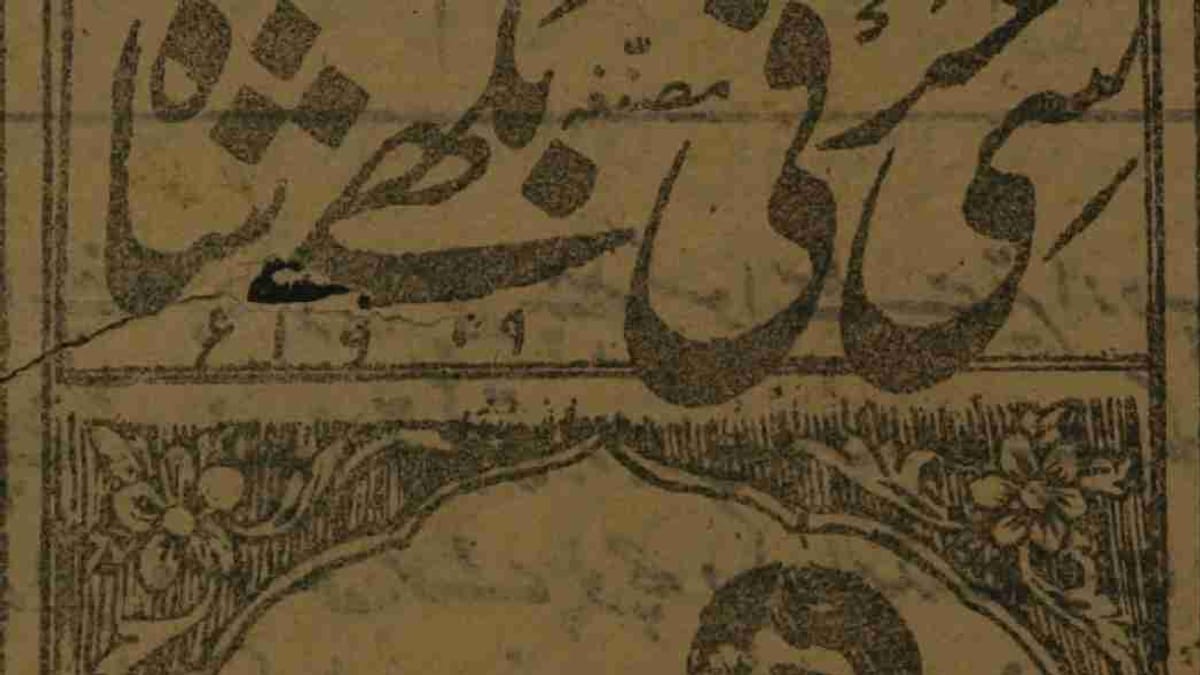
Bulleh Shah: The Sufi Poet of Punjab Who Questioned Everything
Bulleh Shah wrote Punjabi kafis rejecting religious pride and social division. His shrine in Kasur draws visitors from across the region.
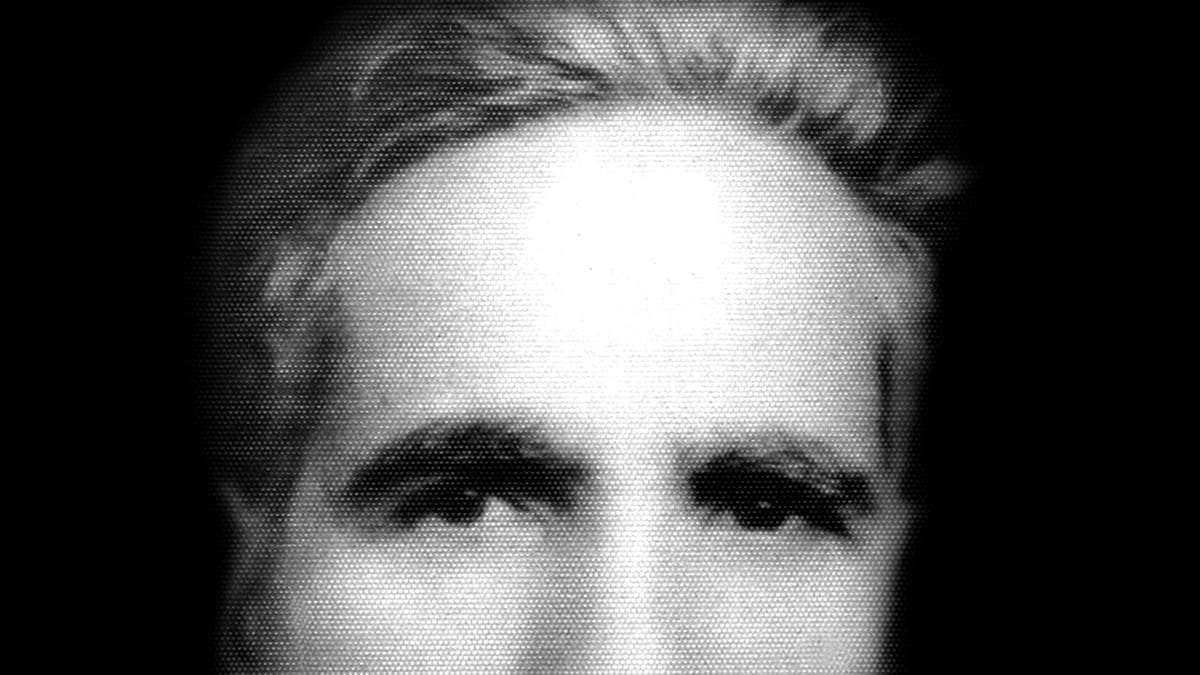
Allama Muhammad Iqbal: The Poet Philosopher Who Imagined Pakistan
Born in Sialkot in 1877, Iqbal studied in Lahore, Cambridge and Munich, and his poetry still shapes how Pakistan sees itself.