The Cuban Missile Crisis Explained: Thirteen Days That Nearly Ended the World
How a standoff over Soviet missiles in Cuba in October 1962 brought the superpowers to the edge of nuclear war.
In brief: The Cuban Missile Crisis was a 13 day confrontation in October 1962 between the United States and the Soviet Union over Soviet nuclear missiles placed in Cuba, about 150 kilometres from Florida. It is widely regarded as the moment the Cold War came closest to full-scale nuclear war. It ended when Soviet leader Nikita Khrushchev agreed to remove the missiles in exchange for a US pledge not to invade Cuba and a secret promise to withdraw US missiles from Turkey.
Background
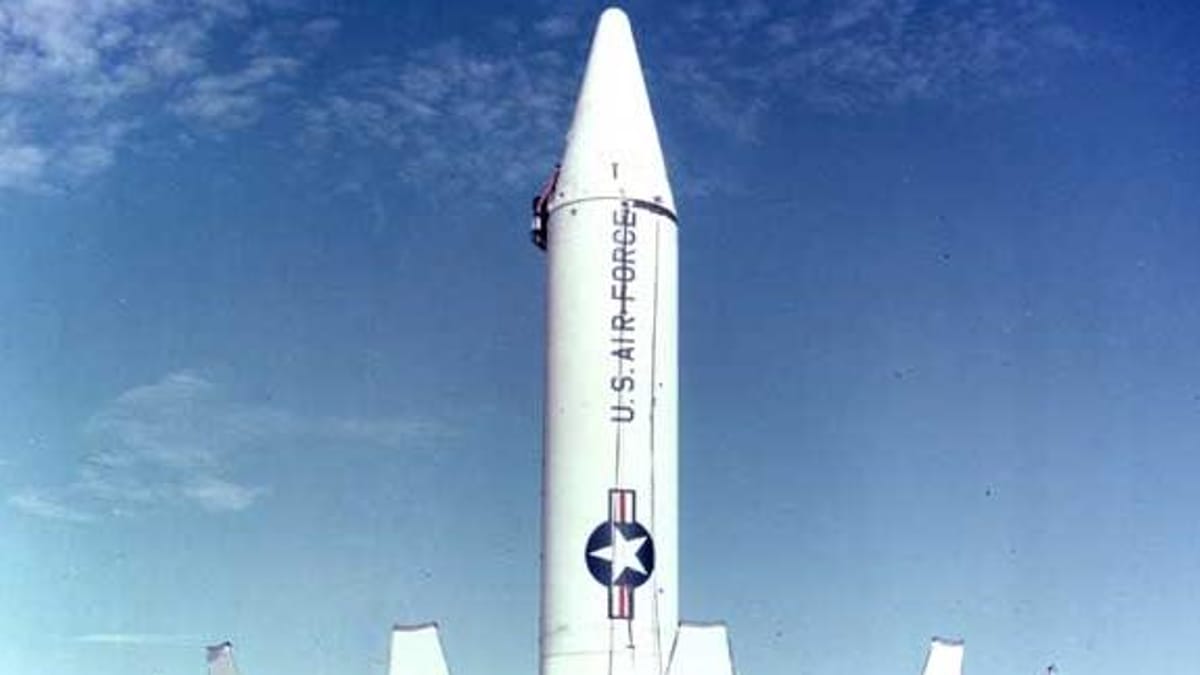
Fidel Castro's revolution in 1959 brought Cuba into alliance with the Soviet Union. In April 1961 a CIA-backed invasion by Cuban exiles at the Bay of Pigs failed, and Castro feared another attempt. The United States had also deployed Jupiter nuclear missiles in Italy and Turkey, within range of the Soviet Union. Khrushchev decided in 1962 to secretly place medium and intermediate range nuclear missiles in Cuba.
The thirteen days
- 14 October: a US U-2 spy plane photographed missile sites under construction in Cuba.
- 16 October: President John F. Kennedy was briefed and assembled a group of advisers known as ExComm.
- 22 October: Kennedy announced the discovery in a televised address and declared a naval "quarantine" of Cuba, avoiding the word blockade, which would have been an act of war.
- 24 October: Soviet ships approaching the quarantine line stopped or turned back.
- 27 October: "Black Saturday". A U-2 was shot down over Cuba, killing its pilot, Major Rudolf Anderson. On a Soviet submarine near the quarantine line, which US forces were forcing to surface with practice depth charges, officer Vasili Arkhipov is reported to have refused to agree to the launch of a nuclear torpedo.
- 28 October: Khrushchev announced on Radio Moscow that the missiles would be dismantled.
The deal
Publicly, the United States promised not to invade Cuba. Privately, Attorney General Robert Kennedy assured the Soviet ambassador, Anatoly Dobrynin, that the Jupiter missiles in Turkey would be removed within months, which they were in 1963. The secret part of the deal was not widely known for many years.
Aftermath
Both sides recognised how close they had come to catastrophe. In 1963 they set up a direct communication link between Washington and Moscow, known as the hotline, and signed the Partial Nuclear Test Ban Treaty, along with the United Kingdom, banning nuclear tests in the atmosphere, in space and under water. Khrushchev's standing at home was damaged and he was removed in 1964.
Lessons
The crisis is studied as a case of crisis management, miscalculation and the importance of leaving an adversary room to back down. Many of those involved later said that luck played as large a part as skill in avoiding war.
Frequently Asked Questions
How long did the Cuban Missile Crisis last?
Thirteen days, from 16 to 28 October 1962.
How did the Cuban Missile Crisis end?
The Soviet Union removed its missiles from Cuba in return for a US promise not to invade Cuba and a secret agreement to remove US missiles from Turkey.