Jinnah's Fourteen Points of 1929 Explained
The constitutional demands that set out the Muslim League's minimum terms after the Nehru Report.
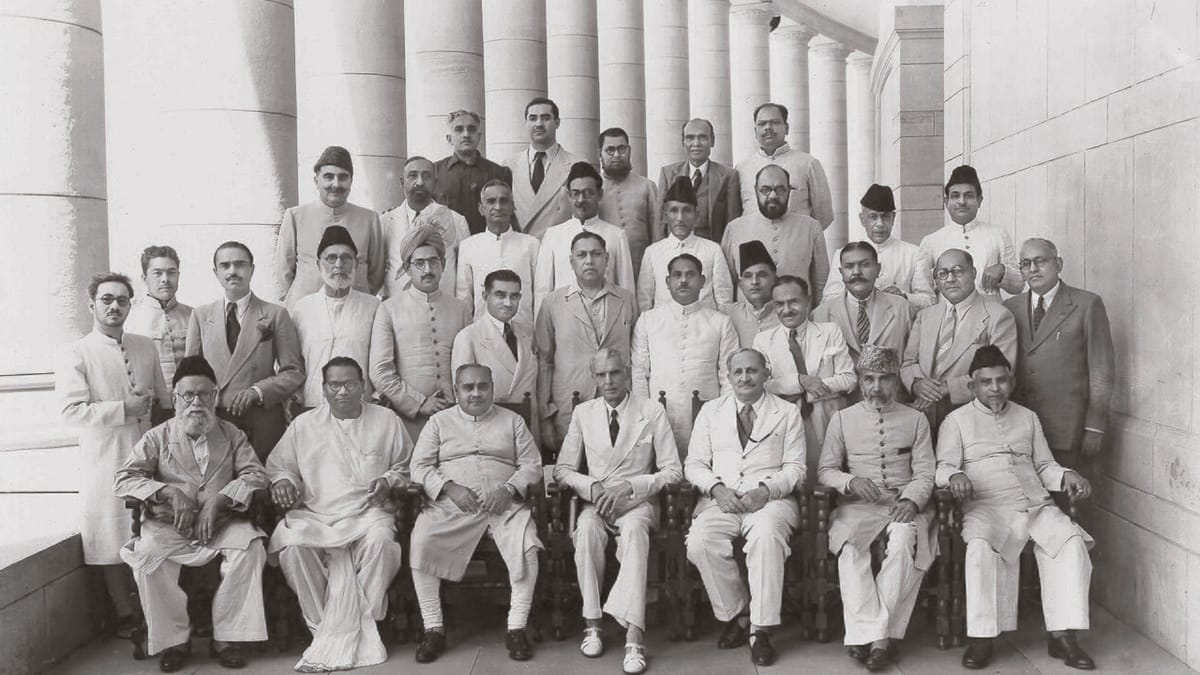
In brief: The Fourteen Points were a set of constitutional proposals presented by Muhammad Ali Jinnah at a meeting of the All-India Muslim League in Delhi in March 1929. They were a response to the Nehru Report of 1928 and set out the safeguards Jinnah believed Muslims needed in a self-governing India. Their rejection is often seen as a turning point on the road to the demand for Pakistan.
Why they were written
In 1927 the British government appointed the Simon Commission to review India's constitution. Because it had no Indian members, almost every Indian party boycotted it. Indian leaders were challenged to draft their own constitution, and an all-parties committee chaired by Motilal Nehru produced the Nehru Report in 1928.
The report proposed dominion status, a strong centre and joint electorates, and it rejected the separate electorates that Muslims had held since 1909. At the All Parties Convention in Calcutta in December 1928, Jinnah proposed amendments, including one-third Muslim representation in the central legislature. They were turned down. Jinnah later described the moment as "the parting of the ways".
The main points
- A federal constitution, with residuary powers left to the provinces.
- Uniform autonomy for all provinces.
- Adequate and effective representation of minorities in every legislature, without reducing a majority in any province to a minority or equality.
- At least one-third Muslim representation in the central legislature.
- Continued separate electorates, with the option for any community to move to joint electorates later.
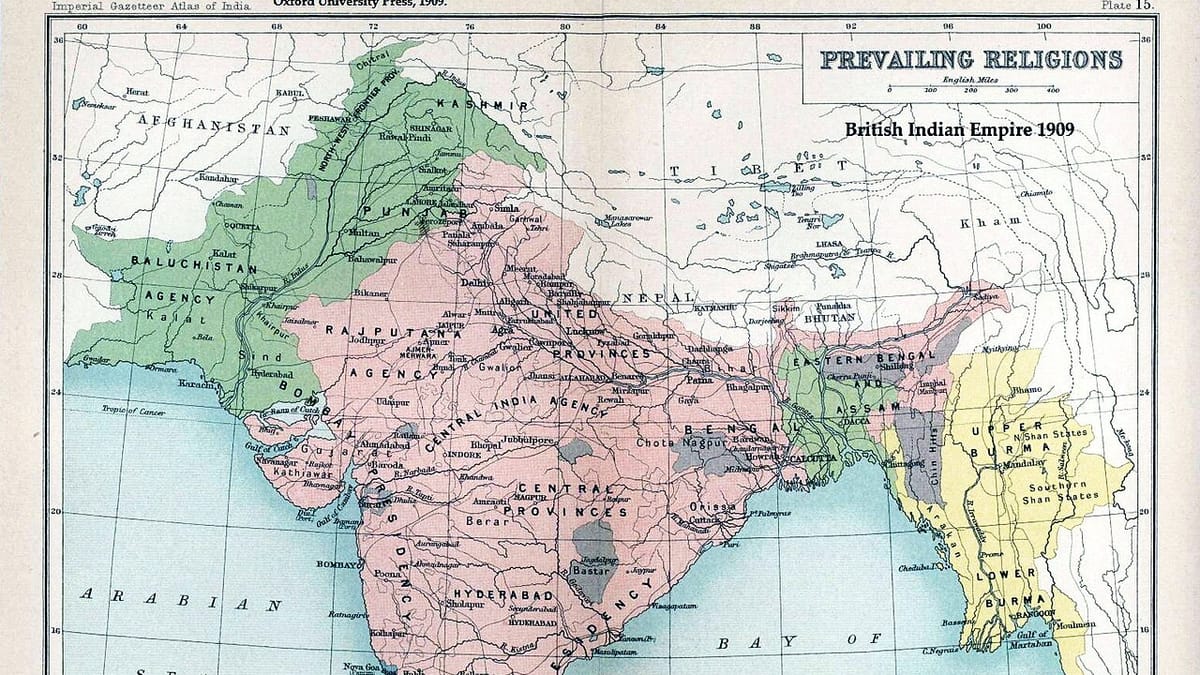
- No territorial redistribution that would affect the Muslim majority in Punjab, Bengal and the North-West Frontier Province.
- Full religious liberty for all communities.
- No bill to pass in any legislature if three-fourths of the members of a community opposed it as harmful to that community.
- Separation of Sindh from the Bombay Presidency.
- Reforms in the North-West Frontier Province and Balochistan on the same footing as other provinces.
- A fair share for Muslims in government services.
- Protection of Muslim culture, education, language, religion and personal law.
- At least one-third Muslim ministers in central and provincial cabinets.
- No change to the constitution without the agreement of the states forming the federation.
What happened next
The Congress did not accept the points, and the Round Table Conferences in London from 1930 to 1932 failed to settle the question of minority rights. Several of Jinnah's demands were later reflected in British legislation: the Government of India Act 1935 created provincial autonomy and separated Sindh from Bombay in 1936.
Their significance
The Fourteen Points show that in 1929 Jinnah was still seeking a place for Muslims within a united, federal India. Many historians see the failure to reach agreement on them as one of the steps that led the Muslim League, eleven years later, to demand separate states in the Lahore Resolution of 1940.
Frequently Asked Questions
Why did Jinnah present the Fourteen Points?
To respond to the Nehru Report of 1928, which had rejected separate electorates and the safeguards Muslim leaders wanted.
Were any of the Fourteen Points accepted?
Not by the Congress at the time, but provincial autonomy and the separation of Sindh were later introduced under the Government of India Act 1935.