The Lahore Resolution of 1940: The Day the Idea of Pakistan Became a Demand
How a resolution passed at Minto Park in March 1940 set South Asia on the road to partition and independence.
In brief: The Lahore Resolution, also called the Pakistan Resolution, was adopted by the All-India Muslim League at its annual session in Lahore from 22 to 24 March 1940. It demanded that the Muslim-majority areas in the north-west and east of British India be grouped into "independent states". It is the founding political document of Pakistan, and 23 March is marked every year as Pakistan Day.
The background
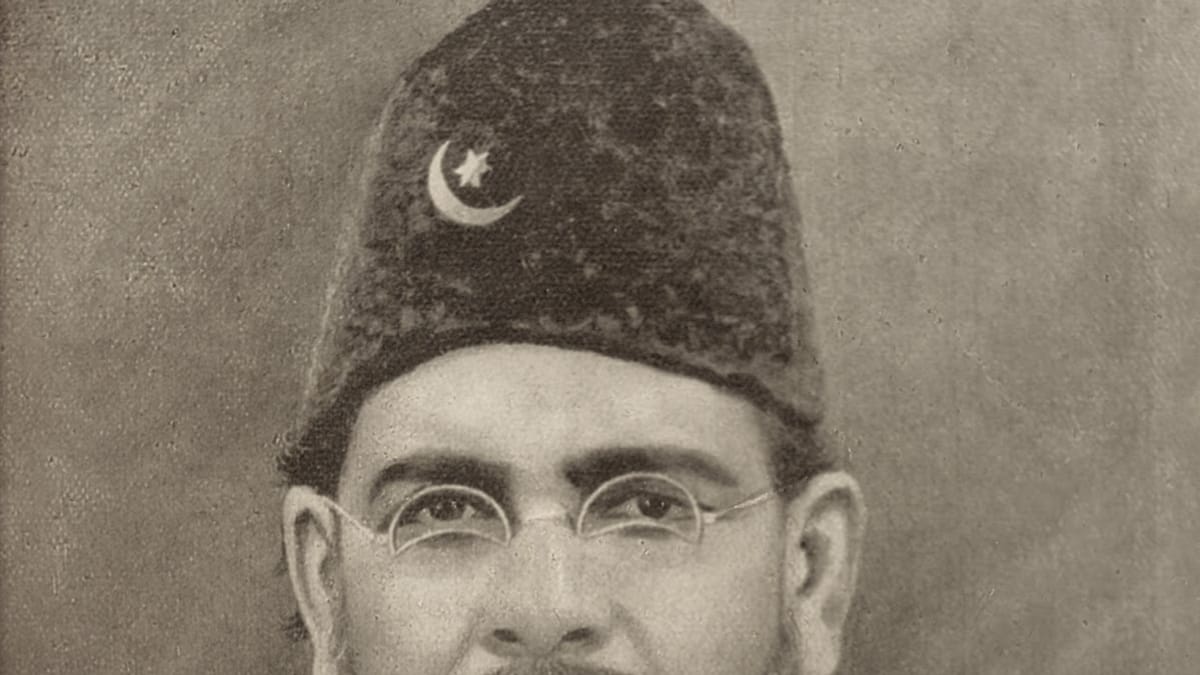
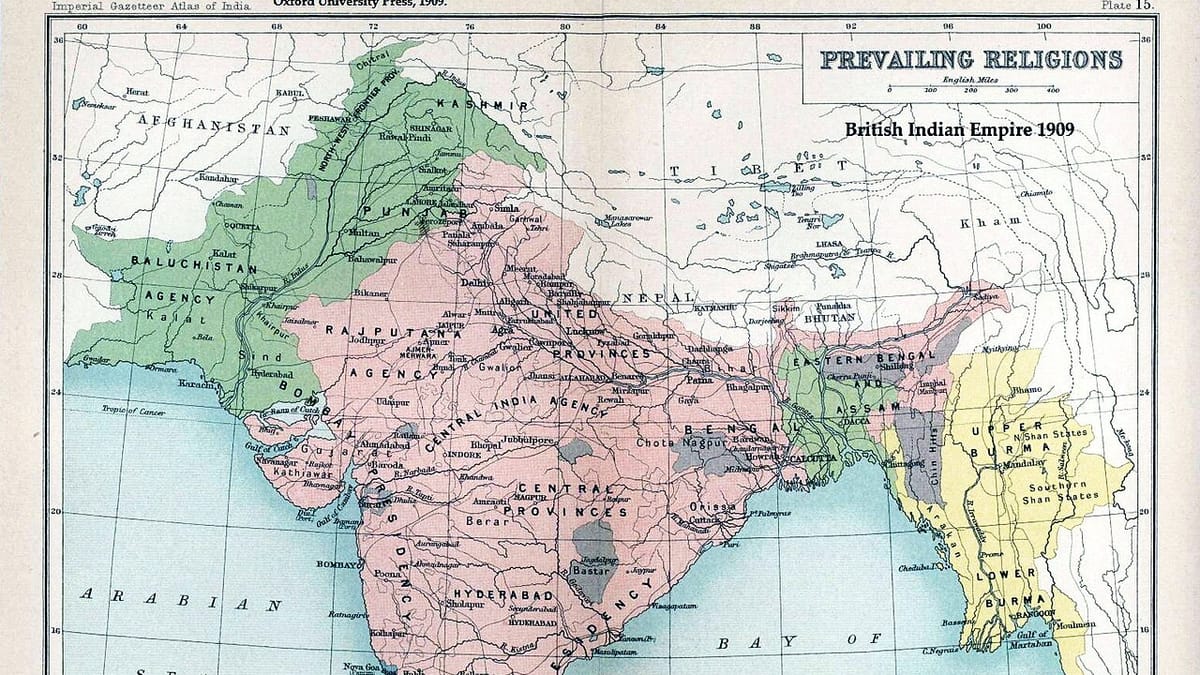
By the late 1930s many Muslim leaders had concluded that a united, independent India governed by a simple majority would leave Muslims as a permanent minority. The 1937 provincial elections, after which the Indian National Congress formed governments in most provinces without sharing power with the Muslim League, deepened that fear. Allama Muhammad Iqbal had already argued in his Allahabad address of 1930 for a consolidated Muslim state in north-west India, and Choudhry Rahmat Ali had coined the name "Pakistan" in 1933.
When the Second World War began in 1939, the British needed Indian cooperation and both the Congress and the League tried to set out their terms for the future. The League's answer came in Lahore.
The session at Minto Park
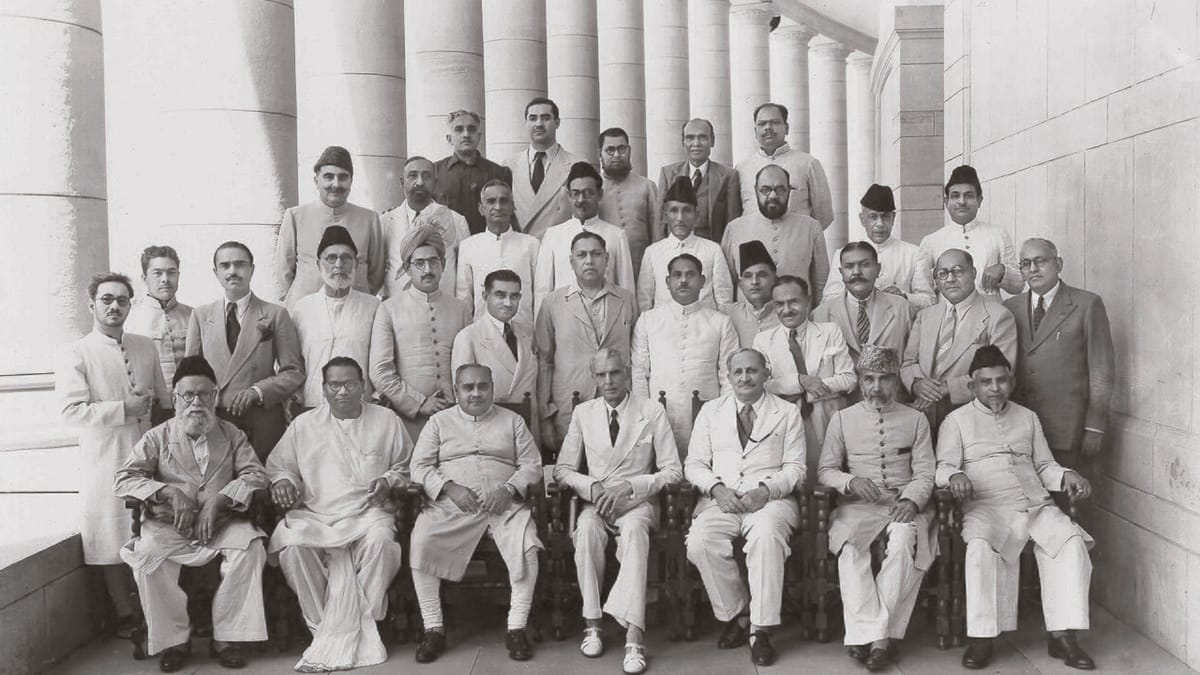
The session was held at Minto Park, now Greater Iqbal Park, under the presidency of Muhammad Ali Jinnah. In his long address on 22 March, Jinnah argued that Hindus and Muslims were "two different religious philosophies, social customs and literatures" and belonged to two nations. The resolution itself was moved on 23 March by A. K. Fazlul Huq, the Chief Minister of Bengal, and seconded by leaders from across India, including Chaudhry Khaliquzzaman. It was adopted on 24 March.
What the resolution said
The key paragraph asked that "geographically contiguous units" be demarcated into regions so that areas in which Muslims were numerically in a majority, as in the north-western and eastern zones of India, "should be grouped to constitute Independent States in which the constituent units shall be autonomous and sovereign". It also called for safeguards for minorities in every region.
The word "Pakistan" does not appear in the text. Newspapers quickly called it the Pakistan Resolution, and the League adopted the name. The phrase "Independent States", in the plural, was later debated: in 1946 the League's legislators at the Delhi convention clarified the demand as a single sovereign state.
From resolution to independence
Within seven years the demand became reality. The failure of the Cripps Mission in 1942 and of the Cabinet Mission Plan in 1946, the League's strong showing in the 1945 to 1946 elections and growing communal violence led to the British plan of 3 June 1947. Pakistan became independent on 14 August 1947.
How it is remembered
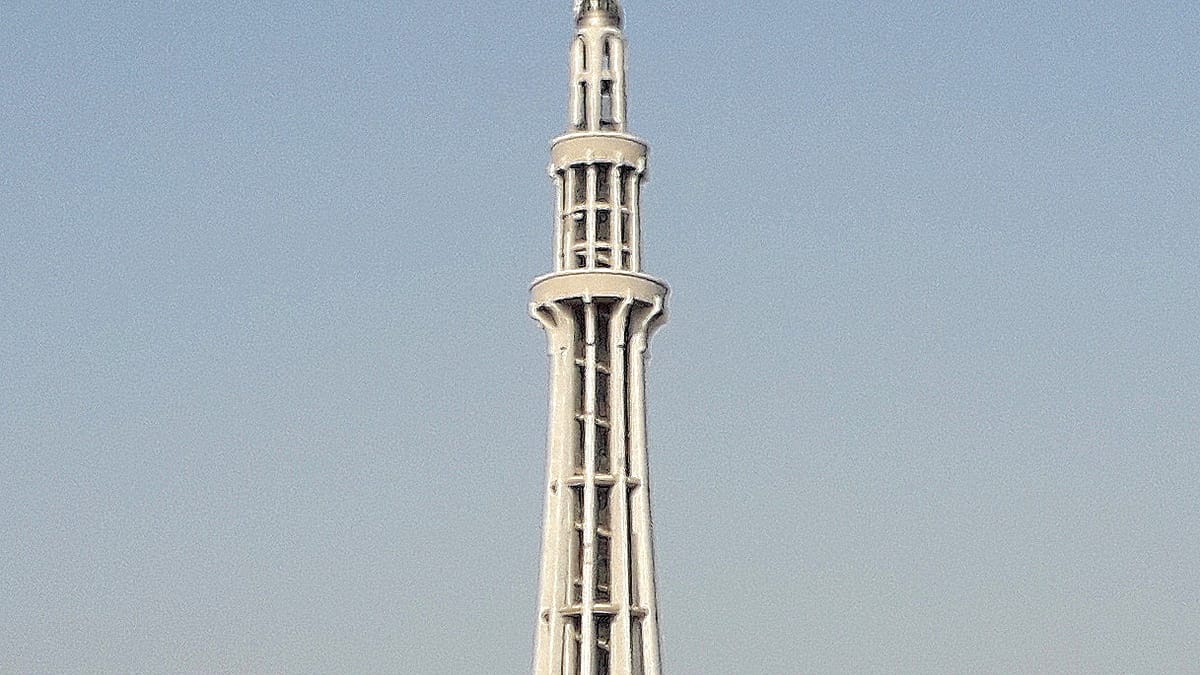
The Minar-e-Pakistan, a 62 metre tower completed in 1968, stands on the spot where the resolution was passed. Pakistan Day on 23 March also marks the adoption of the country's first constitution on 23 March 1956, which made Pakistan an Islamic republic. The day is celebrated with a military parade in Islamabad and the conferment of national awards.
Why it still matters
Historians continue to debate whether the 1940 resolution was a firm demand for partition or a bargaining position for a loose federation. Either way, it gave the Muslim League a clear goal and turned an idea discussed by poets and students into a mass political movement.
Frequently Asked Questions
When was the Lahore Resolution passed?
It was moved on 23 March 1940 and adopted on 24 March 1940 at the All-India Muslim League session in Lahore.
Who presented the Lahore Resolution?
A. K. Fazlul Huq, the Chief Minister of Bengal, moved the resolution. Muhammad Ali Jinnah presided over the session.
Does the resolution use the word Pakistan?
No. The press called it the Pakistan Resolution and the name stuck.