The Fall of the Berlin Wall: The Night the Cold War Cracked Open
On 9 November 1989, a confused announcement sent crowds to the border and ended 28 years of division.
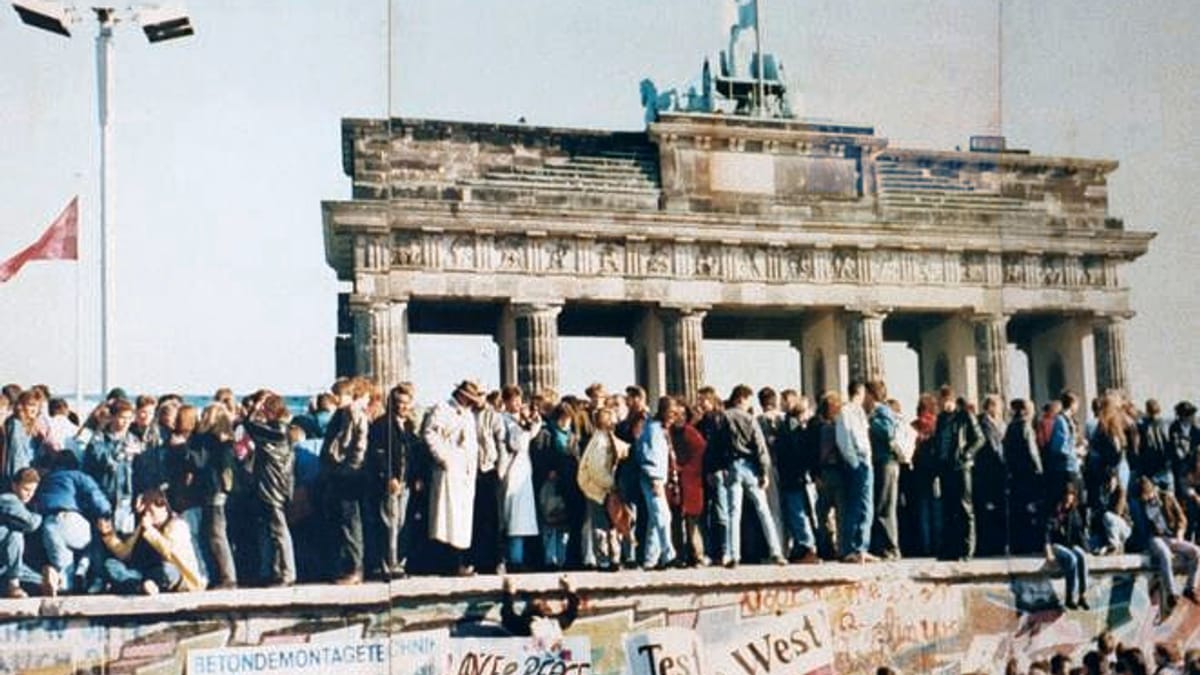
In brief: The Berlin Wall was built by communist East Germany in 1961 to stop its citizens fleeing to West Berlin. For 28 years it divided the city and symbolised the Cold War. On the night of 9 November 1989, after a confused government announcement, crowds forced the border guards to open the crossings. Germany was reunified less than a year later.
A divided city
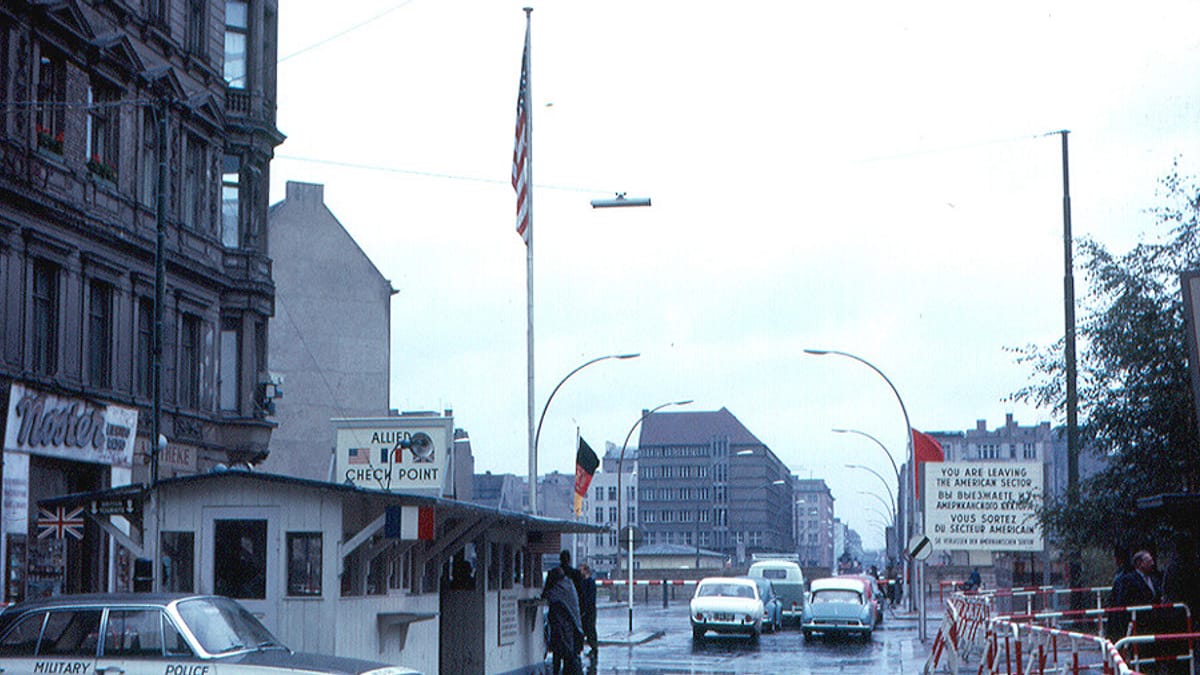
After World War II, Germany and Berlin were divided into zones run by the Allies. Berlin lay deep inside Soviet-controlled East Germany, but its western sectors became part of West Germany. By 1961 around three million East Germans had left for the West, many through Berlin.
The wall
On the night of 12 to 13 August 1961, East German forces sealed the border with barbed wire, later replaced by concrete walls, watchtowers and a heavily guarded "death strip". At least 140 people were killed trying to cross in Berlin.
1989
Reforms in the Soviet Union under Mikhail Gorbachev, the opening of Hungary's border with Austria, and mass protests in East German cities such as Leipzig put the regime under enormous pressure. On the evening of 9 November, government spokesman Günter Schabowski told a press conference that East Germans could travel freely and, asked when, said "immediately". Thousands rushed to the border. Overwhelmed guards opened the gates, and Berliners climbed onto the wall in celebration.
After the wall
Germany reunified on 3 October 1990. The fall of the wall became a symbol of the collapse of communist rule across Eastern Europe. See our Cold War timeline.
Frequently Asked Questions
Why was the Berlin Wall built?
East Germany built it in August 1961 to stop its citizens escaping to West Berlin, as millions had already left.