

Women
Women's lives, rights, history and achievements, documented and explained.
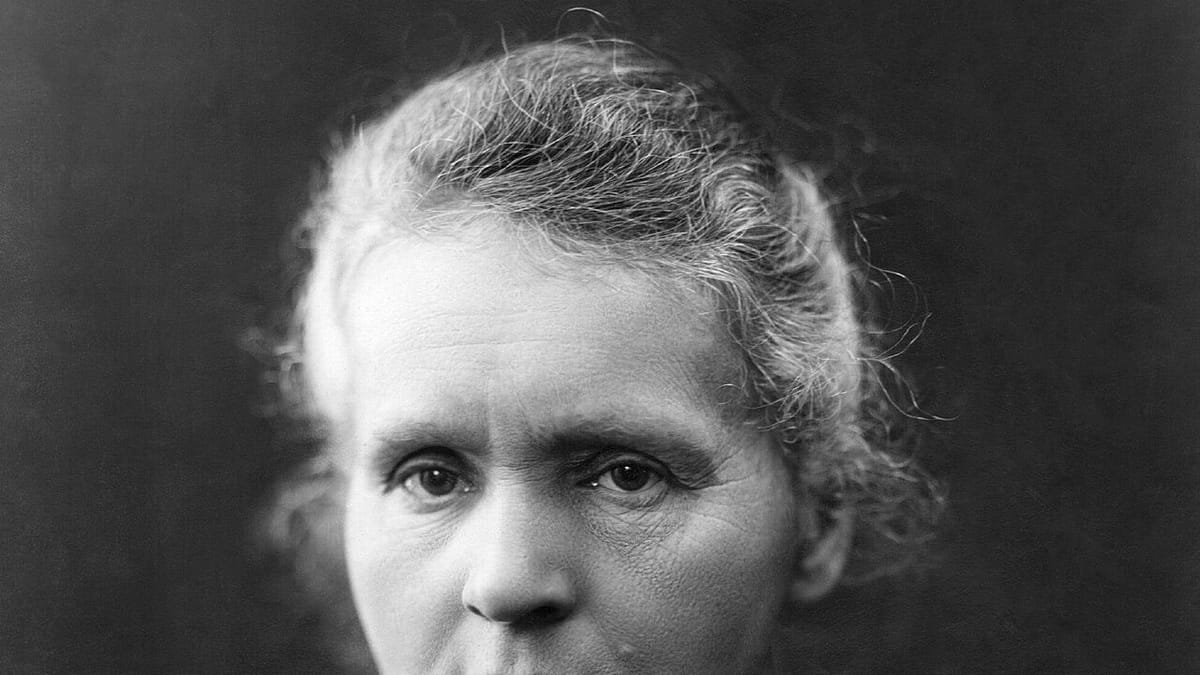
Marie Curie: The Scientist Who Won Two Nobel Prizes and Changed Physics and Medicine
Born in Warsaw in 1867, Marie Curie overcame poverty and prejudice to transform science. Her research still saves lives today.
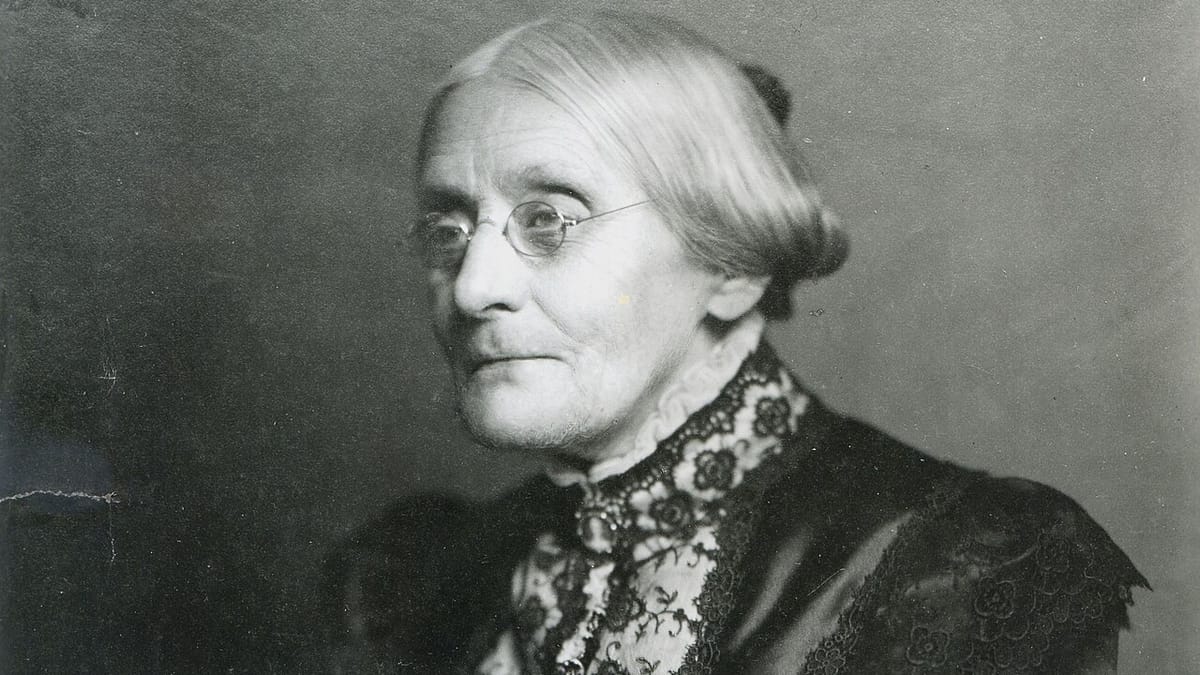
Susan B. Anthony: The Woman Who Was Arrested for Voting
Susan B. Anthony spent more than 50 years fighting for women's suffrage. She died in 1906, 14 years before the 19th Amendment.
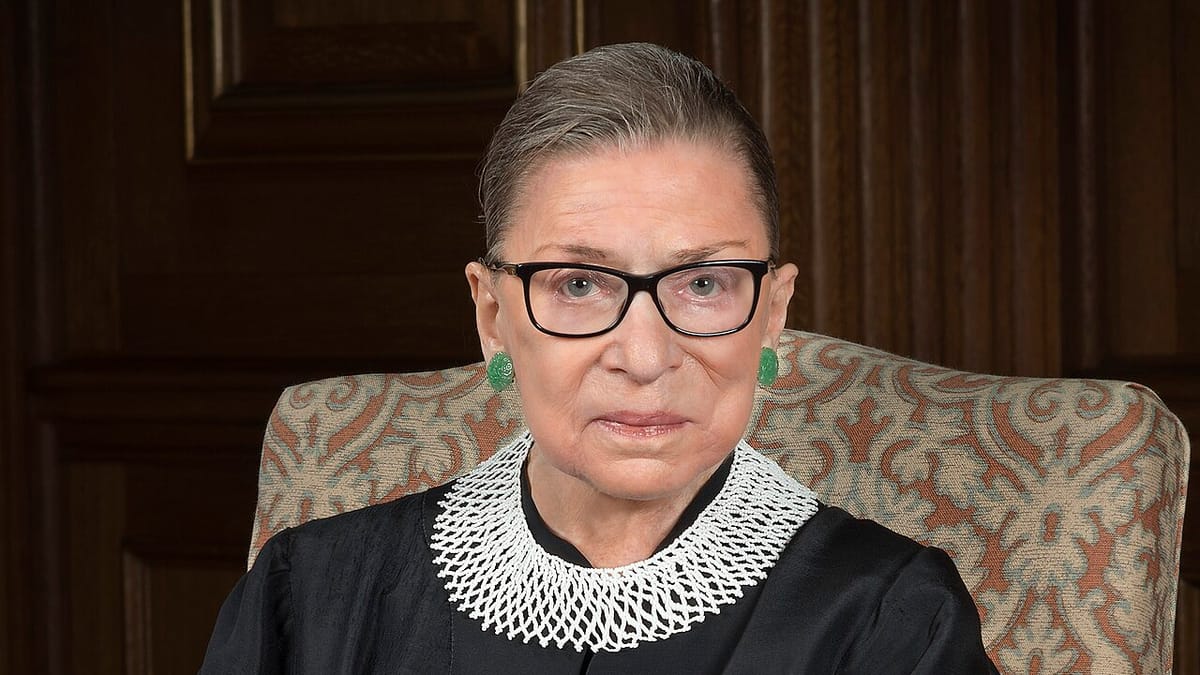
Ruth Bader Ginsburg: The Lawyer Who Made Equality a Constitutional Principle
Ruth Bader Ginsburg argued landmark sex discrimination cases in the 1970s and served on the US Supreme Court from 1993 until her death in 2020.
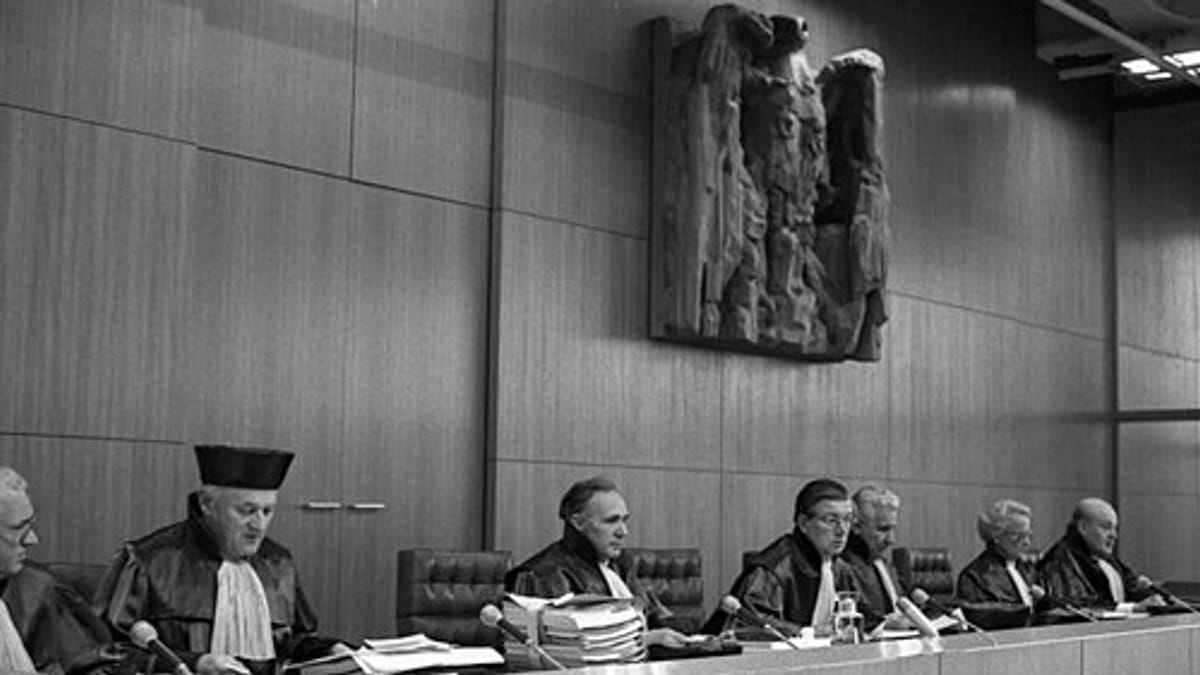
Roe v. Wade and Dobbs Explained: How Abortion Law Changed in the United States
In 2022 the Supreme Court overturned Roe v. Wade, ending the federal constitutional right to abortion and returning the issue to the states.

Title IX Explained: The 37 Words That Changed Education and Sports for Women
Title IX bans sex discrimination in any education program that receives federal funding. It transformed women's sports and access to college.
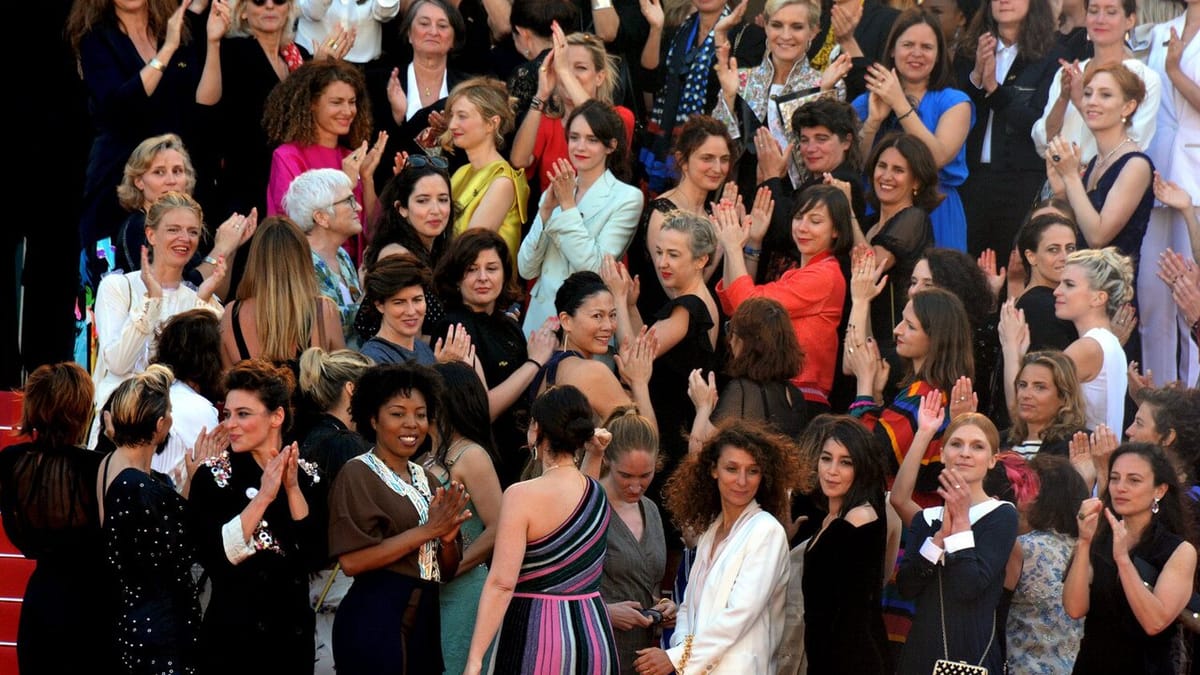
The Gender Pay Gap Explained: Causes, Laws and What the Numbers Really Mean
Women in the United States earn roughly 82 to 84 cents for every dollar earned by men, and the EU gap is about 12 percent. Here is why.

Simone Veil: Holocaust Survivor, Champion of Women's Rights and First President of the European Parliament
Simone Veil survived Auschwitz, steered France's 1975 abortion law through parliament and became the first president of the elected European Parliament.
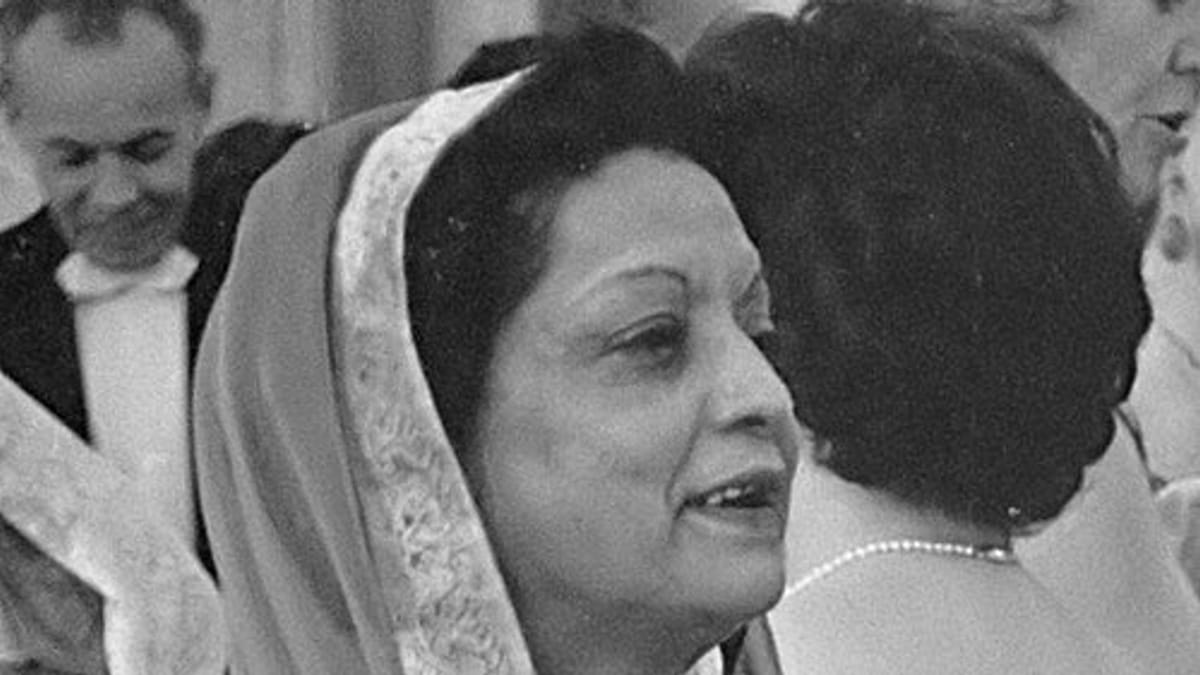
Ra'ana Liaquat Ali Khan: Pioneer of Women's Rights in Pakistan
Begum Ra'ana Liaquat Ali Khan founded APWA, became Sindh's first woman governor and devoted her life to women's welfare in Pakistan.
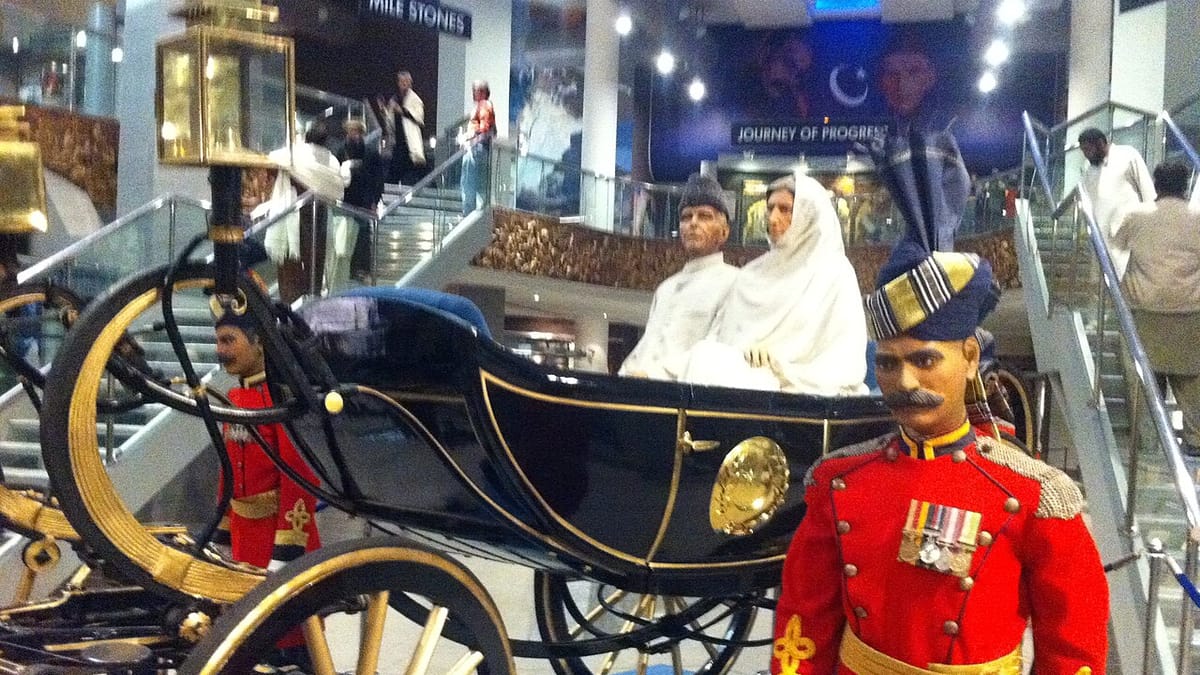
Fatima Jinnah: The Mother of the Nation
Fatima Jinnah supported Muhammad Ali Jinnah throughout the Pakistan Movement and ran for president against Ayub Khan in 1965.
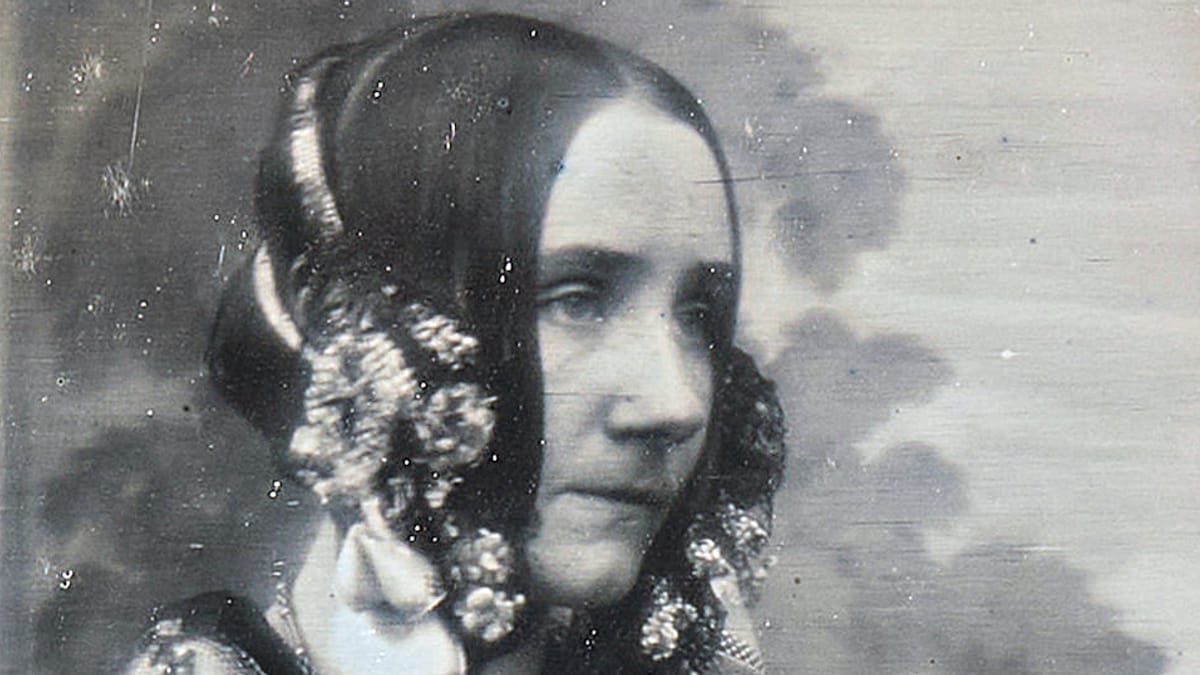
Ada Lovelace: The First Computer Programmer
Ada Lovelace wrote what is often called the first computer program, for Charles Babbage's Analytical Engine, in 1843.
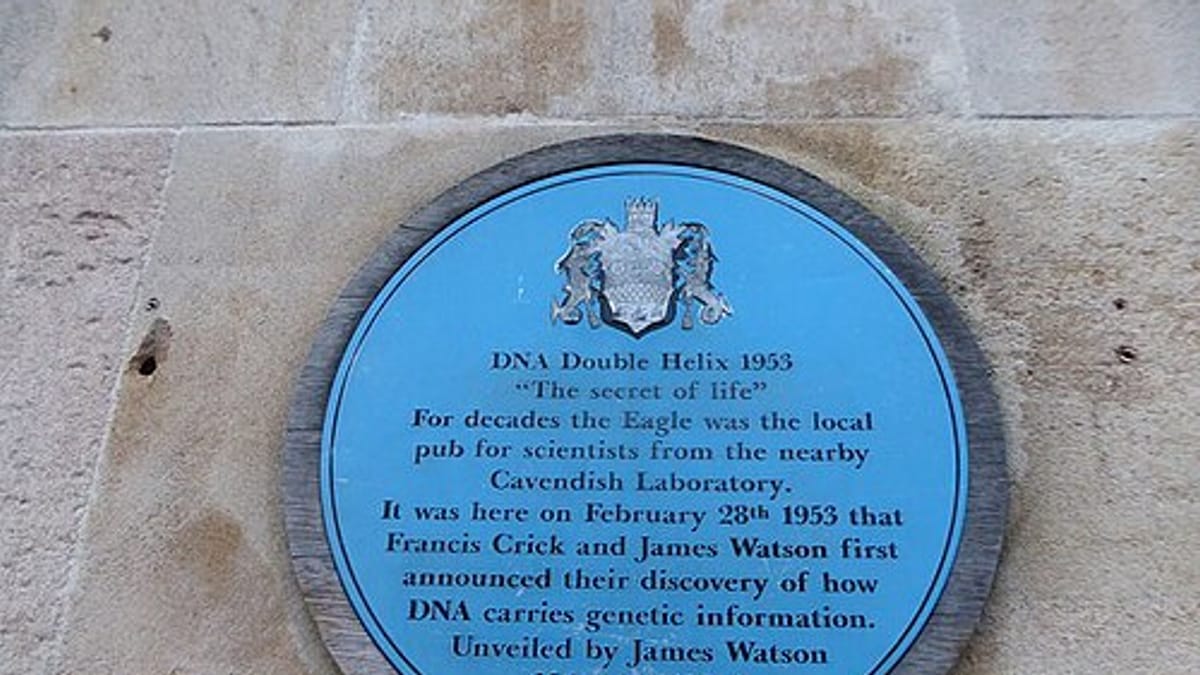
Rosalind Franklin and the Photograph That Revealed DNA
Rosalind Franklin's X-ray diffraction work, including Photo 51, provided key evidence for the structure of DNA.
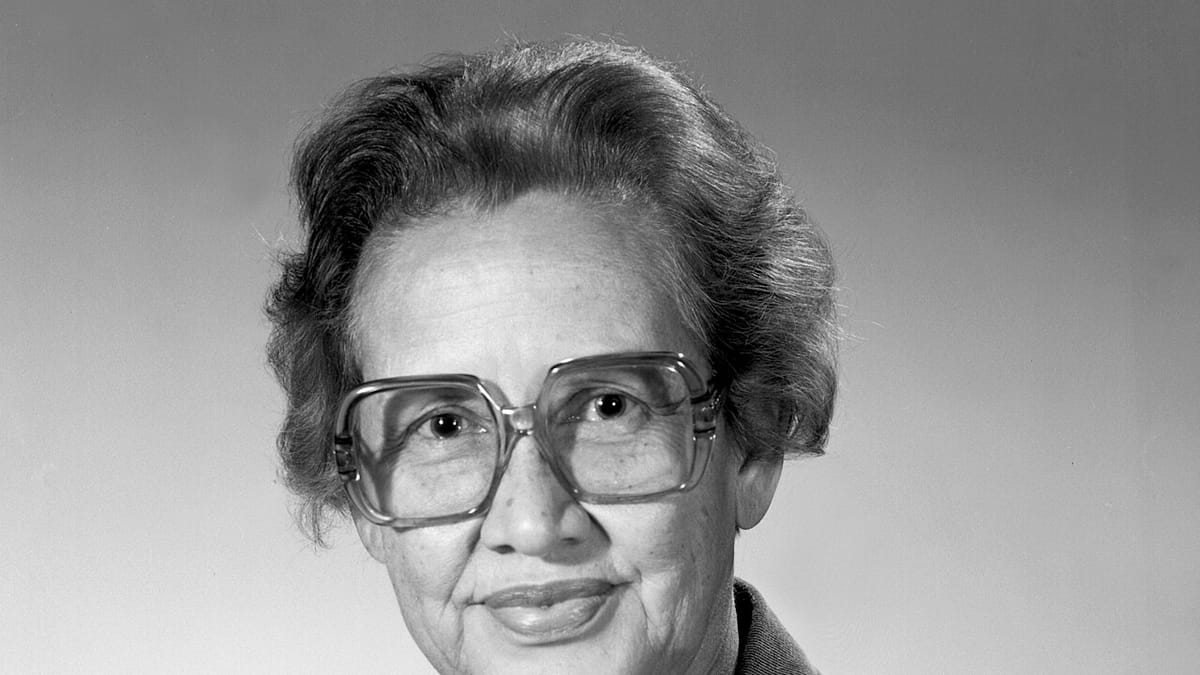
Katherine Johnson: The NASA Mathematician Who Sent Astronauts to Space
Katherine Johnson calculated trajectories for NASA's early spaceflights, overcoming racial and gender barriers along the way.
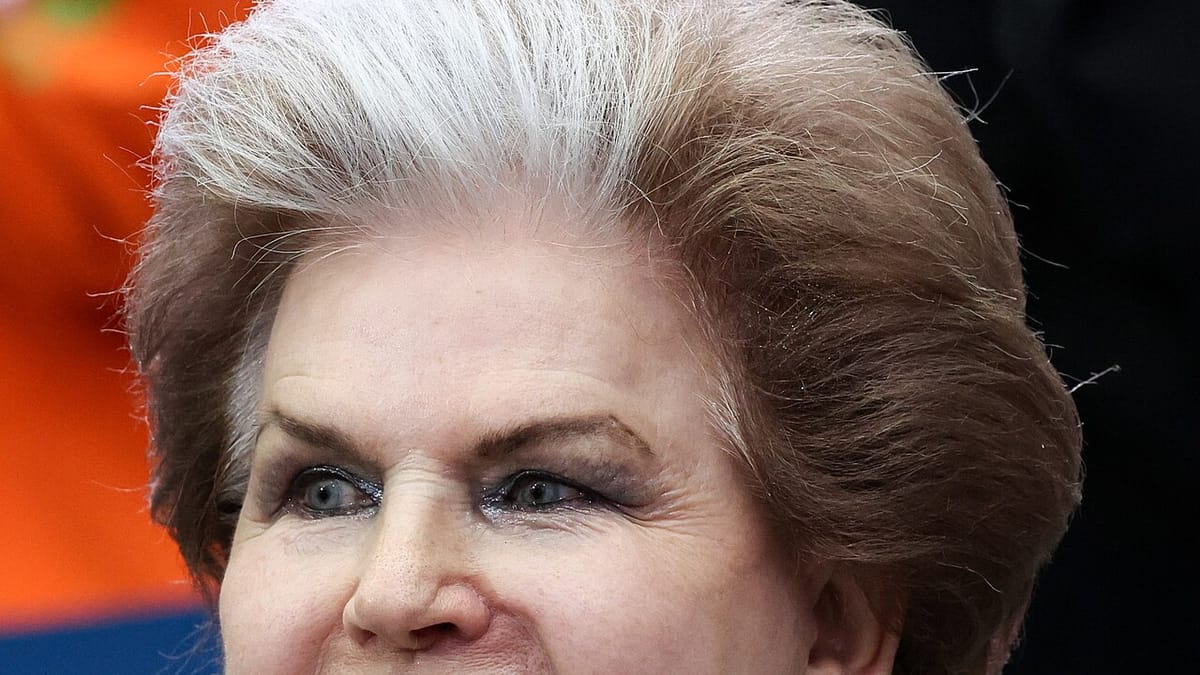
Valentina Tereshkova: The First Woman in Space
Valentina Tereshkova flew alone aboard Vostok 6 in June 1963, becoming the first woman to travel to space.
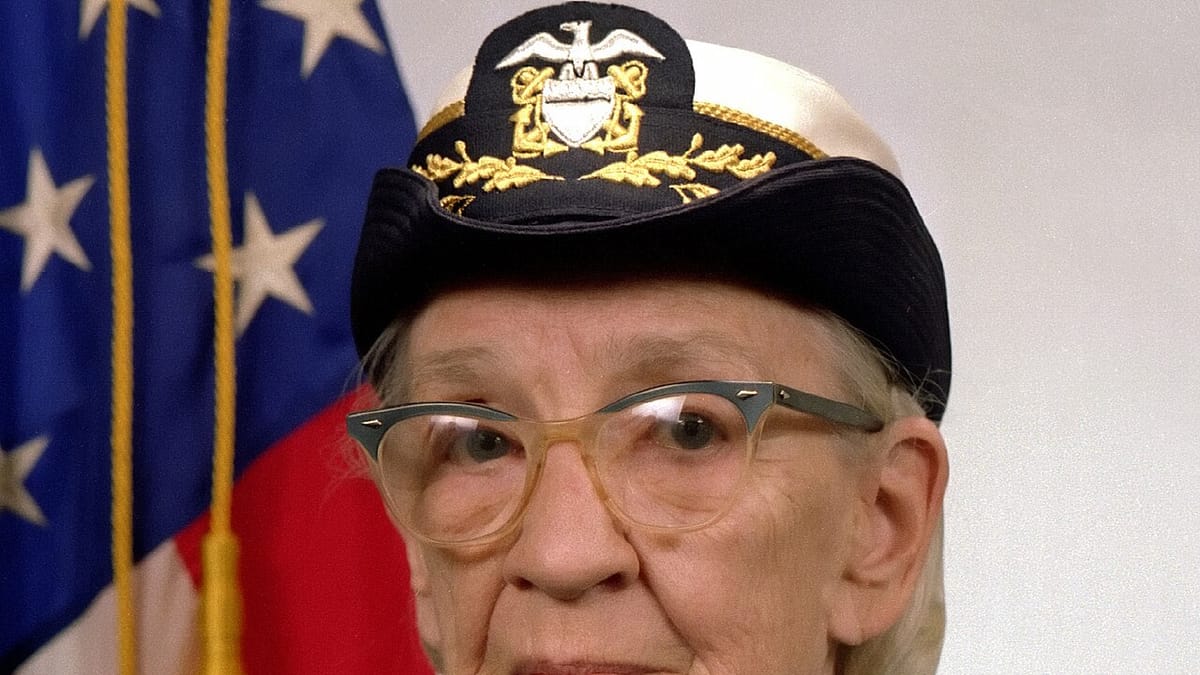
Grace Hopper: The Admiral Who Taught Computers to Speak English
Grace Hopper developed one of the first compilers and helped create COBOL, making programming accessible beyond specialists.
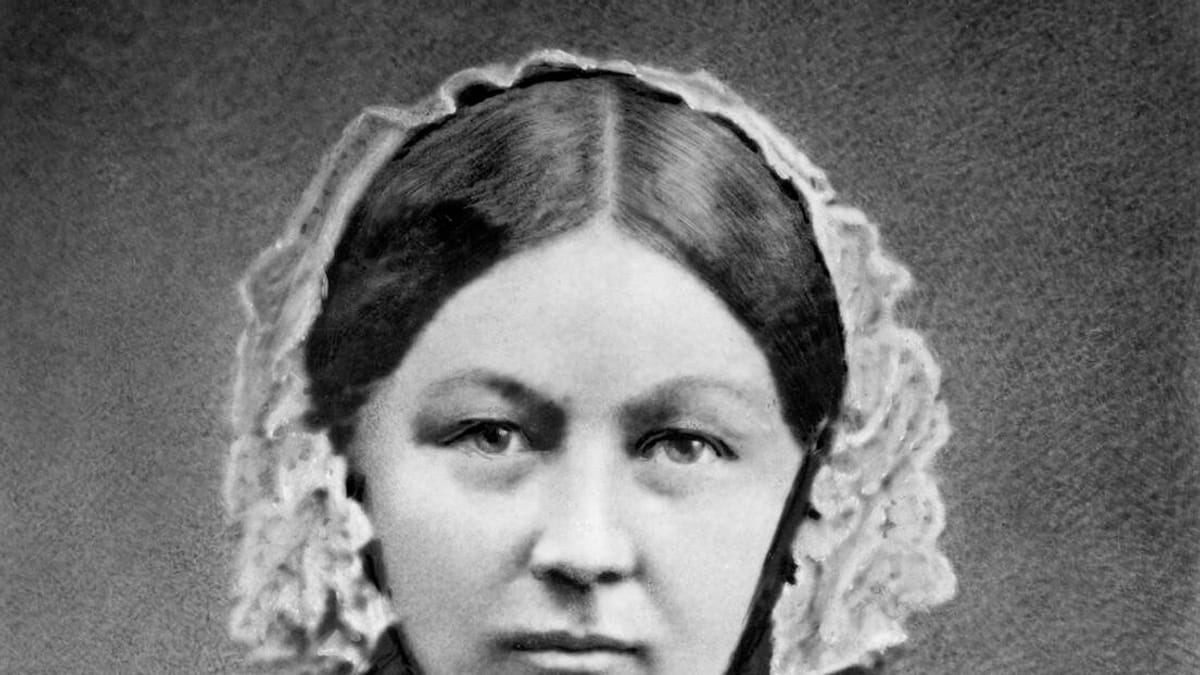
Florence Nightingale: The Lady with the Lamp Who Used Statistics to Save Lives
Florence Nightingale reformed military hospitals during the Crimean War and used statistical charts to persuade governments to improve sanitation.
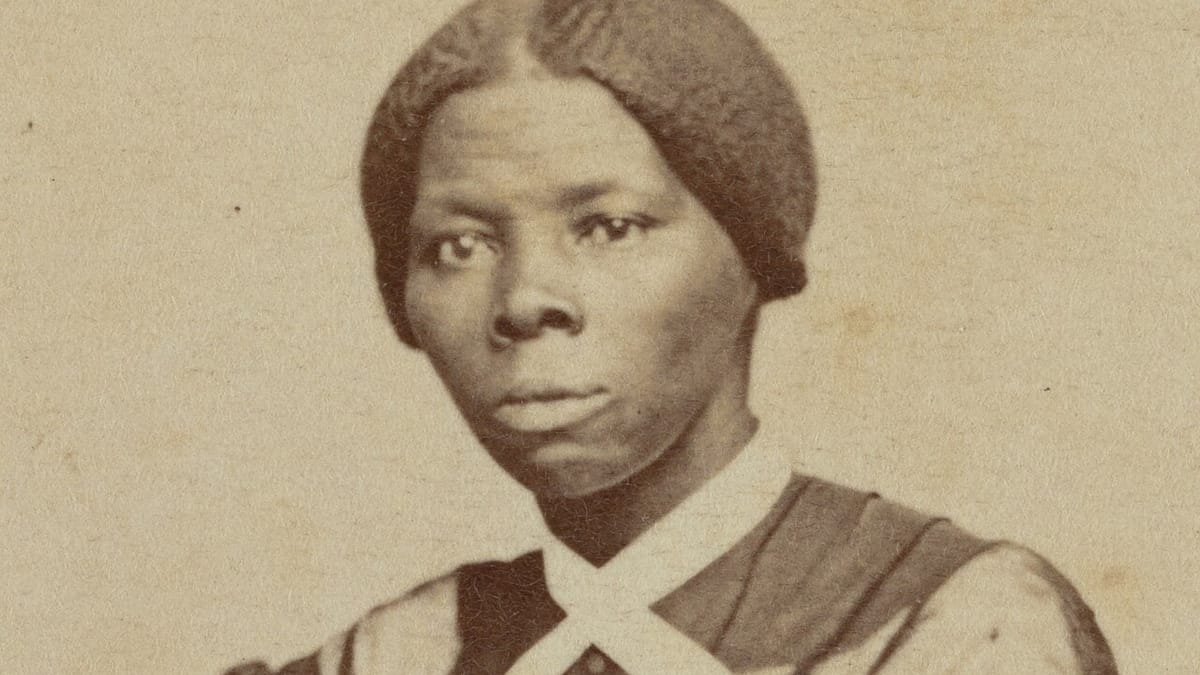
Harriet Tubman: Escaped Slave, Liberator and Spy
Harriet Tubman escaped slavery in 1849 and guided dozens of enslaved people to freedom on the Underground Railroad.
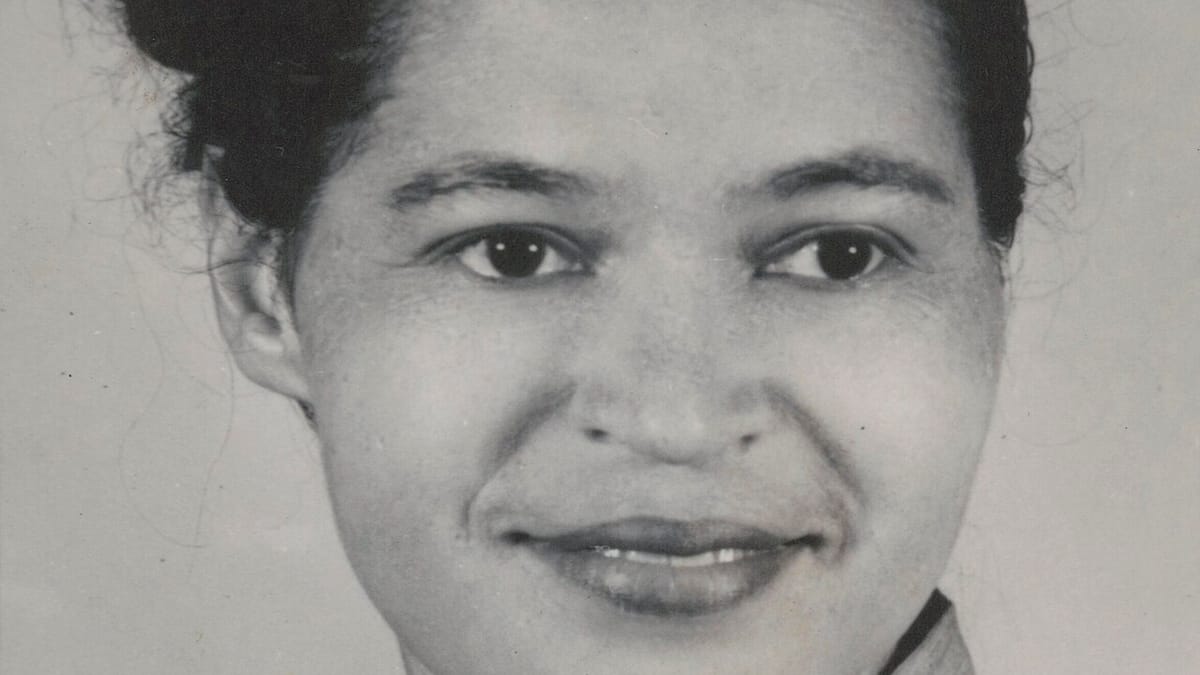
Rosa Parks: The Seat That Sparked a Movement
Rosa Parks refused to give up her bus seat to a white passenger in 1955, sparking the Montgomery bus boycott.
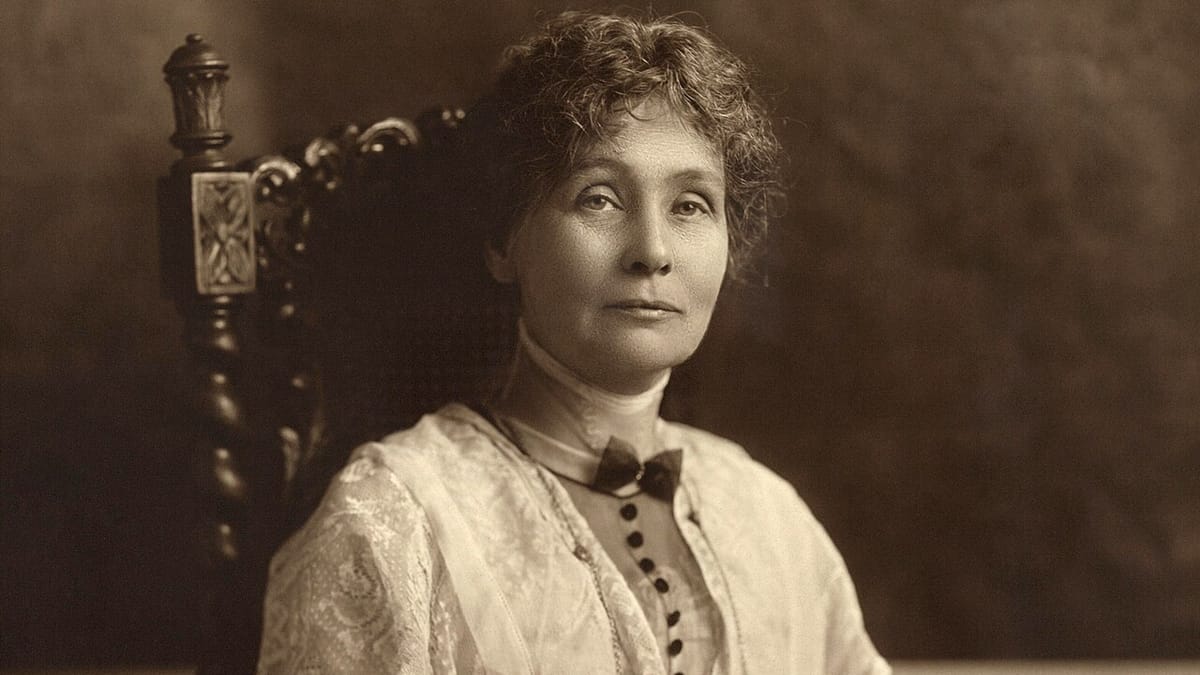
Emmeline Pankhurst and the Suffragettes: Deeds, Not Words
Emmeline Pankhurst founded the Women's Social and Political Union in 1903, leading a militant campaign for women's suffrage in Britain.
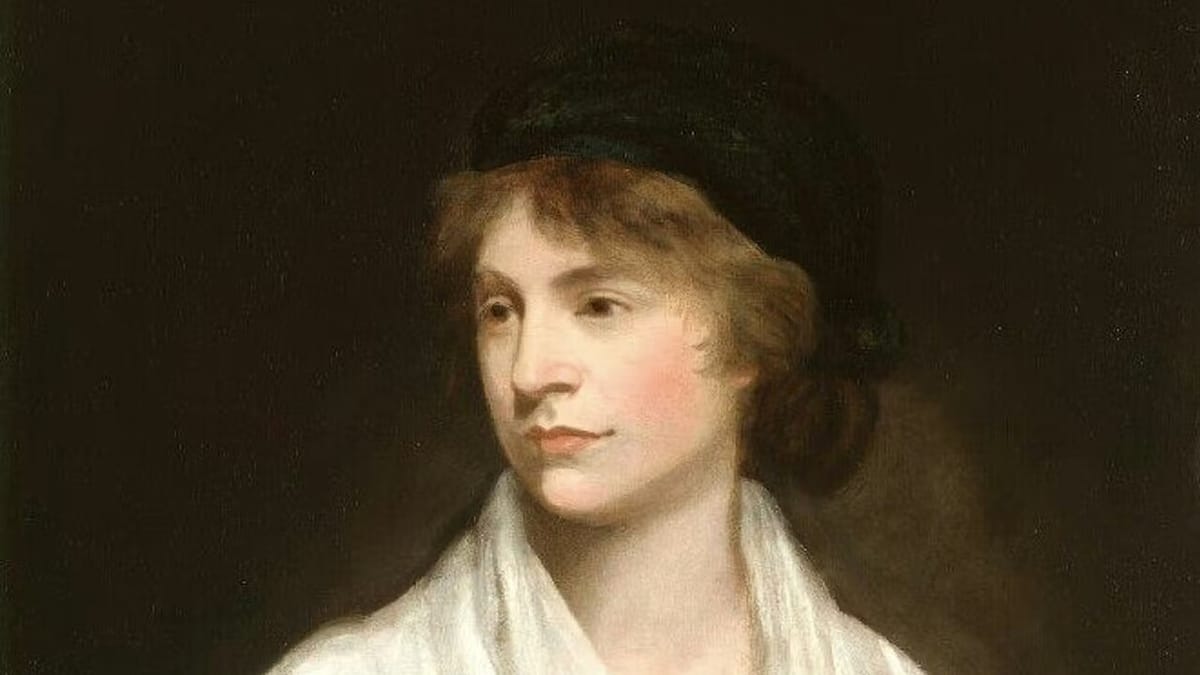
Mary Wollstonecraft: The Founding Mother of Feminist Thought
Mary Wollstonecraft's A Vindication of the Rights of Woman (1792) is one of the earliest works of feminist philosophy.
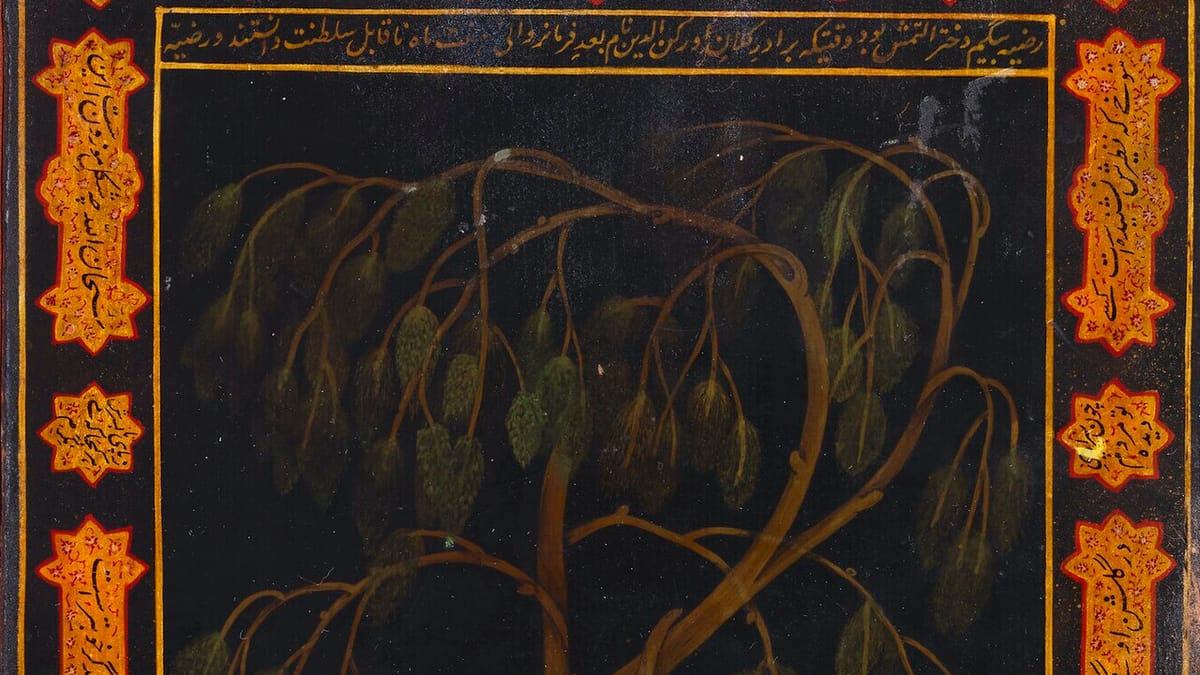
Razia Sultana: The Only Woman to Rule the Delhi Sultanate
Razia Sultana ruled the Delhi Sultanate from 1236 to 1240, defying the nobles who opposed a woman on the throne.

Sophie Scholl and the White Rose: Students Who Defied Hitler
Sophie Scholl and members of the White Rose distributed anti-Nazi leaflets in Munich and were executed in 1943.
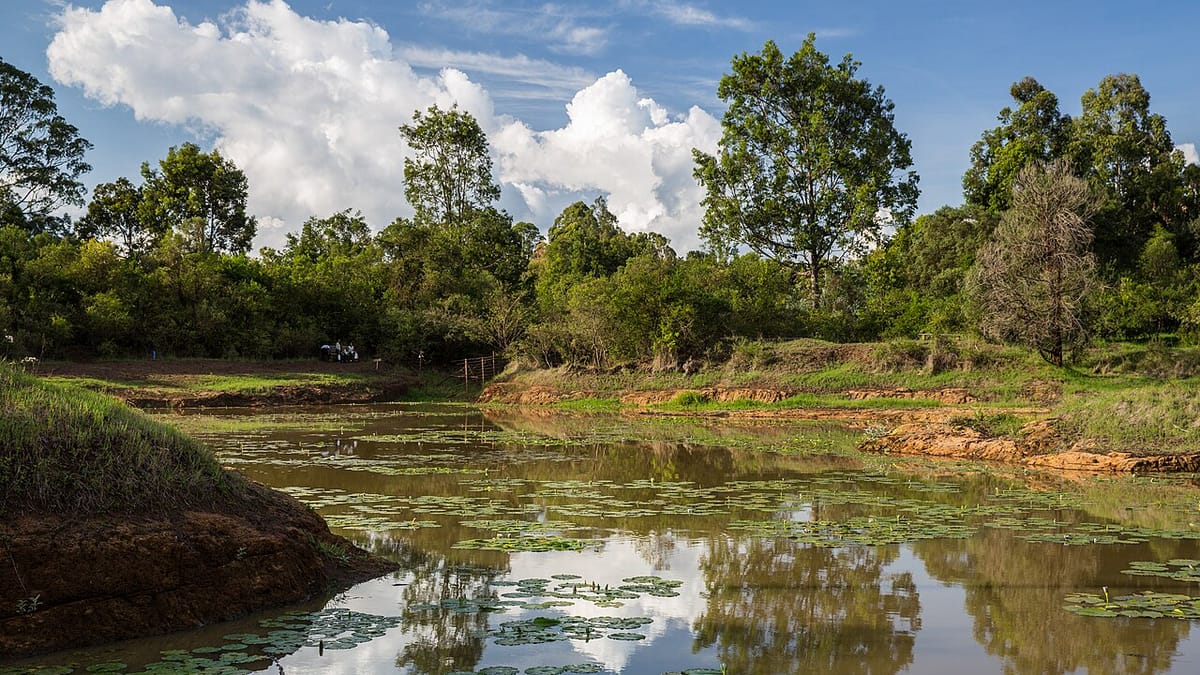
Wangari Maathai: The Woman Who Planted Millions of Trees
Wangari Maathai founded the Green Belt Movement and in 2004 became the first African woman to win the Nobel Peace Prize.
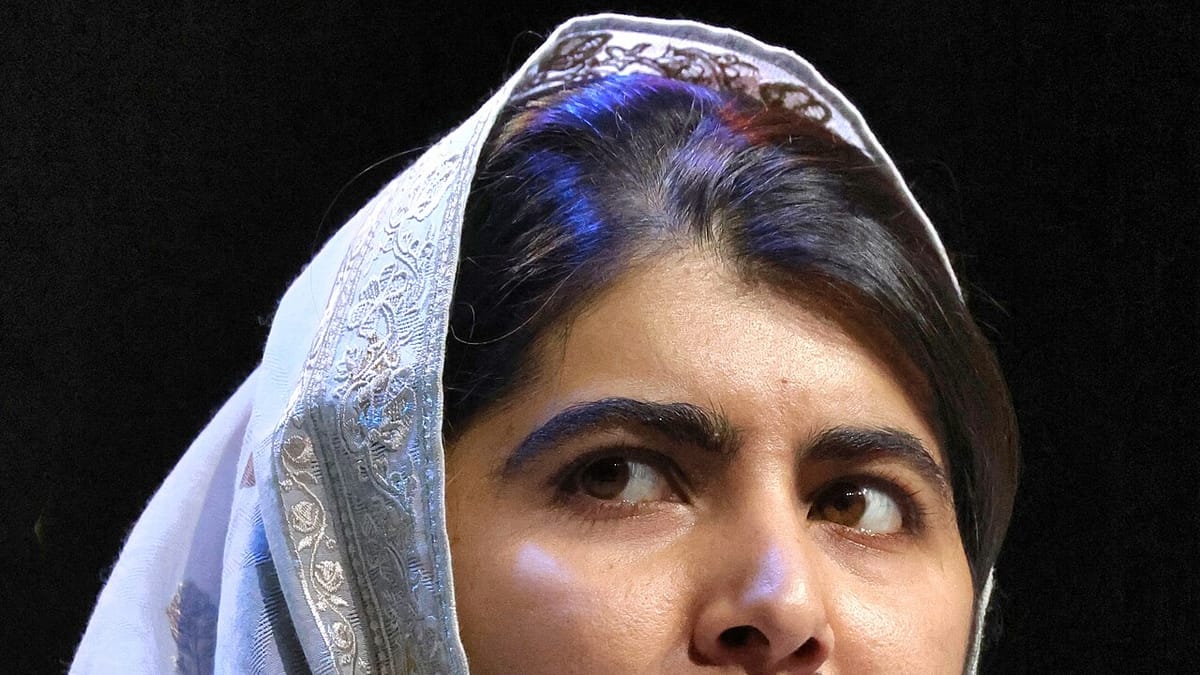
Malala Yousafzai: The Girl Who Stood Up for Education
Malala Yousafzai campaigned for girls' education in Swat, survived a Taliban assassination attempt in 2012, and won the 2014 Nobel Peace Prize.
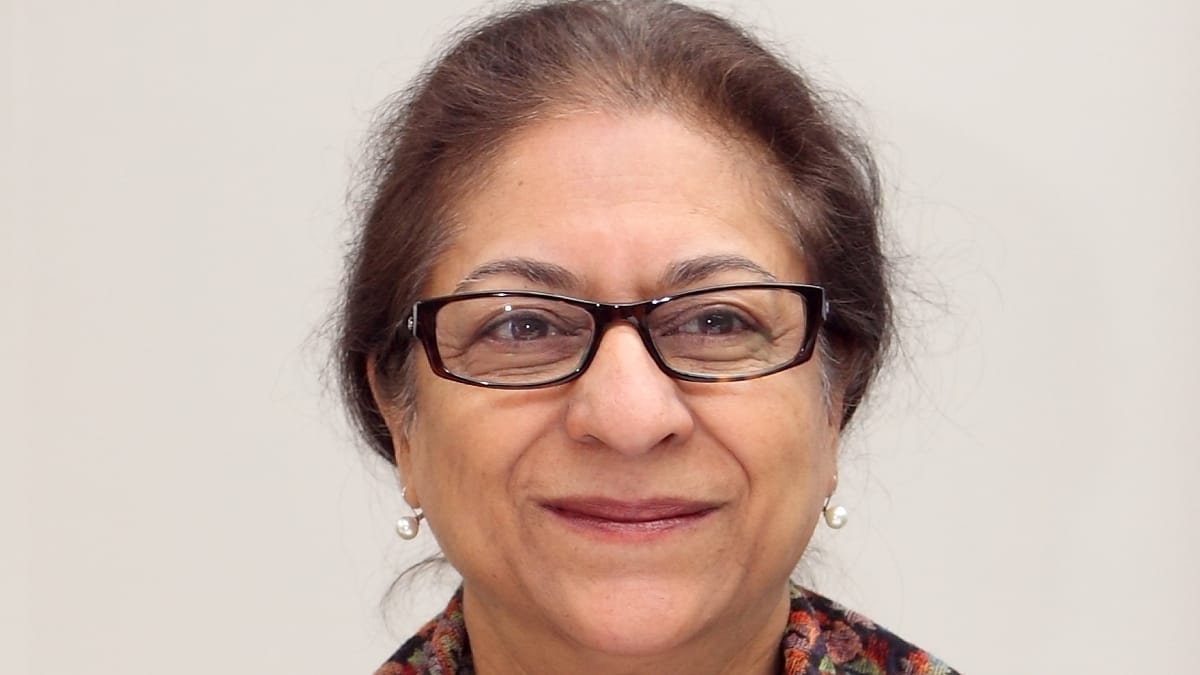
Asma Jahangir: Pakistan's Fearless Human Rights Lawyer
Asma Jahangir co-founded the Human Rights Commission of Pakistan and spent five decades defending women, minorities and political prisoners.
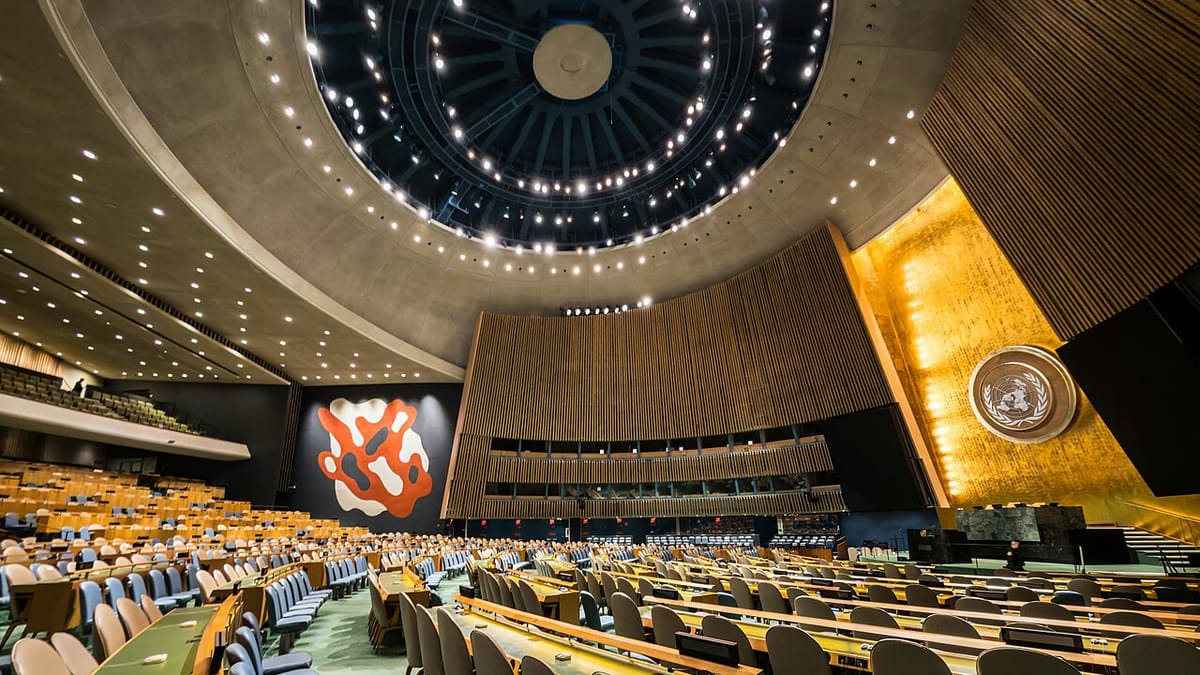
What Is CEDAW? The International Bill of Rights for Women Explained
The Convention on the Elimination of All Forms of Discrimination against Women obliges countries to end discrimination in law and practice.
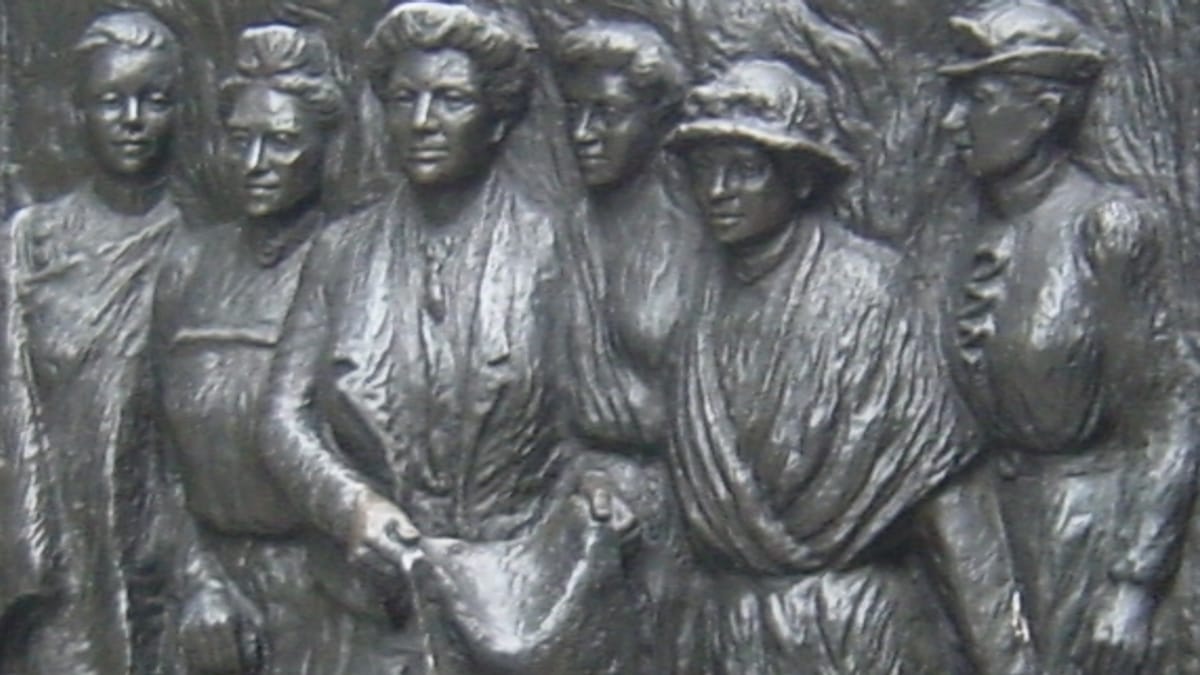
When Did Women Win the Vote? A Timeline of Women's Suffrage Around the World
New Zealand was the first self-governing country to grant women the vote in 1893. Women in Pakistan voted from the country's founding.
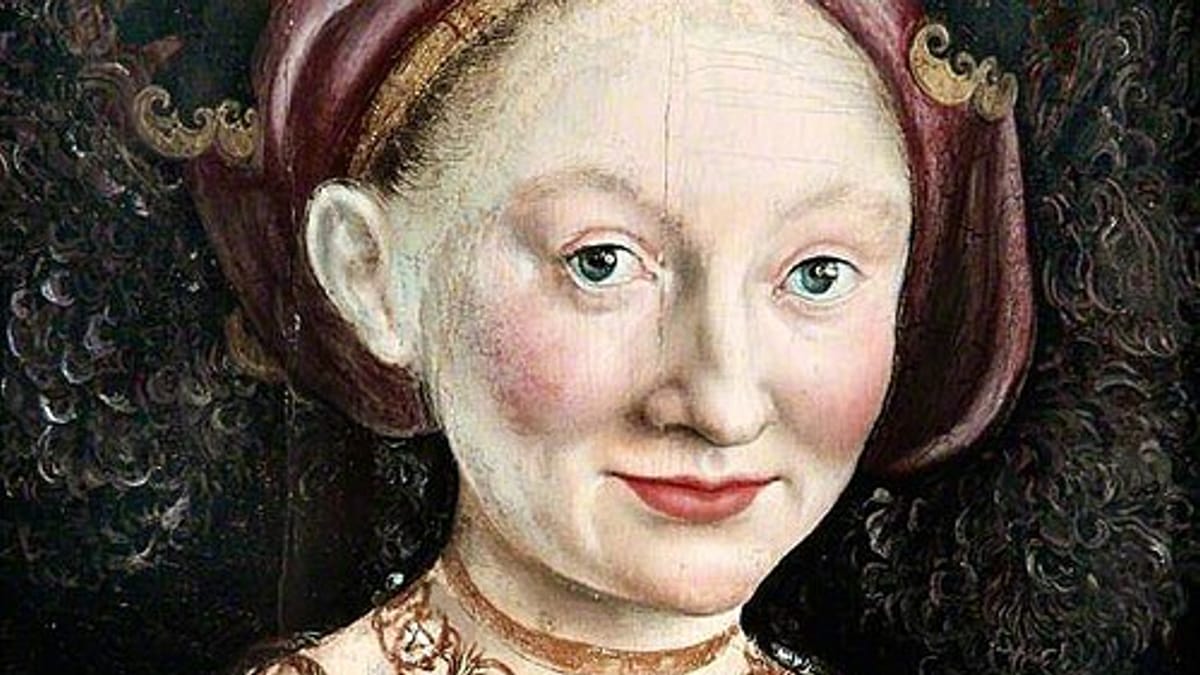
Child Marriage Explained: Causes, Consequences and Laws
Child marriage, defined as marriage before age 18, harms girls' health, education and safety. It is driven by poverty, tradition and weak laws.
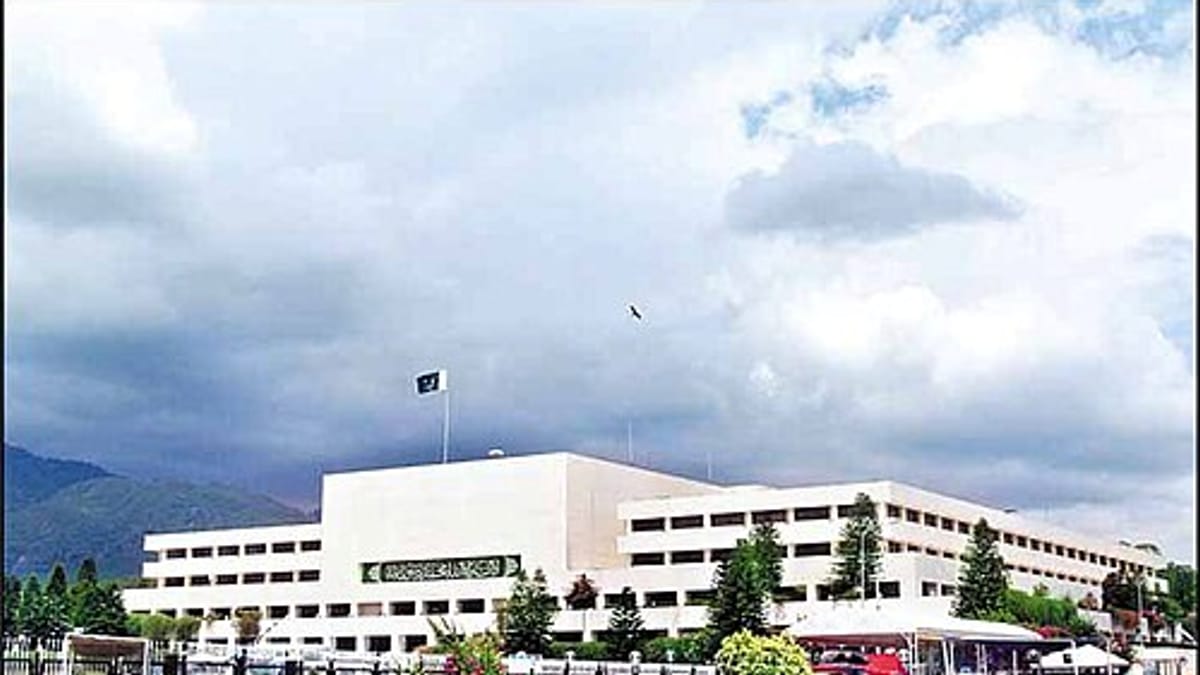
Pakistan's Law Against Honour Killings Explained
In 2016 Pakistan amended its criminal law so that killers in 'honour' cases face a mandatory life sentence even if pardoned by the victim's family.
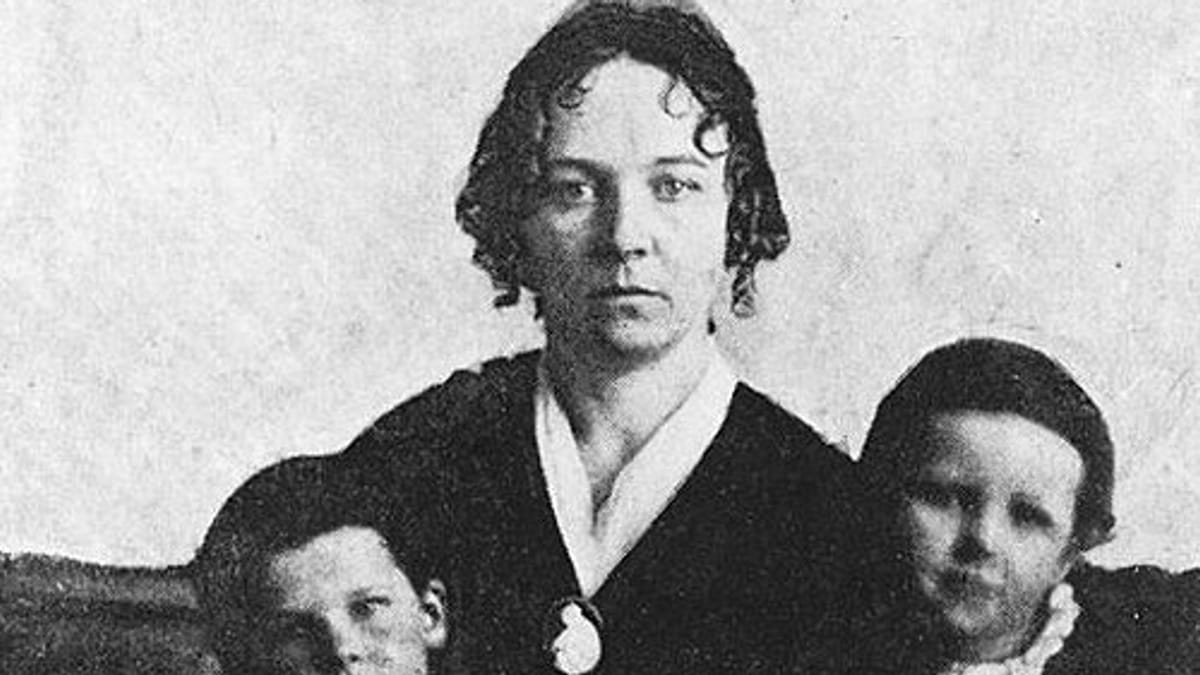
The Seneca Falls Convention: Where the American Women's Movement Began
The 1848 Seneca Falls Convention produced the Declaration of Sentiments, a founding document of the women's rights movement.
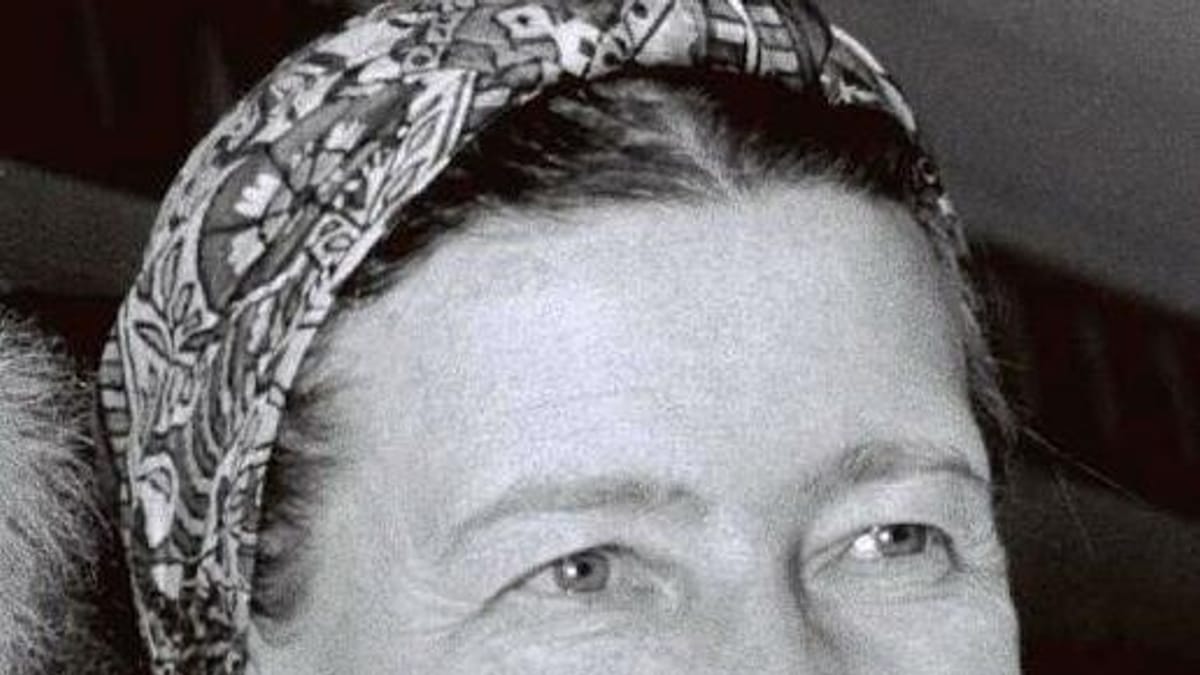
Simone de Beauvoir and The Second Sex: 'One Is Not Born, but Rather Becomes, a Woman'
Simone de Beauvoir's The Second Sex argued that womanhood is shaped by society, not fixed by nature, and became a foundational feminist text.
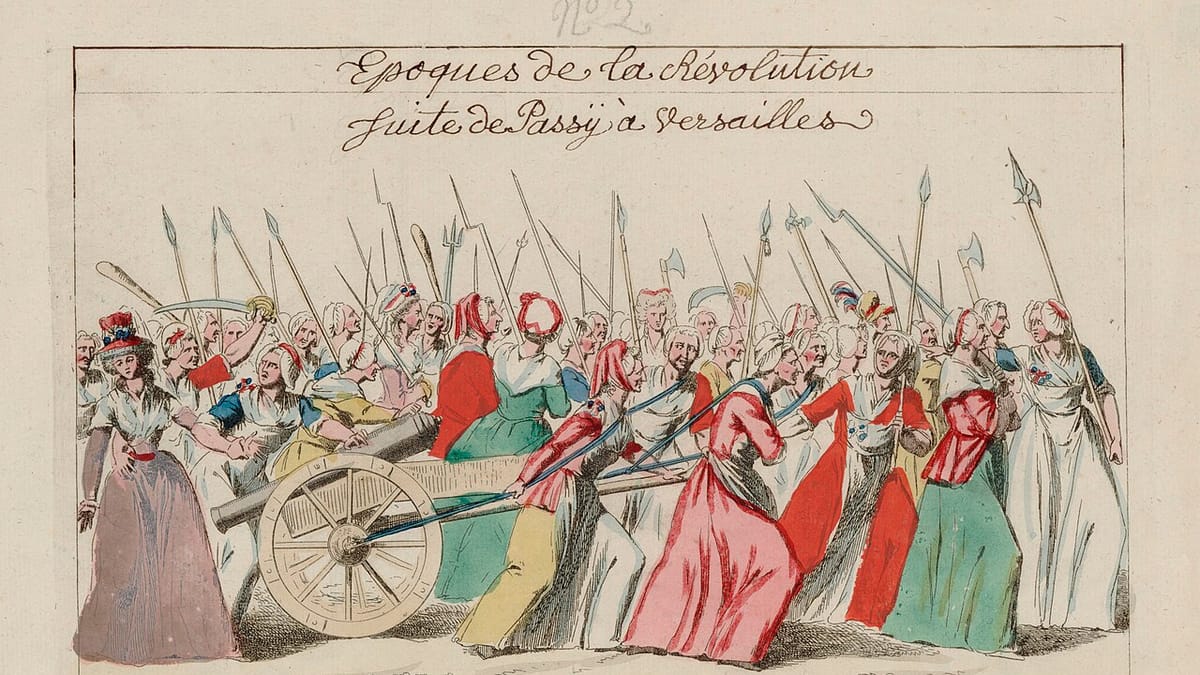
The Waves of Feminism Explained
Feminism is often described in four 'waves', each with different priorities. Here is what each wave fought for, and the limits of the metaphor.
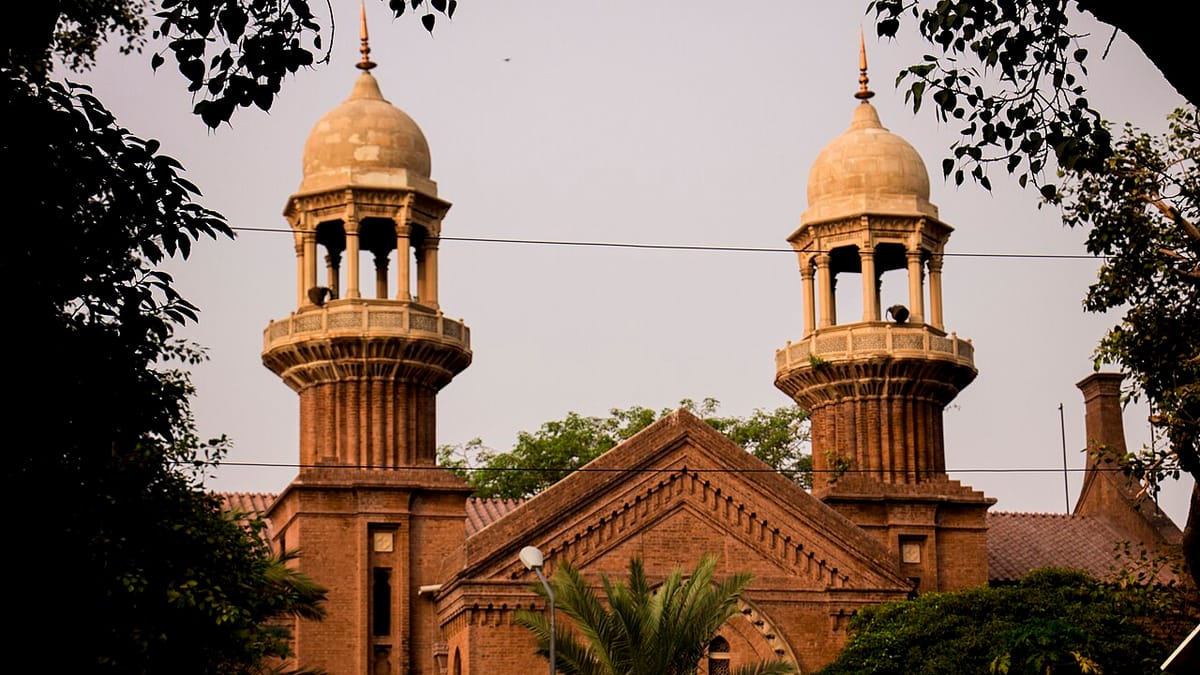
Women's Action Forum: The Movement That Stood Up to Zia's Laws
Founded in 1981, the Women's Action Forum led protests against the Hudood Ordinances and the law of evidence under General Zia ul Haq.
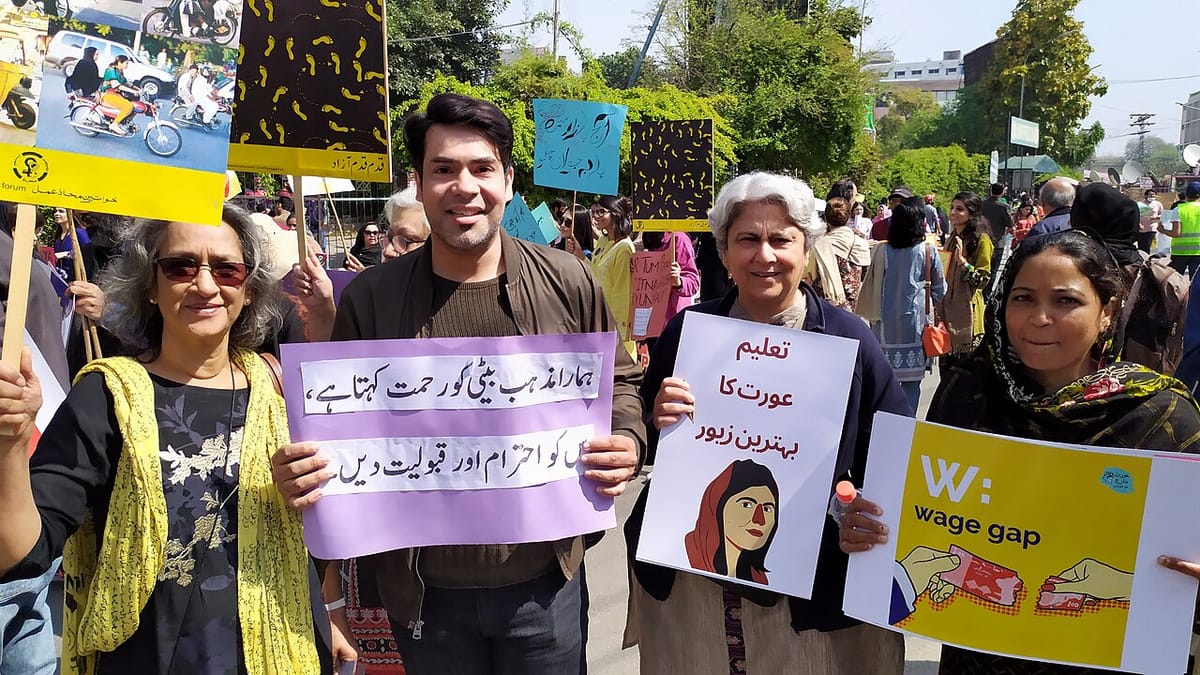
Aurat March Explained: Pakistan's Women's Day Marches and the Debate Around Them
The Aurat March, held in Pakistani cities on International Women's Day since 2018, campaigns against violence and for women's rights, and faces strong opposition.
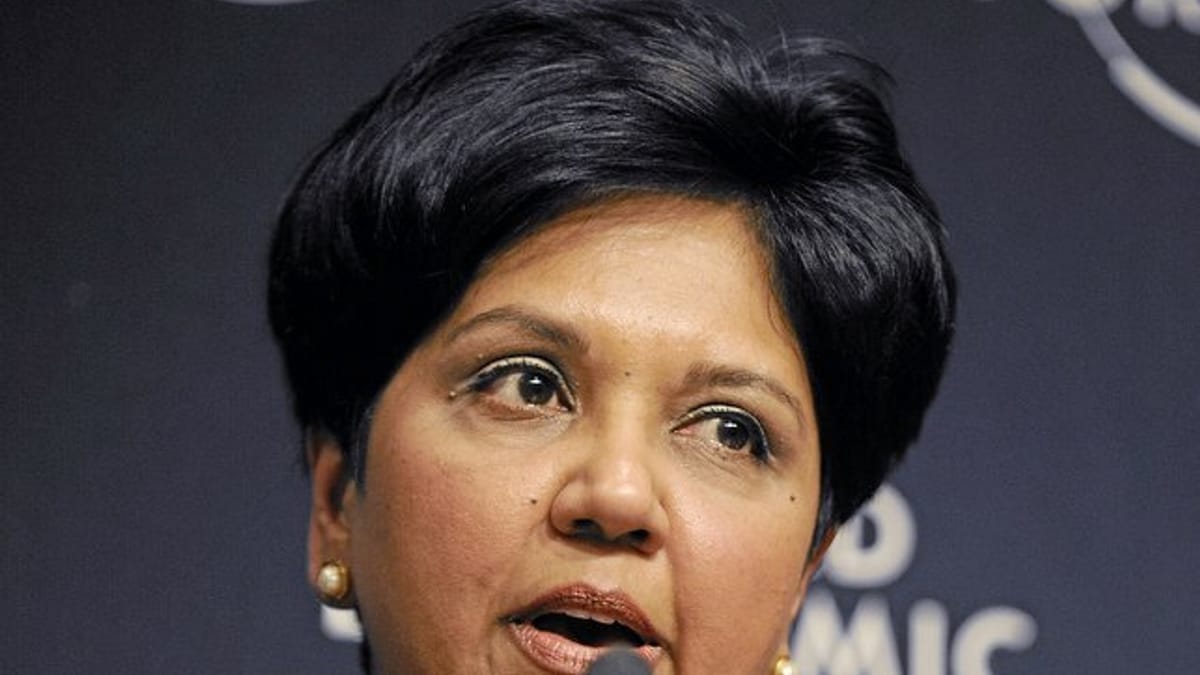
Indra Nooyi: From Chennai to the Top of PepsiCo
Indra Nooyi led PepsiCo as CEO from 2006 to 2018, reshaping its portfolio toward healthier products.
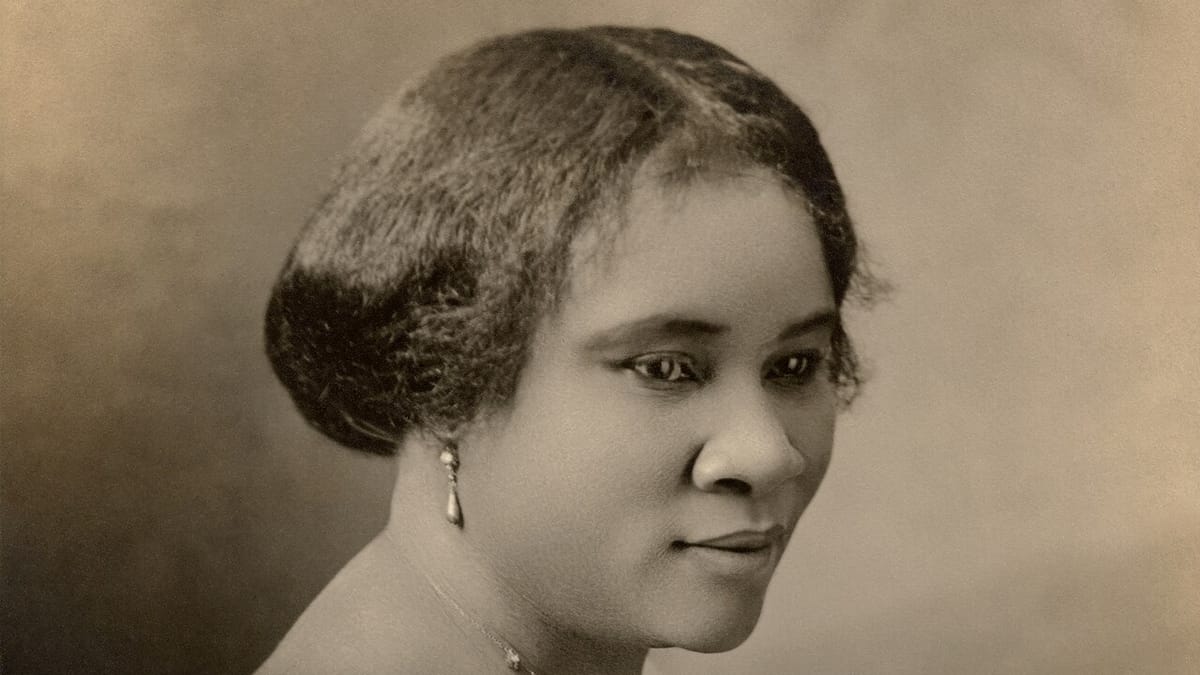
Madam C. J. Walker: The Daughter of Slaves Who Built a Business Empire
Madam C. J. Walker built a hair care company for Black women and employed thousands of saleswomen in the early twentieth century.
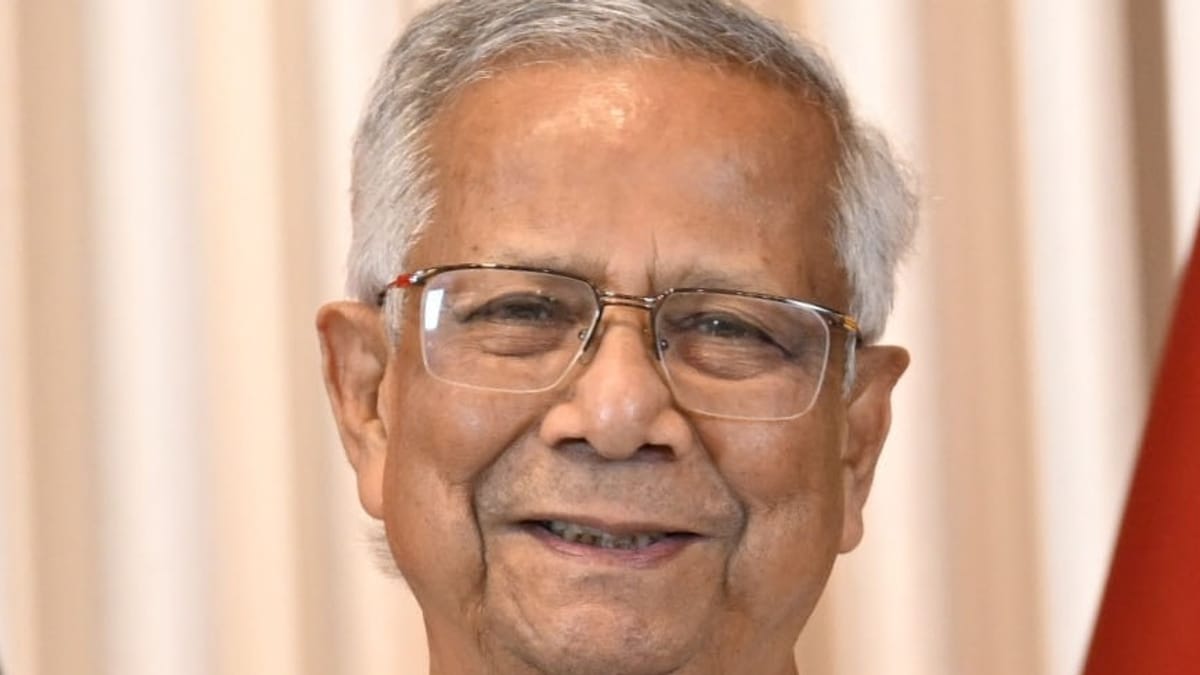
Grameen Bank and Microfinance: Can Small Loans Lift Women Out of Poverty?
Grameen Bank pioneered small loans to poor women in Bangladesh and won the 2006 Nobel Peace Prize with its founder, Muhammad Yunus.

Arfa Karim: The Pakistani Girl Who Became the World's Youngest Microsoft Certified Professional
Arfa Karim Randhawa became the world's youngest Microsoft Certified Professional in 2004 and remains a symbol of Pakistani talent.
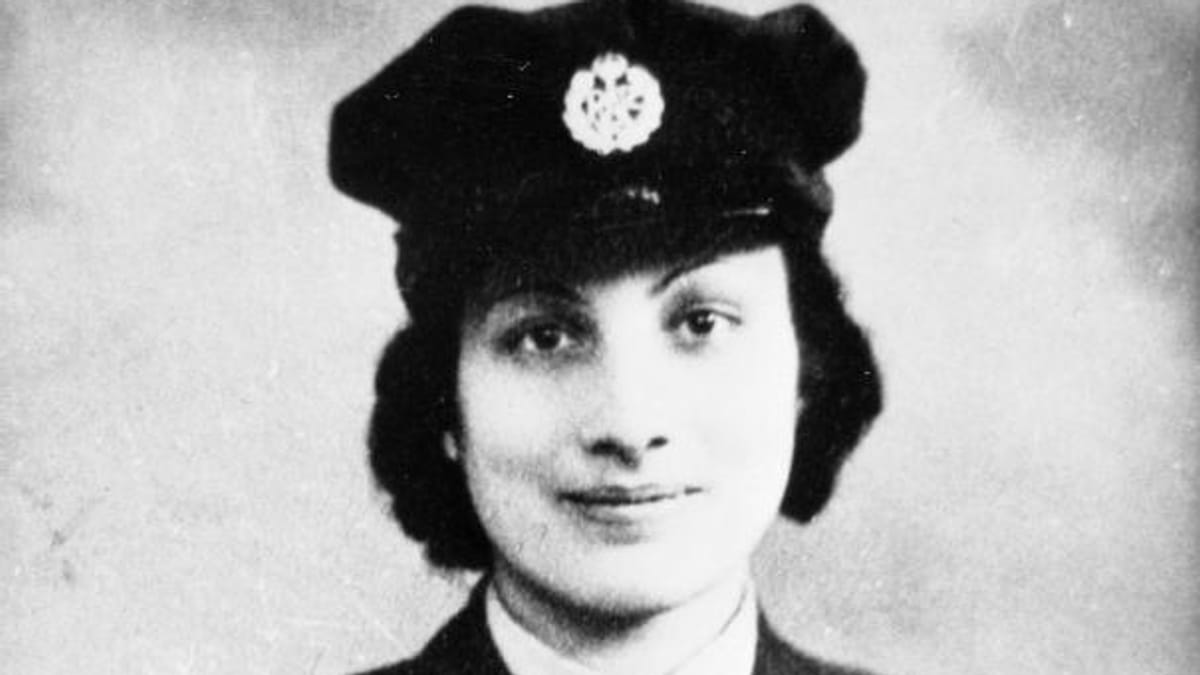
Noor Inayat Khan: The Sufi Princess Who Became a Wartime Secret Agent
Noor Inayat Khan was the first female wireless operator sent by Britain into occupied France. She was executed at Dachau in 1944.
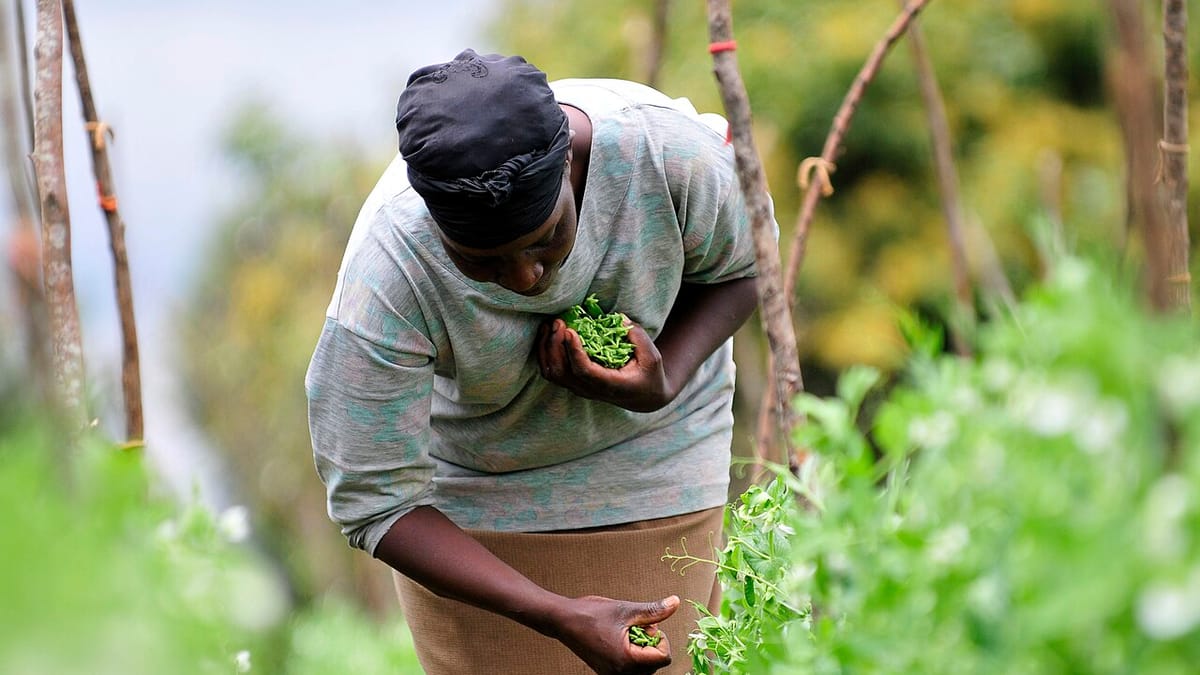
Climate Crisis Could Push 141 Million More Women and Girls Into Extreme Poverty, UN Women Warns
A 1°C rise in average temperatures could cost women 34 percent more of their income than men, the agency says.