Fatima Jinnah: The Mother of the Nation
A dentist, her brother's closest companion, and the woman who challenged a military ruler at the ballot box.
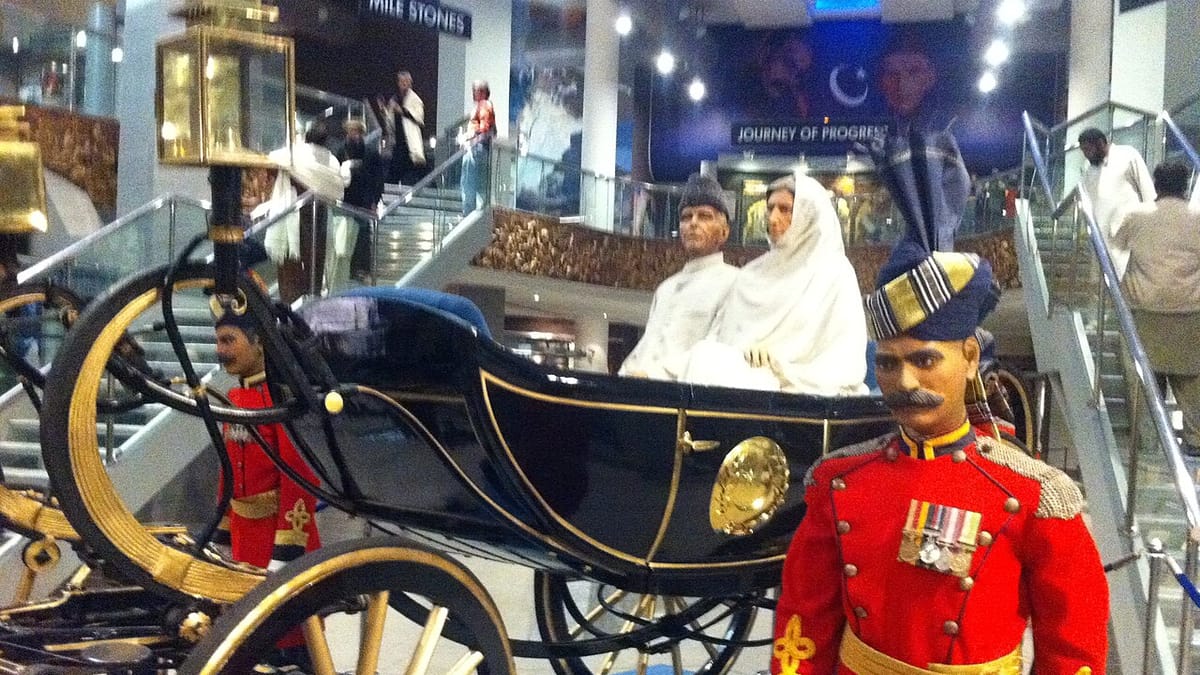
In brief: Fatima Jinnah (1893 to 1967) was a dental surgeon and politician, the younger sister and closest companion of Muhammad Ali Jinnah. Honoured in Pakistan as Madar-e-Millat, "Mother of the Nation", she was the opposition candidate against the military ruler Ayub Khan in the 1965 presidential election.
Early life
Fatima Jinnah was born in Karachi on 30 July 1893. After her father's death she was raised largely under the guardianship of her elder brother. She studied dentistry at the University of Calcutta and opened a dental clinic in Bombay in 1923, unusual for a woman of her time.
At her brother's side
From 1929, after the death of Jinnah's wife, Fatima lived with her brother and accompanied him throughout the Pakistan Movement. She helped organise women in the All-India Muslim League and founded the All India Muslim Women Students Federation. After independence in 1947 she helped organise the Women's Relief Committee for refugees.
Challenging Ayub Khan
After Jinnah's death in 1948 she largely stayed away from politics, and her radio address on his death anniversary in 1951 was reportedly censored. In 1964 opposition parties persuaded her to stand against Field Marshal Ayub Khan. She drew huge crowds, but the January 1965 election was held through an indirect system of "Basic Democrats", and Ayub won amid widespread allegations of rigging and pressure.
Death and legacy
She died in Karachi on 9 July 1967. Her campaign showed that a woman could lead a national opposition in Pakistan two decades before Benazir Bhutto. Her memoir about her brother, My Brother, was published decades after her death.
Frequently Asked Questions
Why is Fatima Jinnah called Madar-e-Millat?
Madar-e-Millat means Mother of the Nation, a title given in recognition of her role in the Pakistan Movement and in public life.
Did Fatima Jinnah run for president?
Yes. She was the joint opposition candidate against Ayub Khan in the January 1965 presidential election, which she lost.