Ra'ana Liaquat Ali Khan: Pioneer of Women's Rights in Pakistan
Economist, diplomat and founder of the All Pakistan Women's Association.
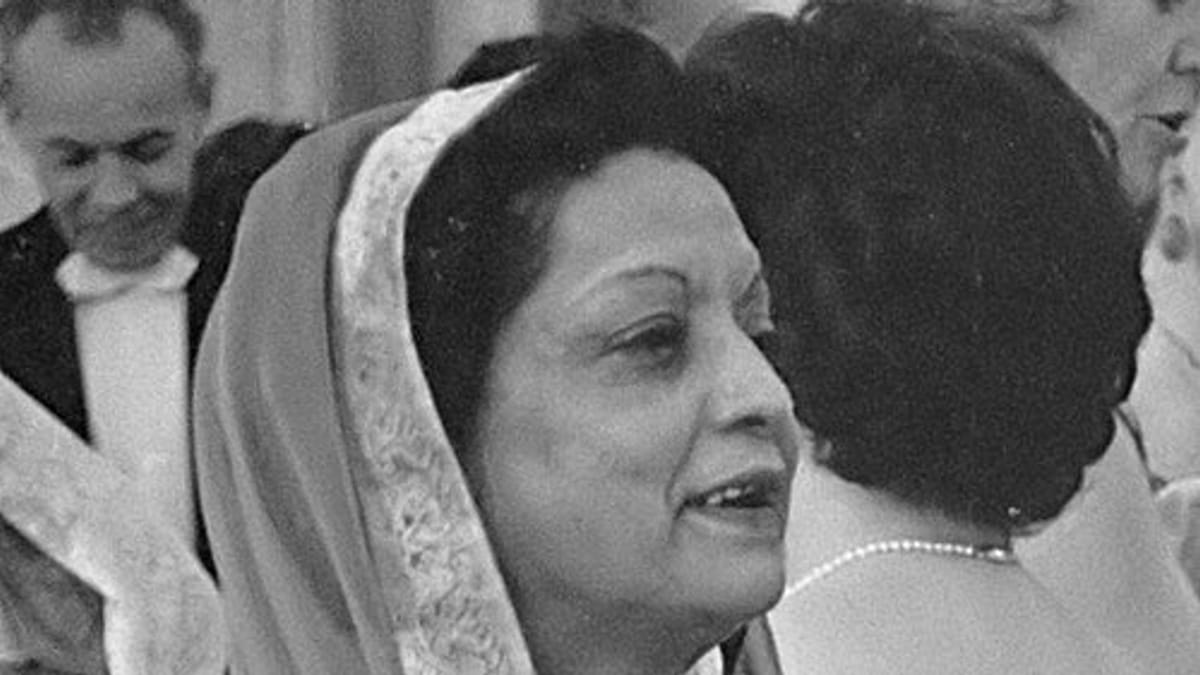
In brief: Begum Ra'ana Liaquat Ali Khan (1905 to 1990) was an economist, educator and diplomat, and the wife of Pakistan's first prime minister, Liaquat Ali Khan. She founded the All Pakistan Women's Association (APWA) in 1949 and became the first woman governor of Sindh.
Early life and education
Born Sheila Irene Pant in 1905 in Almora, in present-day India, she studied economics and sociology at the University of Lucknow and became a teacher of economics. She married Liaquat Ali Khan in 1933 and became active in the Pakistan Movement alongside him.
Building women's institutions
After independence in 1947, she organised volunteers to help refugees arriving from India. In 1949 she founded APWA, which set up schools, colleges, vocational training centres and health services for women across the country. She also encouraged women to join volunteer and nursing services.
After her husband's death
Liaquat Ali Khan was assassinated in Rawalpindi in October 1951. Ra'ana Liaquat Ali Khan continued in public life, becoming Pakistan's ambassador to the Netherlands, Italy and Tunisia, among the first Pakistani women to serve as an ambassador. In 1973 she became Governor of Sindh, the first woman to hold the post, and later Chancellor of the University of Karachi. In 1978 she received the United Nations Human Rights Prize.
Legacy
She died in Karachi on 13 June 1990. During the military rule of General Zia ul Haq she spoke out against laws that discriminated against women. She is remembered as one of the founders of organised women's welfare work in Pakistan. See also our biography of Fatima Jinnah.
Frequently Asked Questions
What is APWA?
The All Pakistan Women's Association, founded in 1949 by Ra'ana Liaquat Ali Khan to promote the welfare and rights of women.