Rosa Parks: The Seat That Sparked a Movement
One refusal on a Montgomery bus in 1955 launched a year-long boycott and changed America.
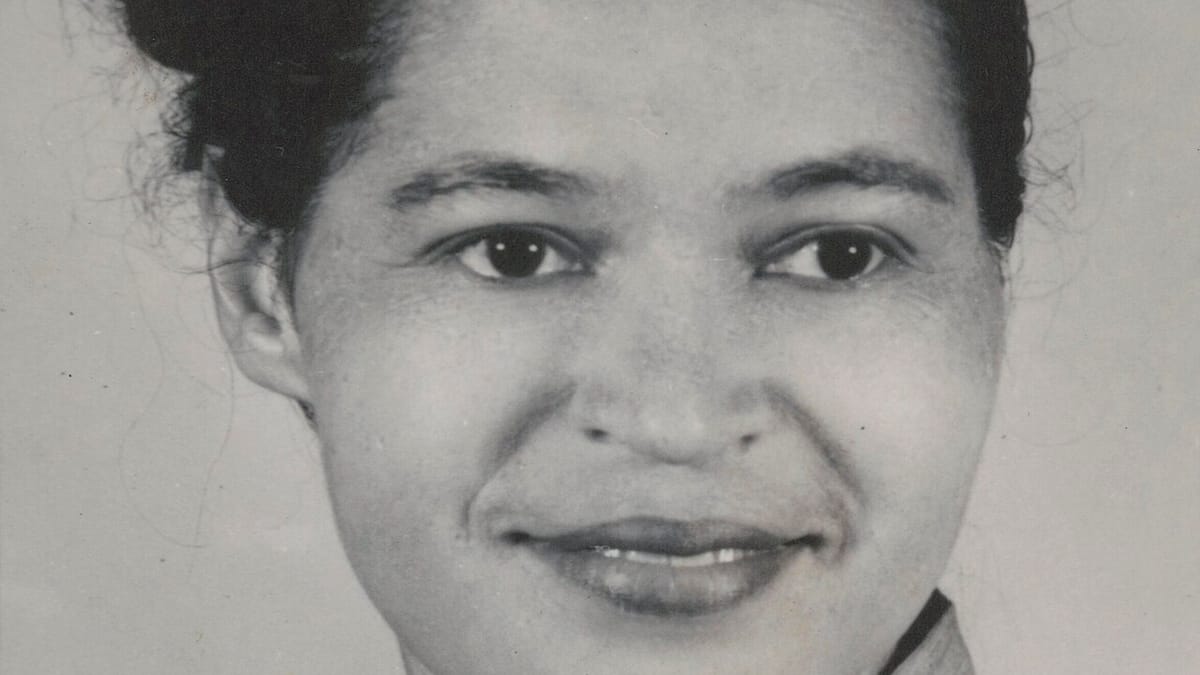
In brief: Rosa Parks (1913 to 2005) was an American civil rights activist. On 1 December 1955 in Montgomery, Alabama, she refused a bus driver's order to give up her seat to a white passenger. Her arrest sparked the Montgomery bus boycott, a turning point in the civil rights movement.
Life under segregation
Rosa Louise McCauley was born on 4 February 1913 in Tuskegee, Alabama. She grew up under the Jim Crow laws that enforced racial segregation in the American South. In 1943 she became secretary of the Montgomery chapter of the National Association for the Advancement of Colored People (NAACP) and investigated cases of violence against Black people.
1 December 1955
Montgomery's buses required Black passengers to sit at the back and give up seats to white passengers when the front filled. Parks, a seamstress, refused to move and was arrested. She was not the first to resist; others, including 15-year-old Claudette Colvin, had done so earlier that year.
The boycott
Black residents boycotted the buses for 381 days, organised by the Montgomery Improvement Association led by a young pastor, Martin Luther King Jr. In 1956 the US Supreme Court upheld a ruling that bus segregation was unconstitutional.
Later life
Parks lost her job and received threats, and moved to Detroit, where she worked for Congressman John Conyers. She died on 24 October 2005 and became the first woman to lie in honour in the United States Capitol.
Frequently Asked Questions
Was Rosa Parks just tired that day?
She later said the only tired she was, was tired of giving in. She was an experienced activist and secretary of the local NAACP chapter.