Emmeline Pankhurst and the Suffragettes: Deeds, Not Words
How a militant campaign helped win British women the vote.
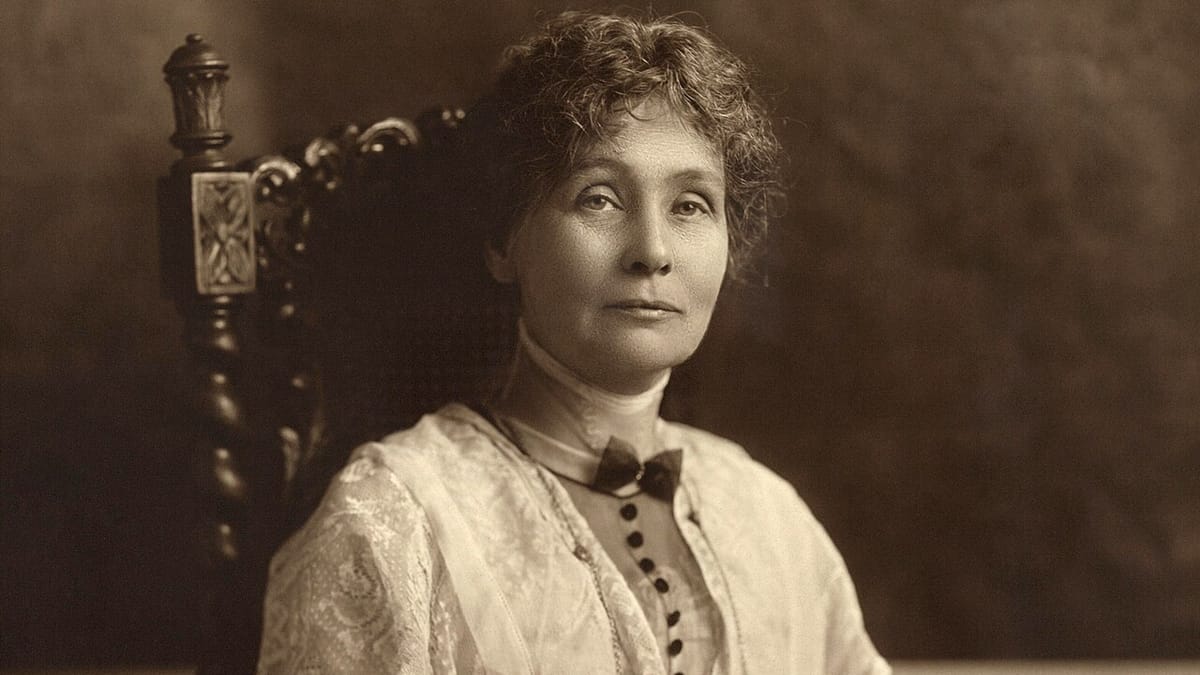
In brief: Emmeline Pankhurst (1858 to 1928) led the British suffragette movement. In 1903 she founded the Women's Social and Political Union (WSPU), whose motto was "Deeds, not words". Its militant tactics, and the sacrifices of its members, helped win women in Britain the right to vote.
Early activism
Emmeline Goulden was born in Manchester on 15 July 1858 and married Richard Pankhurst, a barrister who supported women's rights. After decades of peaceful campaigning had failed to win the vote, she founded the WSPU in 1903 with her daughters, including Christabel and Sylvia.
Militancy
The suffragettes, as the press called them, heckled politicians, chained themselves to railings, smashed windows and later carried out arson attacks. Many were imprisoned. Those who went on hunger strike were force-fed, and the government passed the 1913 "Cat and Mouse Act", releasing weakened prisoners and rearresting them once they recovered. In 1913 Emily Wilding Davison died after running onto the course at the Epsom Derby.
War and victory
When the First World War began in 1914, Pankhurst suspended militancy and supported the war effort. In 1918 the Representation of the People Act gave the vote to women over 30 who met property qualifications. Pankhurst died on 14 June 1928, weeks before a new law gave women the vote on equal terms with men at 21.
Historians still debate how much militancy helped or hindered the cause, alongside the peaceful suffragists led by Millicent Fawcett. See our timeline of women's suffrage around the world.
Frequently Asked Questions
When did women in the UK get the vote?
Some women over 30 won the vote in 1918. Equal voting rights with men, from age 21, came in 1928.
What is the difference between suffragists and suffragettes?
Suffragists campaigned through peaceful, constitutional means; suffragettes, led by the WSPU, used militant direct action.