The Waves of Feminism Explained
From the vote to equal pay to #MeToo: how feminist movements have changed over two centuries.
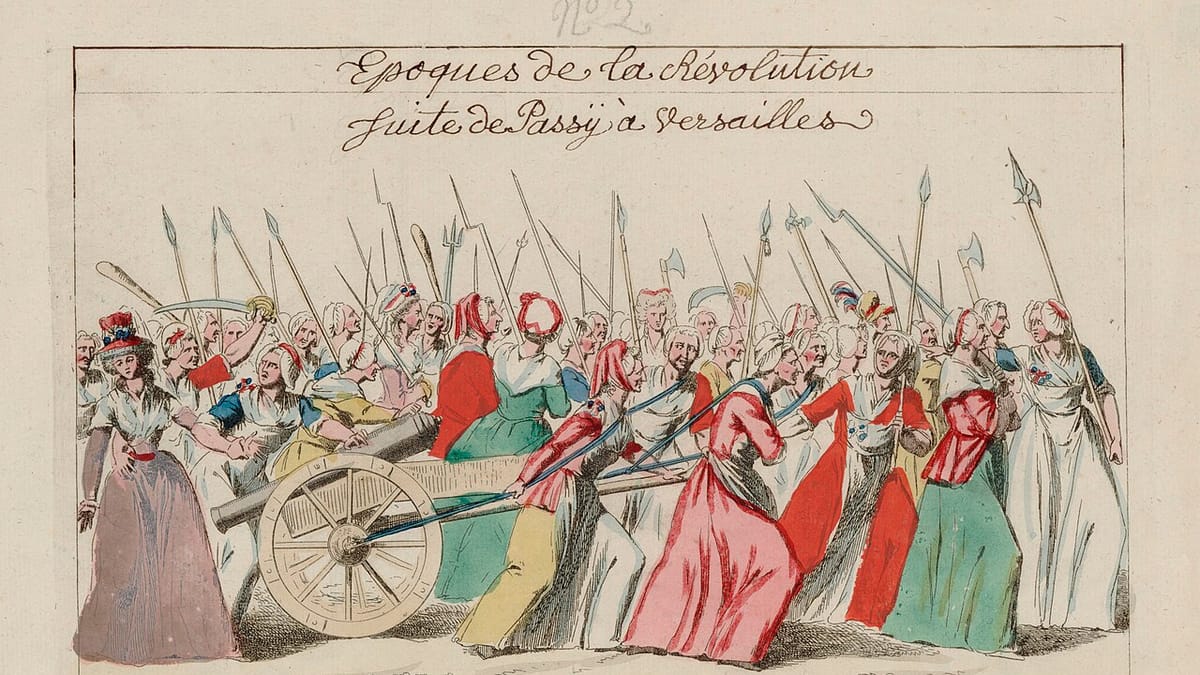
In brief: Historians and activists often describe feminism in the Western world as coming in four "waves". The first fought for legal rights and the vote, the second for equality in work, family and sexuality, the third for diversity and individual identity, and the fourth uses digital activism against harassment and violence.
The first wave (late 1800s to early 1900s)
Focused on legal rights: the vote, property rights for married women, and access to education. Key moments include the Seneca Falls Convention of 1848 and the suffrage campaigns in Britain, the United States and elsewhere.
The second wave (1960s to 1980s)
Broadened the focus to equality in the workplace, reproductive rights, family law and domestic violence. Influential texts include Simone de Beauvoir's The Second Sex and Betty Friedan's The Feminine Mystique (1963). The slogan "the personal is political" captured the idea that private life is shaped by power.
The third wave (1990s to 2000s)
Emphasised diversity, challenging a movement seen as dominated by white middle class women. The concept of intersectionality, introduced by Kimberlé Crenshaw, examined how race, class, sexuality and gender interact.
The fourth wave (2010s onward)
Driven by social media, it targets sexual harassment, assault and online abuse. The #MeToo movement, which spread globally in 2017, is its best-known example. In Pakistan, the Aurat March, held since 2018, is often cited as part of this wave.
Limits of the metaphor
Many scholars argue the "waves" model oversimplifies history and centres Western movements, overlooking women's activism in Asia, Africa, Latin America and the Muslim world that followed its own timelines.
Frequently Asked Questions
What is intersectionality?
A term coined by legal scholar Kimberlé Crenshaw in 1989 to describe how different forms of discrimination, such as racism and sexism, overlap and combine.