Florence Nightingale: The Lady with the Lamp Who Used Statistics to Save Lives
Nurse, reformer and data pioneer, she transformed hospitals and founded modern nursing.
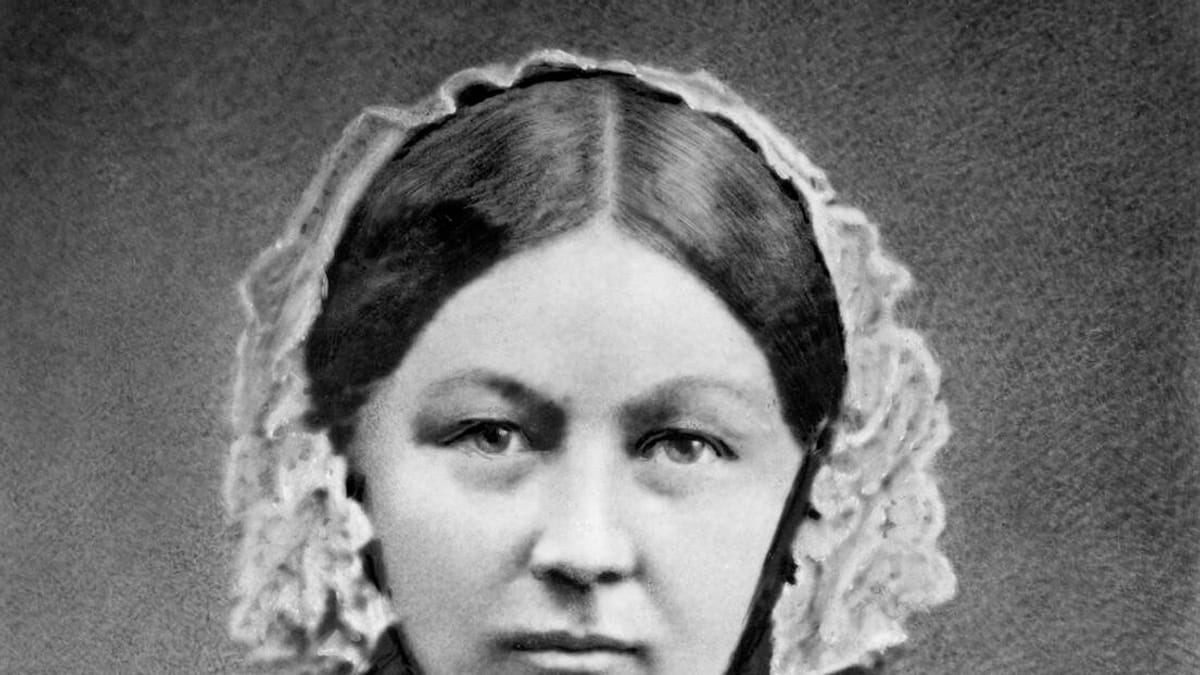
In brief: Florence Nightingale (1820 to 1910) was a British nurse, social reformer and statistician who founded modern nursing. She became famous for her work in military hospitals during the Crimean War and used pioneering statistical graphics to campaign for better sanitation.
A calling
Nightingale was born on 12 May 1820 in Florence, Italy, to a wealthy British family. Against her family's wishes she trained as a nurse, including at Kaiserswerth in Germany, at a time when nursing was considered unsuitable for respectable women.
The Crimean War
In 1854, during the Crimean War, she led a team of nurses to the British military hospital at Scutari, near Istanbul. Conditions were appalling, and far more soldiers died of diseases such as typhus, cholera and dysentery than of wounds. She organised cleaning, supplies and care, and making night rounds earned her the name "the Lady with the Lamp".
Data for reform
Back in Britain, she worked with statistician William Farr to analyse soldiers' deaths. Her "rose" or polar area diagrams showed vividly that most deaths were preventable. She used this evidence to push for sanitary reform in the army and public health. In 1859 she became the first female member of the Royal Statistical Society.
Founding modern nursing
In 1860 she established a nursing school at St Thomas' Hospital in London, the model for professional nursing training worldwide. Her Notes on Nursing became a classic. She received the Order of Merit in 1907, the first woman to do so, and died on 13 August 1910.
Frequently Asked Questions
Why is International Nurses Day on 12 May?
It marks Florence Nightingale's birthday, 12 May 1820.