Ibn Khaldun: The Fourteenth-Century Scholar Who Invented the Study of Society
His Muqaddimah explained why dynasties rise and fall, centuries before modern sociology.
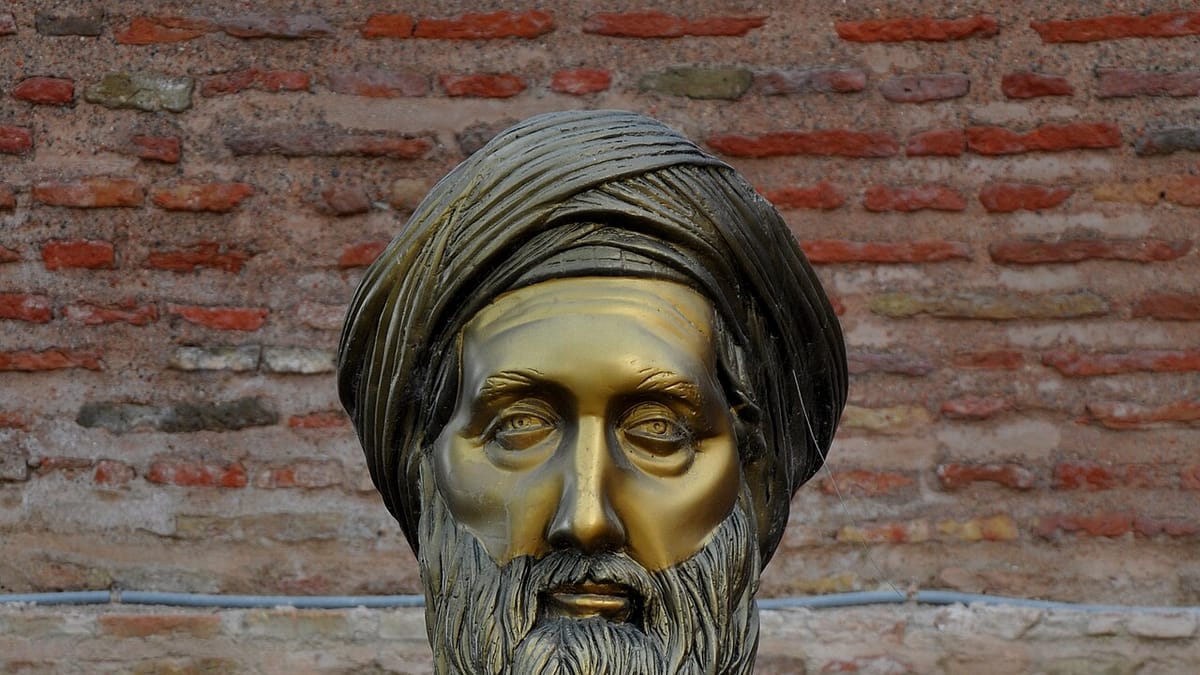
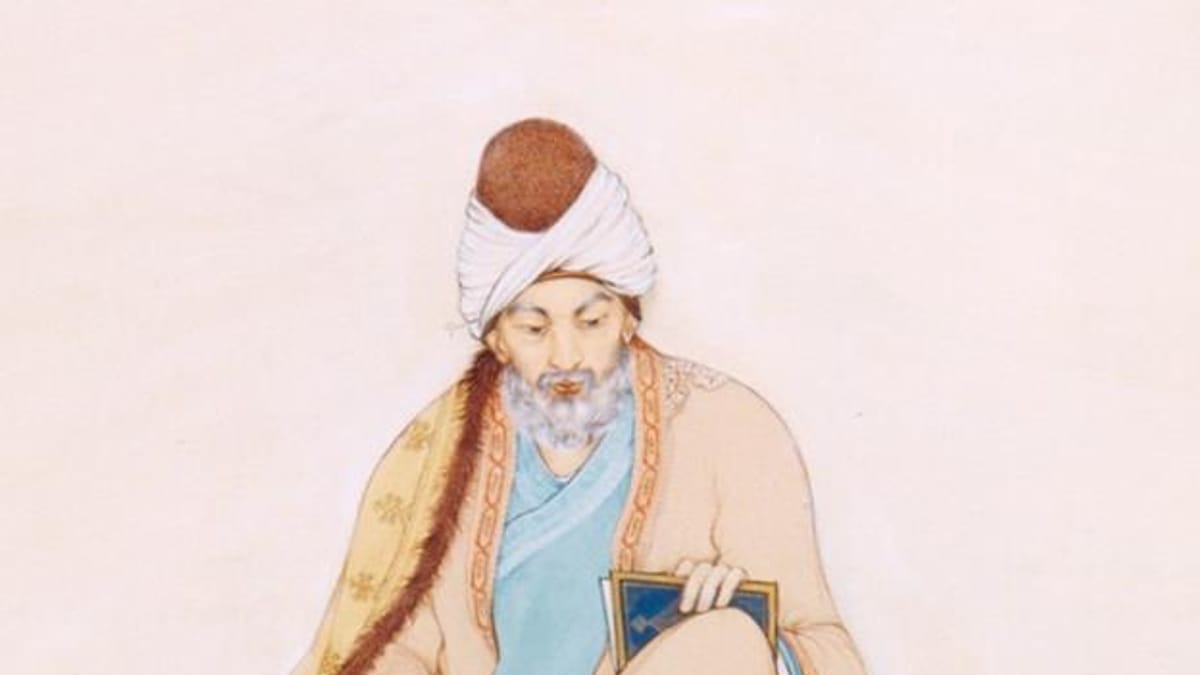
In brief: Ibn Khaldun (1332 to 1406) was a North African historian, philosopher and statesman. His Muqaddimah ("Introduction") analysed how societies, economies and states rise and decline, and is regarded as a founding work of sociology, economics and the philosophy of history.
A turbulent career
Abd al-Rahman ibn Khaldun was born in Tunis on 27 May 1332, to a family of Andalusian origin. The Black Death killed his parents in 1348 to 1349. He served rulers across North Africa and Muslim Spain as a secretary, diplomat and judge, often falling in and out of favour amid court intrigue.
The Muqaddimah
In 1375 he withdrew to a castle in present-day Algeria and wrote the Muqaddimah as an introduction to a universal history. He criticised historians who repeated stories without testing them against what was possible, and proposed studying the underlying causes of events.
His central idea was asabiyyah, group solidarity. Tribal groups with strong solidarity conquer settled states and found dynasties. Over three or four generations, luxury and dependence on hired armies erode that solidarity, and the dynasty falls to a new group. He also discussed the division of labour, taxation, which he argued should be moderate to encourage production, and the role of cities.
Meeting Timur
In his later years he served as a judge in Cairo. In 1401, during the siege of Damascus, he met the conqueror Timur (Tamerlane) and left an account of their conversations. He died in Cairo on 17 March 1406.
Frequently Asked Questions
What is asabiyyah?
Ibn Khaldun's term for social cohesion or group solidarity, which he argued allows groups to seize power and weakens as dynasties settle into luxury.