

Allama Muhammad Iqbal: The Poet Philosopher Who Imagined Pakistan
As Pakistan marked Iqbal Day with a national holiday on 9 November, a look at the life of the thinker behind the idea of a separate homeland.
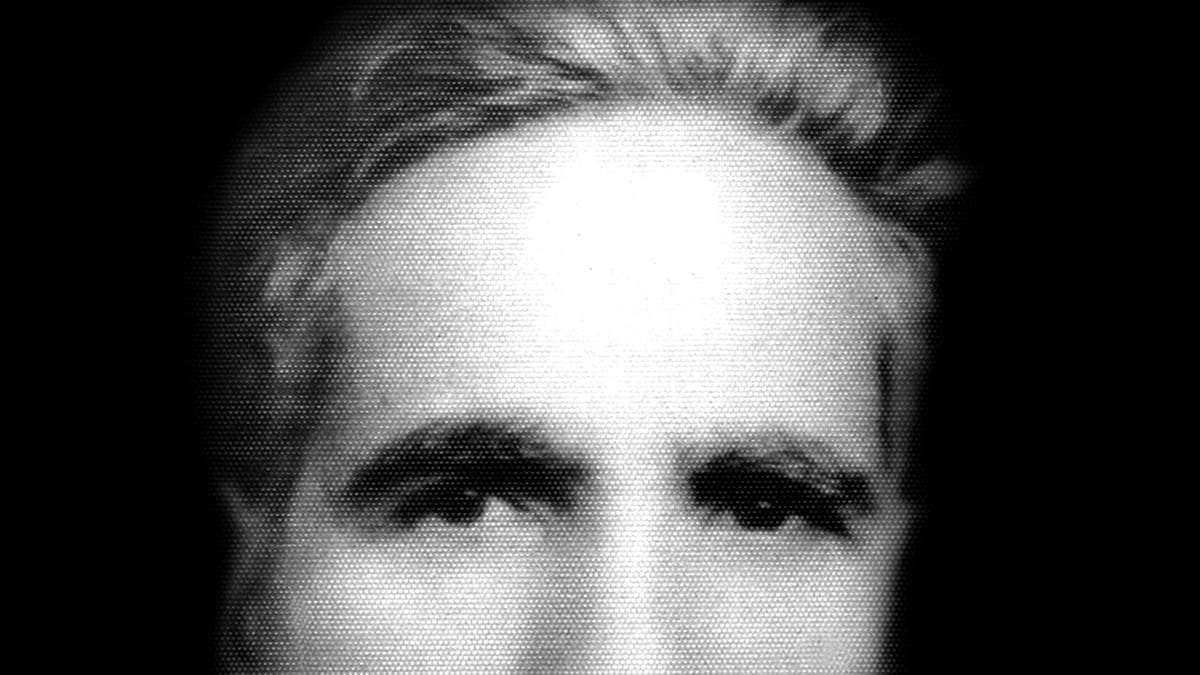
Pakistan observed a nationwide public holiday on Monday, 9 November, to mark the birth anniversary of Allama Muhammad Iqbal, the national poet whose ideas helped lay the intellectual foundations of the country.
Early life and education
Iqbal was born on 9 November 1877 in Sialkot, in Punjab. He studied at Government College Lahore, where he later taught philosophy, before travelling to Europe in 1905. He studied at Trinity College, Cambridge, earned a doctorate in philosophy from the University of Munich in 1907 and qualified as a barrister in London.
Poet of the self
Writing in both Urdu and Persian, Iqbal became one of the most influential poets of the twentieth century in South Asia. His Persian work Asrar i Khudi (The Secrets of the Self), published in 1915, set out his philosophy of khudi, a call for individuals and communities to awaken their inner strength and creative will. Collections such as Bang i Dra brought his verse to a wide Urdu readership, and his lectures were published as The Reconstruction of Religious Thought in Islam. He was knighted in 1923.
The Allahabad address
In his presidential address to the All India Muslim League in Allahabad in 1930, Iqbal argued for a consolidated Muslim state in the northwest of the subcontinent. The speech is widely remembered as an early statement of the idea that became Pakistan. In the final years of his life he corresponded with Muhammad Ali Jinnah and urged him to lead the Muslims of India.
Legacy
Iqbal died in Lahore on 21 April 1938, nine years before Pakistan's independence. He is buried beside the Badshahi Mosque. Known as Shair e Mashriq, the Poet of the East, he remains a presence in Pakistani classrooms, politics and everyday speech, and his verses are recited every year on the day of his birth.
Sources: Dawn, The Nation.
Cover image: illustration.