Saadat Hasan Manto: The Writer Who Told the Truth About Partition
Prosecuted for obscenity, he wrote unflinching stories about violence, sex and survival.
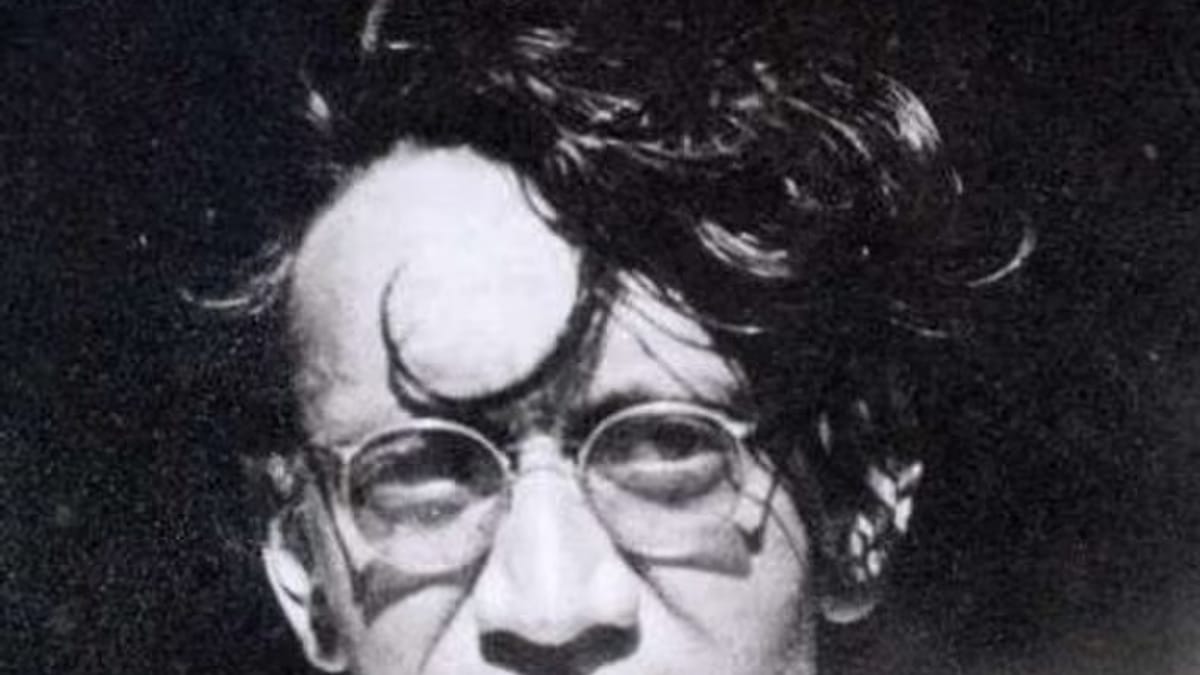
In brief: Saadat Hasan Manto (1912 to 1955) was an Urdu short story writer, essayist and screenwriter. His stark stories about the Partition of India, the lives of sex workers and the hypocrisies of society led to six obscenity trials. He is now regarded as one of the greatest short story writers of South Asia.
Bombay years
Manto was born on 11 May 1912 in Samrala, Punjab. He began as a translator of Russian and French writers, then worked in Bombay as a journalist, radio writer for All India Radio and screenwriter in the film industry, which he loved.
Partition
In January 1948, amid communal tension after Partition, Manto moved from Bombay to Lahore, a decision that grieved him. His stories from this period, including "Toba Tek Singh", "Thanda Gosht" ("Cold Meat") and "Khol Do" ("Open It"), portray the violence of 1947, including sexual violence against women, without moralising.
On trial
He was tried for obscenity three times in British India and three times in Pakistan. He argued that he was only holding up a mirror: "If you find my stories intolerable, it is because the times are intolerable." He was never convicted in a final judgement, though one case led to a fine.
Final years
Poverty and alcoholism took a heavy toll. He died in Lahore on 18 January 1955, aged 42. He wrote his own epitaph, wondering whether he or God was the greater short story writer. In 2012 the Government of Pakistan awarded him the Nishan-e-Imtiaz posthumously.
Frequently Asked Questions
What is 'Toba Tek Singh' about?
Set in an asylum after Partition, it follows a Sikh inmate who cannot accept being sent to India because no one can tell him whether his village, Toba Tek Singh, is in India or Pakistan.