How the US Supreme Court Works: Justices, Cases and Landmark Rulings
Nine justices appointed for life decide some of the most important questions in American life. Here is how.
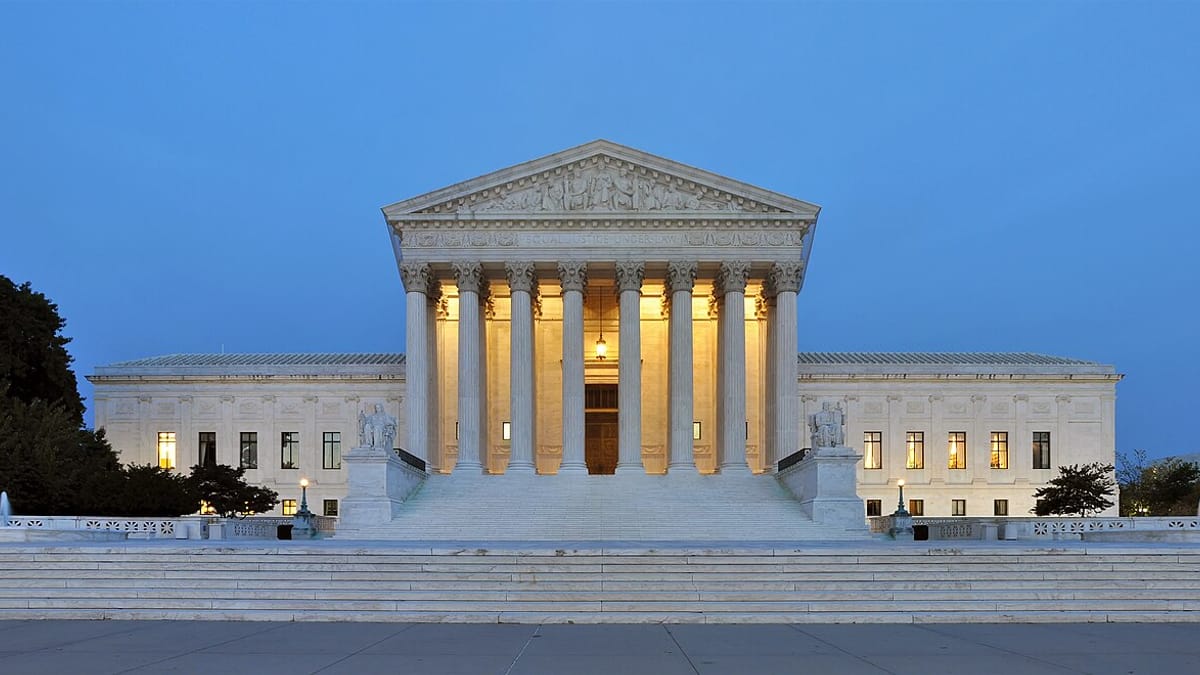
In brief: The Supreme Court of the United States is the country's highest court. It has nine justices, who are nominated by the president, confirmed by the Senate and serve for life. Each year it agrees to hear a small number of cases, usually around 60, out of thousands of requests, and its decisions on the meaning of the Constitution and federal law bind every court in the country.
Where its power comes from
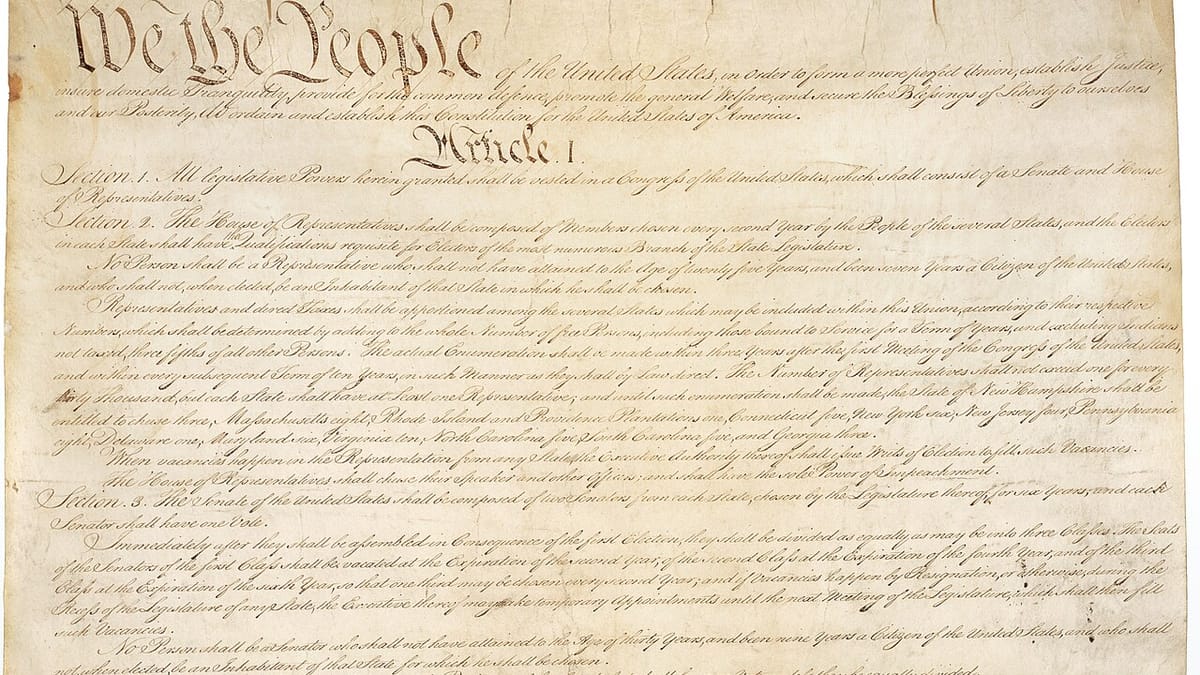
Article III of the Constitution creates "one supreme Court" but leaves many details to Congress, including the number of justices. The number has been nine since 1869. The court's most important power, judicial review, is not spelled out in the Constitution. Chief Justice John Marshall established it in Marbury v. Madison in 1803, ruling that courts can declare laws unconstitutional.
How justices are chosen
When a seat becomes vacant, the president nominates a candidate. The Senate Judiciary Committee holds hearings, and the full Senate votes. Confirmation requires a simple majority. Because justices serve "during good behavior", in practice for life unless they retire, resign or are impeached and removed, a single appointment can shape the law for decades, which makes confirmations intensely political.
How a case reaches the court
- A case is decided in lower federal courts or a state's highest court.
- The losing side files a petition for a "writ of certiorari", asking the Supreme Court to review it.
- If four of the nine justices agree, the court takes the case. Most petitions are denied.
- Both sides file written briefs, and outside groups may file "friend of the court" briefs.
- Lawyers present oral arguments, usually one hour per case, during which justices ask questions.
- The justices vote in private conference, and one justice in the majority writes the opinion. Others may write concurrences or dissents.
The court's term begins on the first Monday in October, and many of the biggest decisions are released in June.
Landmark decisions
- Brown v. Board of Education (1954): racial segregation in public schools is unconstitutional.
- Loving v. Virginia (1967): bans on interracial marriage are unconstitutional.
- Roe v. Wade (1973): recognized a constitutional right to abortion, overturned by Dobbs v. Jackson Women's Health Organization in 2022.
- United States v. Nixon (1974): the president must comply with a subpoena for evidence.
- Obergefell v. Hodges (2015): same-sex couples have the right to marry.
- Trump v. United States (2024): former presidents have broad immunity from criminal prosecution for official acts.
Women on the court
Sandra Day O'Connor became the first woman justice in 1981. Ruth Bader Ginsburg followed in 1993, Sonia Sotomayor, the first Latina justice, in 2009, Elena Kagan in 2010, Amy Coney Barrett in 2020 and Ketanji Brown Jackson, the first Black woman justice, in 2022.
Debates about the court
Public approval of the court fell sharply in the early 2020s, according to Gallup and other polls, amid controversy over major rulings and ethics questions. Proposals for reform include term limits, an enforceable ethics code and changing the number of justices. Any of these would require legislation, and some would require a constitutional amendment.
Frequently Asked Questions
How many justices are on the Supreme Court?
Nine: one Chief Justice and eight Associate Justices. The number has been fixed at nine since 1869.
How long do Supreme Court justices serve?
For life, unless they retire, resign or are impeached and removed.
How does the Supreme Court decide which cases to hear?
It grants a writ of certiorari when at least four justices vote to take a case.