The Paris Agreement Explained: The Global Deal to Limit Climate Change
What countries promised in 2015, how the agreement works and why Pakistan has so much at stake.
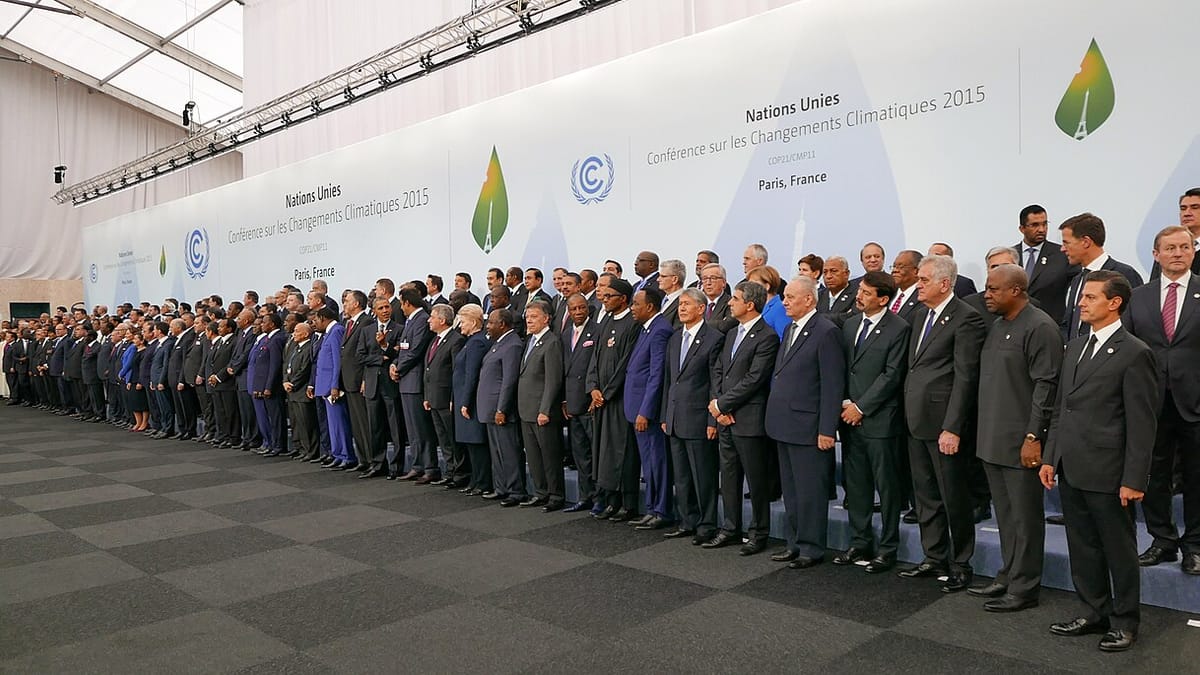
In brief: The Paris Agreement is an international treaty on climate change adopted on 12 December 2015 at the COP21 summit in Paris and in force since 4 November 2016. Its central goal is to hold the rise in global average temperature to well below 2°C above pre-industrial levels and to pursue efforts to limit it to 1.5°C. Nearly every country in the world is a party.
Why it was needed
The earlier Kyoto Protocol of 1997 required emissions cuts only from developed countries, and the United States never ratified it. By 2015, China, India and other developing economies had become major emitters. The Paris Agreement took a different approach: every country sets its own targets.
How it works
- Nationally determined contributions (NDCs): each country submits a climate plan and is expected to strengthen it every five years.
- Transparency: countries report their emissions and progress under common rules.
- Global stocktake: every five years the world assesses collective progress; the first was completed at COP28 in Dubai in 2023.
- Finance: developed countries committed to support developing countries. At COP29 in Baku in 2024, they agreed a new goal of at least 300 billion US dollars a year by 2035.
- Adaptation and loss and damage: the agreement recognises the need to help countries adapt and to address losses caused by climate change. A loss and damage fund was agreed at COP27 in 2022.
Are targets legally binding?
The obligation to submit and update plans and report progress is binding, but meeting the targets themselves is not. The agreement relies on transparency and peer pressure rather than penalties.
Is the world on track?
United Nations assessments have repeatedly found that current national plans would lead to warming well above 1.5°C this century. The year 2024 was the warmest on record and the first calendar year in which the global average temperature exceeded 1.5°C above pre-industrial levels, although the Paris goal refers to long-term averages over decades.
The United States
The United States withdrew under President Donald Trump in 2020, rejoined under President Joe Biden in 2021 and announced its withdrawal again in January 2025.
Why Pakistan has so much at stake
Pakistan produces less than 1 percent of global greenhouse gas emissions but is among the countries most vulnerable to climate change. The 2022 floods covered about a third of the country, killed more than 1,700 people and caused losses and damage estimated at over 30 billion US dollars. Pakistan, which chaired the G77 group of developing countries in 2022, played a leading role in winning agreement on the loss and damage fund.
Frequently Asked Questions
What is the 1.5°C target?
The Paris Agreement aims to hold warming well below 2°C and to pursue efforts to limit it to 1.5°C above pre-industrial levels.
Is the Paris Agreement legally binding?
The process of submitting and reporting on plans is binding, but the emissions targets themselves are not.
What is an NDC?
A nationally determined contribution: a country's own climate action plan, updated every five years.