How the United Nations Works
A guide to the General Assembly, Security Council, Secretariat and the agencies that make up the UN system.
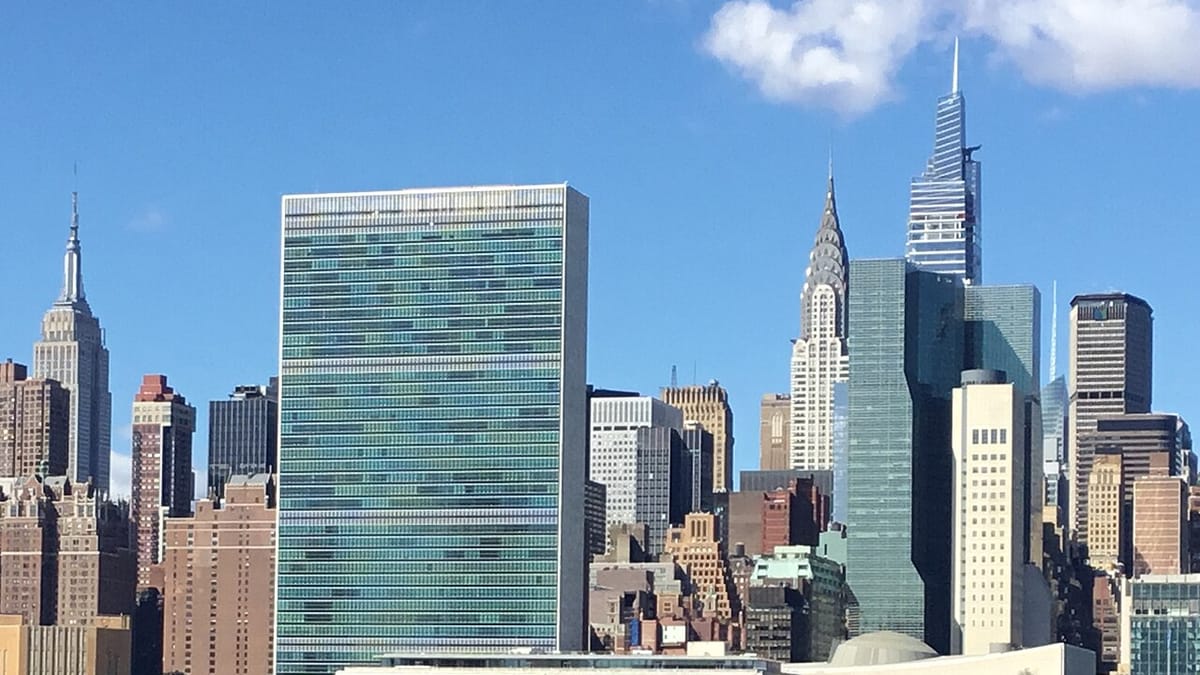
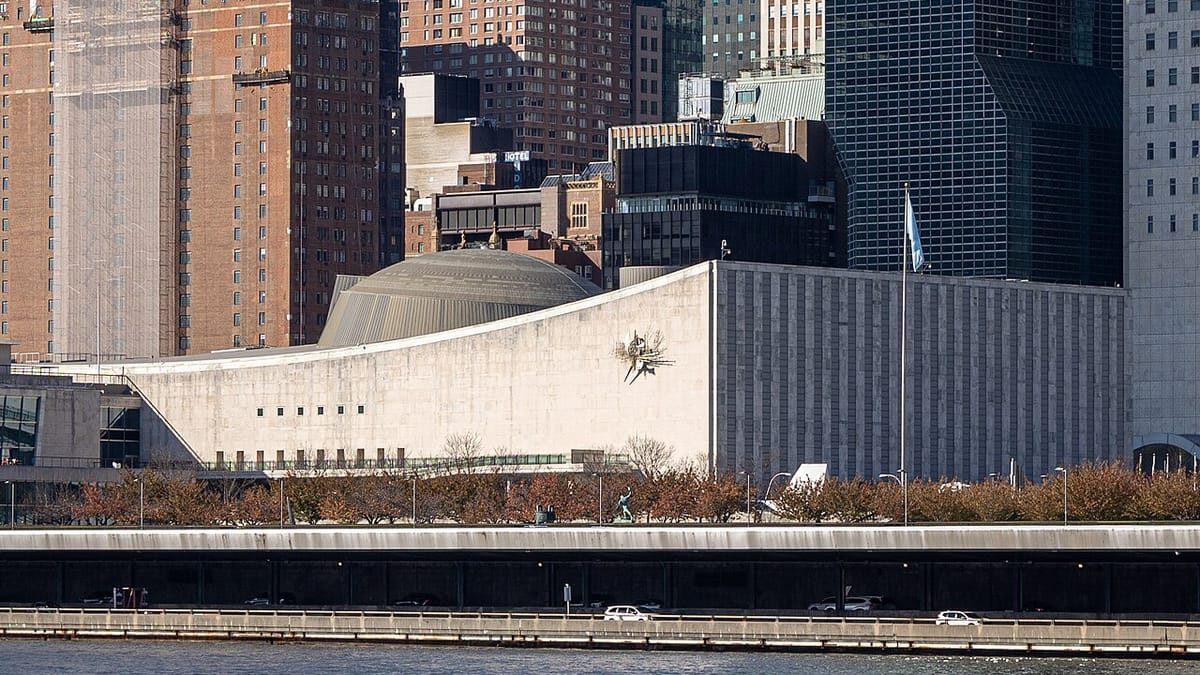
In brief: The United Nations is an intergovernmental organisation founded in 1945, after World War II, to maintain international peace and security, develop friendly relations among nations, and promote human rights and social progress. It has 193 member states and its headquarters is in New York.
The six main organs
- General Assembly: Every member state has one vote. It debates global issues, approves the budget and adopts resolutions, which are generally not legally binding.
- Security Council: Responsible for peace and security. Its decisions are binding on member states. See our explainer on the Security Council and the veto.
- Secretariat: The UN's staff, led by the Secretary-General, who is appointed by the General Assembly on the recommendation of the Security Council.
- Economic and Social Council (ECOSOC): Coordinates economic, social and environmental work.
- International Court of Justice: In The Hague, it settles legal disputes between states and gives advisory opinions.
- Trusteeship Council: Oversaw former colonies as they moved to independence; it suspended operations in 1994.
Agencies, funds and programmes
The wider UN system includes specialised agencies and programmes such as the World Health Organization (WHO), UNICEF, the UN refugee agency (UNHCR), UNESCO, the World Food Programme, UN Women and the International Labour Organization. The World Bank and International Monetary Fund are also specialised agencies, though they operate independently.
What it does
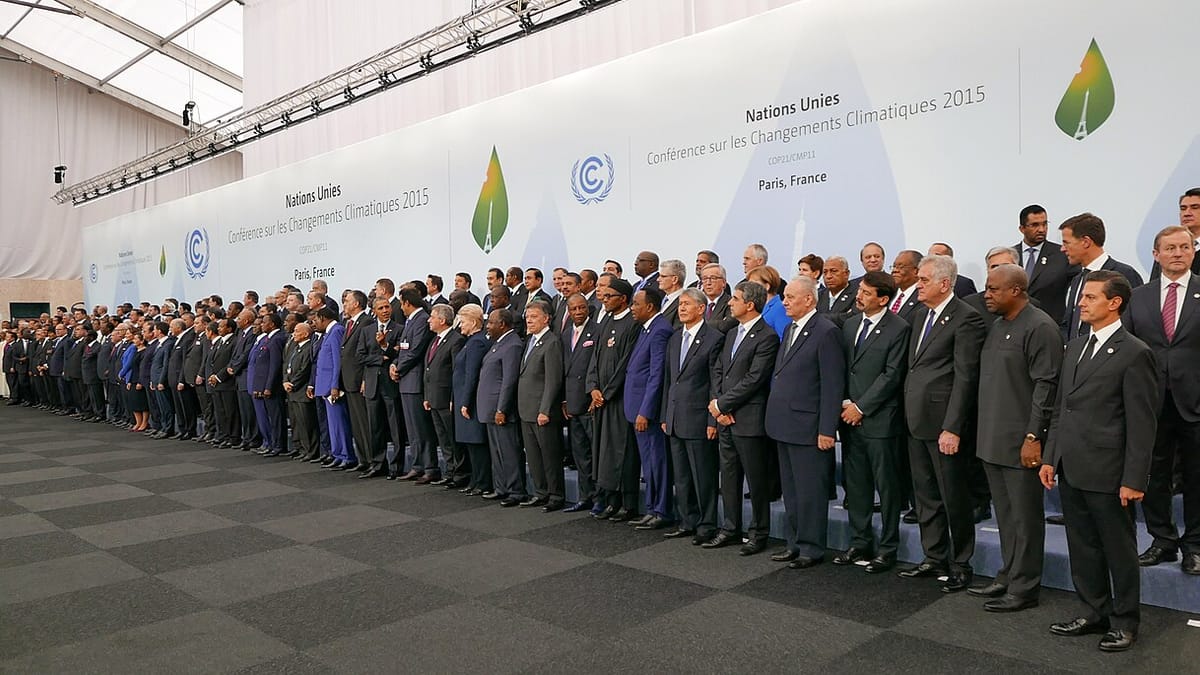
The UN runs peacekeeping missions, delivers humanitarian aid, sets international standards, and hosts negotiations on issues such as climate change. The Sustainable Development Goals, adopted in 2015, set 17 global targets for 2030.
Criticism
Critics point to the Security Council's paralysis when permanent members disagree, bureaucracy, and failures such as in Rwanda in 1994 and Srebrenica in 1995. Supporters argue that, for all its flaws, it remains the only forum where every nation has a seat.
Frequently Asked Questions
How many members does the UN have?
193 member states. The Holy See and the State of Palestine are non-member observer states.
When was the UN founded?
The UN Charter came into force on 24 October 1945, now marked as United Nations Day.