CPEC Explained: What the China Pakistan Economic Corridor Is and Why It Matters
Roads, power plants and a deep sea port: the flagship project of China's Belt and Road Initiative.
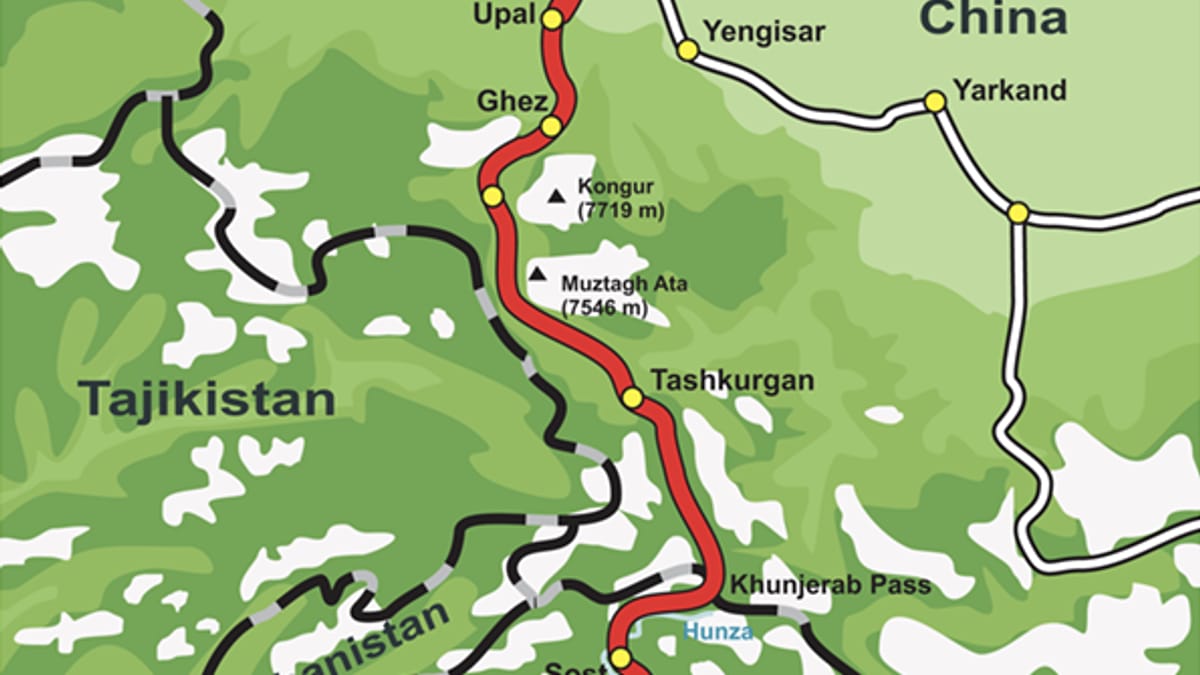
In brief: The China Pakistan Economic Corridor (CPEC) is a large package of infrastructure and energy projects in Pakistan, financed mainly by Chinese loans and investment. Formally launched in April 2015, it is the flagship project of China's Belt and Road Initiative. Its aim is to connect Kashgar in western China with the port of Gwadar on Pakistan's Arabian Sea coast, while easing Pakistan's chronic power shortages.
How it began
China and Pakistan have had close relations since the 1950s, and the Karakoram Highway, completed in 1979, already linked the two countries across the mountains. China announced the Belt and Road Initiative in 2013. During President Xi Jinping's visit to Islamabad in April 2015, the two governments signed agreements initially valued at about 46 billion US dollars. The figure was later revised to more than 60 billion dollars.
What it includes
- Energy: coal, hydropower, wind and solar plants that added thousands of megawatts to Pakistan's grid, reducing the load shedding that had crippled industry in the 2000s and early 2010s.
- Transport: motorways and highways, the upgrading of the Karakoram Highway and plans to modernise the Karachi to Peshawar railway line, known as ML-1.
- Gwadar: development of the deep sea port, an international airport and a free zone.
- Special economic zones: planned industrial areas in each province intended to attract manufacturing.
Why China wants it
For China, a route through Pakistan offers a shorter path to the Arabian Sea and the Gulf than shipping through the Strait of Malacca, and supports development in its western Xinjiang region. It also deepens a strategic partnership with Pakistan.
Why Pakistan wants it
Pakistan hoped CPEC would end energy shortages, build infrastructure it could not finance on its own and turn the country into a regional trade hub. The early harvest of power projects did ease shortages.
Criticism and challenges
- Debt and costs: payments owed to Chinese power producers, known as capacity payments, have added to Pakistan's circular debt, and repayment obligations weigh on foreign exchange reserves.
- Security: Chinese workers and projects have been targeted in attacks, particularly in Balochistan and Khyber Pakhtunkhwa.
- Local benefits: residents of Gwadar have protested over water shortages, fishing rights and limited local employment.
- Transparency: critics argue that the terms of many agreements have not been fully published.
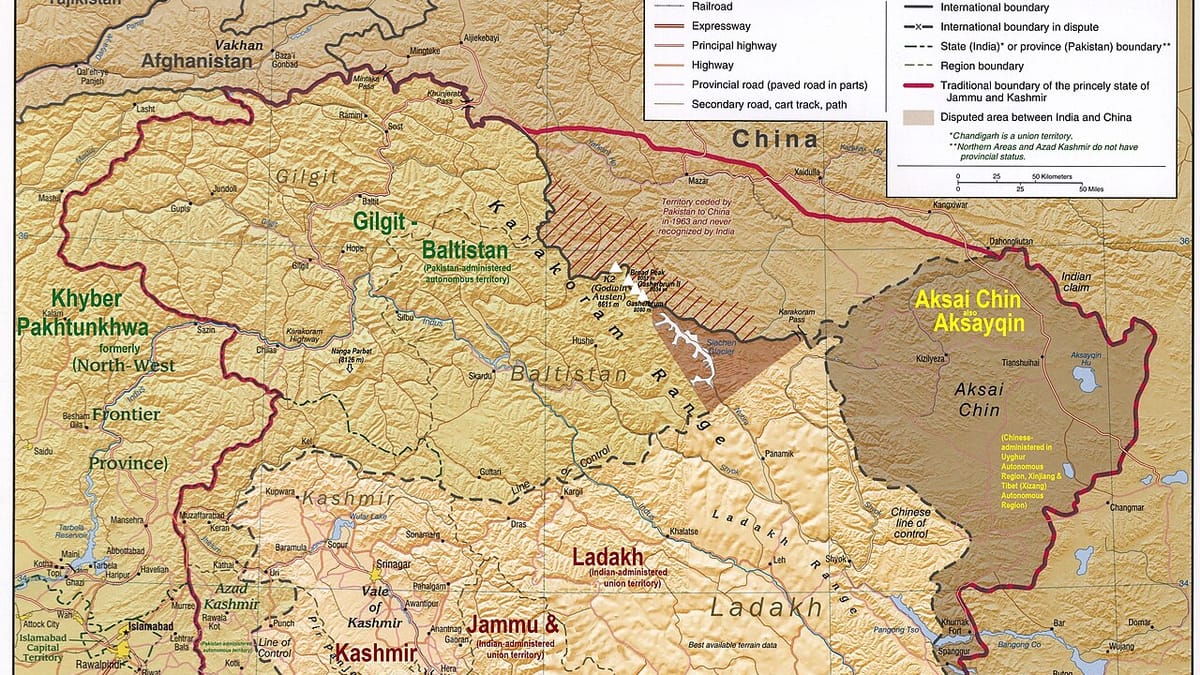
- India's objection: India opposes the corridor because it passes through Gilgit-Baltistan, part of the disputed Kashmir region.
Where it stands
Officials describe a second phase focused on industry, agriculture and special economic zones. Progress has been slower than first promised, and the ML-1 railway upgrade has been repeatedly delayed by financing questions. CPEC remains central to Pakistan China relations and to debates about Pakistan's economic future.
Frequently Asked Questions
What does CPEC stand for?
The China Pakistan Economic Corridor.
When was CPEC launched?
Agreements were signed during Xi Jinping's visit to Pakistan in April 2015.
Why is Gwadar important to CPEC?
Gwadar is a deep sea port on the Arabian Sea that gives China a potential trade route to the Gulf and beyond.