

What Is SAARC? South Asia's Stalled Regional Organisation
Why the South Asian Association for Regional Cooperation has struggled to deliver.
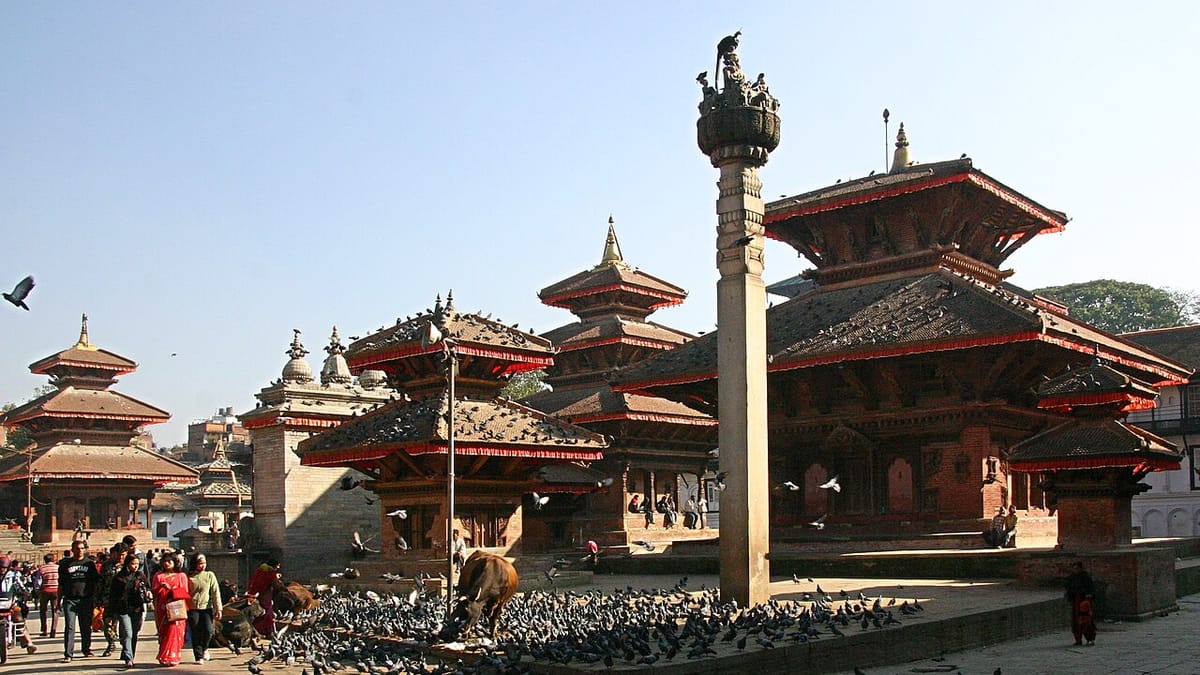
In brief: The South Asian Association for Regional Cooperation (SAARC) is a regional organisation founded in Dhaka in December 1985. Its eight members, Afghanistan, Bangladesh, Bhutan, India, the Maldives, Nepal, Pakistan and Sri Lanka, are home to about a quarter of the world's population. It has achieved far less than regional bodies elsewhere, largely because of rivalry between India and Pakistan.
Aims
SAARC aims to promote economic growth, social progress and cultural development, and to strengthen cooperation among members. Its charter excludes bilateral and contentious issues from its discussions, and decisions require unanimity.
Achievements
Members signed the South Asian Free Trade Area (SAFTA) agreement in 2004, established the South Asian University in New Delhi, and created a regional food bank. A SAARC visa exemption scheme allows certain categories of people to travel within the region.
Why it stalled
Trade within South Asia remains a small share of members' total trade, much lower than in Southeast Asia's ASEAN. Pakistan was due to host the summit in 2016, but India pulled out after a militant attack in Kashmir, and Bangladesh, Bhutan and Afghanistan followed. No SAARC summit has been held since 2014.
Alternatives
India has turned to other groups, such as BIMSTEC, which links South and Southeast Asian countries around the Bay of Bengal and excludes Pakistan. Pakistan has focused on ties with China and Central Asia, and with the Shanghai Cooperation Organisation.
Frequently Asked Questions
Who are the members of SAARC?
Afghanistan, Bangladesh, Bhutan, India, the Maldives, Nepal, Pakistan and Sri Lanka.
Where is the SAARC secretariat?
In Kathmandu, Nepal.