The UN Security Council and the Veto Explained
Why five countries can block any resolution, and why reform has proved so hard.
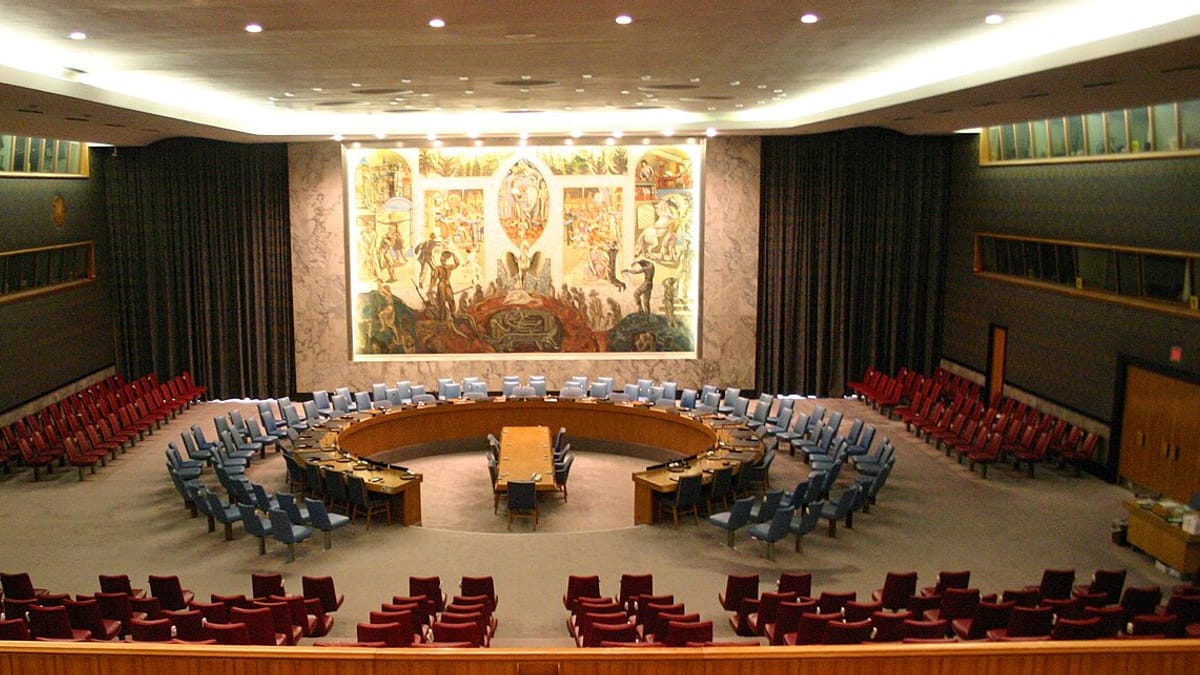
In brief: The UN Security Council has 15 members: five permanent members, China, France, Russia, the United Kingdom and the United States, known as the P5, and ten non-permanent members elected for two-year terms. A resolution needs nine votes and no veto from a permanent member.
Powers
Under the UN Charter, the Security Council has primary responsibility for international peace and security. It can impose sanctions, authorise peacekeeping missions and, under Chapter VII, authorise the use of force. Unlike most UN decisions, its resolutions are binding on all member states.
The veto
A negative vote by any permanent member blocks a substantive resolution, even if all other members support it. The P5 were the main victors of World War II, and the founders believed the UN would only work if the great powers were on board. Abstaining does not count as a veto.
Russia, including the Soviet Union, and the United States have used the veto most often. Vetoes have blocked action on conflicts including Syria, Israel and Palestine, and Ukraine. Since 2022, the General Assembly automatically meets to debate any use of the veto.
The reform debate
Many countries argue the Council reflects the world of 1945, not today. Proposals include adding permanent seats for countries such as India, Brazil, Germany and Japan, and for Africa. Pakistan is part of the Uniting for Consensus group, which opposes new permanent seats and favours more elected seats instead. Any reform requires amending the Charter, which needs the approval of two thirds of members, including all five permanent members.
Frequently Asked Questions
Who are the permanent members of the Security Council?
China, France, Russia, the United Kingdom and the United States.
Has Pakistan served on the Security Council?
Yes, Pakistan has been elected as a non-permanent member several times.