

How the US Electoral College Works
Why American presidents are chosen state by state, and how a candidate can win without the popular vote.
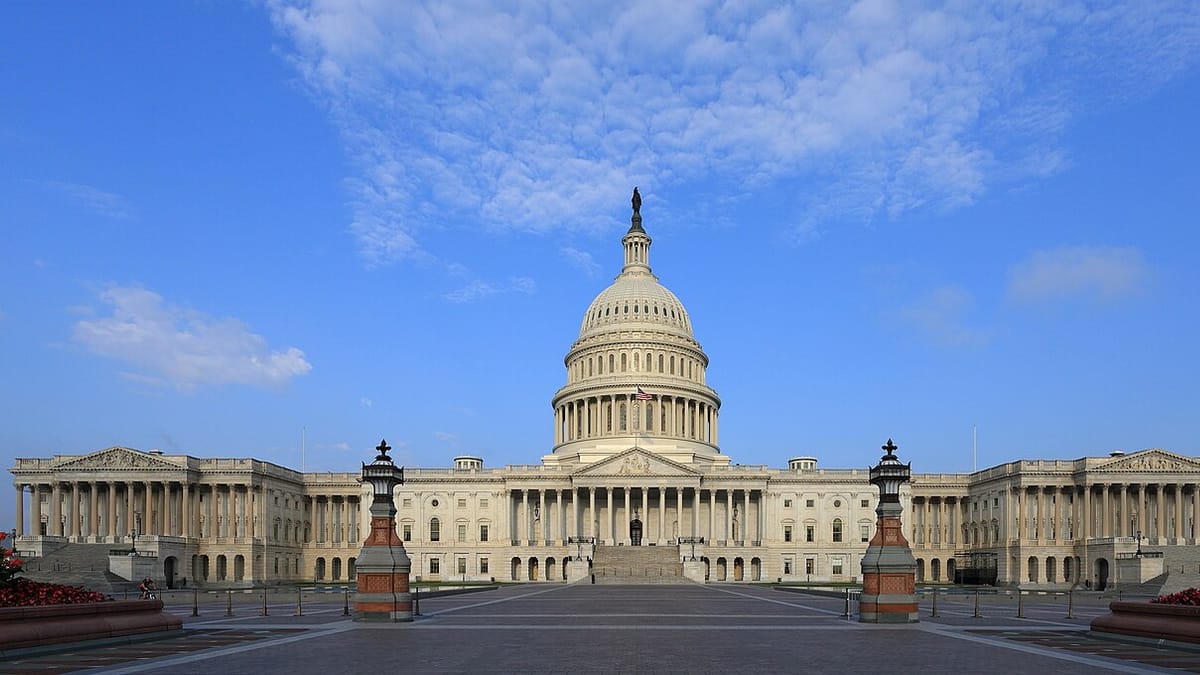
In brief: The President of the United States is chosen by the Electoral College, a body of 538 electors, rather than directly by the national popular vote. Each state's number of electors equals its seats in Congress. A candidate needs a majority, 270 electoral votes, to win.
How electors are allocated
Each state gets electors equal to its number of Representatives in the House, which depends on population, plus its two Senators. Washington, DC, receives three. California has the most electors; the smallest states have three.
Winner takes all
In 48 states and Washington, DC, the candidate who wins the most votes in the state receives all its electors. Maine and Nebraska divide some of their electors by congressional district. This is why campaigns focus on competitive "swing states" rather than the national total.
Winning without the popular vote
Because of winner-takes-all and the extra weight given to small states, a candidate can win the presidency while receiving fewer votes nationally. This has happened five times, including in 2000, when George W. Bush defeated Al Gore, and in 2016, when Donald Trump defeated Hillary Clinton.
Why it exists
The framers of the Constitution in 1787 created the system as a compromise between election by Congress and by popular vote, balancing the interests of large and small states. Historians note that the counting of enslaved people as three fifths of a person for representation also gave slave states extra electoral weight.
The debate
Supporters say it protects smaller states and forces candidates to build broad coalitions. Critics say it means some votes count more than others. Abolishing it would require a constitutional amendment.
Frequently Asked Questions
How many electoral votes are needed to win?
270 of the 538 electoral votes.
Has a candidate won the presidency while losing the popular vote?
Yes, five times, most recently in 2000 and 2016.