

Asia
Pakistan
A federal parliamentary republic in South Asia, founded in 1947, and the fifth most populous country in the world.
Last verified: 2026-11-24
Overview
Pakistan is a federal parliamentary republic in South Asia, bordered by India, China, Afghanistan and Iran, with a coastline on the Arabian Sea. Its capital is Islamabad and its largest city is Karachi. The 2023 census, published by the Pakistan Bureau of Statistics, counted about 241 million people, making it one of the most populous countries in the world. Urdu is the national language and English is an official language, alongside major regional languages including Punjabi, Pashto, Sindhi, Saraiki and Balochi.
History
The region is home to one of the world's oldest urban civilisations, the Indus Valley civilisation. Pakistan was created on 14 August 1947 at the partition of British India, following a movement led by the All-India Muslim League under Muhammad Ali Jinnah. Partition was accompanied by mass migration and violence. The country initially comprised West and East Pakistan; East Pakistan became independent as Bangladesh in 1971 after a war. Pakistan has alternated between civilian governments and periods of military rule, under Ayub Khan (1958 to 1969), Yahya Khan (1969 to 1971), Zia ul Haq (1977 to 1988) and Pervez Musharraf (1999 to 2008).
Political System
Under the Constitution of 1973, Pakistan is a federal parliamentary republic. The bicameral Parliament consists of the National Assembly, elected directly, and the Senate, which represents the provinces. The prime minister heads the government and the president is head of state. The federation comprises four provinces, Punjab, Sindh, Khyber Pakhtunkhwa and Balochistan, and the Islamabad Capital Territory. Gilgit-Baltistan and Azad Jammu and Kashmir have their own administrative arrangements. The Eighteenth Amendment of 2010 devolved significant powers to the provinces. The military remains a powerful political actor.
Education
Article 25-A of the Constitution, added in 2010, requires the state to provide free and compulsory education to all children aged 5 to 16. Education is largely a provincial responsibility. Students follow either provincial and federal board examinations (Matric and Intermediate) or international qualifications such as Cambridge O and A Levels, which require IBCC equivalence for local admission. Pakistan has one of the world's largest populations of out-of-school children, and girls are disproportionately affected. See our guide to O and A Levels.
Women's Rights
The Constitution guarantees equality before the law and prohibits discrimination on the basis of sex. Benazir Bhutto became the first woman to lead a Muslim-majority country in 1988. Legislation has addressed violence against women, including the Protection of Women Act of 2006 and laws against acid attacks, harassment in the workplace and so-called honour killings. Rights groups report that implementation remains weak, and gender gaps in education, employment and political participation remain large. Read our biography of Benazir Bhutto.
International Relations
Pakistan's foreign policy is shaped by its rivalry with India, including over Kashmir, its close strategic partnership with China, its long and sometimes difficult relationship with the United States, and ties with Gulf states. It is a nuclear-armed state and a member of the United Nations, the Organisation of Islamic Cooperation and the Shanghai Cooperation Organisation. In 2026 a Pakistani astronaut was selected to become the first foreign visitor to China's Tiangong space station.
Sources
Latest on Pakistan
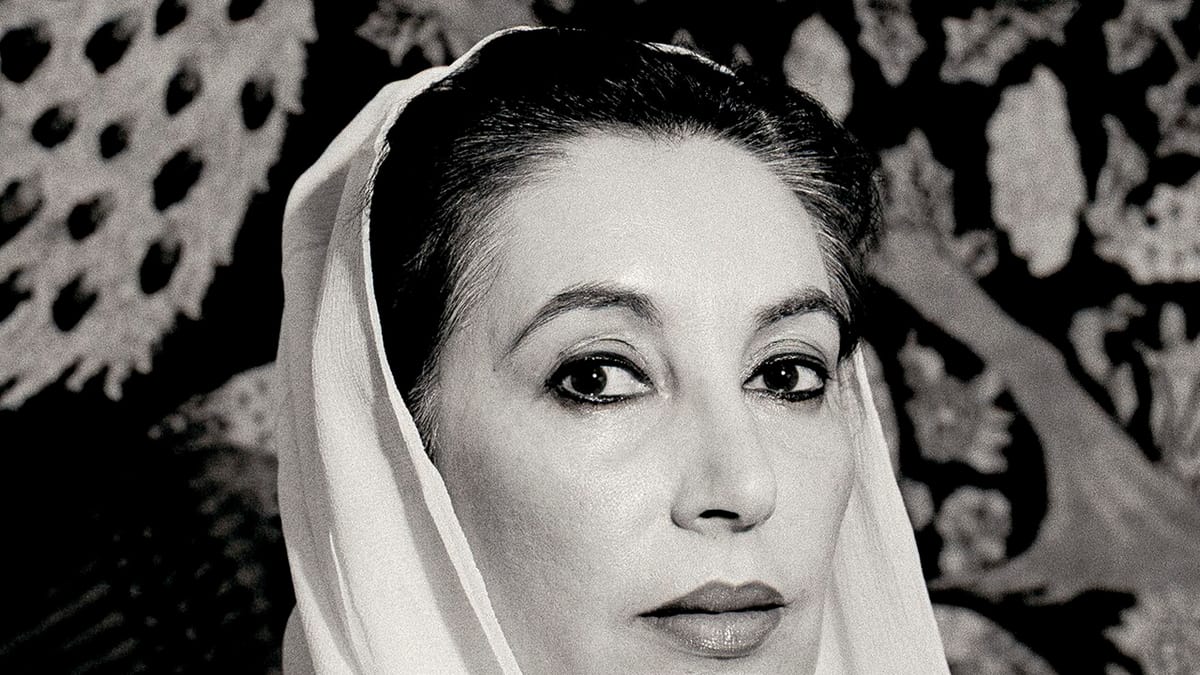
Benazir Bhutto: The Life of the First Woman to Lead a Muslim-Majority Nation
Benazir Bhutto led Pakistan twice, in 1988 and 1993, and was killed in Rawalpindi in 2007. Her life tells the story of Pakistani democracy itself.
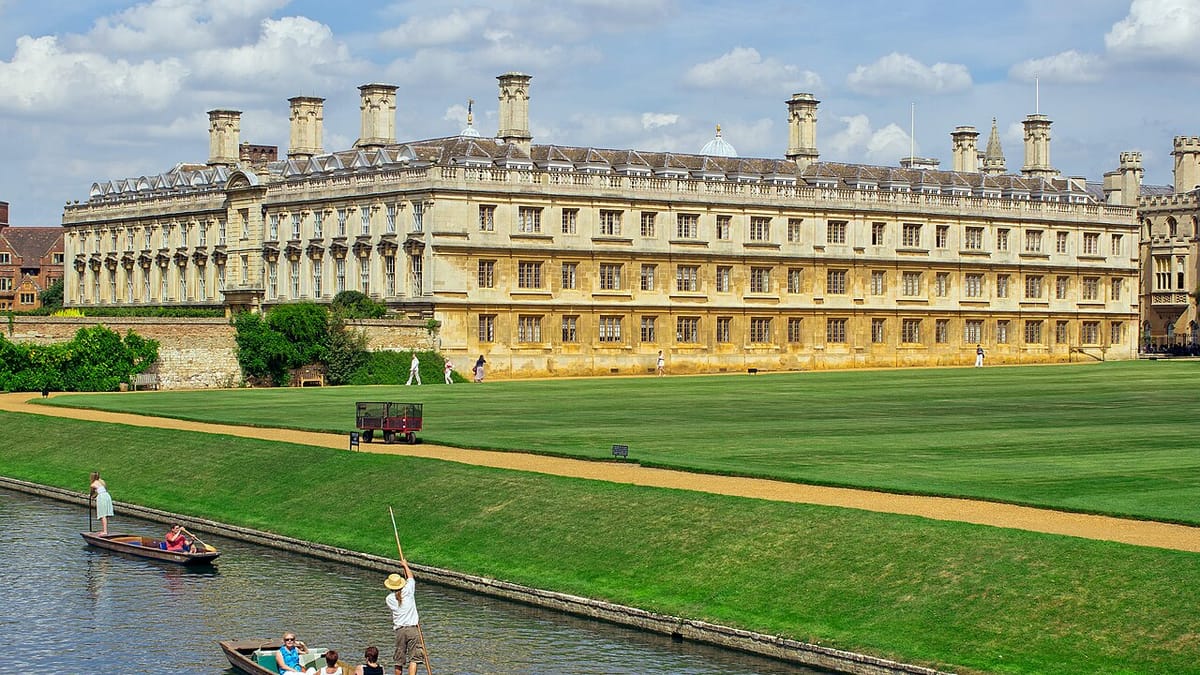
Cambridge O Levels and A Levels Explained: A Complete Guide for Students and Parents
A plain-language guide to Cambridge O Level, AS and A Level qualifications, grading, exam sessions, subject choice and equivalence in Pakistan.
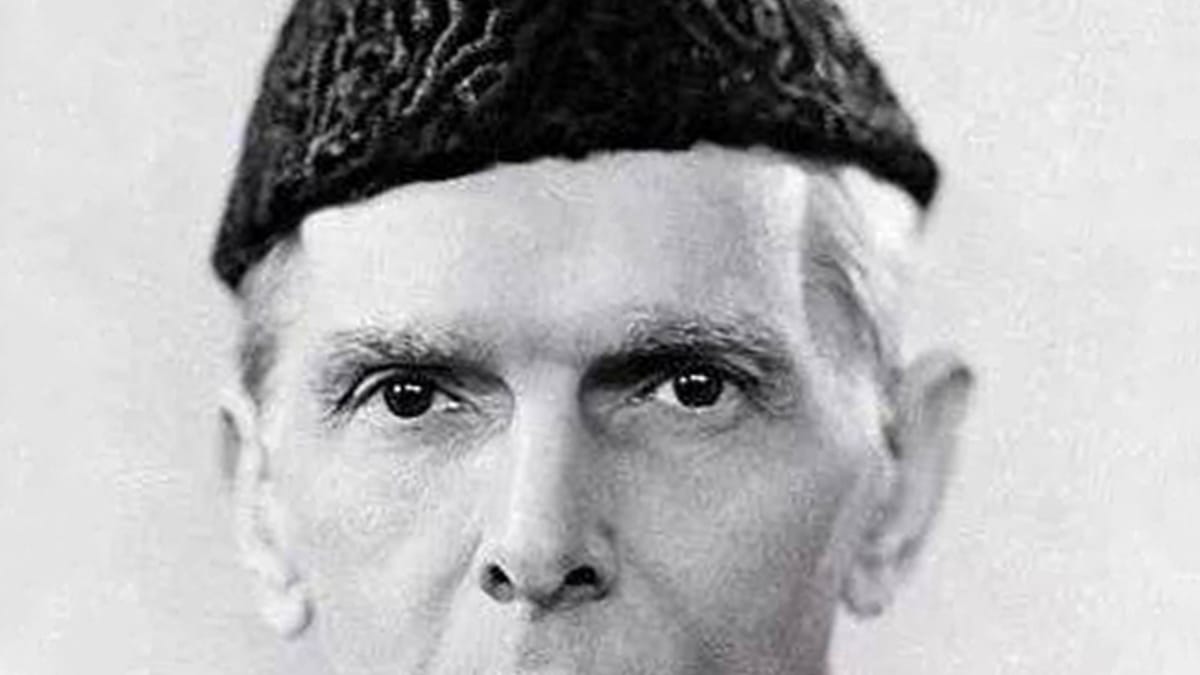
Muhammad Ali Jinnah: The Lawyer Who Founded Pakistan
Muhammad Ali Jinnah led the All-India Muslim League to the creation of Pakistan in 1947 and died just over a year later.
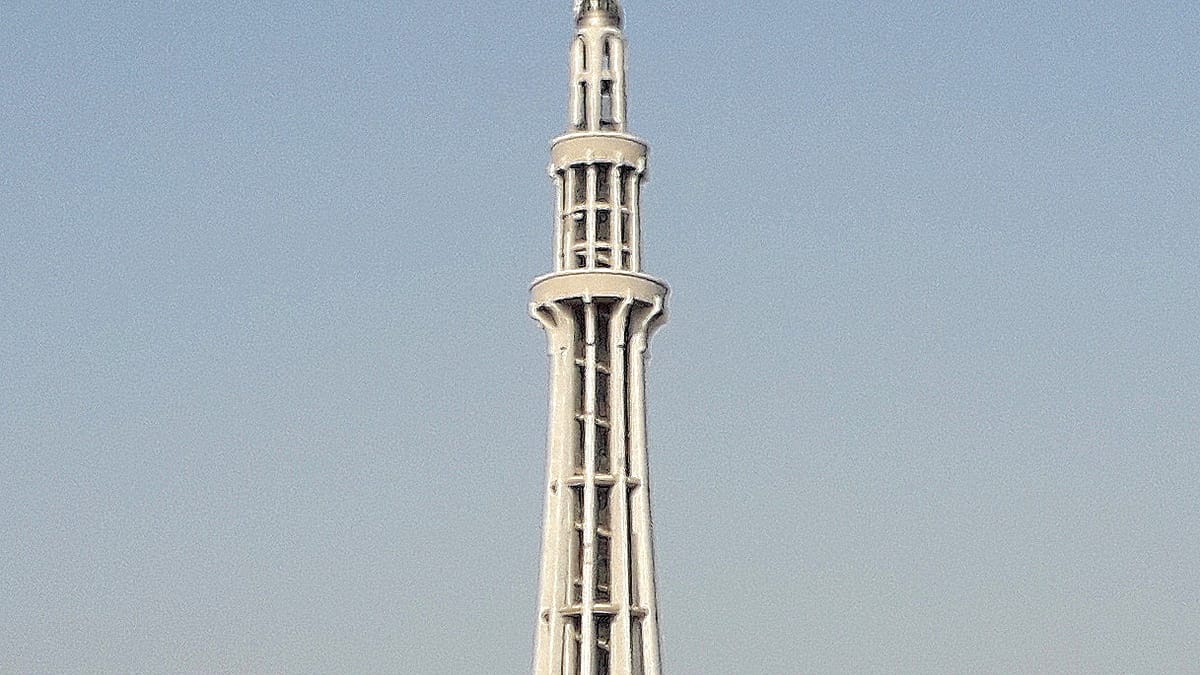
The Lahore Resolution of 1940: The Day the Idea of Pakistan Became a Demand
On 23 March 1940 the All-India Muslim League called for independent states in the Muslim-majority regions of British India. Seven years later, Pakistan was born.
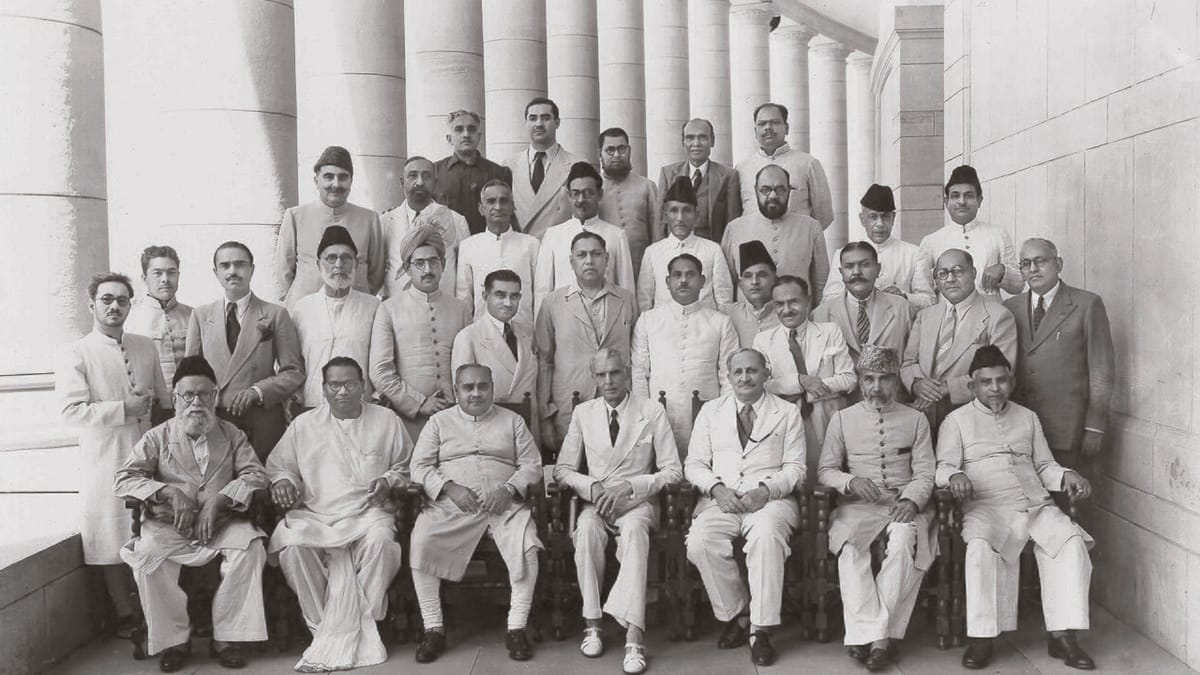
Jinnah's Fourteen Points of 1929 Explained
In March 1929 Muhammad Ali Jinnah listed fourteen safeguards he said Muslims needed in any future constitution for India.
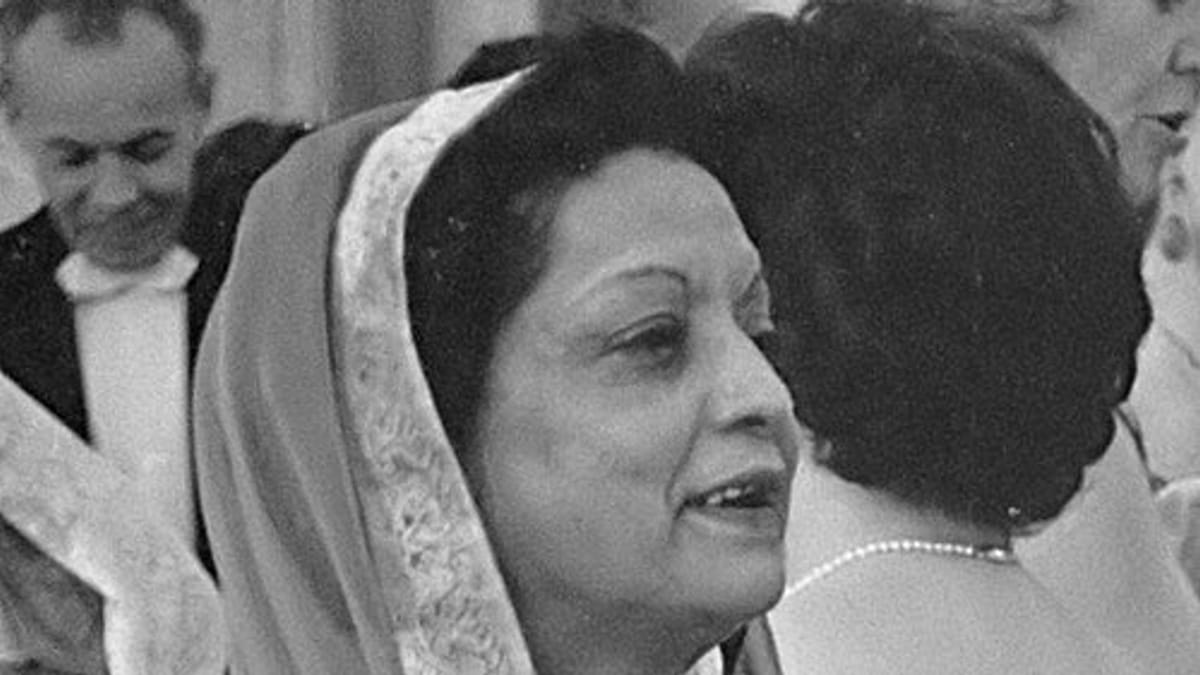
Ra'ana Liaquat Ali Khan: Pioneer of Women's Rights in Pakistan
Begum Ra'ana Liaquat Ali Khan founded APWA, became Sindh's first woman governor and devoted her life to women's welfare in Pakistan.
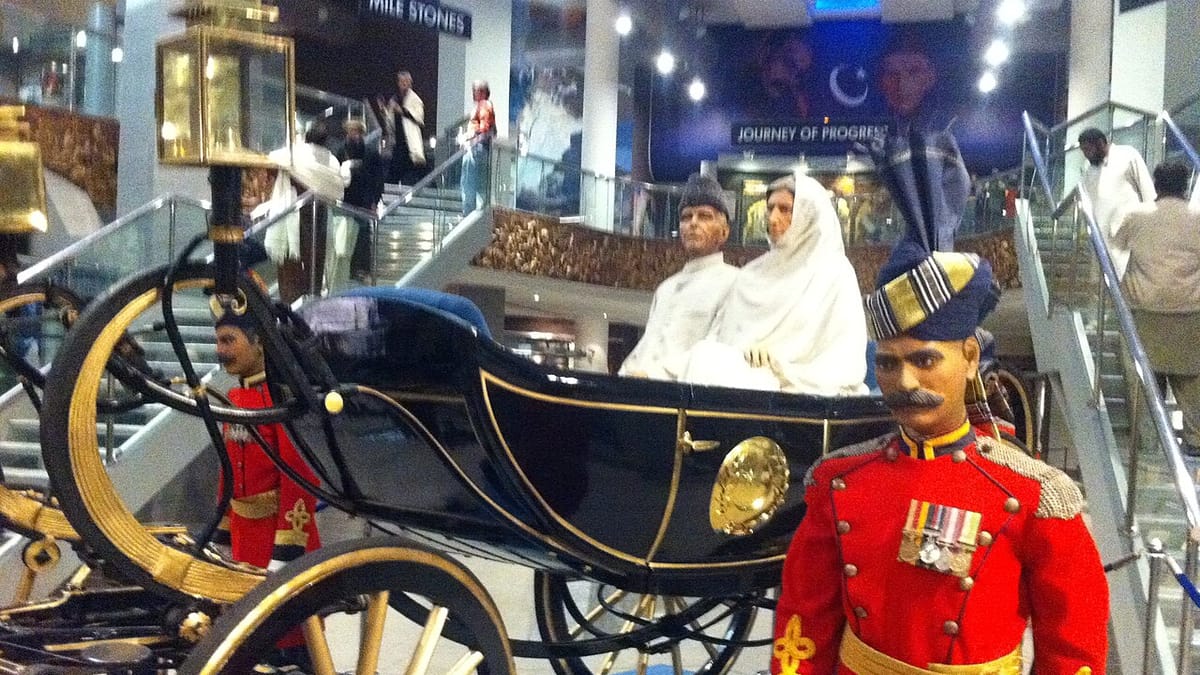
Fatima Jinnah: The Mother of the Nation
Fatima Jinnah supported Muhammad Ali Jinnah throughout the Pakistan Movement and ran for president against Ayub Khan in 1965.
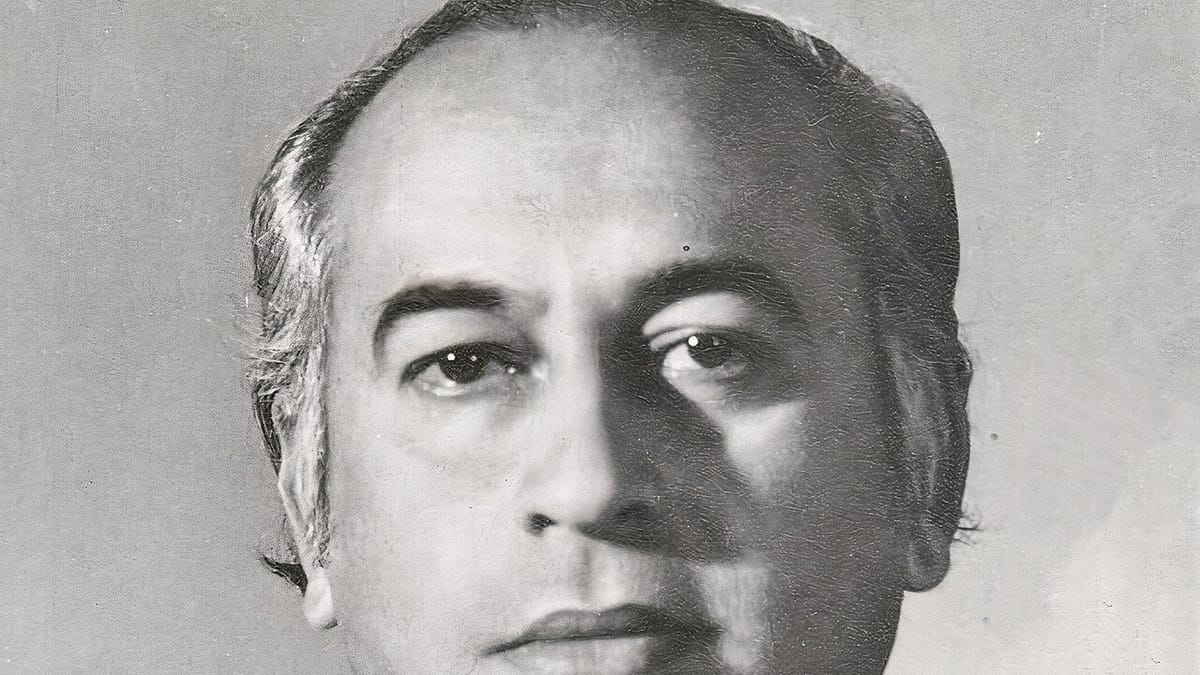
The 1973 Constitution of Pakistan Explained: Structure, Rights and Key Amendments
Pakistan's 1973 Constitution created a federal parliamentary republic. Its 18th Amendment in 2010 transferred major powers to the provinces.
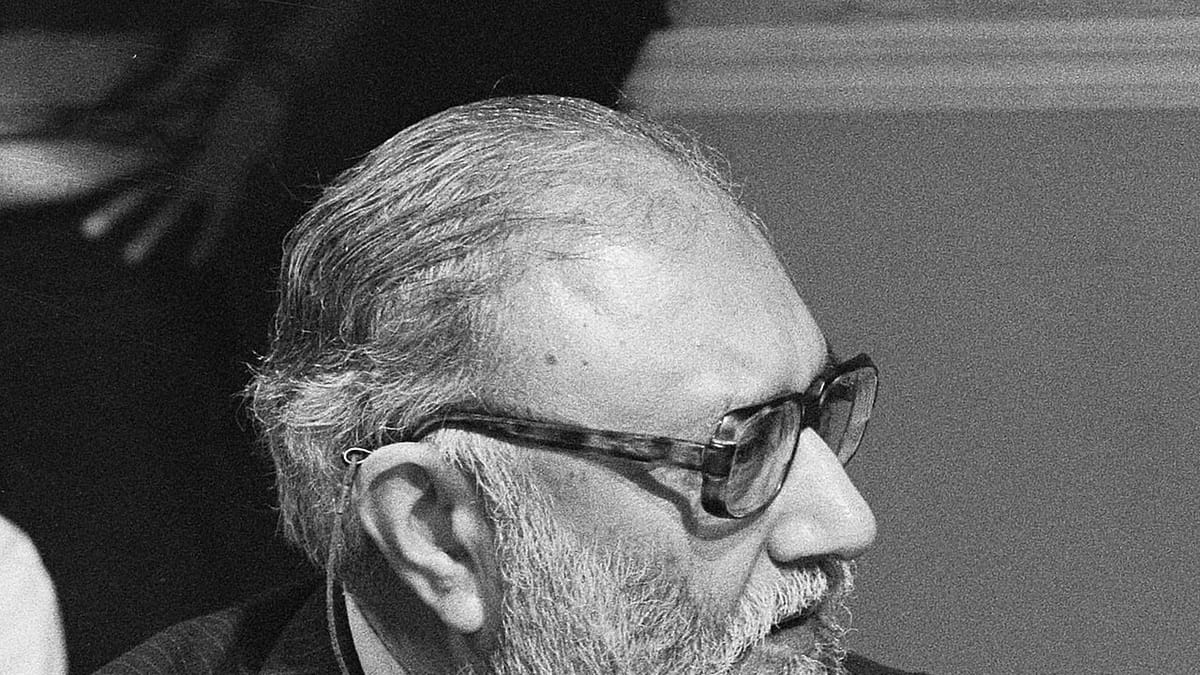
Abdus Salam: Pakistan's First Nobel Laureate in Science
Abdus Salam shared the 1979 Nobel Prize in Physics for electroweak unification and founded the International Centre for Theoretical Physics in Trieste.