

What Is Press Freedom and Why Does It Matter?
The right to report without censorship or fear, and the threats journalists face around the world.
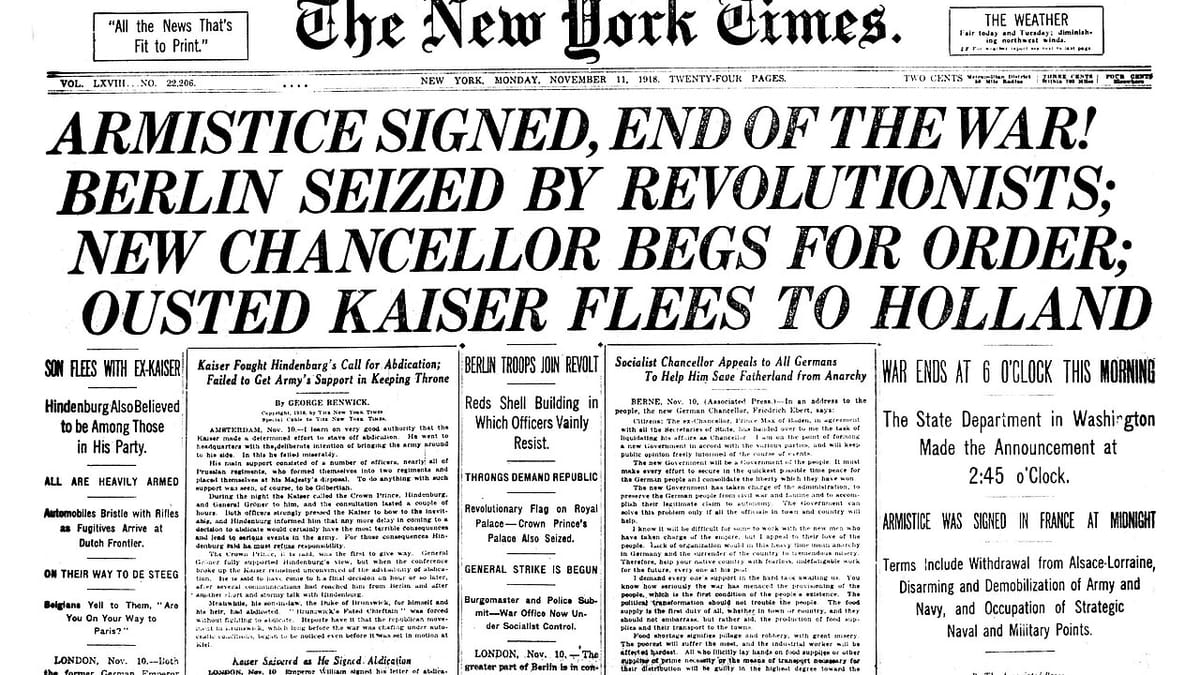
In brief: Press freedom is the right of journalists and media organisations to gather and publish information without censorship, intimidation or violence. It is part of the right to freedom of expression in Article 19 of the Universal Declaration of Human Rights and the International Covenant on Civil and Political Rights.
Why it matters
A free press lets citizens make informed choices, exposes corruption and abuse of power, and gives voice to people who are otherwise unheard. The economist Amartya Sen argued that no major famine has occurred in a functioning democracy with a free press, because governments are forced to respond.
Threats to journalists
- Violence: Journalists are killed every year, many while investigating crime and corruption, and most killings go unpunished.
- Imprisonment: Governments jail journalists on charges such as terrorism, espionage or "false news".
- Legal pressure: Defamation suits, cybercrime laws and licensing rules can be used to silence reporting.
- Surveillance and harassment: Spyware, online abuse, particularly against women journalists, and threats to families.
- Economic pressure: Advertising boycotts and ownership by politically connected businesses.
Measuring press freedom
Organisations such as Reporters Without Borders and the Committee to Protect Journalists track threats and publish annual indexes and reports. Pakistan has for years been ranked among the more dangerous countries for journalists.
Limits
Press freedom is not unlimited. Restrictions, such as on incitement to violence, must be set by law, necessary and proportionate. Responsible journalism also requires accuracy, fairness and corrections.
Frequently Asked Questions
When is World Press Freedom Day?
3 May each year, proclaimed by the UN General Assembly in 1993.
Is press freedom absolute?
No. International law allows limited restrictions, for example to protect others' reputations or national security, but they must be lawful, necessary and proportionate.