The European Convention and Court of Human Rights Explained
How a 1950 treaty and a court in Strasbourg protect the rights of more than 600 million people.
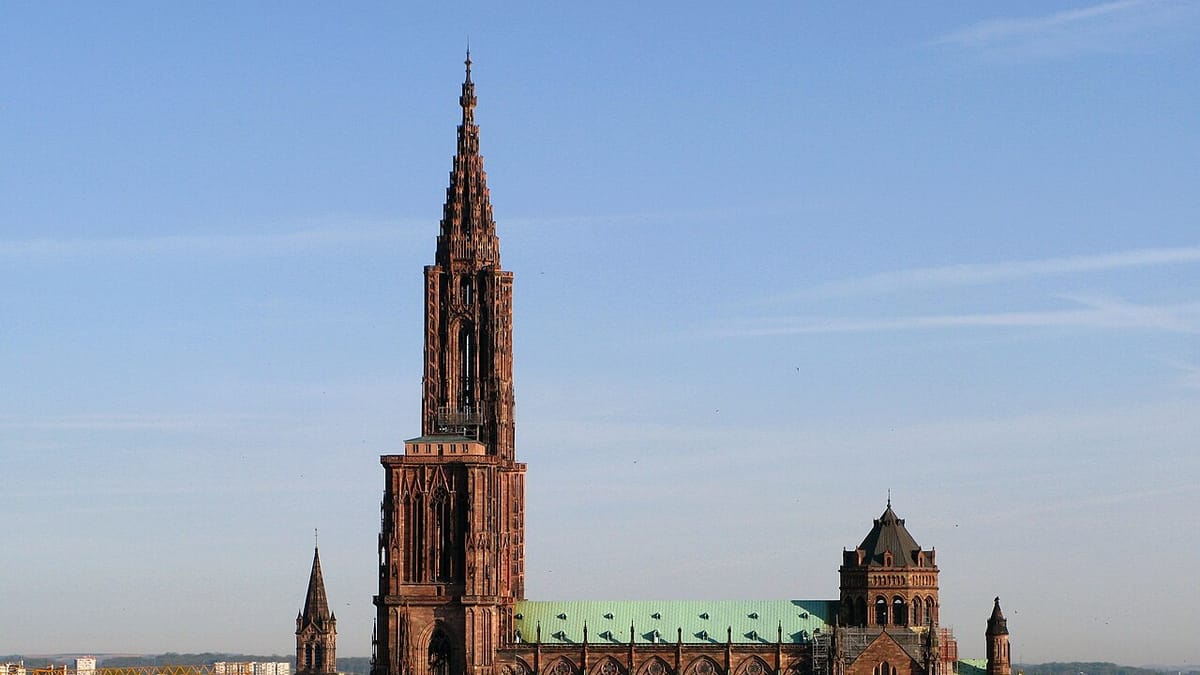
In brief: The European Convention on Human Rights is an international treaty signed in Rome on November 4, 1950, by members of the Council of Europe. It protects rights such as the right to life, a fair trial, privacy and freedom of expression. The European Court of Human Rights in Strasbourg, France, rules on complaints that a state has violated the Convention. Its judgments are binding on the 46 member states, which together have a population of more than 600 million people.
Not the European Union
The Council of Europe and its court are separate from the European Union. The Council of Europe, founded in 1949, is a wider organization that includes countries such as the United Kingdom, Turkey, Norway and Switzerland, which are not EU members. The EU's own court, the Court of Justice of the European Union, sits in Luxembourg. Russia was expelled from the Council of Europe in March 2022 after its full-scale invasion of Ukraine.
Why it was created
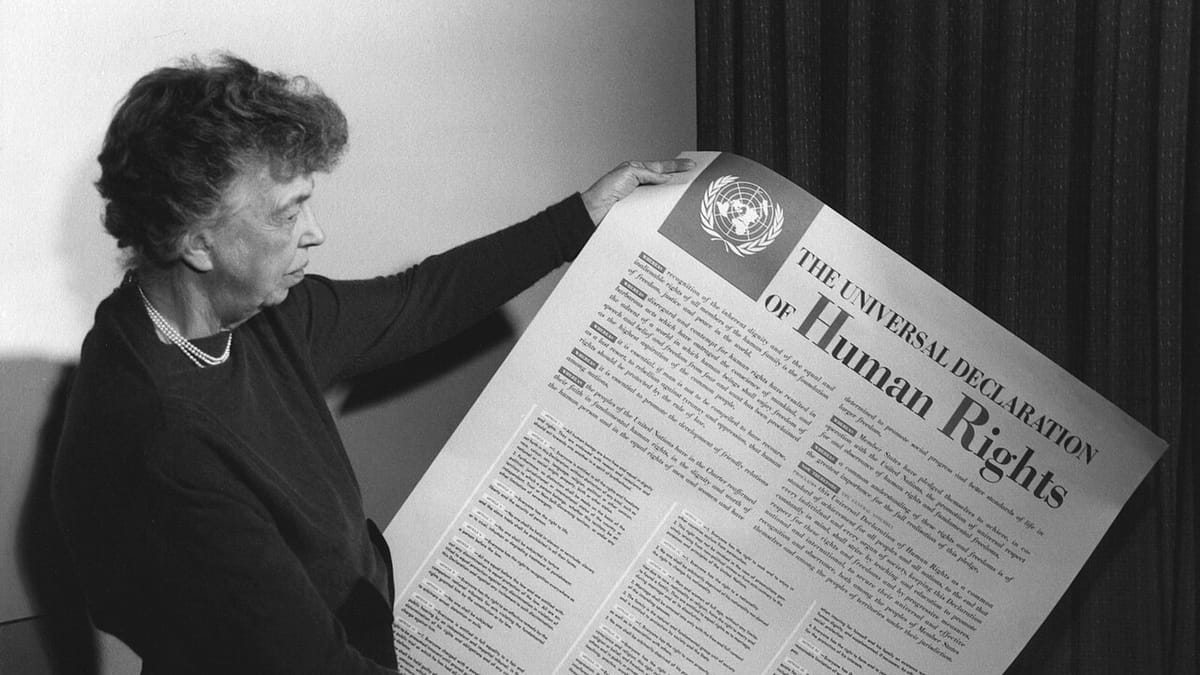
After the Second World War and the Holocaust, European governments wanted to ensure that democracy and human rights would never again be destroyed from within. The Convention gave legal force to many of the rights in the Universal Declaration of Human Rights of 1948, and British lawyers played a central role in drafting it.
The rights it protects
- The right to life (Article 2) and the prohibition of torture and inhuman or degrading treatment (Article 3).
- The prohibition of slavery and forced labor (Article 4) and the right to liberty (Article 5).
- The right to a fair trial (Article 6) and no punishment without law (Article 7).
- The right to respect for private and family life (Article 8).
- Freedom of thought, conscience and religion (Article 9), expression (Article 10), and assembly and association (Article 11).
- The right to marry (Article 12), an effective remedy (Article 13) and protection from discrimination in the enjoyment of these rights (Article 14).
Additional protocols abolished the death penalty and added rights to property, education and free elections.
How the court works
Anyone within the jurisdiction of a member state, regardless of nationality, can bring a case, but only after using all available remedies in their own country's courts. Each member state has one judge on the court. Most applications are declared inadmissible. When the court finds a violation, it can order the state to pay compensation, and the Council of Europe's Committee of Ministers supervises whether the judgment is carried out, which can require changes to national law.
Landmark cases
- Dudgeon v. United Kingdom (1981): Northern Ireland's criminalization of homosexual acts violated the right to private life.
- Opuz v. Turkey (2009): the state's failure to protect a woman from domestic violence violated the Convention and amounted to discrimination against women.
- Hirst v. United Kingdom (2005): a blanket ban on prisoners voting was incompatible with the Convention.
- Verein KlimaSeniorinnen v. Switzerland (2024): in the court's first climate ruling, a group of older Swiss women won a case arguing that inadequate climate action violated their rights.
Criticism
The court has faced a huge backlog and criticism from some governments, particularly in the UK, over rulings on immigration and prisoners' rights, and some politicians have called for leaving the Convention. Supporters argue that it has strengthened the rule of law across Europe and given ordinary people a remedy when their own governments fail them.
Frequently Asked Questions
Is the European Court of Human Rights part of the EU?
No. It belongs to the Council of Europe, a separate organization with 46 member states, including non-EU countries such as the UK.
Who can bring a case to the European Court of Human Rights?
Anyone within the jurisdiction of a member state, after exhausting legal remedies in national courts.