Child Labour Explained: What Counts, Why It Persists and What the Law Says
Not all work by children is child labour. Here is where international law draws the line.
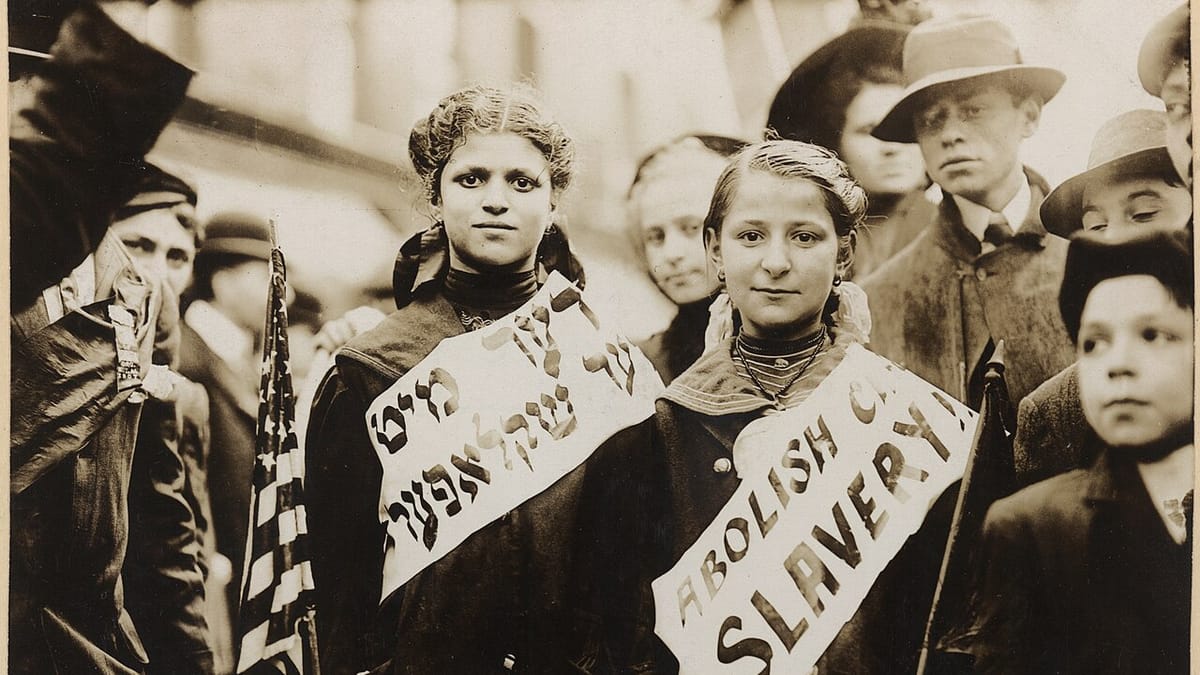
In brief: Child labour is work that deprives children of their childhood, potential and dignity, and that harms their physical or mental development or interferes with schooling. The International Labour Organization (ILO) sets the standards, and both of its core conventions on child labour have been ratified by nearly every country.
What counts as child labour
Not all work done by children is child labour. Helping with family chores or light work after school that does not harm a child's health or education can be positive. Child labour is work that is too heavy, too long, too dangerous or done too young, or that keeps children out of school.
The law
- ILO Convention 138 (1973): Sets minimum ages for work, generally 15, with 18 for hazardous work, and some flexibility for developing countries.
- ILO Convention 182 (1999): Calls for immediate action against the worst forms of child labour, including slavery, trafficking, debt bondage, forced recruitment into armed conflict, sexual exploitation and hazardous work. It was the first ILO convention to be ratified by every member state.
- UN Convention on the Rights of the Child (1989): Protects children from economic exploitation.
Why it persists
Poverty is the main driver: families depend on children's income. Lack of accessible, quality schools, social norms, debt bondage and weak enforcement also play a role. Most child labour is in agriculture.
What works
Evidence supports free and compulsory education, school meals, social protection such as cash transfers, decent work for adults, and labour inspection. In Pakistan, Article 25-A of the Constitution guarantees free and compulsory education for children aged 5 to 16.
Frequently Asked Questions
What is the minimum working age under international law?
ILO Convention 138 generally sets 15 as the minimum age, or 14 for some developing countries, with 18 for hazardous work.
Is helping at home child labour?
Not necessarily. Light work that does not harm health or interfere with school is generally not considered child labour.