Built-In vs Standalone Password Managers: Which Should You Use?
Apple Passwords, Google Password Manager, Bitwarden, 1Password and Proton Pass compared by features.
Guides are educational. Always confirm requirements with official sources.
In brief: If you use only Apple devices or only Chrome and Android, the free built-in password manager may be enough. If you mix platforms, share passwords with family, or want features like secure notes and breach alerts across every device, a standalone manager such as Bitwarden, 1Password or Proton Pass is more flexible. The biggest security gain comes from using any reputable manager instead of reusing passwords.
Feature comparison
| Apple Passwords | Google Password Manager | Bitwarden | 1Password | Proton Pass | |
|---|---|---|---|---|---|
| Type | Built into Apple devices | Built into Chrome and Android | Standalone, open source | Standalone | Standalone, from the maker of Proton Mail |
| Free option | Yes | Yes | Yes | No (trial) | Yes |
| Works across Windows, Mac, Android and iOS | Limited outside Apple | Mainly via Chrome | Yes | Yes | Yes |
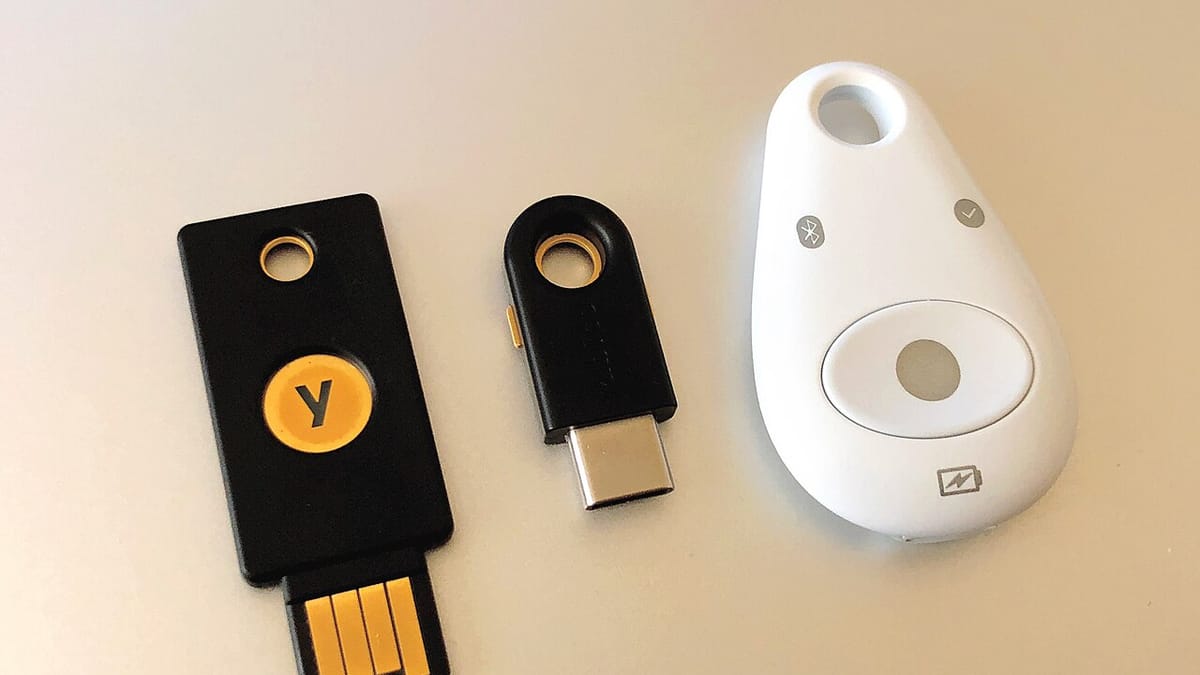
| Passkeys | Yes | Yes | Yes | Yes | Yes |
| Family or team sharing | Shared groups | Limited sharing | Paid plans | Paid plans | Paid plans |
Features and plans change; check each provider's current offering.
Built-in managers
Pros: free, already installed, sync automatically, support passkeys. Cons: work best within one ecosystem; fewer extras.
Standalone managers
Pros: work on every device and browser, offer secure sharing, notes, breach monitoring and emergency access. Cons: some features cost money; one more app to set up.
What to look for
- End-to-end encryption, so the company cannot read your vault.
- Independent security audits.
- Support for two-factor authentication and passkeys.
- Easy import from your browser.
Getting started
- Choose a manager and create a long, unique master passphrase.
- Turn on two-factor authentication for the manager.
- Import saved passwords from your browser.
- Change reused passwords, starting with email and banking.
Next step: Learn how to create a strong password and set up two-factor authentication.
Frequently Asked Questions
Is it safe to store passwords in my browser?
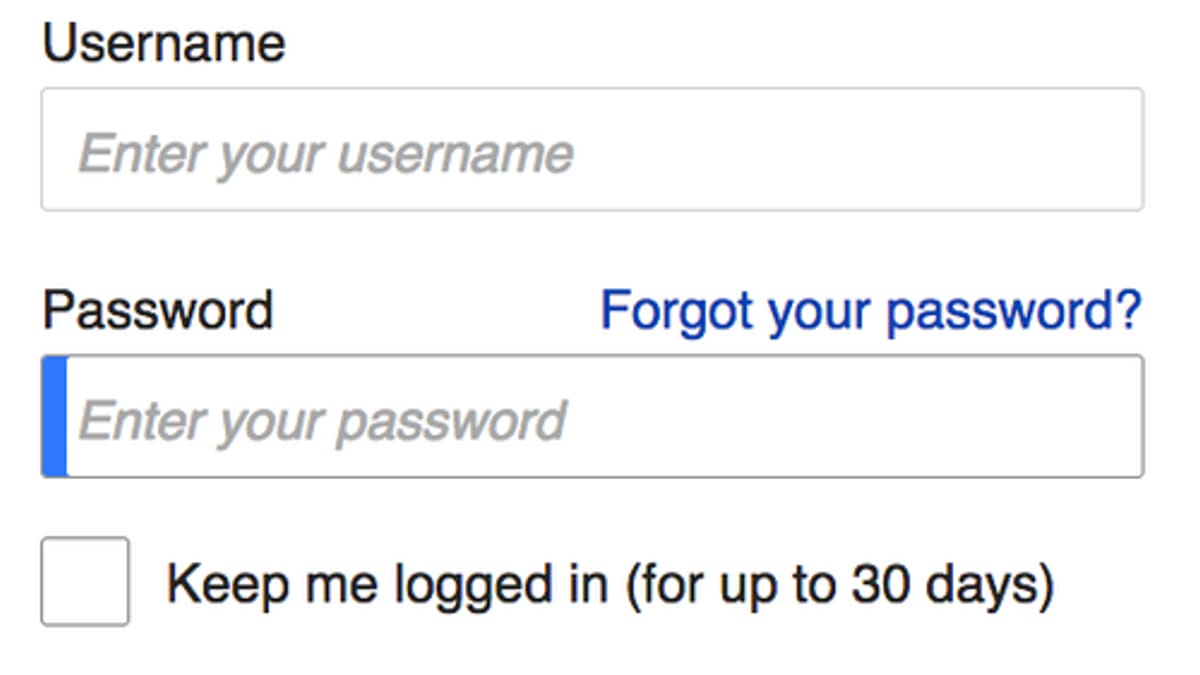
Modern browser password managers encrypt your passwords and are far safer than reusing passwords. Protect the account with a strong password and two-factor authentication.
What happens if a password manager is hacked?
Reputable managers encrypt vaults so stolen data is unreadable without your master password, which is why a strong master passphrase matters.