

Study & Learning
Learn faster, write better and ace your exams.

How to Study Effectively: Methods Backed by Research
Learning science shows that testing yourself and spacing out study sessions lead to stronger long-term memory than rereading notes.
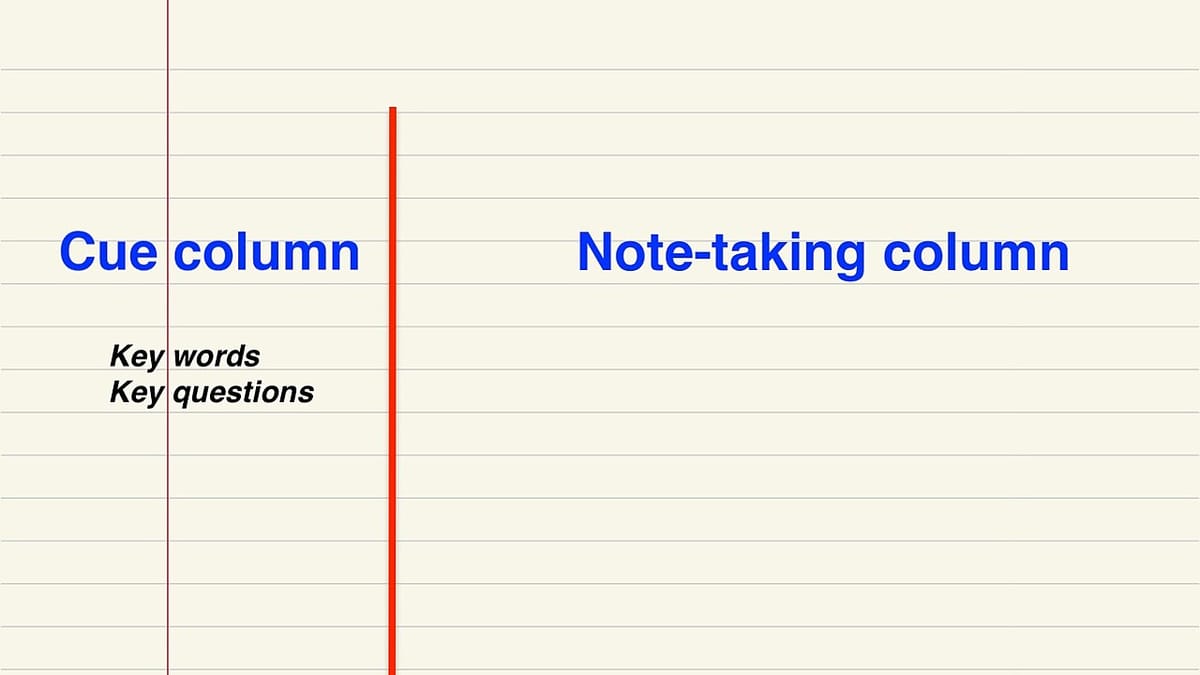
How to Take Better Notes With the Cornell Method
The Cornell method divides a page into notes, cues and a summary, so reviewing becomes active self-testing.

How to Learn a New Language as an Adult
Adults can learn languages well with daily practice, a focus on high-frequency vocabulary and regular speaking.

How to Improve Your Memory
Memory improves with retrieval practice, mnemonic techniques, sleep, physical activity and paying full attention.

How to Write an Essay Step by Step
A strong essay answers the question with a clear thesis, organized paragraphs supported by evidence and a focused conclusion.

How to Give a Great Presentation
Great presentations have one clear message, a simple structure, minimal slide text and plenty of rehearsal.

How to Manage Your Time With the Pomodoro Technique
The Pomodoro Technique breaks work into 25-minute focused intervals separated by short breaks to improve concentration.

How to Stop Procrastinating
Procrastination is often about avoiding uncomfortable feelings. Breaking tasks down and starting for just two minutes helps.

How to Prepare for Exams: A Four-Week Plan
Effective exam preparation starts weeks ahead with a revision timetable, active recall and timed practice papers.

How to Cite Sources in APA and MLA Style
APA style is common in the sciences and social sciences, MLA in the humanities. Both require in-text citations and a reference list.
How to Write a Research Paper
A research paper investigates a focused question using credible sources, presenting evidence in a clear, cited structure.

How to Read More Books
Reading more is about habit: read daily, keep a book with you, choose books you enjoy and quit ones you do not.
How to Make a To-Do List That Actually Works
Effective to-do lists are short, specific and prioritized, with tasks written as concrete next actions.

How to Write a Personal Statement for University
A strong personal statement explains why you want to study a subject, with specific evidence from your experiences and reflection on what you learned.