Language Apps vs Tutors vs Classes: What Is the Best Way to Learn a Language?
Strengths, weaknesses and costs of each method, and how to combine them.
Guides are educational. Always confirm requirements with official sources.
In brief: No single method is best. Apps such as Duolingo are great for daily practice and vocabulary but rarely make you fluent alone. One-to-one tutors are the fastest way to improve speaking. Classes provide structure, grammar and accountability. Combining a daily app habit with weekly conversation practice works well for most adults.
Comparison
| Apps | Online tutors | Group classes | Immersion | |
|---|---|---|---|---|
| Cost | Free or low | Per lesson, varies widely | Moderate | Highest (travel, living) |
| Speaking practice | Limited | Excellent | Moderate | Excellent |
| Structure | Gamified paths | Personalized | Curriculum and teacher | Unstructured |
| Flexibility | Very high | High | Fixed schedule | Requires relocation |
| Best for | Habit and vocabulary | Conversation and confidence | Grammar and certificates | Fast progress |
Apps
Apps make practice easy and motivating through streaks and short lessons. Use them for vocabulary and listening, but add speaking practice elsewhere.
Tutors
Online tutoring platforms connect you with teachers worldwide. Lessons tailored to your goals, with real conversation and corrections, often produce the fastest speaking gains.
Classes
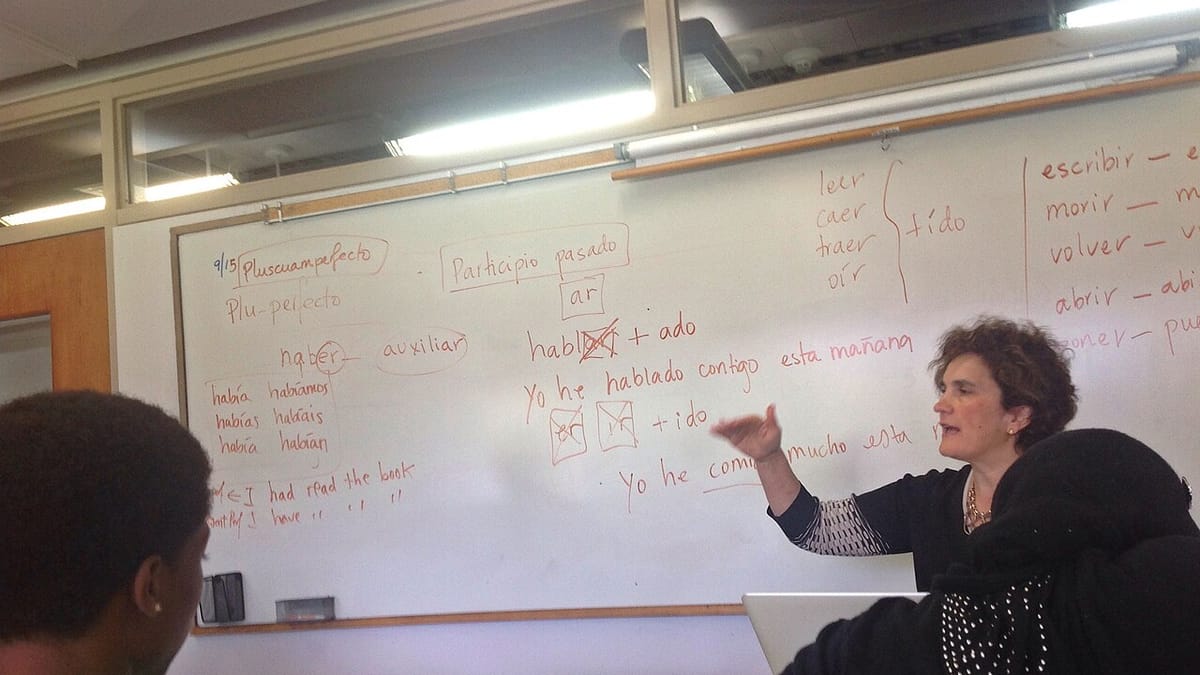
University courses, cultural institutes and language schools offer structured progression and often prepare for recognized exams aligned with the CEFR scale.
A balanced weekly plan
- 15 minutes a day on an app or flashcards.
- One or two conversation sessions a week with a tutor or exchange partner.
- Regular listening to podcasts or shows.
- Monthly review of your progress against CEFR levels.
Next step: Get started with our step-by-step guide on how to learn a new language, and boost recall with memory techniques.
Frequently Asked Questions
Can you become fluent with Duolingo alone?
Apps help build vocabulary and habits, but most learners also need speaking practice and exposure to real content to become fluent.
How long does it take to learn a language?
It depends on the language and time invested. The US Foreign Service Institute estimates hundreds of class hours for professional proficiency even in languages close to English.