What Is Inflation? A Plain-Language Guide
Why prices rise, how inflation is measured, and what central banks do about it.
In brief: Inflation is the general rise in prices over time, which means each unit of money buys less. Moderate, predictable inflation is normal in most economies. High or volatile inflation hurts savers, people on fixed incomes and the poor, who spend most of their income on essentials.
How it is measured
Statistics agencies track the prices of a "basket" of goods and services that typical households buy, such as food, rent, fuel, transport and clothing, to build a consumer price index (CPI). The annual inflation rate is the percentage change in this index over a year. In Pakistan, the Pakistan Bureau of Statistics publishes CPI inflation each month.
What causes inflation
- Demand-pull: When spending in the economy grows faster than the supply of goods and services.
- Cost-push: When production costs rise, for example because of higher oil prices or a weaker currency that makes imports more expensive.
- Expectations: If people expect prices to rise, workers demand higher wages and firms raise prices, making inflation self-fulfilling.
- Money creation: When governments finance spending by printing money, inflation can surge.
How central banks respond
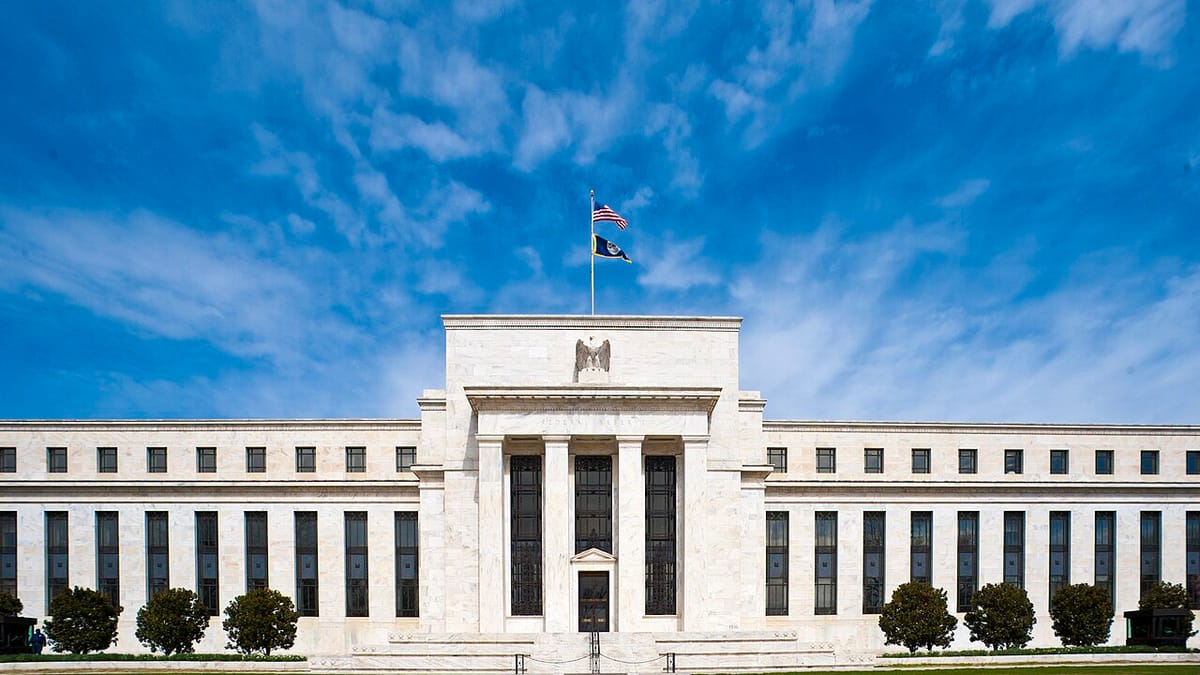
Central banks, such as the State Bank of Pakistan, raise interest rates to fight inflation. Higher rates make borrowing more expensive and saving more attractive, slowing spending and price rises. The trade-off is slower growth and, sometimes, higher unemployment.
Deflation
Falling prices, or deflation, can also be harmful: people delay purchases, debts become harder to repay, and economies can stagnate, as Japan experienced for long periods.
Frequently Asked Questions
What is a good level of inflation?
Many central banks target around 2 percent a year in advanced economies. Emerging economies often have higher targets.
What is hyperinflation?
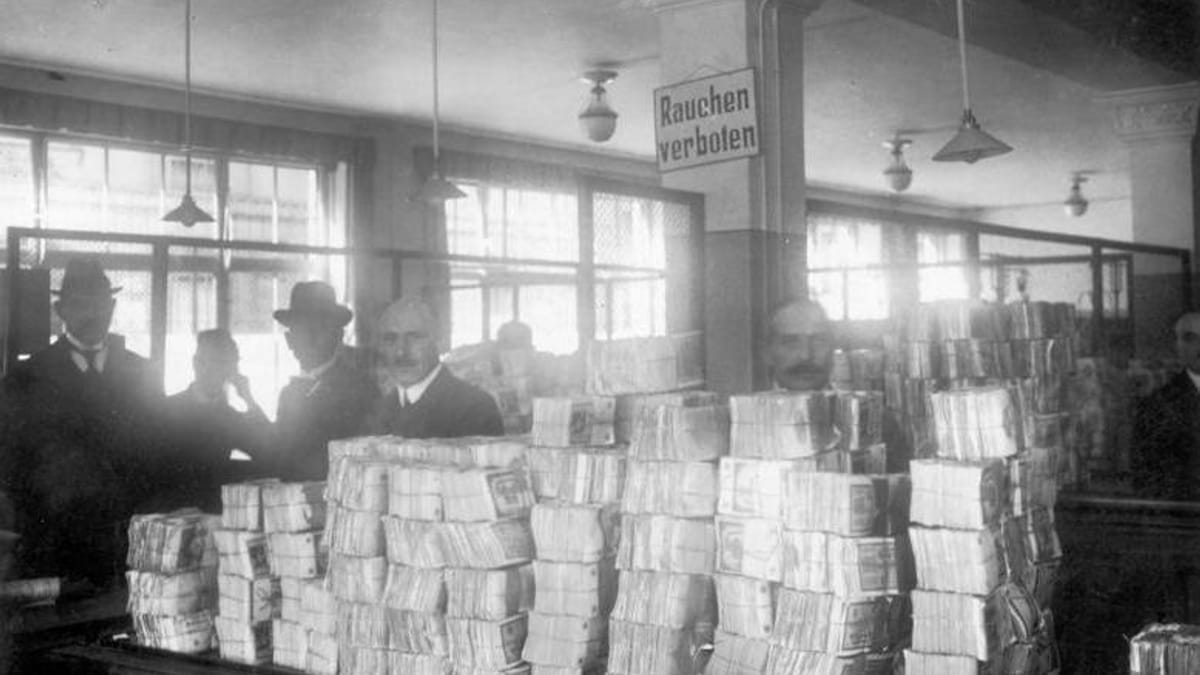
Extremely rapid inflation, often defined as prices rising more than 50 percent a month, as in Zimbabwe in 2008.