The Girl Who Counted Stars
A short story about a telescope made from a pipe, and a village that learned to look up.
This is an original work of fiction. Names, characters and events are imagined.
This is an original work of fiction. The characters and events are imagined.
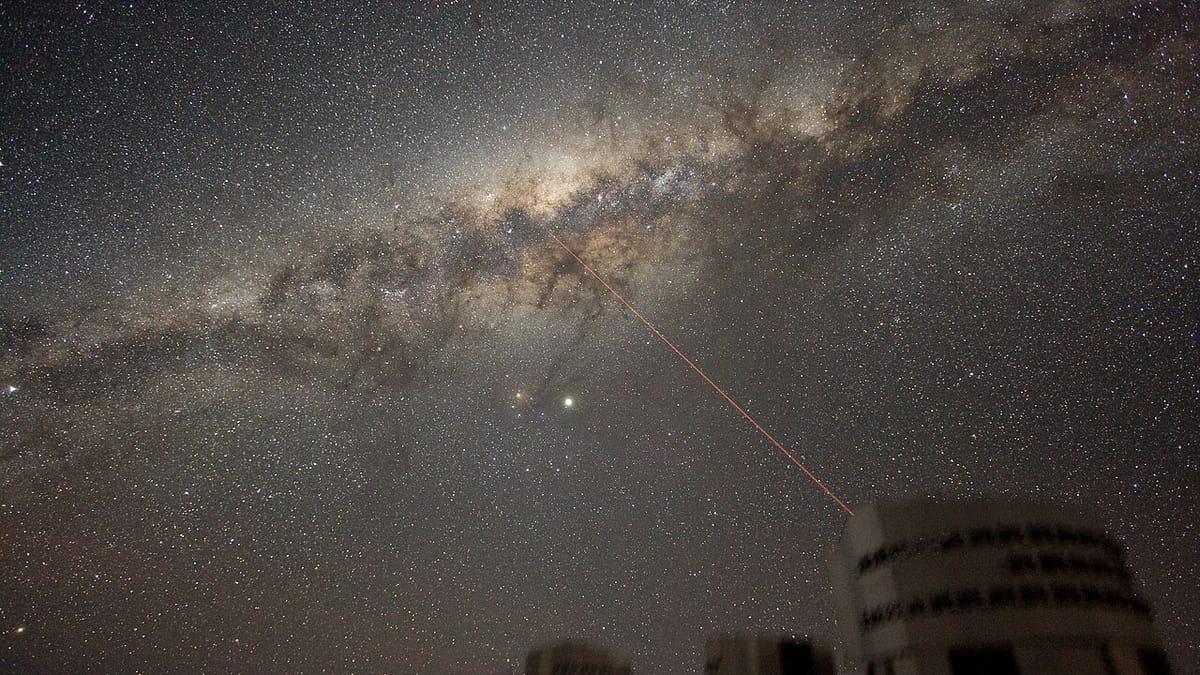
In Fatima's village in the desert there was no electricity after nine o'clock, and so there was nothing to stop the stars.
She had been counting them since she was seven. She gave up at around four thousand, when her grandfather told her that the ancient astronomers of Samarkand had counted more than a thousand and given each one a name, and that she would need a better instrument than her finger.
The instrument came from the scrap dealer's yard: a length of grey plastic pipe, two lenses from a pair of broken spectacles her uncle no longer needed, and a magnifying glass the schoolteacher let her borrow. A library book with a missing cover explained the rest. It took her three weeks and most of a roll of tape.
The first time she pointed it at the Moon, she screamed so loudly that the neighbour's dog started barking and did not stop for an hour.
"Craters," she told her mother, breathless. "Mountains. Ammi, there are mountains on the Moon."
Her mother looked through the pipe for a long time, and said nothing, and then she called her sister, who called the women next door.
By the end of the month it had become something of an event. On clear nights, women and children gathered on Fatima's roof with flasks of tea. She showed them Jupiter and its four small moons, faithful as ducklings. She showed them the rings of Saturn, a tiny perfect hat. The old men pretended they were not interested and then climbed the stairs anyway.
In spring a letter came from a science competition in the city. Her teacher had sent in a photograph of the telescope and a page from Fatima's notebook, where she had drawn the moons of Jupiter changing position night after night.
Her father read the letter twice. "They want you to come and show them," he said. "In the city. For three days."
The village waited to see what he would decide. Fatima held her breath the way she did when a cloud crossed the eyepiece.
"Well," her father said at last, "someone will have to carry the pipe."