The Last Train from Lahore
A short story about two friends, one platform and the summer of 1947.
This is an original work of fiction. Names, characters and events are imagined.
This is an original work of fiction. The characters and events are imagined, though they are set against the real history of the Partition of 1947.
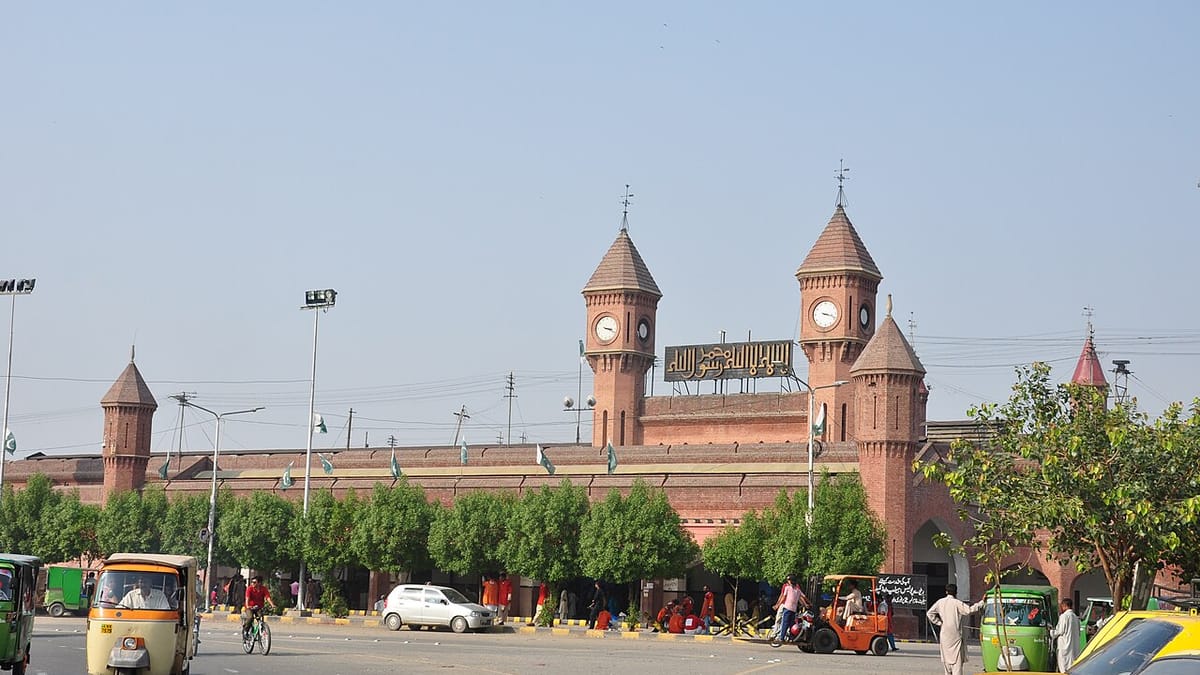
The station clock at Lahore had stopped at a quarter past four, and nobody had thought to wind it. Iqbal Hussain stood under it anyway, because that was where he and Mohinder had always met, every Thursday for eleven years, to argue about cricket and poetry before walking to the tea stall by the canal.
The platform was a river of people. Trunks, bedrolls, a brass birdcage with no bird. A woman held a sewing machine against her chest as though it were a child. The train to Amritsar was already so full that young men sat on the roof with their knees drawn up, looking at the sky.
Mohinder found him first. He always did.
"You came," Mohinder said.
"You owe me four annas," said Iqbal. "From the Test match. Australia lost. I told you they would."
Mohinder laughed, and for a moment the station was only a station. He reached into his kurta pocket and pressed the coins into Iqbal's palm, then closed Iqbal's fingers over them with his own hand and did not let go.
They had planned to say important things. Iqbal had rehearsed a couplet by Ghalib on the walk over. Instead they talked about the canal, about the mangoes that would ripen without them, about Mohinder's daughter who had refused to leave her school books behind and had packed them in place of her winter shawl.
"Keep my house," Mohinder said suddenly. "Not the house. The lemon tree. Water it. They will give the house to someone. But the tree does not know about borders."
The whistle blew. The crowd surged. Mohinder was pulled toward the carriage door, and Iqbal saw his friend's face over a sea of shoulders, then a hand raised, then nothing but the slow iron movement of the train.
Iqbal kept the coins in a tin box for forty years. He watered the lemon tree every summer. The family who received Mohinder's house thought the old teacher was a little strange, but they let him come, and in time their children called him Chacha and ate the lemons with salt.
In 1987 a letter arrived from Amritsar. Inside was a photograph of a lemon tree, heavy with fruit, and a single line in Mohinder's careful Urdu script: I planted one here too. They do not know about borders.