What Is the IMF? The International Monetary Fund Explained
Why countries like Pakistan turn to the IMF, and why its loans come with conditions.
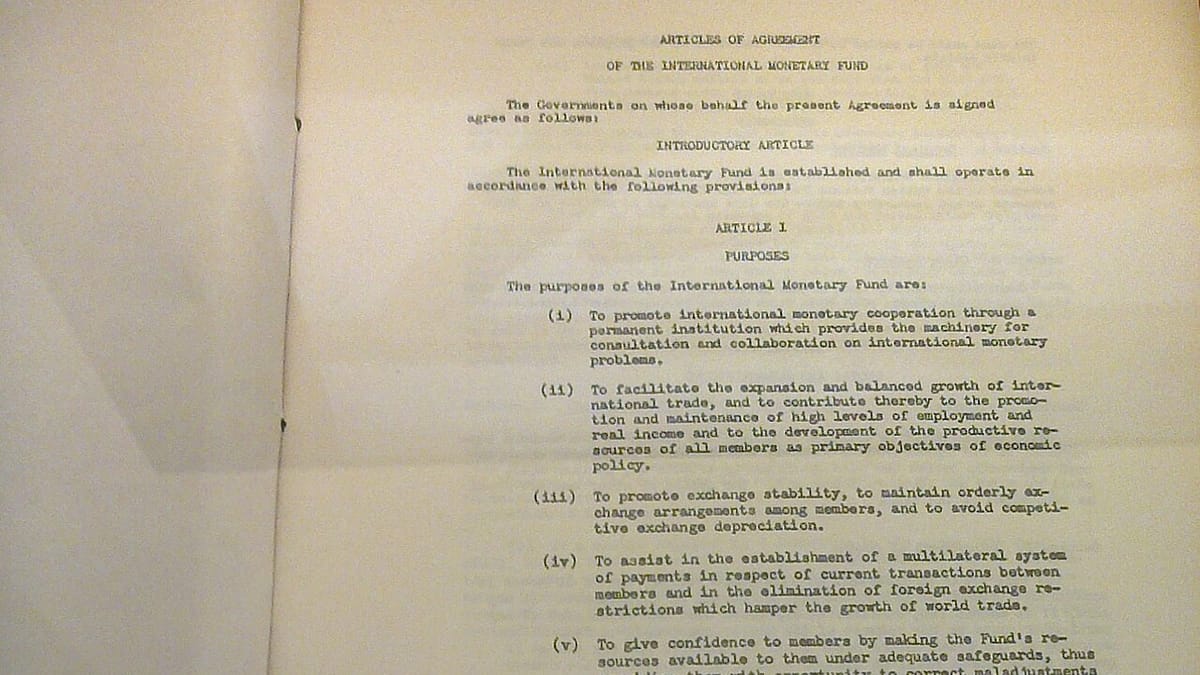
In brief: The International Monetary Fund (IMF) is an international organisation of 191 member countries that works to stabilise the global monetary system. It is best known for lending to countries in economic crisis, usually on the condition that they adopt policy reforms. Pakistan has borrowed from the IMF more than twenty times.
Origins
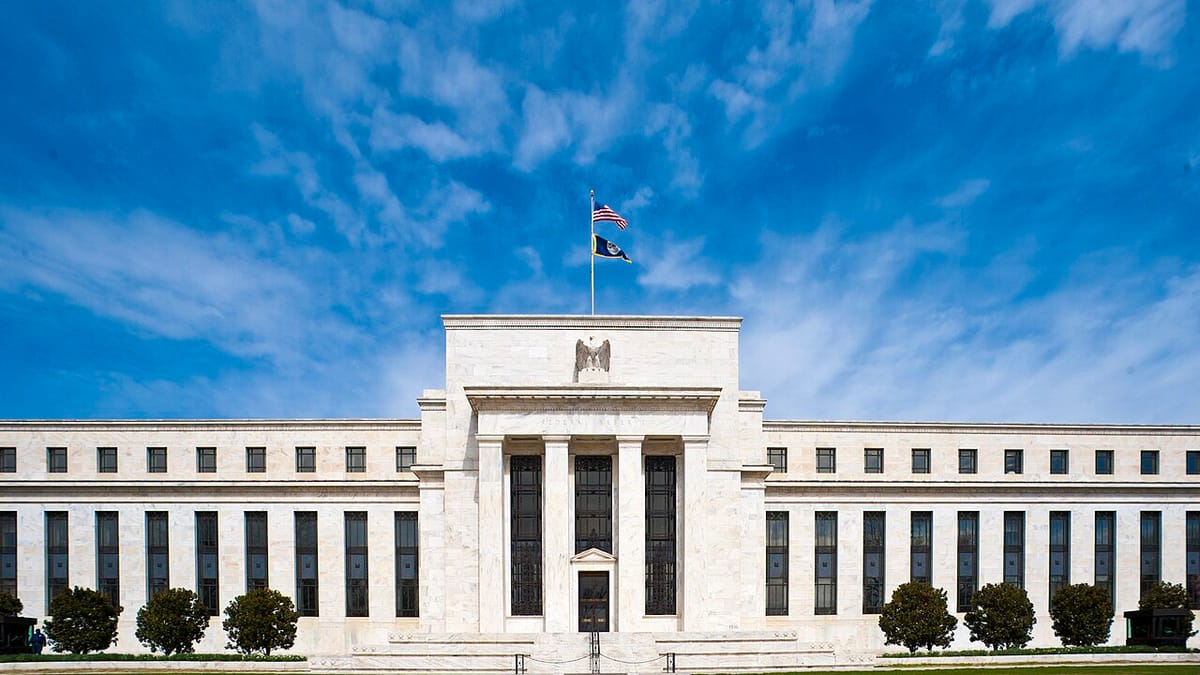
The IMF was created at the Bretton Woods conference in New Hampshire in July 1944, alongside the World Bank, to prevent a return to the economic chaos of the 1930s. It is headquartered in Washington, DC.
What it does
- Surveillance: Monitors member economies and the global economy, publishing regular assessments.
- Lending: Provides loans to countries with balance of payments problems, when they cannot pay for imports or repay foreign debt.
- Technical assistance: Helps countries improve tax systems, central banks and statistics.
How voting works
Each member has a quota, based roughly on the size of its economy, which determines its contributions, its access to financing and its voting power. The United States holds the largest share of votes, enough to veto major decisions that need an 85 percent majority. By tradition, the managing director has been European.
Conditionality
IMF loans come with conditions, such as reducing budget deficits, raising tax revenue, removing subsidies, letting the exchange rate adjust and strengthening central bank independence. Supporters argue these address the causes of crises. Critics argue that austerity can deepen recessions and hurt the poor, and that the IMF has historically reflected the interests of rich countries.
Pakistan and the IMF
Pakistan's repeated programmes reflect recurring problems: low tax collection as a share of the economy, large energy subsidies and losses, and persistent current account deficits. Many economists argue that lasting reform of these structural issues, not repeated bailouts, is what Pakistan needs.
Frequently Asked Questions
Why does Pakistan borrow from the IMF?
When foreign exchange reserves run low and Pakistan struggles to pay for imports and repay debt, IMF programmes provide financing and signal confidence to other lenders.
What is the difference between the IMF and the World Bank?
The IMF focuses on macroeconomic stability and balance of payments crises. The World Bank finances long-term development projects and policies.