How Vaccines Work
How vaccines train the immune system, the main types, and how they are tested for safety.
In brief: A vaccine trains the immune system to recognise and fight a specific germ, such as a virus or bacterium, without causing the illness. If the vaccinated person is later exposed, their immune system responds quickly. Vaccines have eradicated smallpox, nearly eliminated polio and save millions of lives every year.
How immunity works
When a germ enters the body, the immune system identifies parts of it called antigens and produces antibodies and specialised cells to destroy it. It also creates memory cells that remember the germ. A vaccine shows the immune system an antigen safely, so it builds this memory in advance.
Types of vaccines
- Live attenuated: A weakened form of the germ, as in the measles, mumps and rubella (MMR) vaccine and the oral polio vaccine.
- Inactivated: A killed version of the germ, as in the injectable polio vaccine.
- Subunit, recombinant and conjugate: Use only specific pieces of the germ, as in hepatitis B and HPV vaccines.
- Toxoid: Use inactivated toxins, as in tetanus and diphtheria vaccines.
- mRNA: Give cells instructions to make a harmless protein that triggers an immune response, as in some COVID-19 vaccines.
Testing and safety
Vaccines pass through laboratory studies and three phases of clinical trials, involving up to tens of thousands of volunteers, before regulators approve them. Monitoring continues after approval to detect rare side effects. Most side effects, such as a sore arm or mild fever, are short-lived.
The history
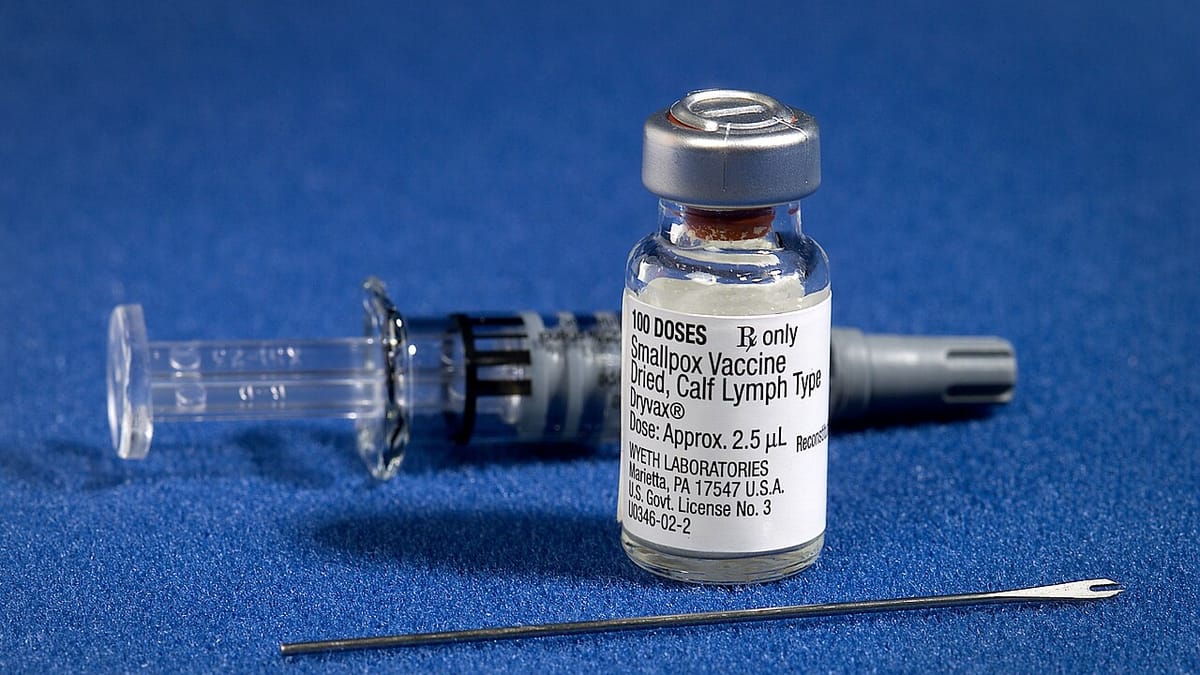
In 1796, the English doctor Edward Jenner showed that material from cowpox could protect against smallpox. Smallpox was declared eradicated in 1980 after a global vaccination campaign. Today, Pakistan and Afghanistan are the only countries where wild polio still circulates, and community health workers, many of them women, continue vaccination campaigns despite serious risks.
Frequently Asked Questions
What is herd immunity?
When enough people in a community are immune, a disease cannot spread easily, protecting those who cannot be vaccinated, such as newborn babies.
Why is polio still found in Pakistan?
Pakistan and Afghanistan are the last countries where wild poliovirus still circulates, due to factors including insecurity, attacks on vaccinators, misinformation and gaps in sanitation and routine immunisation.