CRISPR Gene Editing Explained: The Tool That Can Rewrite DNA
How a bacterial defence system became a Nobel Prize winning technology and the first approved gene editing cure.
In brief: CRISPR is a gene editing technology that allows scientists to change DNA at precise locations. It is based on a natural defence system that bacteria use against viruses. In 2012, Emmanuelle Charpentier and Jennifer Doudna showed how it could be programmed to cut any chosen DNA sequence, work that earned them the Nobel Prize in Chemistry in 2020. In 2023 regulators approved the first CRISPR-based medicine, Casgevy, for sickle cell disease and beta thalassaemia.
How it works
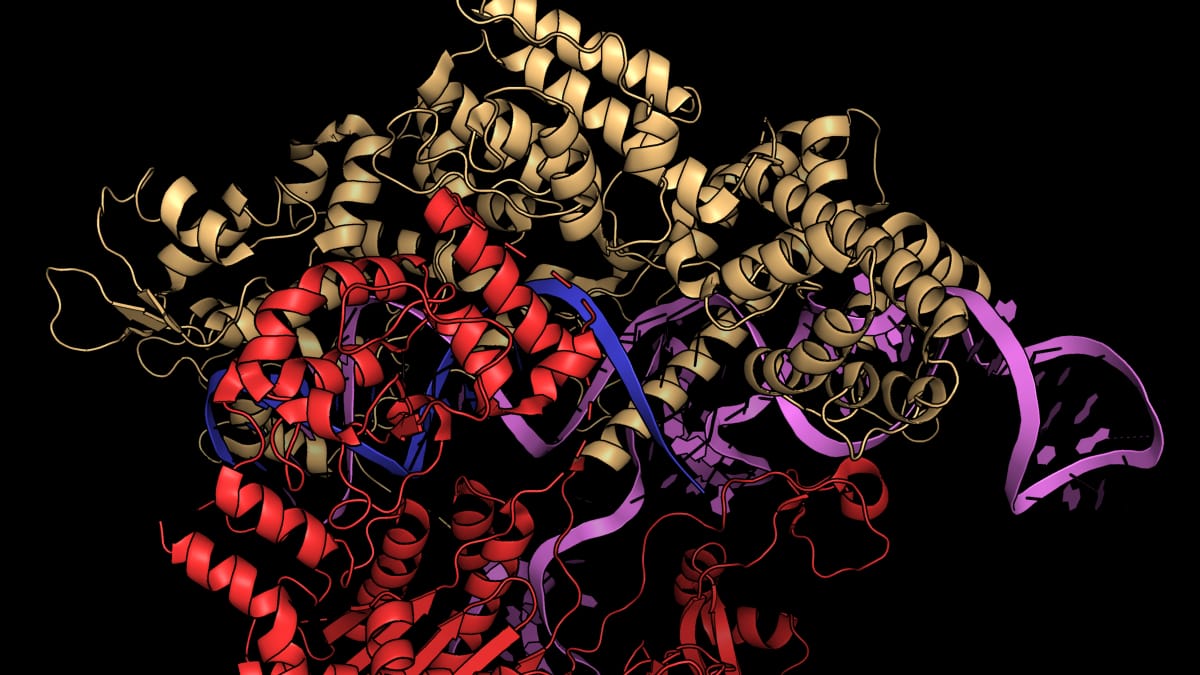
CRISPR stands for "clustered regularly interspaced short palindromic repeats", patterns in bacterial DNA that store fragments of viruses the bacteria have encountered. Bacteria use these records, together with proteins such as Cas9, to recognise and cut the DNA of returning viruses.
In the laboratory, scientists design a short piece of "guide RNA" that matches the gene they want to target. The guide RNA leads the Cas9 protein to that exact spot, where it cuts the DNA. The cell then repairs the cut, which can disable a gene or, with a supplied template, insert a correction. Newer methods called base editing and prime editing can change single letters of DNA without making a full cut.
Why it was revolutionary
Gene editing existed before CRISPR, but the older tools were expensive, slow and hard to design. CRISPR is cheap, fast and adaptable, and within a few years it was being used in laboratories around the world on plants, animals and human cells.
The first cure
Casgevy, developed by Vertex Pharmaceuticals and CRISPR Therapeutics, was approved in the United Kingdom in November 2023 and in the United States in December 2023 and January 2024. It treats sickle cell disease and transfusion-dependent beta thalassaemia. Doctors remove a patient's blood stem cells, edit them to switch on production of foetal haemoglobin, and return them to the body. Many patients in trials no longer needed regular blood transfusions. The treatment is very expensive and requires intensive hospital care, which limits access.
Why this matters in Pakistan
Pakistan has one of the highest burdens of beta thalassaemia in the world, with an estimated 5 to 7 percent of the population carrying the gene and thousands of children born with thalassaemia major each year, according to estimates cited by health organisations. For now, prevention through carrier screening before marriage, and regular transfusions and treatment for patients, remain the main approaches, but gene therapies offer hope for the future if costs fall.
Agriculture
CRISPR is also used to develop crops that resist disease, tolerate drought or have better nutrition, and some countries regulate certain edited crops more lightly than traditional genetically modified organisms.
Ethical questions
In 2018 the Chinese scientist He Jiankui announced that he had edited the genes of embryos that became twin girls, in an attempt to make them resistant to HIV. The experiment was condemned worldwide, and he was sentenced to three years in prison. Editing embryos, sperm or eggs creates changes that pass to future generations, and most scientists and many governments oppose using it for reproduction. Editing a patient's own body cells, as in Casgevy, affects only that person.
Frequently Asked Questions
Who invented CRISPR gene editing?
Emmanuelle Charpentier and Jennifer Doudna published the key work in 2012 and won the 2020 Nobel Prize in Chemistry. Many other scientists contributed.
Can CRISPR cure thalassaemia?
The approved therapy Casgevy has allowed many patients with transfusion-dependent beta thalassaemia to stop regular transfusions, but it is expensive and not widely available.