Home & GardenHow-To
How to Start Composting at Home
Turn kitchen scraps and yard waste into free, rich soil.
This guide is general information. For medical, legal, financial or safety decisions, consult a qualified professional.
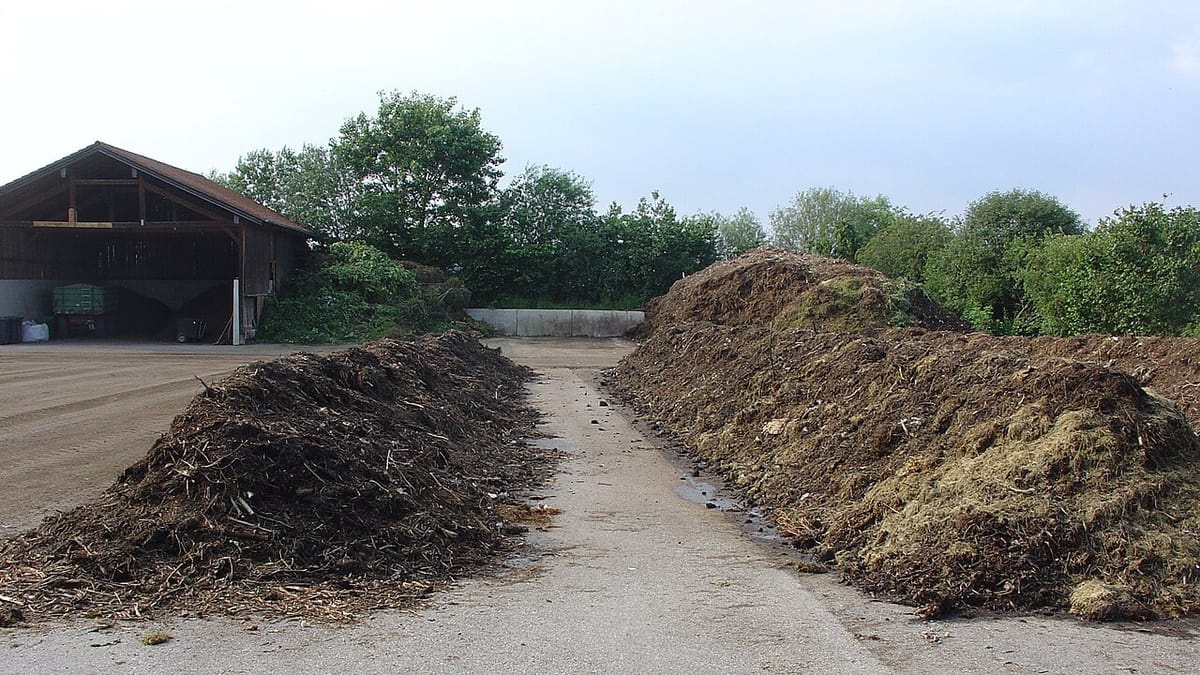
In brief: Food scraps and yard waste make up a large share of household trash, according to the US Environmental Protection Agency. Composting returns those nutrients to the soil and reduces methane from landfills.
What you'll need
- A compost bin or a corner of the yard
- Greens: fruit and vegetable scraps, coffee grounds, grass clippings
- Browns: dry leaves, shredded cardboard, newspaper, straw
- A garden fork
Steps
- Choose a spot. Pick a level, well-drained area with some shade, or use a closed bin or tumbler.
- Start with browns. Lay a few inches of coarse brown material at the bottom for airflow.
- Add greens and browns in layers. Aim for roughly two to three parts browns to one part greens by volume.
- Keep it moist. The pile should feel like a wrung-out sponge. Add water if dry or more browns if soggy and smelly.
- Turn it regularly. Mix the pile with a fork every week or two to add oxygen and speed decomposition.
- Harvest finished compost. After two to six months, compost is ready when it is dark, crumbly and smells earthy. Use it in beds and pots.
Warnings
- Do not compost meat, fish, dairy, oily foods or pet waste in a home pile; they attract pests and can carry pathogens.
Frequently Asked Questions
Does compost smell?
A balanced pile smells earthy. A bad smell usually means too many greens or too much moisture.