Home & GardenHow-To
How to Unclog a Drain Without Harsh Chemicals
Boiling water, a plunger and a drain snake clear most sink and shower clogs.
This guide is general information. For medical, legal, financial or safety decisions, consult a qualified professional.
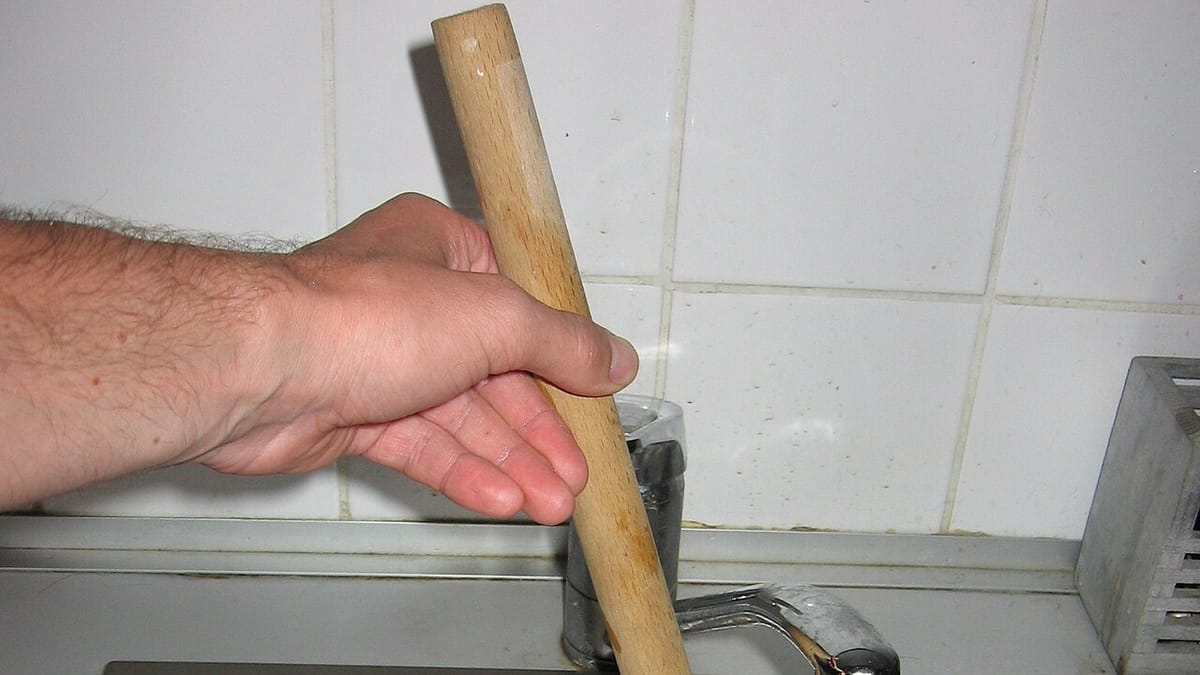
In brief: Chemical drain cleaners can damage pipes and are dangerous if splashed. Mechanical methods are safer and usually work for kitchen sinks, bathroom sinks and showers.
What you'll need
- Rubber gloves
- Kettle of hot water
- Cup plunger
- Plastic drain snake or wire auger
- Bucket and towels
Steps
- Remove the stopper and visible debris. Pull out the stopper or drain cover and clear hair and gunk you can reach with gloved fingers or pliers.
- Pour hot water. Slowly pour hot, not boiling, water down the drain to soften grease. Avoid boiling water with PVC pipes or porcelain sinks that could crack.
- Plunge. Fill the sink with a few inches of water. Block the overflow hole with a wet cloth, seal the plunger over the drain and pump firmly 15 to 20 times.
- Use a drain snake. Push the snake into the drain, turn it as you feed it in, then pull it out slowly to bring up hair and debris.
- Clean the P-trap. Under a sink, put a bucket below the curved pipe, unscrew the slip nuts by hand, clean the trap and reassemble it firmly.
- Flush and test. Run hot water for a minute to make sure the water flows freely.
Tips
- Use drain screens to catch hair, and never pour cooking grease down the sink.
Warnings
- Never mix drain cleaning chemicals, and do not plunge after using one; splashes can burn.
- Call a licensed plumber if several drains are blocked at once or sewage backs up, which suggests a main line problem.
Frequently Asked Questions
Does baking soda and vinegar unclog drains?
It can loosen light buildup and odors, but it rarely clears a solid clog. A plunger or snake is more effective.