Home & GardenHow-To
How to Save Energy and Lower Your Utility Bills
No-cost habits and smart upgrades that pay for themselves.
This guide is general information. For medical, legal, financial or safety decisions, consult a qualified professional.
In brief: Lowering energy use saves money and reduces emissions. In many homes, heating and cooling account for the largest share of energy bills, so that is where to start.
Steps
- Adjust the thermostat. Set it a few degrees lower in winter and higher in summer, and use a programmable or smart thermostat to adjust when you are asleep or away.
- Seal drafts. Use weatherstripping and caulk around windows and doors, and draft stoppers under doors.
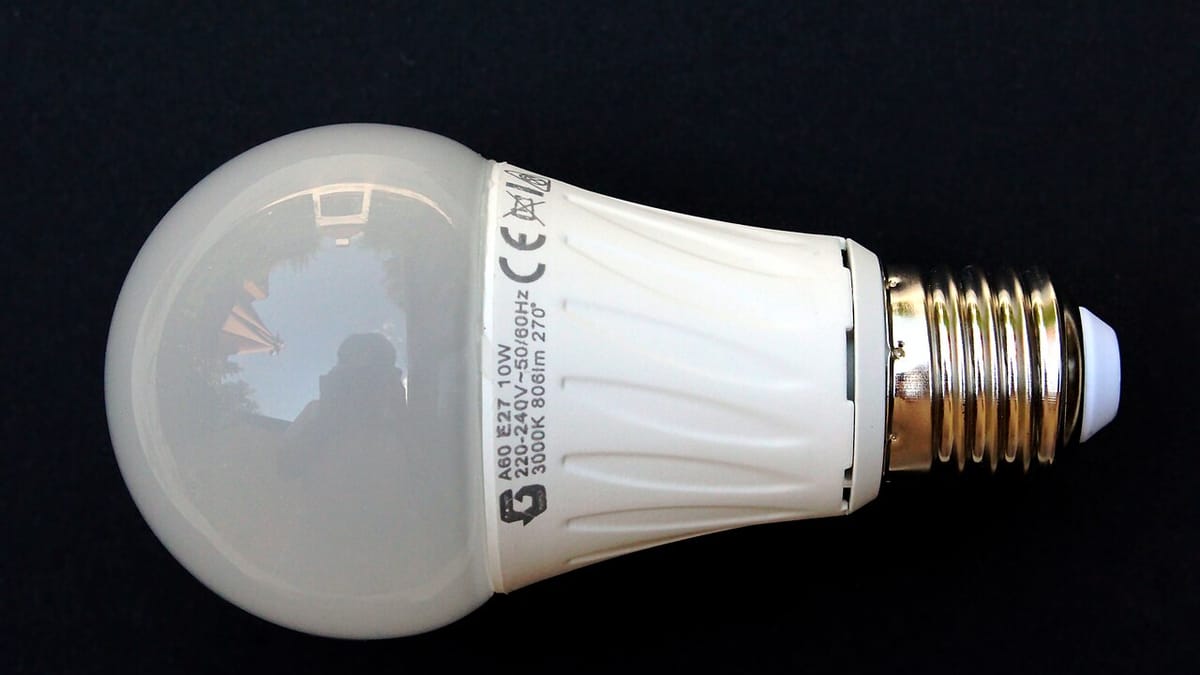
- Switch to LED bulbs. LEDs use far less energy than incandescent bulbs and last much longer.
- Lower the water heater temperature. A setting of about 120°F (49°C) is sufficient for most homes. Take shorter showers and fix dripping hot water taps.
- Wash clothes in cold water. Most of the energy used by washing machines goes to heating water.
- Unplug idle electronics. Use power strips to switch off devices that draw standby power.
- Improve insulation. Adding attic insulation is often one of the most cost-effective upgrades. Check for government rebates or tax credits.
Tips
- Ask your utility company about a free or low-cost home energy audit.
Frequently Asked Questions
What uses the most electricity in a home?
Usually heating and cooling, followed by water heating and major appliances.