

Things Fall Apart by Chinua Achebe: Why the Novel Still Matters
Africa's most widely read novel tells the story of colonialism from the inside.
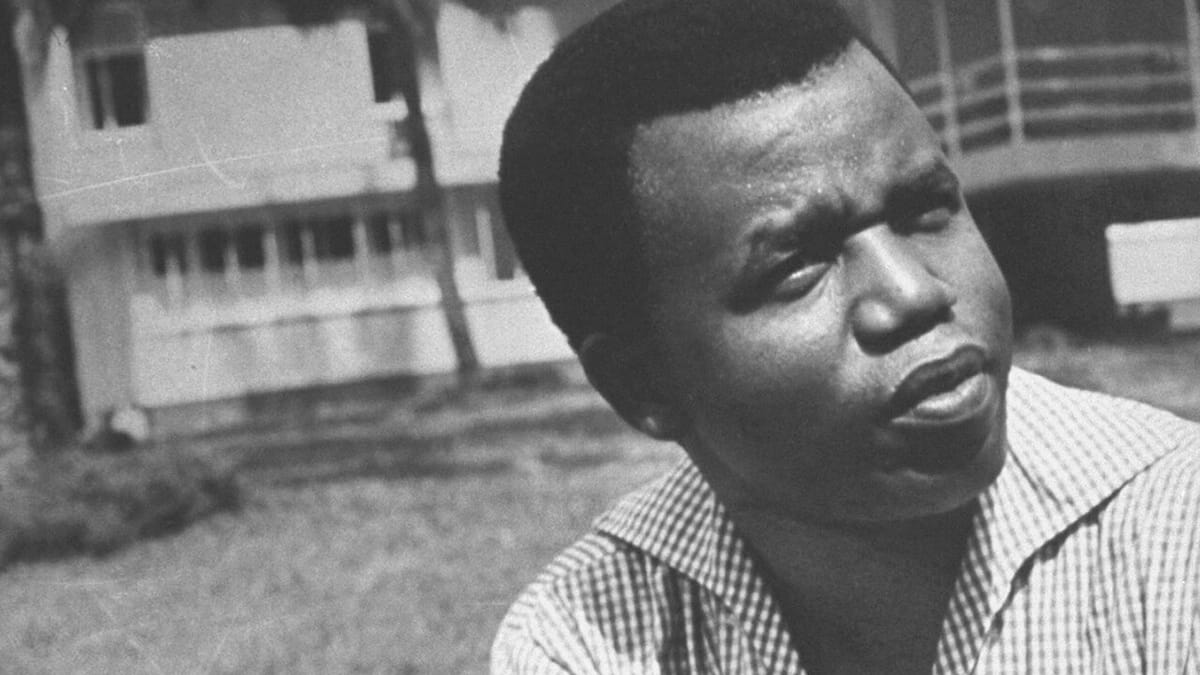
In brief: Things Fall Apart (1958) by the Nigerian writer Chinua Achebe (1930 to 2013) tells the story of Okonkwo, a respected man in the Igbo village of Umuofia, and the collapse of his world under British colonial rule and Christian missionaries. It has sold millions of copies and been translated into more than 50 languages.
The story
Okonkwo has built his reputation through strength and hard work, driven by fear of becoming like his gentle, indebted father. The first part of the novel portrays Igbo society in rich detail: its farming, religion, justice, festivals and storytelling. After Okonkwo is exiled for accidentally killing a clansman, he returns seven years later to find missionaries winning converts, including his own son, and a colonial government imposing its courts. His resistance ends in tragedy.
Why Achebe wrote it
Achebe wrote partly in response to European novels, such as Joyce Cary's Mister Johnson and Joseph Conrad's Heart of Darkness, which portrayed Africans as without history or culture. He set out to show a complex society with its own values, flaws and dignity, told in English shaped by Igbo proverbs.
Our view
The novel's power lies in its refusal of easy judgements. It does not romanticise pre-colonial Igbo society, showing its harshness toward women and outcasts, but it makes clear what was lost when outsiders decided they knew better. More than sixty years later, it remains essential reading for anyone interested in colonialism, identity and the stories nations tell about themselves.
Frequently Asked Questions
Where does the title come from?
From W. B. Yeats's poem 'The Second Coming': 'Things fall apart; the centre cannot hold.'