Health & FitnessHow-To
How to Wash Your Hands Properly
The 20-second method recommended by the CDC and WHO to stop germs spreading.
This guide is general information. For medical, legal, financial or safety decisions, consult a qualified professional.
In brief: Handwashing with soap and water is one of the most effective ways to prevent the spread of infections, according to the CDC and the World Health Organization. Many people wash too quickly or miss areas such as thumbs and fingertips.
Steps
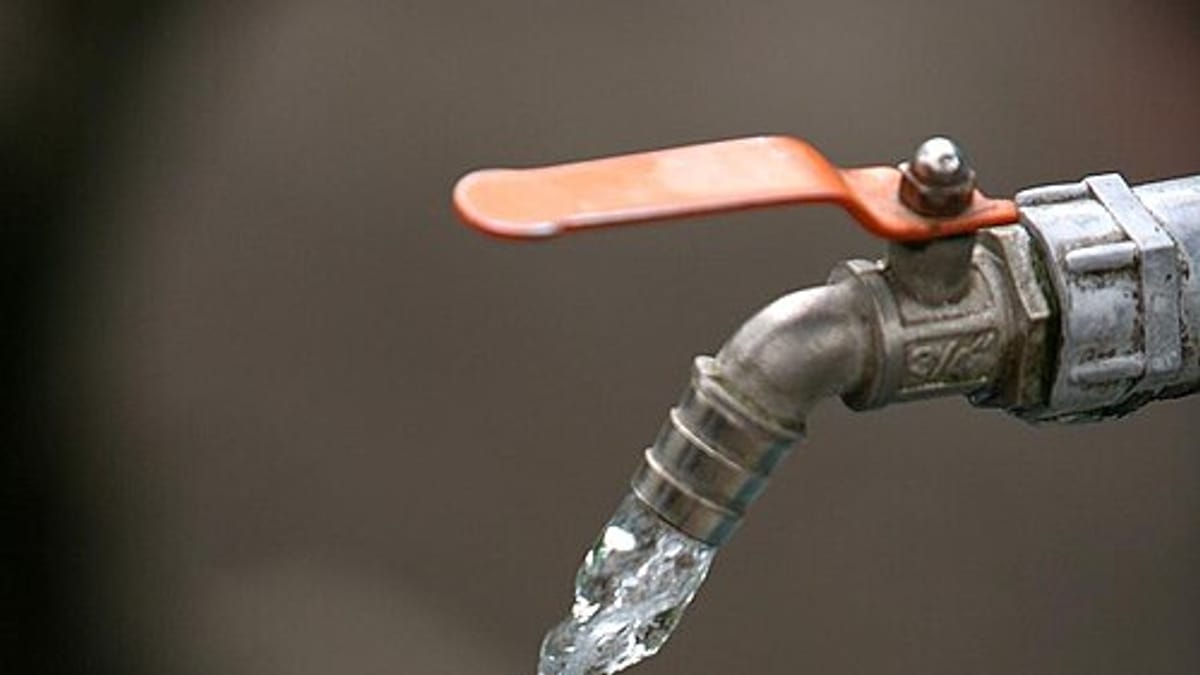
- Wet your hands. Use clean running water, warm or cold, and turn off the tap if you can to save water.
- Apply soap. Use enough to cover all surfaces of your hands.
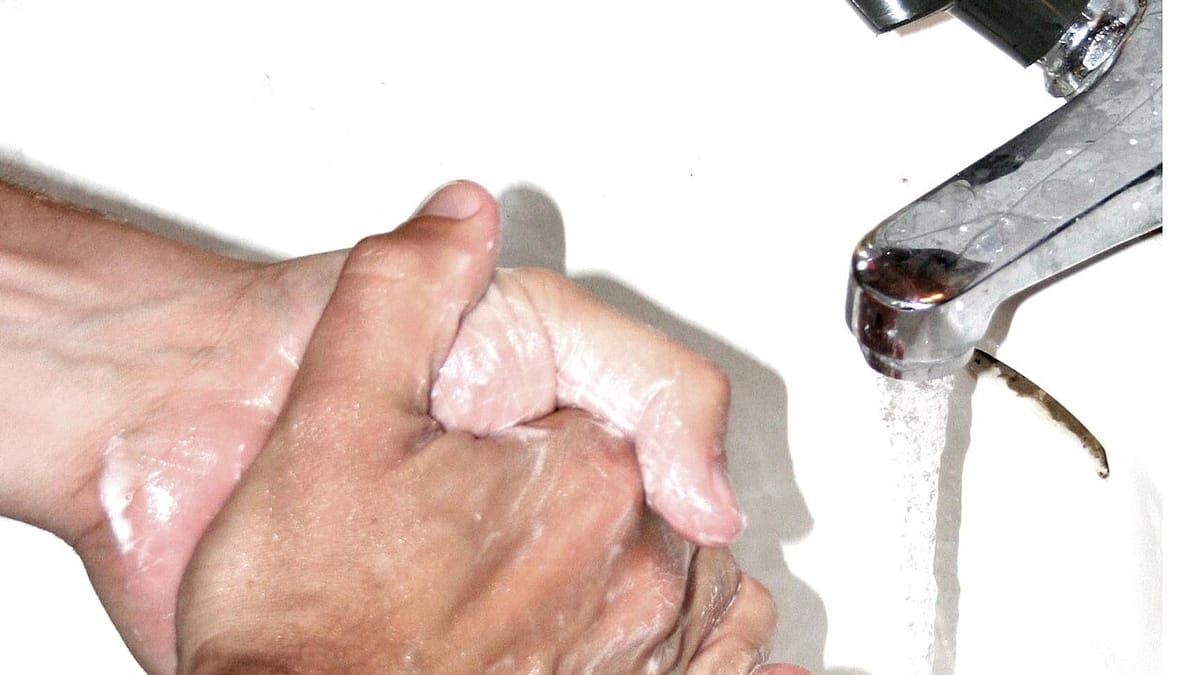
- Lather palms and backs. Rub palms together, then rub the back of each hand with the opposite palm, fingers interlaced.
- Clean between fingers and thumbs. Interlace fingers palm to palm, then rotate each thumb inside the opposite closed hand.
- Scrub fingertips and nails. Rub fingertips in circles against the opposite palm.
- Keep going for 20 seconds. That is about as long as humming Happy Birthday twice.
- Rinse and dry. Rinse well under running water and dry with a clean towel or air dryer.
Tips
- When soap and water are not available, use a hand sanitizer with at least 60 percent alcohol, though it does not remove all germs or visible dirt.
Frequently Asked Questions
When should I wash my hands?
Before eating or preparing food, after using the toilet, after blowing your nose, coughing or sneezing, and after caring for someone who is sick.